Filosofo
Marsilius of Inghen
1335 - 1396
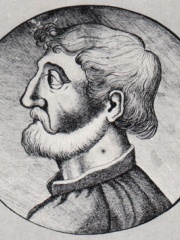
 Marsilius of Inghen
La sua biografia è disponibile in 15 lingue su Wikipedia. Marsilius of Inghen è il 1125° filosofo più popolare (in calo dal 1067° nel 2024), la 718ª biografia più popolare della Paesi Bassi (in calo dal 649ª nel 2019) e il 7° filosofo più popolare della Paesi Bassi.
Metriche di memorabilità
4.0k
Visualizzazioni
Ultimi 12 mesi
56.43
HPI
Indice di popolarità storica
Dati in evidenza
15
La biografia di Marsilius of Inghen copre 15 edizioni linguistiche di Wikipedia e ottiene un Indice di Popolarità Storica di 56.43.
Visualizzazioni della pagina di Marsilius of Inghen per lingua
Tra Filosofo
Tra Filosofo, Marsilius of Inghen occupa la posizione 1,125 su 1,285. Prima di lui ci sono Josef Pieper, Michael Ruse, Michał Heller, Dugald Stewart, William Lane Craig, e Antoinette Brown Blackwell. Dopo di lui ci sono David Chalmers, Sphaerus, Mario Tronti, Uku Masing, Jaegwon Kim, e Polemon of Athens.
Filosofo più popolari su Wikipedia
Vai a tutte le classifiche

Josef Pieper
1904 - 1997
HPI: 56.56
Posizione: 1,119

Michael Ruse
1940 - 2024
HPI: 56.55
Posizione: 1,120

Michał Heller
1936 - presente
HPI: 56.52
Posizione: 1,121
Dugald Stewart
1753 - 1828
HPI: 56.50
Posizione: 1,122

William Lane Craig
1949 - presente
HPI: 56.48
Posizione: 1,123
Antoinette Brown Blackwell
1825 - 1921
HPI: 56.43
Posizione: 1,124
Marsilius of Inghen
1335 - 1396
HPI: 56.43
Posizione: 1,125
David Chalmers
1966 - presente
HPI: 56.37
Posizione: 1,126
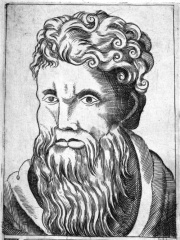
Sphaerus
285 BC - 221 BC
HPI: 56.35
Posizione: 1,127
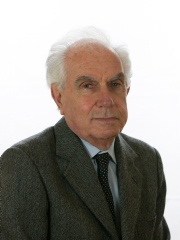
Mario Tronti
1931 - 2023
HPI: 56.34
Posizione: 1,128
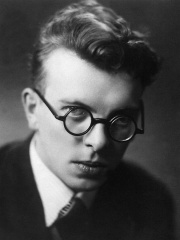
Uku Masing
1909 - 1985
HPI: 56.34
Posizione: 1,129

Jaegwon Kim
1934 - 2019
HPI: 56.32
Posizione: 1,130
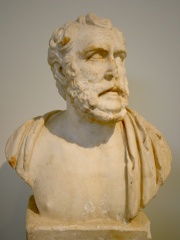
Polemon of Athens
200 - presente
HPI: 56.31
Posizione: 1,131

Contemporanei
Tra le persone nate nel 1335, Marsilius of Inghen occupa la posizione 7. Prima di lui ci sono Pope Gregory XII, Taejo of Joseon, Prince Marko, Mamai, Princess Milica of Serbia, e Margaret of Bohemia, Queen of Hungary. Tra le persone decedute nel 1396, Marsilius of Inghen occupa la posizione 8. Prima di lui ci sono Theodora Kantakouzene, Agnolo Gaddi, Helena Kantakouzene, Stephen of Perm, John of Görlitz, e Juan Fernández de Heredia.
Altre persone nate nel 1335
Vai a tutte le classifiche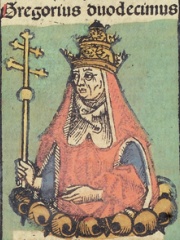
Pope Gregory XII
RELIGIOUS FIGURE
1335 - 1417
HPI: 82.48
Posizione: 1
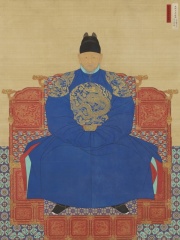
Taejo of Joseon
POLITICIAN
1335 - 1408
HPI: 78.12
Posizione: 2
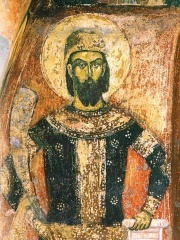
Prince Marko
POLITICIAN
1335 - 1395
HPI: 72.01
Posizione: 3
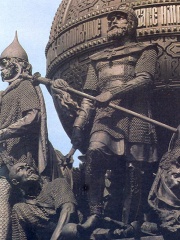
Mamai
MILITARY PERSONNEL
1335 - 1380
HPI: 66.30
Posizione: 4
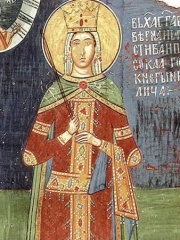
Princess Milica of Serbia
POLITICIAN
1335 - 1405
HPI: 65.95
Posizione: 5

Margaret of Bohemia, Queen of Hungary
COMPANION
1335 - 1349
HPI: 65.47
Posizione: 6
Marsilius of Inghen
PHILOSOPHER
1335 - 1396
HPI: 56.43
Posizione: 7
Altre persone decedute nel 1396
Vai a tutte le classifiche
Theodora Kantakouzene
COMPANION
1332 - 1396
HPI: 64.84
Posizione: 2
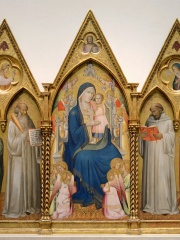
Agnolo Gaddi
PAINTER
1350 - 1396
HPI: 64.43
Posizione: 3

Helena Kantakouzene
POLITICIAN
1333 - 1396
HPI: 62.72
Posizione: 4
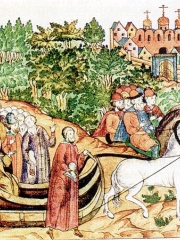
Stephen of Perm
RELIGIOUS FIGURE
1340 - 1396
HPI: 62.42
Posizione: 5

John of Görlitz
NOBLEMAN
1370 - 1396
HPI: 62.01
Posizione: 6
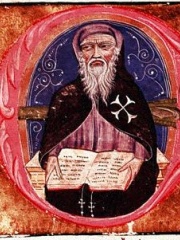
Juan Fernández de Heredia
WRITER
1310 - 1396
HPI: 59.98
Posizione: 7
Marsilius of Inghen
PHILOSOPHER
1335 - 1396
HPI: 56.43
Posizione: 8
In Paesi Bassi
Tra le persone nate in Paesi Bassi, Marsilius of Inghen occupa la posizione 718 su 2,139. Prima di lui ci sono Kees de Jager (1921), Jan Zwartkruis (1926), Albert Kluyver (1888), Constant Nieuwenhuys (1920), Adrian Vandenberg (1954), e Ernie Brandts (1956). Dopo di lui ci sono Jan Burgers (1895), Johannes de Jong (1885), Simon Tahamata (1956), Jan Jacob Rochussen (1797), Janwillem van de Wetering (1931), e Cornelis Bloemaert (1603).
Altre persone nate in Paesi Bassi
Vai a tutte le classifiche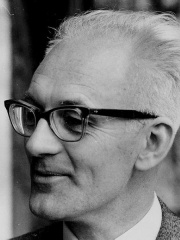
Kees de Jager
ASTRONOMER
1921 - 2021
HPI: 56.57
Posizione: 712

Jan Zwartkruis
COACH
1926 - 2013
HPI: 56.55
Posizione: 713
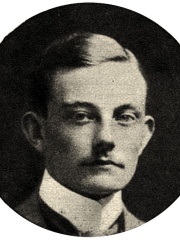
Albert Kluyver
CHEMIST
1888 - 1956
HPI: 56.55
Posizione: 714
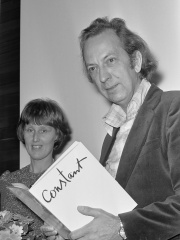
Constant Nieuwenhuys
PAINTER
1920 - 2005
HPI: 56.52
Posizione: 715
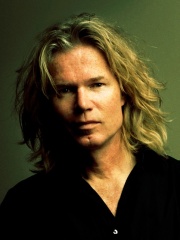
Adrian Vandenberg
MUSICIAN
1954 - presente
HPI: 56.48
Posizione: 716

Ernie Brandts
SOCCER PLAYER
1956 - presente
HPI: 56.44
Posizione: 717
Marsilius of Inghen
PHILOSOPHER
1335 - 1396
HPI: 56.43
Posizione: 718
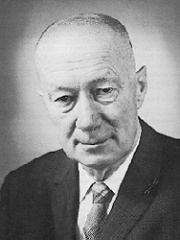
Jan Burgers
PHYSICIST
1895 - 1981
HPI: 56.41
Posizione: 719
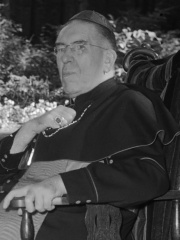
Johannes de Jong
RELIGIOUS FIGURE
1885 - 1955
HPI: 56.40
Posizione: 720
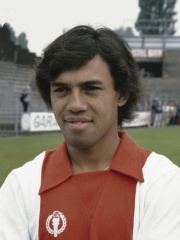
Simon Tahamata
SOCCER PLAYER
1956 - presente
HPI: 56.40
Posizione: 721
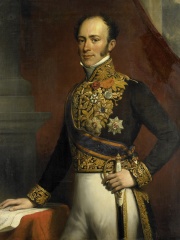
Jan Jacob Rochussen
POLITICIAN
1797 - 1871
HPI: 56.39
Posizione: 722

Janwillem van de Wetering
WRITER
1931 - 2008
HPI: 56.38
Posizione: 723
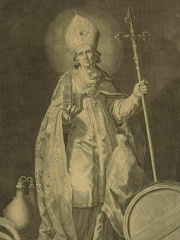
Cornelis Bloemaert
PAINTER
1603 - 1692
HPI: 56.37
Posizione: 724
Tra Filosofo in Paesi Bassi
Tra Filosofo nati in Paesi Bassi, Marsilius of Inghen occupa la posizione 7. Prima di lui ci sono Baruch Spinoza (1632), Erasmus (1466), Jacobus Arminius (1560), Rodolphus Agricola (1443), Jacob Moleschott (1822), e Dirck Coornhert (1522). Dopo di lui ci sono Thomas van Erpe (1584), e Bas van Fraassen (1941).
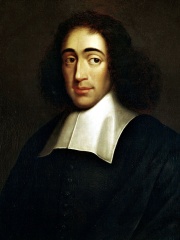
Baruch Spinoza
1632 - 1677
HPI: 90.63
Posizione: 1
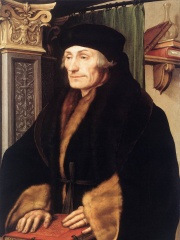
Erasmus
1466 - 1536
HPI: 88.33
Posizione: 2
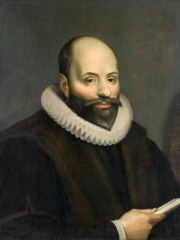
Jacobus Arminius
1560 - 1609
HPI: 69.78
Posizione: 3
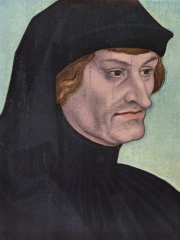
Rodolphus Agricola
1443 - 1485
HPI: 67.41
Posizione: 4
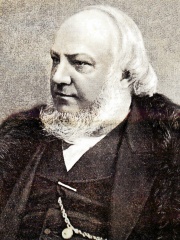
Jacob Moleschott
1822 - 1893
HPI: 62.51
Posizione: 5
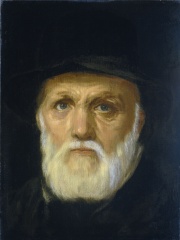
Dirck Coornhert
1522 - 1590
HPI: 59.61
Posizione: 6
Marsilius of Inghen
1335 - 1396
HPI: 56.43
Posizione: 7

Thomas van Erpe
1584 - 1624
HPI: 56.04
Posizione: 8

Bas van Fraassen
1941 - presente
HPI: 54.63
Posizione: 9




