Personnalité religieuse
Federico Lombardi
1942 - aujourd'hui
PAGES VUES SUR FR.WIKIPEDIA (PV)
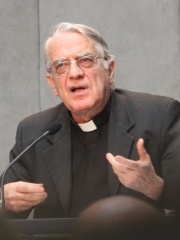
 Federico Lombardi
Sa biographie est disponible en 17 langues sur Wikipédia. Federico Lombardi est le 1,855th personnalité religieuse le plus populaire (en hausse du 1,997th en 2024), la 2,443rd biographie la plus populaire d'Italie (en hausse du 2,817th en 2019), ainsi que le 432nd personnalité religieuse d'Italie le plus populaire.
Indicateurs de mémorabilité
15k
Pages vues
12 derniers mois
61.52
HPI
Indice de popularité historique
Pages vues de Federico Lombardi par langue
Parmi les Personnalité religieuse
Parmi les Personnalité religieuse, Federico Lombardi occupe le rang 1,855 sur 3,187. Avant lui viennent Macarius of Jerusalem, Lipit-Ishtar, Richard Simon, Ithamar, Hanshan, et Raimon Panikkar. Après lui viennent Andrew Avellino, Anastasia the Patrician, Laura Vicuña, Victor of Marseilles, Ignaz von Döllinger, et Adelaide, Abbess of Vilich.
Personnalité religieuse les plus populaires sur Wikipédia
Voir tous les classements
Macarius of Jerusalem
333 - 335
HPI : 61.55
Rang : 1,849

Lipit-Ishtar
1890 BC - présent
HPI : 61.55
Rang : 1,850
Richard Simon
1638 - 1712
HPI : 61.55
Rang : 1,851

Ithamar
HPI : 61.54
Rang : 1,852

Hanshan
800 - présent
HPI : 61.53
Rang : 1,853
Raimon Panikkar
1918 - 2010
HPI : 61.53
Rang : 1,854
Federico Lombardi
1942 - présent
HPI : 61.52
Rang : 1,855
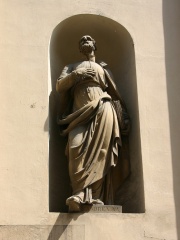
Andrew Avellino
1521 - 1608
HPI : 61.52
Rang : 1,856
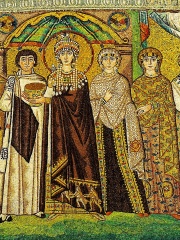
Anastasia the Patrician
501 - 576
HPI : 61.52
Rang : 1,857

Laura Vicuña
1891 - 1904
HPI : 61.52
Rang : 1,858

Victor of Marseilles
300 - 290
HPI : 61.51
Rang : 1,859
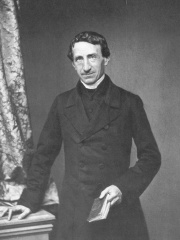
Ignaz von Döllinger
1799 - 1890
HPI : 61.51
Rang : 1,860
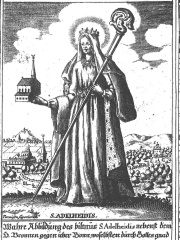
Adelaide, Abbess of Vilich
960 - 1015
HPI : 61.50
Rang : 1,861

Contemporains
Parmi les personnes nées en 1942, Federico Lombardi occupe le rang 236. Avant lui viennent Daliah Lavi, Ricardo Rodríguez, Tom Peters, David Ogden Stiers, Leo Nucci, et Judy Sheindlin. Après lui viennent Petar Nadoveza, Karen Hantze Susman, Curtis Mayfield, Hayedeh, Richard Roundtree, et Robert Weinberg.
Autres personnes nées en 1942
Voir tous les classements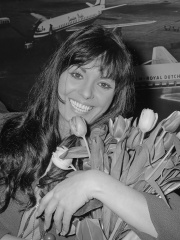
Daliah Lavi
ACTOR
1942 - 2017
HPI : 61.60
Rang : 230

Ricardo Rodríguez
RACING DRIVER
1942 - 1962
HPI : 61.58
Rang : 231

Tom Peters
WRITER
1942 - présent
HPI : 61.56
Rang : 232

David Ogden Stiers
ACTOR
1942 - 2018
HPI : 61.54
Rang : 233
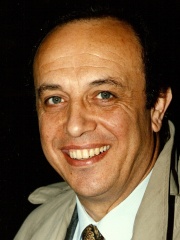
Leo Nucci
SINGER
1942 - présent
HPI : 61.53
Rang : 234
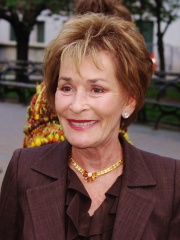
Judy Sheindlin
LAWYER
1942 - présent
HPI : 61.53
Rang : 235
Federico Lombardi
RELIGIOUS FIGURE
1942 - présent
HPI : 61.52
Rang : 236

Petar Nadoveza
SOCCER PLAYER
1942 - 2023
HPI : 61.50
Rang : 237

Karen Hantze Susman
TENNIS PLAYER
1942 - présent
HPI : 61.49
Rang : 238
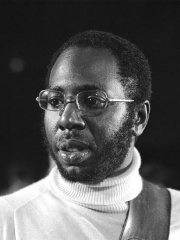
Curtis Mayfield
MUSICIAN
1942 - 1999
HPI : 61.46
Rang : 239
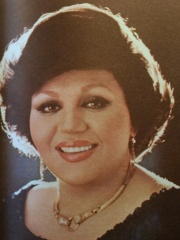
Hayedeh
SINGER
1942 - 1990
HPI : 61.41
Rang : 240
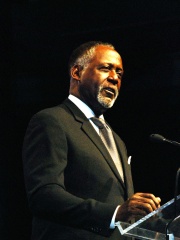
Richard Roundtree
ACTOR
1942 - 2023
HPI : 61.38
Rang : 241

Robert Weinberg
BIOLOGIST
1942 - présent
HPI : 61.34
Rang : 242
En Italie
Parmi les personnes nées en Italie, Federico Lombardi occupe le rang 2,443 sur NaN. Avant lui viennent Romaine Brooks (1874), Marcello Tegalliano (700), Pietro Nenni (1891), Maurizio Cattelan (1960), Alexander Farnese, Prince of Parma (1635), et Eraldo Monzeglio (1906). Après lui viennent Cino da Pistoia (1270), Andrew Avellino (1521), Vulca (-600), Gaspara Stampa (1523), Alessandro Pavolini (1903), et Irene Camber (1926).
Autres personnes nées en Italie
Voir tous les classements
Romaine Brooks
PAINTER
1874 - 1970
HPI : 61.55
Rang : 2,437
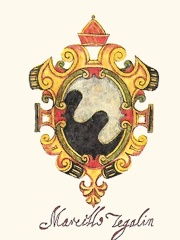
Marcello Tegalliano
POLITICIAN
700 - 726
HPI : 61.55
Rang : 2,438
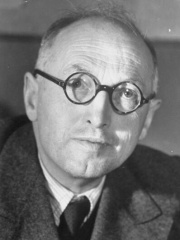
Pietro Nenni
POLITICIAN
1891 - 1980
HPI : 61.54
Rang : 2,439

Maurizio Cattelan
SCULPTOR
1960 - présent
HPI : 61.54
Rang : 2,440

Alexander Farnese, Prince of Parma
POLITICIAN
1635 - 1689
HPI : 61.54
Rang : 2,441

Eraldo Monzeglio
SOCCER PLAYER
1906 - 1981
HPI : 61.53
Rang : 2,442
Federico Lombardi
RELIGIOUS FIGURE
1942 - présent
HPI : 61.52
Rang : 2,443

Cino da Pistoia
LAWYER
1270 - 1336
HPI : 61.52
Rang : 2,444
Andrew Avellino
RELIGIOUS FIGURE
1521 - 1608
HPI : 61.52
Rang : 2,445

Vulca
SCULPTOR
600 BC - 600
HPI : 61.52
Rang : 2,446
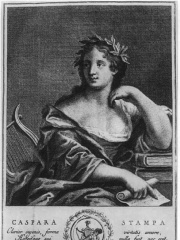
Gaspara Stampa
MUSICIAN
1523 - 1554
HPI : 61.52
Rang : 2,447
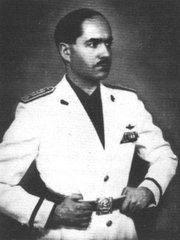
Alessandro Pavolini
POLITICIAN
1903 - 1945
HPI : 61.52
Rang : 2,448
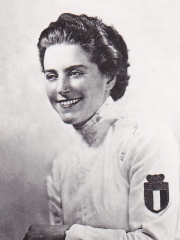
Irene Camber
POLITICIAN
1926 - 2024
HPI : 61.51
Rang : 2,449
Parmi les Personnalité religieuse en Italie
Parmi les Personnalité religieuse nés en Italie, Federico Lombardi occupe le rang 432. Avant lui viennent Giovanni Morone (1509), Antonio Maria Vegliò (1938), Emerentiana (250), Marco Cé (1925), Luigi Poggi (1917), et Geminianus (312). Après lui viennent Andrew Avellino (1521), Gregorio Barbarigo (1625), Joseph the Hymnographer (816), Pietro Aldobrandini (1571), Domenico Calcagno (1943), et Francesco Montenegro (1946).
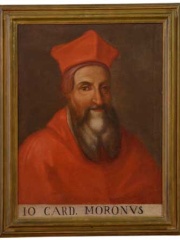
Giovanni Morone
1509 - 1580
HPI : 61.80
Rang : 426
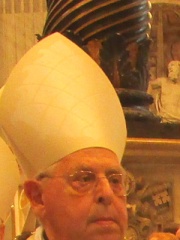
Antonio Maria Vegliò
1938 - présent
HPI : 61.77
Rang : 427
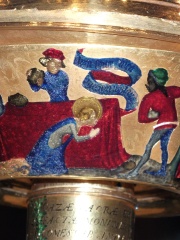
Emerentiana
250 - 304
HPI : 61.70
Rang : 428
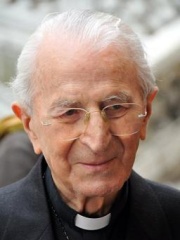
Marco Cé
1925 - 2014
HPI : 61.69
Rang : 429
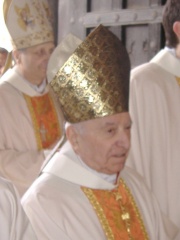
Luigi Poggi
1917 - 2010
HPI : 61.65
Rang : 430
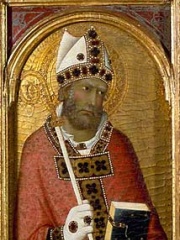
Geminianus
312 - 397
HPI : 61.62
Rang : 431
Federico Lombardi
1942 - présent
HPI : 61.52
Rang : 432
Andrew Avellino
1521 - 1608
HPI : 61.52
Rang : 433
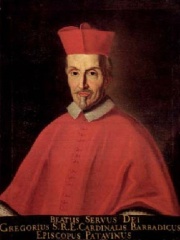
Gregorio Barbarigo
1625 - 1697
HPI : 61.44
Rang : 434
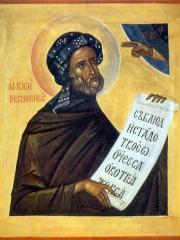
Joseph the Hymnographer
816 - 886
HPI : 61.44
Rang : 435
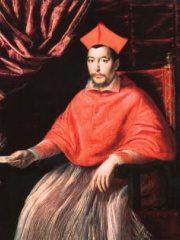
Pietro Aldobrandini
1571 - 1621
HPI : 61.43
Rang : 436
Domenico Calcagno
1943 - présent
HPI : 61.36
Rang : 437
Francesco Montenegro
1946 - présent
HPI : 61.35
Rang : 438




