Figura religiosa
Giovanni Morone
1509 - 1580
VISUALIZAÇÕES EM PT.WIKIPEDIA (PV)
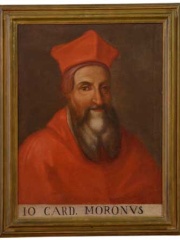
 Giovanni Morone
Sua biografia está disponível em 18 idiomas na Wikipédia (aumento em relação a 17 em 2024). Giovanni Morone é o 1803º figura religiosa mais popular (subiu do 1862º em 2024), a 2371ª biografia mais popular da Itália (subiu do 2664ª em 2019) e o 426º figura religiosa mais popular da Itália.
Métricas de memorabilidade
11k
Visualizações
Últimos 12 meses
61.80
HPI
Índice de Popularidade Histórica
Destaques dos dados
18
A biografia de Giovanni Morone abrange 18 edições de idiomas da Wikipédia e alcança um Índice de Popularidade Histórica de 61.80.
Visualizações da página de Giovanni Morone por idioma
Entre Figura religiosa
Entre Figura religiosa, Giovanni Morone ocupa a posição 1,803 de 3,189. Antes dele vêm Ibn Khuzayma, Víctor Manuel Fernández, Javier Echevarría Rodríguez, Sigfrid of Sweden, Basil III of Constantinople, e Theodulf of Orléans. Depois dele vêm Anthim the Iberian, Sayyida Nafisa, Fructuosus of Braga, Antonio Maria Vegliò, Eucherius of Lyon, e Leodegar.
Figura religiosa mais populares na Wikipédia
Ver todas as classificações

Ibn Khuzayma
838 - 924
HPI: 61.83
Posição: 1,797
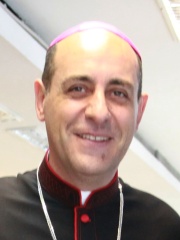
Víctor Manuel Fernández
1962 - presente
HPI: 61.82
Posição: 1,798
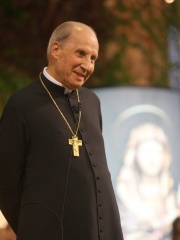
Javier Echevarría Rodríguez
1932 - 2016
HPI: 61.82
Posição: 1,799
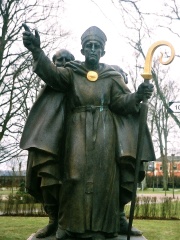
Sigfrid of Sweden
1000 - 1045
HPI: 61.82
Posição: 1,800
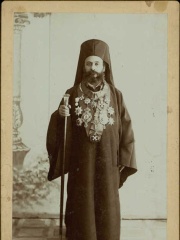
Basil III of Constantinople
1846 - 1929
HPI: 61.81
Posição: 1,801
Theodulf of Orléans
750 - 821
HPI: 61.80
Posição: 1,802
Giovanni Morone
1509 - 1580
HPI: 61.80
Posição: 1,803
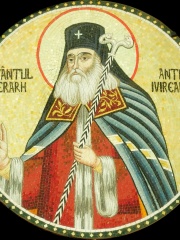
Anthim the Iberian
1650 - 1716
HPI: 61.78
Posição: 1,804
Sayyida Nafisa
762 - 824
HPI: 61.77
Posição: 1,805
Fructuosus of Braga
601 - 665
HPI: 61.77
Posição: 1,806
Antonio Maria Vegliò
1938 - presente
HPI: 61.77
Posição: 1,807
Eucherius of Lyon
380 - 449
HPI: 61.77
Posição: 1,808
Leodegar
616 - 679
HPI: 61.75
Posição: 1,809

Contemporâneos
Entre as pessoas nascidas em 1509, Giovanni Morone ocupa a posição 16. Antes dele vêm Luis de Morales, Cardinal-Infante Afonso of Portugal, Leone Leoni, Ippolito II d'Este, Étienne Dolet, e Melchor Cano. Depois dele vêm Isabel Moctezuma, Pasquale Cicogna, Domingo Martínez de Irala, e Federico Commandino. Entre as pessoas falecidas em 1580, Giovanni Morone ocupa a posição 14. Antes dele vêm Taqi ad-Din Muhammad ibn Ma'ruf, Hieronymus Wolf, Anne de Pisseleu d'Heilly, Juliana of Stolberg, Dorothea of Denmark, Electress Palatine, e Inés Suárez. Depois dele vêm Philippine Welser, Alonso Mudarra, Marie of Baden-Sponheim, Jerónimo Zurita y Castro, e Raphael Holinshed.
Outras pessoas nascidas em 1509
Ver todas as classificações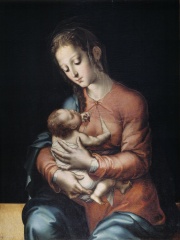
Luis de Morales
PAINTER
1509 - 1586
HPI: 63.88
Posição: 10
Cardinal-Infante Afonso of Portugal
POLITICIAN
1509 - 1540
HPI: 63.63
Posição: 11
Leone Leoni
SCULPTOR
1509 - 1590
HPI: 63.42
Posição: 12
Ippolito II d'Este
POLITICIAN
1509 - 1572
HPI: 62.60
Posição: 13
Étienne Dolet
WRITER
1509 - 1546
HPI: 62.39
Posição: 14
Melchor Cano
PHILOSOPHER
1509 - 1560
HPI: 61.94
Posição: 15
Giovanni Morone
RELIGIOUS FIGURE
1509 - 1580
HPI: 61.80
Posição: 16

Isabel Moctezuma
POLITICIAN
1509 - 1550
HPI: 61.72
Posição: 17
Pasquale Cicogna
POLITICIAN
1509 - 1595
HPI: 60.37
Posição: 18
Domingo Martínez de Irala
EXPLORER
1509 - 1556
HPI: 58.23
Posição: 19
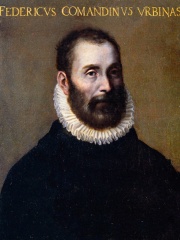
Federico Commandino
MATHEMATICIAN
1509 - 1575
HPI: 58.17
Posição: 20
Outras pessoas falecidas em 1580
Ver todas as classificações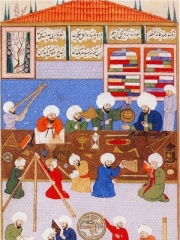
Taqi ad-Din Muhammad ibn Ma'ruf
ASTRONOMER
1526 - 1580
HPI: 65.26
Posição: 8
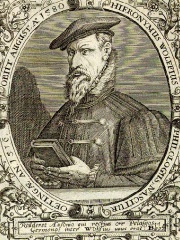
Hieronymus Wolf
HISTORIAN
1516 - 1580
HPI: 63.69
Posição: 9
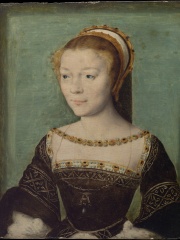
Anne de Pisseleu d'Heilly
COMPANION
1508 - 1580
HPI: 63.62
Posição: 10
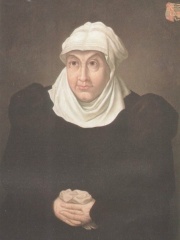
Juliana of Stolberg
SOCIAL ACTIVIST
1506 - 1580
HPI: 63.30
Posição: 11
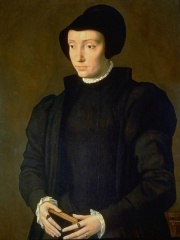
Dorothea of Denmark, Electress Palatine
NOBLEMAN
1520 - 1580
HPI: 63.28
Posição: 12
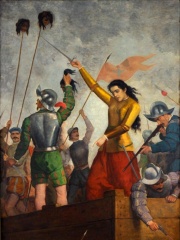
Inés Suárez
MILITARY PERSONNEL
1507 - 1580
HPI: 62.43
Posição: 13
Giovanni Morone
RELIGIOUS FIGURE
1509 - 1580
HPI: 61.80
Posição: 14
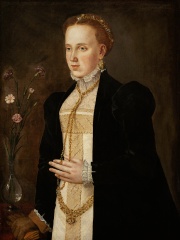
Philippine Welser
NOBLEMAN
1527 - 1580
HPI: 61.77
Posição: 15

Alonso Mudarra
COMPOSER
1510 - 1580
HPI: 61.41
Posição: 16
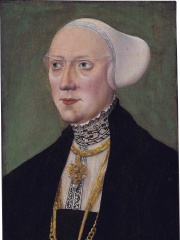
Marie of Baden-Sponheim
POLITICIAN
1507 - 1580
HPI: 61.01
Posição: 17
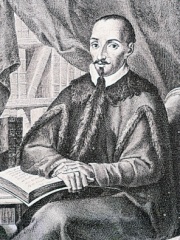
Jerónimo Zurita y Castro
HISTORIAN
1512 - 1580
HPI: 59.79
Posição: 18

Raphael Holinshed
WRITER
1529 - 1580
HPI: 57.39
Posição: 19
Em Itália
Entre as pessoas nascidas em Itália, Giovanni Morone ocupa a posição 2,371 de 5,905. Antes dele vêm Danny Huston (1962), Giovanni Dandolo (1300), Viktor Dankl von Krasnik (1854), Maria Fortunata d'Este (1731), Odoardo Farnese (1573), e Marcia Furnilla (1). Depois dele vêm Luigi Alamanni (1495), Aripert I (625), Princess Maria Antonia of the Two Sicilies (1814), John Paul Getty Jr. (1932), Susanna Agnelli (1922), e Ildebrando Pizzetti (1880).
Outras pessoas nascidas em Itália
Ver todas as classificações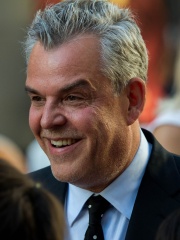
Danny Huston
ACTOR
1962 - presente
HPI: 61.83
Posição: 2,365
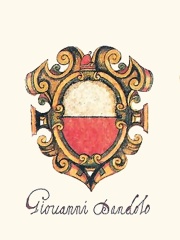
Giovanni Dandolo
POLITICIAN
1300 - 1289
HPI: 61.82
Posição: 2,366
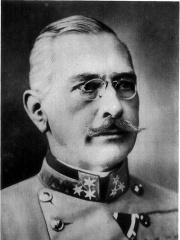
Viktor Dankl von Krasnik
MILITARY PERSONNEL
1854 - 1941
HPI: 61.82
Posição: 2,367
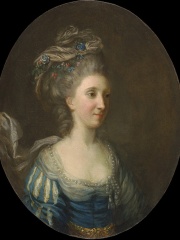
Maria Fortunata d'Este
NOBLEMAN
1731 - 1803
HPI: 61.81
Posição: 2,368
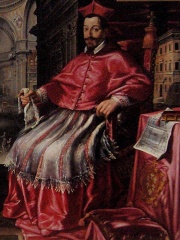
Odoardo Farnese
POLITICIAN
1573 - 1626
HPI: 61.81
Posição: 2,369
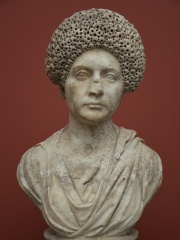
Marcia Furnilla
NOBLEMAN
1 - presente
HPI: 61.80
Posição: 2,370
Giovanni Morone
RELIGIOUS FIGURE
1509 - 1580
HPI: 61.80
Posição: 2,371
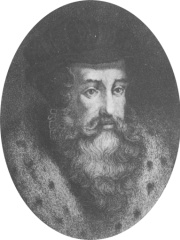
Luigi Alamanni
WRITER
1495 - 1556
HPI: 61.80
Posição: 2,372
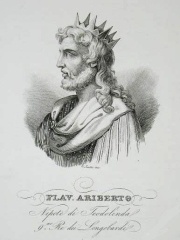
Aripert I
POLITICIAN
625 - 661
HPI: 61.80
Posição: 2,373
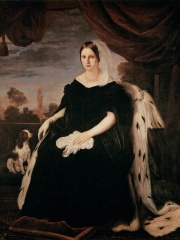
Princess Maria Antonia of the Two Sicilies
POLITICIAN
1814 - 1898
HPI: 61.79
Posição: 2,374
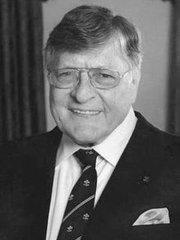
John Paul Getty Jr.
BUSINESSPERSON
1932 - 2003
HPI: 61.79
Posição: 2,375
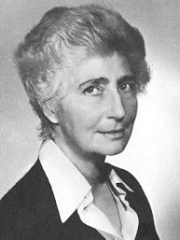
Susanna Agnelli
POLITICIAN
1922 - 2009
HPI: 61.79
Posição: 2,376
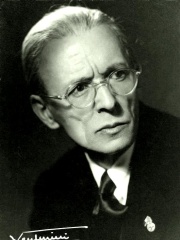
Ildebrando Pizzetti
COMPOSER
1880 - 1968
HPI: 61.79
Posição: 2,377
Entre Figura religiosa em Itália
Entre Figura religiosa nascidos em Itália, Giovanni Morone ocupa a posição 426. Antes dele vêm Achille Silvestrini (1923), Pietro Riario (1447), Alexander of Bergamo (201), Felix of Nola (300), Saint Homobonus (1117), e Antonio Barberini (1607). Depois dele vêm Antonio Maria Vegliò (1938), Emerentiana (250), Marco Cé (1925), Luigi Poggi (1917), Geminianus (312), e Federico Lombardi (1942).
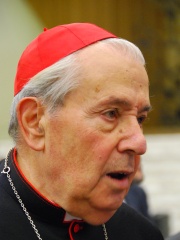
Achille Silvestrini
1923 - 2019
HPI: 62.03
Posição: 420
Pietro Riario
1447 - 1474
HPI: 62.02
Posição: 421
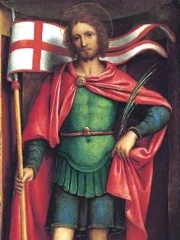
Alexander of Bergamo
201 - 303
HPI: 62.00
Posição: 422
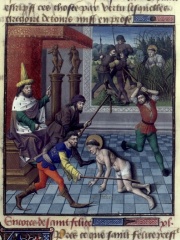
Felix of Nola
300 - 313
HPI: 61.96
Posição: 423
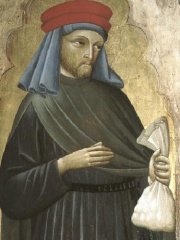
Saint Homobonus
1117 - 1197
HPI: 61.96
Posição: 424
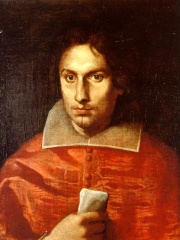
Antonio Barberini
1607 - 1671
HPI: 61.91
Posição: 425
Giovanni Morone
1509 - 1580
HPI: 61.80
Posição: 426
Antonio Maria Vegliò
1938 - presente
HPI: 61.77
Posição: 427
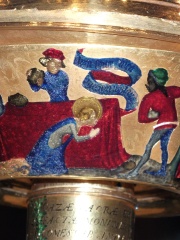
Emerentiana
250 - 304
HPI: 61.70
Posição: 428
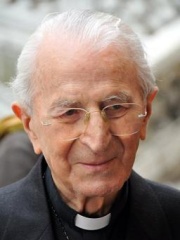
Marco Cé
1925 - 2014
HPI: 61.69
Posição: 429
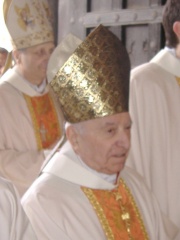
Luigi Poggi
1917 - 2010
HPI: 61.65
Posição: 430
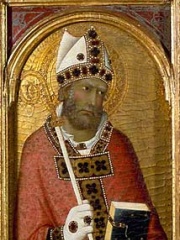
Geminianus
312 - 397
HPI: 61.62
Posição: 431
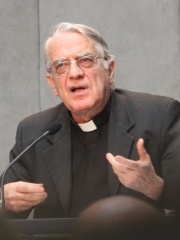
Federico Lombardi
1942 - presente
HPI: 61.52
Posição: 432




