物理学家
威廉·伦琴
1845 - 1923
ZH.WIKIPEDIA PAGE VIEWS (PV)
 威廉·伦琴
威廉·伦琴Memorability Metrics
640k
Page Views
Past 12 months
87.15
HPI
Historical Popularity Index
Page views of 威廉·伦琴 by language
Among 物理学家
Among 物理学家, 威廉·伦琴 ranks 6 out of 851. Before him are Isaac Newton, Albert Einstein, Marie Curie, J. Robert Oppenheimer, and Stephen Hawking. After him are Michael Faraday, Niels Bohr, Hans Christian Ørsted, Max Planck, Alessandro Volta, and Albert A. Michelson.
Most Popular 物理学家 in Wikipedia
Go to all Rankings
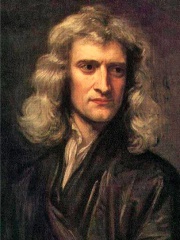
Isaac Newton
1643 - 1726
HPI: 99.44
Rank: 1
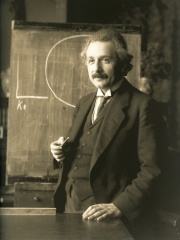
Albert Einstein
1879 - 1955
HPI: 94.83
Rank: 2
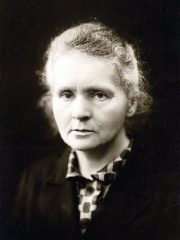
Marie Curie
1867 - 1934
HPI: 94.30
Rank: 3
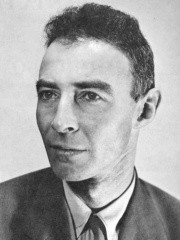
J. Robert Oppenheimer
1904 - 1967
HPI: 90.85
Rank: 4
Stephen Hawking
1942 - 2018
HPI: 88.36
Rank: 5
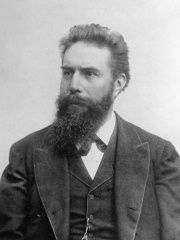
Wilhelm Röntgen
1845 - 1923
HPI: 87.15
Rank: 6
Michael Faraday
1791 - 1867
HPI: 86.08
Rank: 7
Niels Bohr
1885 - 1962
HPI: 85.49
Rank: 8
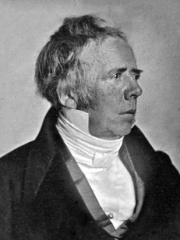
Hans Christian Ørsted
1777 - 1851
HPI: 85.42
Rank: 9

Max Planck
1858 - 1947
HPI: 85.41
Rank: 10
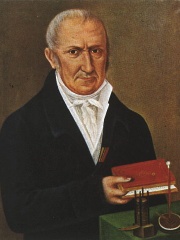
Alessandro Volta
1745 - 1827
HPI: 85.34
Rank: 11
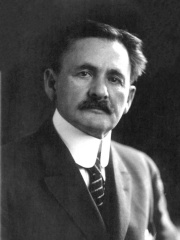
Albert A. Michelson
1852 - 1931
HPI: 84.49
Rank: 12

Contemporaries
Among people born in 1845, 威廉·伦琴 ranks 1. After him are Alexander III of Russia, Ludwig II of Bavaria, Gabriel Lippmann, Georg Cantor, Gabriel Fauré, George I of Greece, Élie Metchnikoff, Charles Louis Alphonse Laveran, Amadeo I of Spain, Ludwig III of Bavaria, and Carl Spitteler. Among people deceased in 1923, 威廉·伦琴 ranks 1. After him are Gustave Eiffel, Sarah Bernhardt, Vilfredo Pareto, Johannes Diderik van der Waals, Princess Helena of the United Kingdom, Jaroslav Hašek, Constantine I of Greece, John Venn, Warren G. Harding, Pancho Villa, and Ernest Augustus, Crown Prince of Hanover.
Others Born in 1845
Go to all RankingsWilhelm Röntgen
PHYSICIST
1845 - 1923
HPI: 87.15
Rank: 1
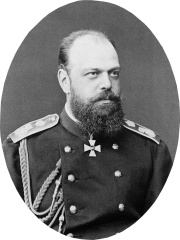
Alexander III of Russia
POLITICIAN
1845 - 1894
HPI: 81.27
Rank: 2
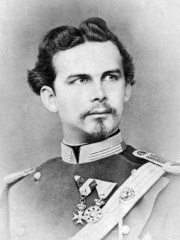
Ludwig II of Bavaria
POLITICIAN
1845 - 1886
HPI: 80.49
Rank: 3
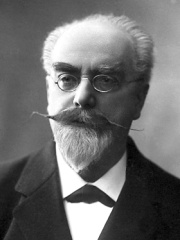
Gabriel Lippmann
PHYSICIST
1845 - 1921
HPI: 79.06
Rank: 4
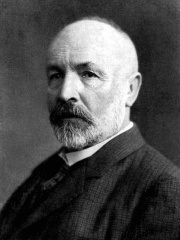
Georg Cantor
MATHEMATICIAN
1845 - 1918
HPI: 78.44
Rank: 5
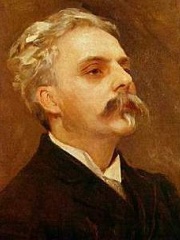
Gabriel Fauré
COMPOSER
1845 - 1924
HPI: 78.20
Rank: 6
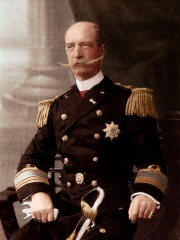
George I of Greece
POLITICIAN
1845 - 1913
HPI: 77.14
Rank: 7
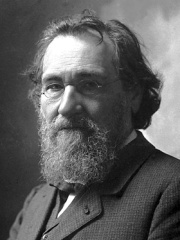
Élie Metchnikoff
BIOLOGIST
1845 - 1916
HPI: 77.11
Rank: 8
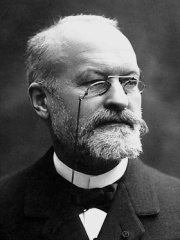
Charles Louis Alphonse Laveran
PHYSICIAN
1845 - 1922
HPI: 76.47
Rank: 9
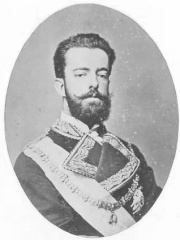
Amadeo I of Spain
POLITICIAN
1845 - 1890
HPI: 75.78
Rank: 10
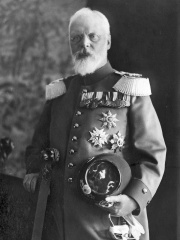
Ludwig III of Bavaria
POLITICIAN
1845 - 1921
HPI: 73.34
Rank: 11
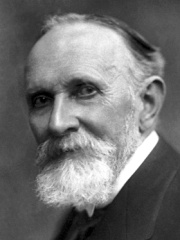
Carl Spitteler
WRITER
1845 - 1924
HPI: 73.32
Rank: 12
Others Deceased in 1923
Go to all RankingsWilhelm Röntgen
PHYSICIST
1845 - 1923
HPI: 87.15
Rank: 1
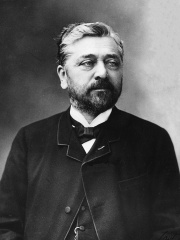
Gustave Eiffel
ENGINEER
1832 - 1923
HPI: 83.25
Rank: 2
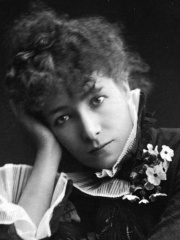
Sarah Bernhardt
ACTOR
1844 - 1923
HPI: 81.34
Rank: 3
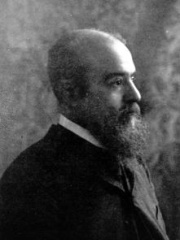
Vilfredo Pareto
ECONOMIST
1848 - 1923
HPI: 77.84
Rank: 4
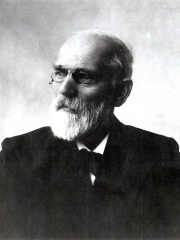
Johannes Diderik van der Waals
PHYSICIST
1837 - 1923
HPI: 77.51
Rank: 5
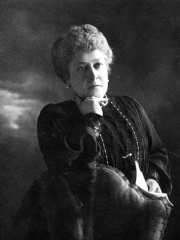
Princess Helena of the United Kingdom
COMPANION
1846 - 1923
HPI: 77.31
Rank: 6
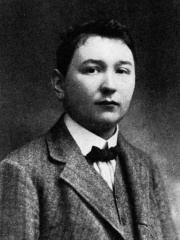
Jaroslav Hašek
WRITER
1883 - 1923
HPI: 76.68
Rank: 7
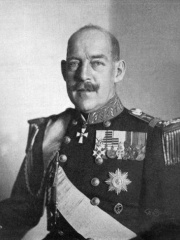
Constantine I of Greece
POLITICIAN
1868 - 1923
HPI: 76.14
Rank: 8
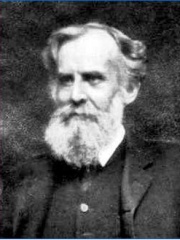
John Venn
PHILOSOPHER
1834 - 1923
HPI: 75.89
Rank: 9
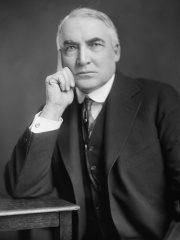
Warren G. Harding
POLITICIAN
1865 - 1923
HPI: 75.03
Rank: 10
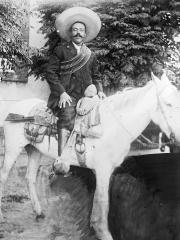
Pancho Villa
MILITARY PERSONNEL
1878 - 1923
HPI: 73.45
Rank: 11
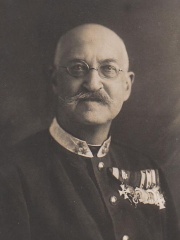
Ernest Augustus, Crown Prince of Hanover
NOBLEMAN
1845 - 1923
HPI: 72.83
Rank: 12
In 德国
Among people born in 德国, 威廉·伦琴 ranks 26 out of NaN. Before him are Peter Paul Rubens (1577), Georg Wilhelm Friedrich Hegel (1770), Richard Wagner (1813), Karl Benz (1844), Henry Kissinger (1923), and Max Weber (1864). After him are Frederick the Great (1712), Johannes Brahms (1833), Friedrich Engels (1820), Angela Merkel (1954), Max Planck (1858), and Bernhard Riemann (1826).
Others born in 德国
Go to all Rankings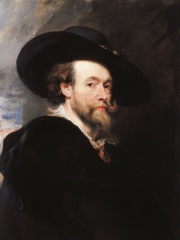
Peter Paul Rubens
PAINTER
1577 - 1640
HPI: 88.29
Rank: 20
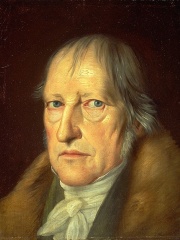
Georg Wilhelm Friedrich Hegel
PHILOSOPHER
1770 - 1831
HPI: 88.27
Rank: 21
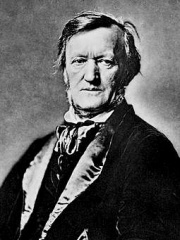
Richard Wagner
COMPOSER
1813 - 1883
HPI: 88.15
Rank: 22
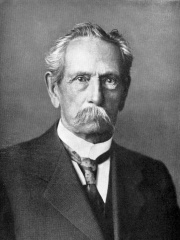
Karl Benz
INVENTOR
1844 - 1929
HPI: 88.12
Rank: 23
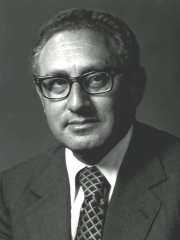
Henry Kissinger
POLITICIAN
1923 - 2023
HPI: 87.92
Rank: 24
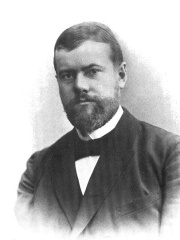
Max Weber
SOCIOLOGIST
1864 - 1920
HPI: 87.20
Rank: 25
Wilhelm Röntgen
PHYSICIST
1845 - 1923
HPI: 87.15
Rank: 26
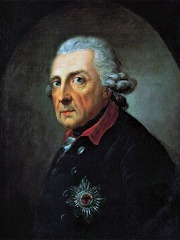
Frederick the Great
POLITICIAN
1712 - 1786
HPI: 85.80
Rank: 27
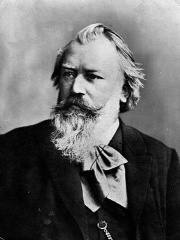
Johannes Brahms
COMPOSER
1833 - 1897
HPI: 85.79
Rank: 28
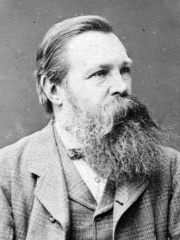
Friedrich Engels
PHILOSOPHER
1820 - 1895
HPI: 85.72
Rank: 29
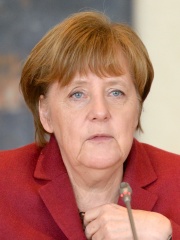
Angela Merkel
POLITICIAN
1954 - Present
HPI: 85.63
Rank: 30
Max Planck
PHYSICIST
1858 - 1947
HPI: 85.41
Rank: 31
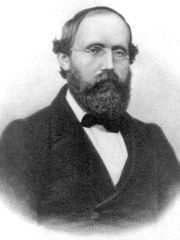
Bernhard Riemann
MATHEMATICIAN
1826 - 1866
HPI: 85.32
Rank: 32
Among 物理学家 In 德国
Among 物理学家 born in 德国, 威廉·伦琴 ranks 2. Before him are Albert Einstein (1879). After him are Max Planck (1858), Werner Heisenberg (1901), Georg Ohm (1789), Heinrich Hertz (1857), Max Born (1882), Max von Laue (1879), Hermann von Helmholtz (1821), Johannes Stark (1874), Gustav Ludwig Hertz (1887), and Georg Bednorz (1950).
Albert Einstein
1879 - 1955
HPI: 94.83
Rank: 1
Wilhelm Röntgen
1845 - 1923
HPI: 87.15
Rank: 2
Max Planck
1858 - 1947
HPI: 85.41
Rank: 3
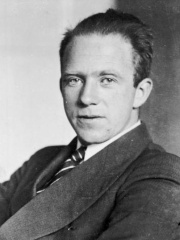
Werner Heisenberg
1901 - 1976
HPI: 83.50
Rank: 4
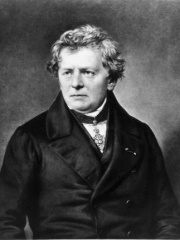
Georg Ohm
1789 - 1854
HPI: 83.08
Rank: 5
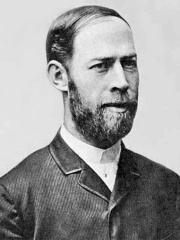
Heinrich Hertz
1857 - 1894
HPI: 82.34
Rank: 6
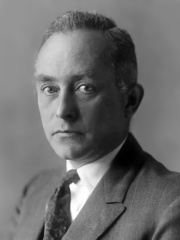
Max Born
1882 - 1970
HPI: 78.04
Rank: 7
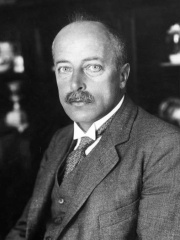
Max von Laue
1879 - 1960
HPI: 77.54
Rank: 8
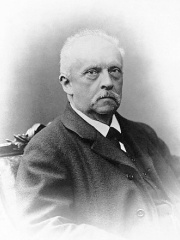
Hermann von Helmholtz
1821 - 1894
HPI: 77.32
Rank: 9
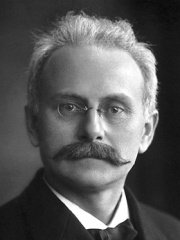
Johannes Stark
1874 - 1957
HPI: 76.77
Rank: 10
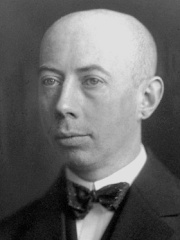
Gustav Ludwig Hertz
1887 - 1975
HPI: 76.77
Rank: 11
Georg Bednorz
1950 - Present
HPI: 76.58
Rank: 12




