Filozófus
Crates of Athens
400 BC - 268 BC

 Crates of Athens
Életrajza 22 különböző nyelven érhető el a Wikipédián (növekedés 20-ről 2024-ben). Crates of Athens a 538th legnépszerűbb filozófus (növekedés a 550th-ről 2024-ben), a 326th legnépszerűbb életrajz Görögország országából (növekedés a 327th-ről 2019-ben) és a 41st legnépszerűbb Görögországból filozófus.
Ismertségi mutatók
4.9k
Oldalmegtekintések
Elmúlt 12 hónap
65.54
HPI
Történelmi népszerűségi index
Adatérdekességek
22
Crates of Athens életrajza a Wikipédia 22 nyelvi változatában érhető el, történelmi népszerűségi indexe 65.54.
Crates of Athens oldalmegtekintései nyelvenként
A(z) Filozófus között
A(z) Filozófus között Crates of Athens a(z) 538. helyen áll 1,285 közül. Előtte állnak: Ahmad Sirhindi, Carl Stumpf, Gianni Vattimo, Myia, Charles W. Morris, és Marpa Lotsawa. Utána következnek: Jan Patočka, Annemarie Schimmel, Ammonius Hermiae, Salomon Maimon, Luis de Molina, és Albert of Saxony.
A legnépszerűbb Filozófus a Wikipédián
Összes rangsor megtekintése

Ahmad Sirhindi
1564 - 1624
HPI: 65.65
Helyezés: 532
Carl Stumpf
1848 - 1936
HPI: 65.63
Helyezés: 533

Gianni Vattimo
1936 - 2023
HPI: 65.61
Helyezés: 534

Myia
600 BC - 560 BC
HPI: 65.59
Helyezés: 535

Charles W. Morris
1903 - 1979
HPI: 65.55
Helyezés: 536

Marpa Lotsawa
1012 - 1097
HPI: 65.55
Helyezés: 537
Crates of Athens
400 BC - 268 BC
HPI: 65.54
Helyezés: 538
Jan Patočka
1907 - 1977
HPI: 65.54
Helyezés: 539
Annemarie Schimmel
1922 - 2003
HPI: 65.53
Helyezés: 540
Ammonius Hermiae
440 - 523
HPI: 65.51
Helyezés: 541

Salomon Maimon
1754 - 1800
HPI: 65.50
Helyezés: 542

Luis de Molina
1535 - 1600
HPI: 65.49
Helyezés: 543

Albert of Saxony
1316 - 1390
HPI: 65.47
Helyezés: 544

Kortársak
A(z) 400 BC. évben születettek között Crates of Athens a(z) 29. helyen áll. Előtte állnak: Philip IV of Macedon, Pausanias of Orestis, Lais of Corinth, Polemon, Titus Manlius Imperiosus Torquatus, és Harpalus. Utána következnek: Apama, Crantor, Arete of Cyrene, Attalus, Dinocrates, és Zoilus. A(z) 268 BC. évben elhunytak között Crates of Athens a(z) 3. helyen áll. Előtte állnak: Berenice I of Egypt, és Stratonice of Syria.
További személyek, akik a(z) 400 BC. évben születtek
Összes rangsor megtekintése
Philip IV of Macedon
POLITICIAN
400 BC - 296 BC
HPI: 65.91
Helyezés: 23
Pausanias of Orestis
POLITICIAN
400 BC - 336 BC
HPI: 65.89
Helyezés: 24

Lais of Corinth
POLITICIAN
400 BC - 360 BC
HPI: 65.75
Helyezés: 25
Polemon
PHILOSOPHER
400 BC - 270 BC
HPI: 65.65
Helyezés: 26
Titus Manlius Imperiosus Torquatus
POLITICIAN
400 BC - 301 BC
HPI: 65.60
Helyezés: 27

Harpalus
POLITICIAN
400 BC - 323 BC
HPI: 65.55
Helyezés: 28
Crates of Athens
PHILOSOPHER
400 BC - 268 BC
HPI: 65.54
Helyezés: 29

Apama
POLITICIAN
400 BC - napjainkig
HPI: 65.52
Helyezés: 30

Crantor
PHILOSOPHER
400 BC - 276 BC
HPI: 65.35
Helyezés: 31

Arete of Cyrene
PHILOSOPHER
400 BC - 340 BC
HPI: 65.25
Helyezés: 32

Attalus
POLITICIAN
400 BC - 336 BC
HPI: 65.15
Helyezés: 33

Dinocrates
ARCHITECT
400 BC - 360 BC
HPI: 64.98
Helyezés: 34
Zoilus
PHILOSOPHER
400 BC - 320 BC
HPI: 64.73
Helyezés: 35
További személyek, akik a(z) 268 BC. évben hunytak el
Összes rangsor megtekintése
Berenice I of Egypt
POLITICIAN
340 BC - 268 BC
HPI: 73.40
Helyezés: 1

Stratonice of Syria
POLITICIAN
317 BC - 268 BC
HPI: 66.27
Helyezés: 2
Crates of Athens
PHILOSOPHER
400 BC - 268 BC
HPI: 65.54
Helyezés: 3
A(z) Görögország rangsorában
A(z) Görögország területén születettek között Crates of Athens a(z) 326. helyen áll 1,135 közül. Előtte állnak: Lais of Corinth (-400), Polemon (-400), Gregory V of Constantinople (1745), Agnes Baltsa (1944), Hierocles of Alexandria (410), és Cynisca (-430). Utána következnek: Agis III (-350), Pheidon (-700), Cleombrotus I (-500), Antiochus XII Dionysus (-150), Andocides (-440), és Phrynichus (-535).
További személyek, akik Görögország területén születtek
Összes rangsor megtekintéseLais of Corinth
POLITICIAN
400 BC - 360 BC
HPI: 65.75
Helyezés: 320
Polemon
PHILOSOPHER
400 BC - 270 BC
HPI: 65.65
Helyezés: 321
Gregory V of Constantinople
RELIGIOUS FIGURE
1745 - 1821
HPI: 65.64
Helyezés: 322
Agnes Baltsa
SINGER
1944 - napjainkig
HPI: 65.63
Helyezés: 323

Hierocles of Alexandria
WRITER
410 - 500
HPI: 65.58
Helyezés: 324

Cynisca
POLITICIAN
430 BC - 389 BC
HPI: 65.57
Helyezés: 325
Crates of Athens
PHILOSOPHER
400 BC - 268 BC
HPI: 65.54
Helyezés: 326

Agis III
POLITICIAN
350 BC - 331 BC
HPI: 65.51
Helyezés: 327
Pheidon
POLITICIAN
700 BC - 670 BC
HPI: 65.50
Helyezés: 328

Cleombrotus I
POLITICIAN
500 BC - 371 BC
HPI: 65.50
Helyezés: 329
Antiochus XII Dionysus
POLITICIAN
150 BC - 84 BC
HPI: 65.50
Helyezés: 330

Andocides
POLITICIAN
440 BC - 391 BC
HPI: 65.47
Helyezés: 331

Phrynichus
WRITER
535 BC - 500 BC
HPI: 65.46
Helyezés: 332
A(z) Filozófus között – Görögország
A(z) Görögország területén született Filozófus között Crates of Athens a(z) 41. helyen áll. Előtte állnak: Plutarch of Athens (350), Timon of Phlius (-320), Eudemus of Rhodes (-370), Phaedo of Elis (-401), Anaxarchus (-380), és Polemon (-400). Utána következnek: Nicos Poulantzas (1936), Zoilus (-400), Cebes (-500), Aeschines of Sphettus (-430), Aristo of Chios (-300), és Onesicritus (-360).
Plutarch of Athens
350 - 431
HPI: 68.19
Helyezés: 35
Timon of Phlius
320 BC - 230 BC
HPI: 67.63
Helyezés: 36
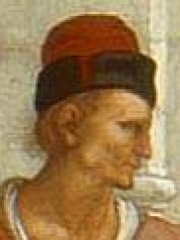
Eudemus of Rhodes
370 BC - 300 BC
HPI: 67.42
Helyezés: 37

Phaedo of Elis
401 BC - 400 BC
HPI: 67.17
Helyezés: 38
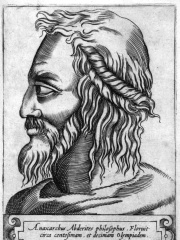
Anaxarchus
380 BC - 320 BC
HPI: 65.78
Helyezés: 39
Polemon
400 BC - 270 BC
HPI: 65.65
Helyezés: 40
Crates of Athens
400 BC - 268 BC
HPI: 65.54
Helyezés: 41
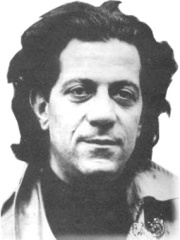
Nicos Poulantzas
1936 - 1979
HPI: 64.93
Helyezés: 42
Zoilus
400 BC - 320 BC
HPI: 64.73
Helyezés: 43
Cebes
500 BC - 400 BC
HPI: 64.47
Helyezés: 44
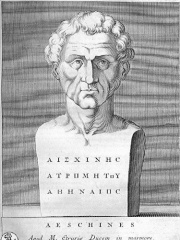
Aeschines of Sphettus
430 BC - 360 BC
HPI: 64.46
Helyezés: 45

Aristo of Chios
300 BC - 300 BC
HPI: 64.22
Helyezés: 46
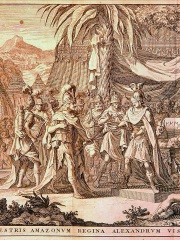
Onesicritus
360 BC - 290 BC
HPI: 63.05
Helyezés: 47




