Mathématicien
Efim Zelmanov
1955 - aujourd'hui
PAGES VUES SUR FR.WIKIPEDIA (PV)
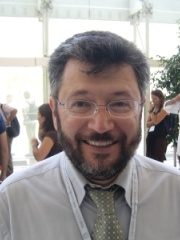
 Efim Zelmanov
Sa biographie est disponible en 35 langues sur Wikipédia (en hausse par rapport à 33 en 2024). Efim Zelmanov est le 606th mathématicien le plus populaire (en hausse du 649th en 2024), la 1,302nd biographie la plus populaire de Russie (en hausse du 1,543rd en 2019), ainsi que le 37th mathématicien de Russie le plus populaire.
Indicateurs de mémorabilité
15k
Pages vues
12 derniers mois
58.74
HPI
Indice de popularité historique
Faits marquants
35
La biographie de Efim Zelmanov couvre 35 éditions linguistiques de Wikipédia et obtient un Indice de Popularité Historique de 58.74.
Pages vues de Efim Zelmanov par langue
Parmi les Mathématicien
Parmi les Mathématicien, Efim Zelmanov occupe le rang 606 sur 1,010. Avant lui viennent Sydney Chapman, Arthur Moritz Schoenflies, Carl Adam Petri, Jacques Herbrand, Saunders Mac Lane, et Boris Delaunay. Après lui viennent Nicomedes, Jürgen Moser, Sulochana Gadgil, Karol Borsuk, Marc-Antoine Parseval, et James Ivory.
Mathématicien les plus populaires sur Wikipédia
Voir tous les classements
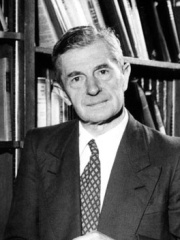
Sydney Chapman
1888 - 1970
HPI : 58.91
Rang : 600
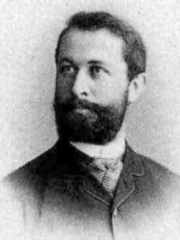
Arthur Moritz Schoenflies
1853 - 1928
HPI : 58.91
Rang : 601
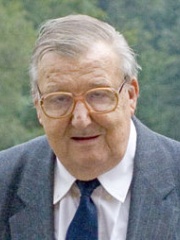
Carl Adam Petri
1926 - 2010
HPI : 58.90
Rang : 602
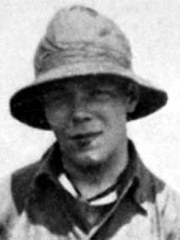
Jacques Herbrand
1908 - 1931
HPI : 58.88
Rang : 603
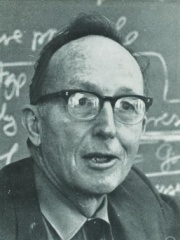
Saunders Mac Lane
1909 - 2005
HPI : 58.86
Rang : 604
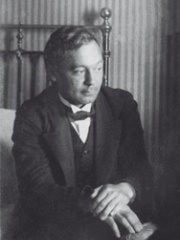
Boris Delaunay
1890 - 1980
HPI : 58.85
Rang : 605
Efim Zelmanov
1955 - présent
HPI : 58.74
Rang : 606

Nicomedes
280 av. J.-C. - 210 av. J.-C.
HPI : 58.73
Rang : 607
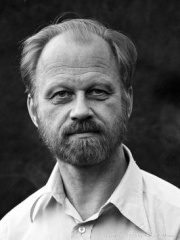
Jürgen Moser
1928 - 1999
HPI : 58.72
Rang : 608

Sulochana Gadgil
1944 - 2025
HPI : 58.71
Rang : 609
Karol Borsuk
1905 - 1982
HPI : 58.67
Rang : 610

Marc-Antoine Parseval
1755 - 1836
HPI : 58.66
Rang : 611

James Ivory
1765 - 1842
HPI : 58.66
Rang : 612

Contemporains
Parmi les personnes nées en 1955, Efim Zelmanov occupe le rang 220. Avant lui viennent Enzo Ghinazzi, John Kricfalusi, Kate Mulgrew, Paul Simonon, Oleg Salyukov, et Steve Berry. Après lui viennent Gilbert Gottfried, Koji Tanaka, Dee Snider, Boney Kapoor, Mamata Banerjee, et Şivan Perwer.
Autres personnes nées en 1955
Voir tous les classements
Enzo Ghinazzi
SINGER
1955 - présent
HPI : 58.97
Rang : 214

John Kricfalusi
ACTOR
1955 - présent
HPI : 58.93
Rang : 215
Kate Mulgrew
ACTOR
1955 - présent
HPI : 58.90
Rang : 216

Paul Simonon
MUSICIAN
1955 - présent
HPI : 58.83
Rang : 217
Oleg Salyukov
MILITARY PERSONNEL
1955 - présent
HPI : 58.79
Rang : 218
Steve Berry
WRITER
1955 - présent
HPI : 58.78
Rang : 219
Efim Zelmanov
MATHEMATICIAN
1955 - présent
HPI : 58.74
Rang : 220

Gilbert Gottfried
ACTOR
1955 - 2022
HPI : 58.65
Rang : 221

Koji Tanaka
SOCCER PLAYER
1955 - 2026
HPI : 58.63
Rang : 222

Dee Snider
SINGER
1955 - présent
HPI : 58.63
Rang : 223
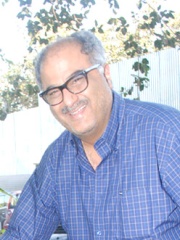
Boney Kapoor
PRODUCER
1955 - présent
HPI : 58.61
Rang : 224
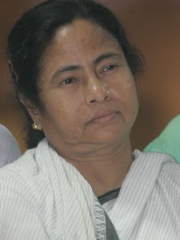
Mamata Banerjee
POLITICIAN
1955 - présent
HPI : 58.60
Rang : 225
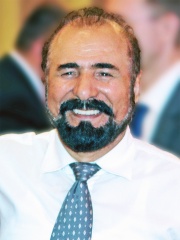
Şivan Perwer
SINGER
1955 - présent
HPI : 58.55
Rang : 226
En Russie
Parmi les personnes nées en Russie, Efim Zelmanov occupe le rang 1,302 sur 4,534. Avant lui viennent Rustam Minnikhanov (1957), Philip II, Metropolitan of Moscow (1507), Benjamin Jekhowsky (1881), Alexandre Alexeieff (1901), Endel Puusepp (1909), et Pyotr Chikhachyov (1808). Après lui viennent Alexander Kutepov (1882), Jürgen Moser (1928), Alexey Bestuzhev-Ryumin (1693), Antonina Makarova (1920), Sophie Liebknecht (1884), et Joseph Bové (1784).
Autres personnes nées en Russie
Voir tous les classements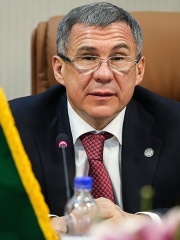
Rustam Minnikhanov
POLITICIAN
1957 - présent
HPI : 58.77
Rang : 1,296
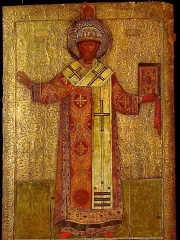
Philip II, Metropolitan of Moscow
RELIGIOUS FIGURE
1507 - 1569
HPI : 58.77
Rang : 1,297
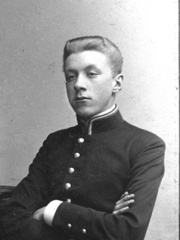
Benjamin Jekhowsky
ASTRONOMER
1881 - 1975
HPI : 58.77
Rang : 1,298

Alexandre Alexeieff
INVENTOR
1901 - 1982
HPI : 58.77
Rang : 1,299
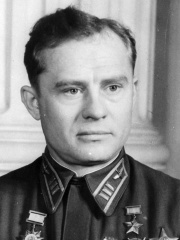
Endel Puusepp
MILITARY PERSONNEL
1909 - 1996
HPI : 58.74
Rang : 1,300
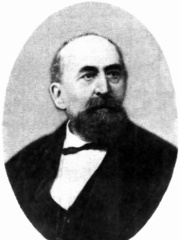
Pyotr Chikhachyov
EXPLORER
1808 - 1890
HPI : 58.74
Rang : 1,301
Efim Zelmanov
MATHEMATICIAN
1955 - présent
HPI : 58.74
Rang : 1,302
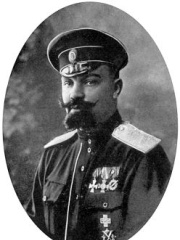
Alexander Kutepov
MILITARY PERSONNEL
1882 - 1930
HPI : 58.74
Rang : 1,303
Jürgen Moser
MATHEMATICIAN
1928 - 1999
HPI : 58.72
Rang : 1,304
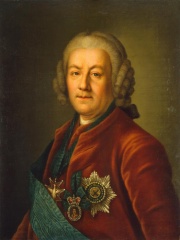
Alexey Bestuzhev-Ryumin
POLITICIAN
1693 - 1768
HPI : 58.72
Rang : 1,305
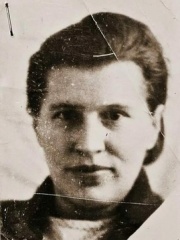
Antonina Makarova
MILITARY PERSONNEL
1920 - 1979
HPI : 58.72
Rang : 1,306

Sophie Liebknecht
SOCIAL ACTIVIST
1884 - 1964
HPI : 58.71
Rang : 1,307
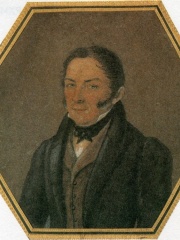
Joseph Bové
ARCHITECT
1784 - 1834
HPI : 58.71
Rang : 1,308
Parmi les Mathématicien en Russie
Parmi les Mathématicien nés en Russie, Efim Zelmanov occupe le rang 37. Avant lui viennent Aleksandr Khinchin (1894), Aleksandr Danilovich Aleksandrov (1912), Solomon Lefschetz (1884), Evgraf Fedorov (1853), Stanisław Leśniewski (1886), et Boris Delaunay (1890). Après lui viennent Jürgen Moser (1928), Alexander Gelfond (1906), Dmitri Egorov (1869), Aleksey Krylov (1863), Svetlana Gannushkina (1942), et Vladimir Levenshtein (1935).

Aleksandr Khinchin
1894 - 1959
HPI : 60.63
Rang : 31
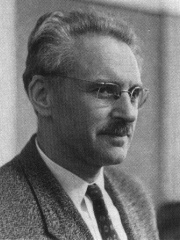
Aleksandr Danilovich Aleksandrov
1912 - 1999
HPI : 60.16
Rang : 32
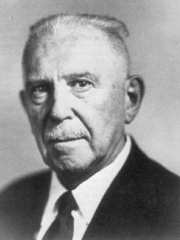
Solomon Lefschetz
1884 - 1972
HPI : 59.51
Rang : 33
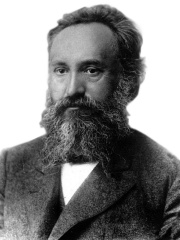
Evgraf Fedorov
1853 - 1919
HPI : 59.37
Rang : 34
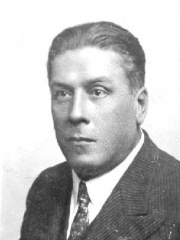
Stanisław Leśniewski
1886 - 1939
HPI : 59.18
Rang : 35
Boris Delaunay
1890 - 1980
HPI : 58.85
Rang : 36
Efim Zelmanov
1955 - présent
HPI : 58.74
Rang : 37
Jürgen Moser
1928 - 1999
HPI : 58.72
Rang : 38

Alexander Gelfond
1906 - 1968
HPI : 58.50
Rang : 39
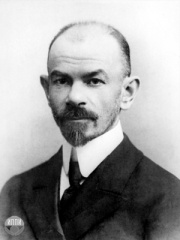
Dmitri Egorov
1869 - 1931
HPI : 58.36
Rang : 40
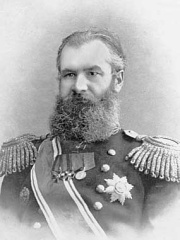
Aleksey Krylov
1863 - 1945
HPI : 57.99
Rang : 41
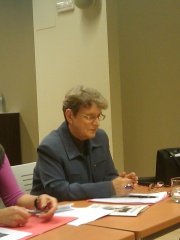
Svetlana Gannushkina
1942 - présent
HPI : 57.28
Rang : 42

Vladimir Levenshtein
1935 - 2017
HPI : 57.09
Rang : 43




