Writer
Dionysius Thrax
ancient Greek grammarian
170 BC - 89 BC
EN.WIKIPEDIA PAGE VIEWS (PV)

 Dionysius Thrax
His biography is available in 35 different languages on Wikipedia (up from 34 in 2024). Dionysius Thrax is the 794th most popular writer (up from 1,068th in 2024), the 158th most popular biography from Egypt (up from 199th in 2019) and the 11th most popular Egyptian Writer.
Dionysius Thrax is most famous for being the first person to create a system of rules for the Greek language.
Memorability Metrics
28k
Page Views
Past 12 months
69.60
HPI
Historical Popularity Index
Data Insights
#9,580
More than 21 centuries after death, Dionysius Thrax still holds rank #9,580 among all individuals in Pantheon.
35
Dionysius Thrax's biography appears in 35 language editions of Wikipedia — more than 79% of all Writers.
Page views of Dionysius Thrax by language
Among Writers
Among writers, Dionysius Thrax ranks 794 out of 7,302. Before him are Tao Yuanming, Jan Potocki, Edward Bernays, Wang Wei, Nonnus, and Milorad Pavić. After him are Marilyn vos Savant, Ryszard Kapuściński, Bar Hebraeus, Jean Anouilh, Felix Salten, and Henry of Grosmont, 1st Duke of Lancaster.
Most Popular Writers in Wikipedia
Go to all Rankings
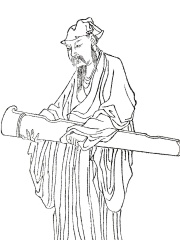
Tao Yuanming
365 - 427
HPI: 69.63
Rank: 788

Jan Potocki
1761 - 1815
HPI: 69.63
Rank: 789
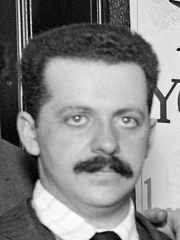
Edward Bernays
1891 - 1995
HPI: 69.63
Rank: 790
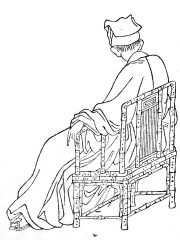
Wang Wei
699 - 759
HPI: 69.61
Rank: 791

Nonnus
500 - 500
HPI: 69.60
Rank: 792

Milorad Pavić
1929 - 2009
HPI: 69.60
Rank: 793
Dionysius Thrax
170 BC - 89 BC
HPI: 69.60
Rank: 794

Marilyn vos Savant
1946 - Present
HPI: 69.58
Rank: 795

Ryszard Kapuściński
1932 - 2007
HPI: 69.57
Rank: 796

Bar Hebraeus
1226 - 1286
HPI: 69.57
Rank: 797

Jean Anouilh
1910 - 1987
HPI: 69.56
Rank: 798
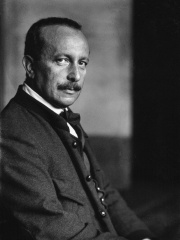
Felix Salten
1869 - 1945
HPI: 69.56
Rank: 799
Henry of Grosmont, 1st Duke of Lancaster
1310 - 1361
HPI: 69.55
Rank: 800

Contemporaries
Among people born in 170 BC, Dionysius Thrax ranks 2. Before him is Attalus III. After him are Lucius Accius, and Eucratides I. Among people deceased in 89 BC, Dionysius Thrax ranks 1. After him are Marcus Aemilius Scaurus, Aulus Postumius Albinus, Gnaeus Domitius Ahenobarbus, Lucius Porcius Cato, and Titus Didius.
Others Born in 170 BC
Go to all Rankings
Attalus III
POLITICIAN
170 BC - 133 BC
HPI: 70.48
Rank: 1
Dionysius Thrax
WRITER
170 BC - 89 BC
HPI: 69.60
Rank: 2

Lucius Accius
WRITER
170 BC - 84 BC
HPI: 68.47
Rank: 3
Eucratides I
POLITICIAN
170 BC - 200 BC
HPI: 60.88
Rank: 4
Others Deceased in 89 BC
Go to all RankingsDionysius Thrax
WRITER
170 BC - 89 BC
HPI: 69.60
Rank: 1
Marcus Aemilius Scaurus
POLITICIAN
163 BC - 89 BC
HPI: 62.99
Rank: 2
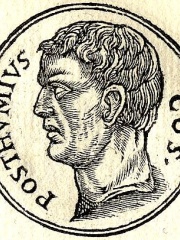
Aulus Postumius Albinus
POLITICIAN
200 BC - 89 BC
HPI: 61.02
Rank: 3
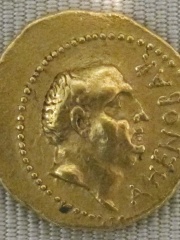
Gnaeus Domitius Ahenobarbus
POLITICIAN
200 BC - 89 BC
HPI: 59.39
Rank: 4

Lucius Porcius Cato
POLITICIAN
200 BC - 89 BC
HPI: 56.89
Rank: 5
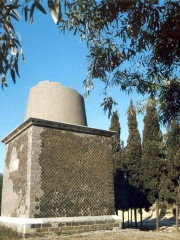
Titus Didius
POLITICIAN
200 BC - 89 BC
HPI: 56.48
Rank: 6
In Egypt
Among people born in Egypt, Dionysius Thrax ranks 158 out of 642. Before him are Necho I (-700), Sa'id of Egypt (1822), Psusennes I (-1100), Cleopatra I Syra (-204), Senusret II (-1900), and Nonnus (500). After him are Ramesses IX (-1150), Intef I (-2200), Theophylact Simocatta (580), Smendes (-1200), Dodi Fayed (1955), and John Philoponus (490).
Others born in Egypt
Go to all Rankings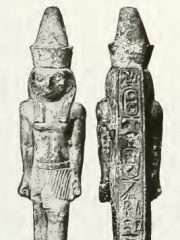
Necho I
POLITICIAN
700 BC - 664 BC
HPI: 69.79
Rank: 152
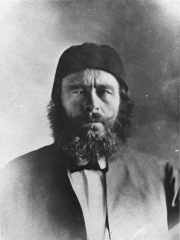
Sa'id of Egypt
POLITICIAN
1822 - 1863
HPI: 69.73
Rank: 153
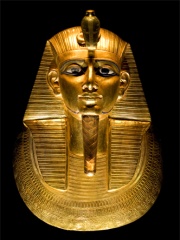
Psusennes I
POLITICIAN
1100 BC - 1001 BC
HPI: 69.71
Rank: 154
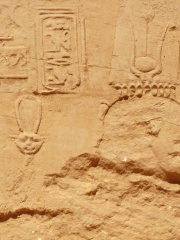
Cleopatra I Syra
POLITICIAN
204 BC - 176 BC
HPI: 69.70
Rank: 155
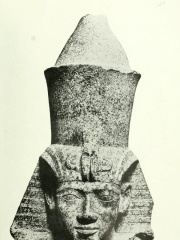
Senusret II
POLITICIAN
1900 BC - 1879 BC
HPI: 69.66
Rank: 156
Nonnus
WRITER
500 - 500
HPI: 69.60
Rank: 157
Dionysius Thrax
WRITER
170 BC - 89 BC
HPI: 69.60
Rank: 158
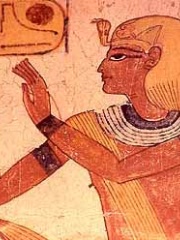
Ramesses IX
NOBLEMAN
1150 BC - 1111 BC
HPI: 69.44
Rank: 159
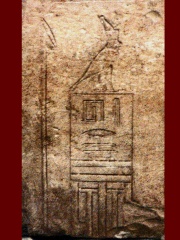
Intef I
POLITICIAN
2200 BC - 2121 BC
HPI: 69.40
Rank: 160

Theophylact Simocatta
HISTORIAN
580 - 630
HPI: 69.32
Rank: 161
Smendes
POLITICIAN
1200 BC - 1052 BC
HPI: 69.30
Rank: 162
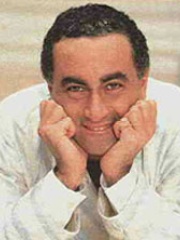
Dodi Fayed
CELEBRITY
1955 - 1997
HPI: 69.28
Rank: 163

John Philoponus
PHILOSOPHER
490 - 570
HPI: 69.25
Rank: 164
Among Writers In Egypt
Among writers born in Egypt, Dionysius Thrax ranks 11. Before him are Constantine P. Cavafy (1863), Athenaeus (200), Lactantius (250), Filippo Tommaso Marinetti (1876), Claudian (370), and Nonnus (500). After him are Pope Dionysius of Alexandria (190), Taha Hussein (1889), Achilles Tatius (200), Giuseppe Ungaretti (1888), Ahmed Shawqi (1868), and Didymus Chalcenterus (-63).
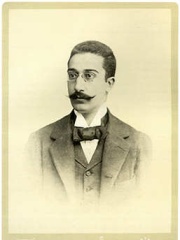
Constantine P. Cavafy
1863 - 1933
HPI: 74.33
Rank: 5

Athenaeus
200 - 223
HPI: 73.38
Rank: 6
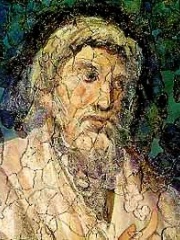
Lactantius
250 - 325
HPI: 73.15
Rank: 7
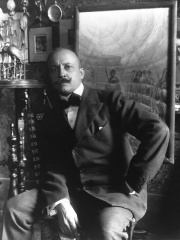
Filippo Tommaso Marinetti
1876 - 1944
HPI: 72.96
Rank: 8

Claudian
370 - 404
HPI: 70.15
Rank: 9
Nonnus
500 - 500
HPI: 69.60
Rank: 10
Dionysius Thrax
170 BC - 89 BC
HPI: 69.60
Rank: 11

Pope Dionysius of Alexandria
190 - 264
HPI: 69.10
Rank: 12

Taha Hussein
1889 - 1973
HPI: 68.25
Rank: 13

Achilles Tatius
200 - 300
HPI: 66.68
Rank: 14

Giuseppe Ungaretti
1888 - 1970
HPI: 64.59
Rank: 15
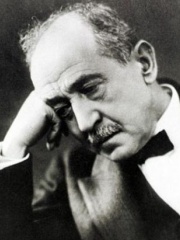
Ahmed Shawqi
1868 - 1932
HPI: 64.42
Rank: 16

Didymus Chalcenterus
63 BC - 10
HPI: 64.34
Rank: 17




