Politiker
Bardiya
580 BC - 522 BC
DE.WIKIPEDIA-SEITENAUFRUFE (PV)
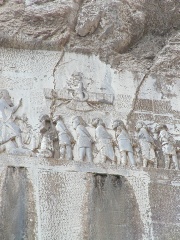
 Bardiya
Seine Biografie ist in 43 verschiedenen Sprachen auf Wikipedia verfügbar (gestiegen von 41 im Jahr 2024). Bardiya ist der 3,553rd beliebteste Politiker (gesunken vom 2,996th im Jahr 2024), die 118th beliebteste Biografie aus Iran (gesunken vom 117th im Jahr 2019) und der 69th beliebteste aus dem Iran Politiker.
Bekanntheitsmetriken
210k
Seitenaufrufe
Letzte 12 Monate
68.66
HPI
Historischer Popularitätsindex
Daten-Einblicke
43
Die Biografie von Bardiya umfasst 43 Sprachversionen der Wikipedia und erreicht einen Historischen Popularitätsindex von 68.66.
Seitenaufrufe von Bardiya nach Sprache
Unter Politiker
Unter Politiker belegt Bardiya Rang 3,551 von 20,022. Vor ihm stehen Powhatan, Leonidas II, John George I, Elector of Saxony, Ivan Ribar, Archduke Ernest of Austria, und Najm ad-Din Ayyub. Nach ihm folgen Tahmasp II, Muhammad I Tapar, Michelle Obama, Mohammed Waheed Hassan, Yuri of Goguryeo, und Heshen.
Die beliebtesten Politiker auf Wikipedia
Zu allen Ranglisten
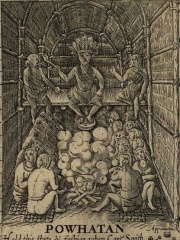
Powhatan
1545 - 1618
HPI: 68.66
Rang: 3,547
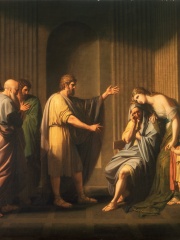
Leonidas II
315 BC - 235 BC
HPI: 68.66
Rang: 3,548
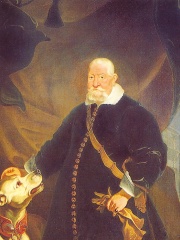
John George I, Elector of Saxony
1585 - 1656
HPI: 68.66
Rang: 3,549
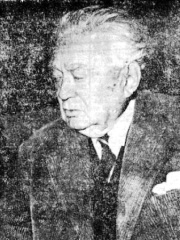
Ivan Ribar
1881 - 1968
HPI: 68.66
Rang: 3,550
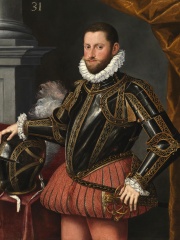
Archduke Ernest of Austria
1553 - 1595
HPI: 68.66
Rang: 3,551
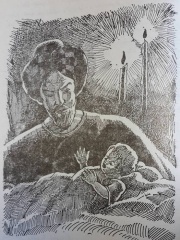
Najm ad-Din Ayyub
1100 - 1173
HPI: 68.66
Rang: 3,552
Bardiya
580 BC - 522 BC
HPI: 68.66
Rang: 3,553
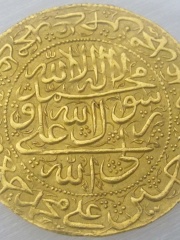
Tahmasp II
1704 - 1740
HPI: 68.66
Rang: 3,554
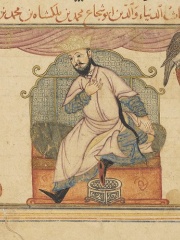
Muhammad I Tapar
1082 - 1118
HPI: 68.66
Rang: 3,555
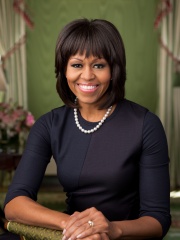
Michelle Obama
1964 - heute
HPI: 68.66
Rang: 3,556
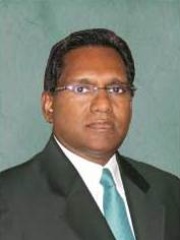
Mohammed Waheed Hassan
1953 - heute
HPI: 68.66
Rang: 3,557
Yuri of Goguryeo
38 BC - 18
HPI: 68.66
Rang: 3,558
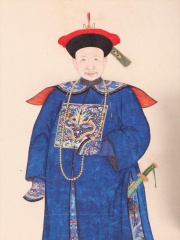
Heshen
1750 - 1799
HPI: 68.66
Rang: 3,559

Zeitgenossen
Unter den im Jahr 580 BC Geborenen belegt Bardiya Rang 2. Vor ihm steht Pherecydes of Syros. Nach ihm folgt Battus I of Cyrene. Unter den im Jahr 522 BC Verstorbenen belegt Bardiya Rang 2. Vor ihm steht Cambyses II. Nach ihm folgt Nebuchadnezzar III.
Weitere im Jahr 580 BC Geborene
Zu allen Ranglisten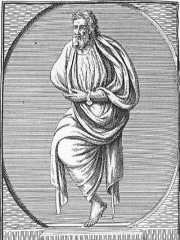
Pherecydes of Syros
PHILOSOPHER
580 BC - 520 BC
HPI: 72.10
Rang: 1
Bardiya
POLITICIAN
580 BC - 522 BC
HPI: 68.66
Rang: 2
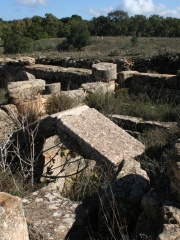
Battus I of Cyrene
POLITICIAN
580 BC - 520 BC
HPI: 62.01
Rang: 3
Weitere im Jahr 522 BC Verstorbene
Zu allen Ranglisten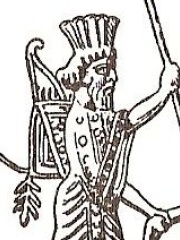
Cambyses II
POLITICIAN
550 BC - 522 BC
HPI: 78.72
Rang: 1
Bardiya
POLITICIAN
580 BC - 522 BC
HPI: 68.66
Rang: 2
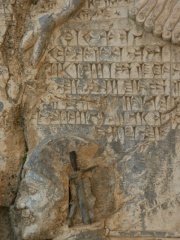
Nebuchadnezzar III
POLITICIAN
600 BC - 522 BC
HPI: 64.03
Rang: 3
In Iran
Unter den in Iran Geborenen belegt Bardiya Rang 118 von 800. Vor ihm stehen Ali Shariati (1933), Qasem Soleimani (1957), Ibn al-Muqaffa' (724), Abolhassan Banisadr (1933), Mohammad Ali Shah Qajar (1872), und Ebrahim Raisi (1960). Nach ihm folgen Tahmasp II (1704), Muhammad I Tapar (1082), Sibawayh (760), Abbas III (1732), Ata-Malik Juvayni (1226), und Abu Hanifa Dinawari (815).
Weitere in Iran geborene Personen
Zu allen Ranglisten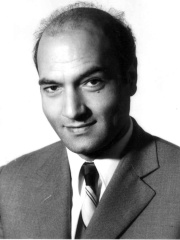
Ali Shariati
WRITER
1933 - 1977
HPI: 69.15
Rang: 112
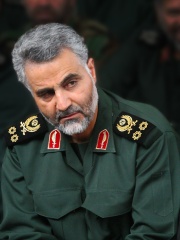
Qasem Soleimani
MILITARY PERSONNEL
1957 - 2020
HPI: 69.10
Rang: 113
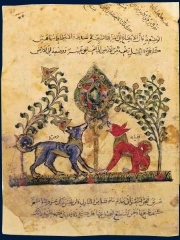
Ibn al-Muqaffa'
WRITER
724 - 756
HPI: 68.95
Rang: 114
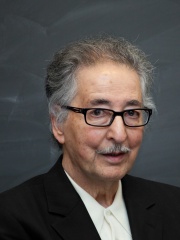
Abolhassan Banisadr
POLITICIAN
1933 - 2021
HPI: 68.91
Rang: 115
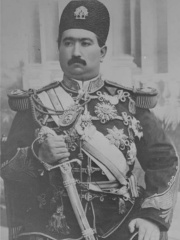
Mohammad Ali Shah Qajar
POLITICIAN
1872 - 1925
HPI: 68.84
Rang: 116
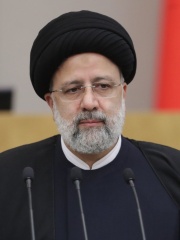
Ebrahim Raisi
POLITICIAN
1960 - 2024
HPI: 68.80
Rang: 117
Bardiya
POLITICIAN
580 BC - 522 BC
HPI: 68.66
Rang: 118
Tahmasp II
POLITICIAN
1704 - 1740
HPI: 68.66
Rang: 119
Muhammad I Tapar
POLITICIAN
1082 - 1118
HPI: 68.66
Rang: 120
Sibawayh
LINGUIST
760 - 797
HPI: 68.65
Rang: 121
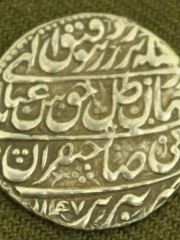
Abbas III
POLITICIAN
1732 - 1740
HPI: 68.64
Rang: 122
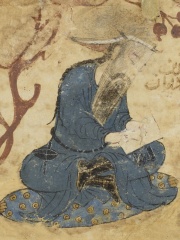
Ata-Malik Juvayni
POLITICIAN
1226 - 1283
HPI: 68.63
Rang: 123

Abu Hanifa Dinawari
ASTRONOMER
815 - 896
HPI: 68.56
Rang: 124
Unter Politiker in Iran
Unter den in Iran geborenen Politiker belegt Bardiya Rang 69. Vor ihm stehen Orodes II (-70), Demetrius II Nicator (-161), Yazdegerd II (500), Abolhassan Banisadr (1933), Mohammad Ali Shah Qajar (1872), und Ebrahim Raisi (1960). Nach ihm folgen Tahmasp II (1704), Muhammad I Tapar (1082), Abbas III (1732), Ata-Malik Juvayni (1226), Jahan Shah (1397), und Mohammad-Ali Rajai (1933).
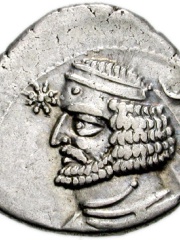
Orodes II
70 BC - 38 BC
HPI: 69.28
Rang: 63
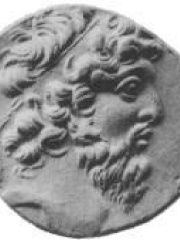
Demetrius II Nicator
161 BC - 125 BC
HPI: 69.27
Rang: 64
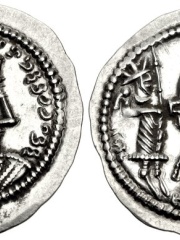
Yazdegerd II
500 - 457
HPI: 69.20
Rang: 65
Abolhassan Banisadr
1933 - 2021
HPI: 68.91
Rang: 66
Mohammad Ali Shah Qajar
1872 - 1925
HPI: 68.84
Rang: 67
Ebrahim Raisi
1960 - 2024
HPI: 68.80
Rang: 68
Bardiya
580 BC - 522 BC
HPI: 68.66
Rang: 69
Tahmasp II
1704 - 1740
HPI: 68.66
Rang: 70
Muhammad I Tapar
1082 - 1118
HPI: 68.66
Rang: 71
Abbas III
1732 - 1740
HPI: 68.64
Rang: 72
Ata-Malik Juvayni
1226 - 1283
HPI: 68.63
Rang: 73
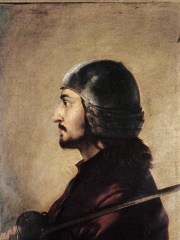
Jahan Shah
1397 - 1467
HPI: 68.51
Rang: 74
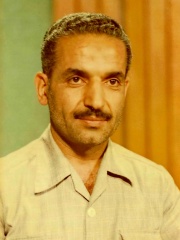
Mohammad-Ali Rajai
1933 - 1981
HPI: 68.50
Rang: 75




