Politicien
Cambyse II
550 BC - 522 BC
PAGES VUES SUR FR.WIKIPEDIA (PV)
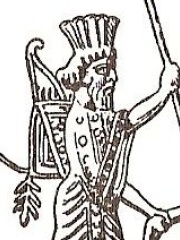
 Cambyse II
Sa biographie est disponible en 67 langues sur Wikipédia (en hausse par rapport à 64 en 2024). Cambyse II est le 551st politicien le plus populaire (en baisse du 375th en 2024), la 21st biographie la plus populaire d'Iran (en baisse du 19th en 2019), ainsi que le 7th politicien d'Iran le plus populaire.
Indicateurs de mémorabilité
390k
Pages vues
12 derniers mois
78.72
HPI
Indice de popularité historique
Faits marquants
#21 / 800
Cambyse II se classe n° 21 parmi les 800 personnalités de Pantheon nées en Iran, dans le top 3 % de ce groupe.
67
La biographie de Cambyse II figure dans 67 éditions linguistiques de Wikipédia, plus que 95 % de l'ensemble des Politicien.
Pages vues de Cambyse II par langue
Parmi les Politicien
Parmi les Politicien, Cambyse II occupe le rang 551 sur 20,022. Avant lui viennent Abdul Hamid I, Ayub Khan, Baldwin V of Jerusalem, Mustafa II, Philip VI of France, et Liu Bei. Après lui viennent Frederick III, Holy Roman Emperor, William Pitt, 1st Earl of Chatham, Stephen Báthory, Zenobia, Frederick William IV of Prussia, et Ashraf Ghani.
Politicien les plus populaires sur Wikipédia
Voir tous les classements
Abdul Hamid I
1725 - 1789
HPI : 78.74
Rang : 545
Ayub Khan
1907 - 1974
HPI : 78.74
Rang : 546
Baldwin V of Jerusalem
1177 - 1186
HPI : 78.73
Rang : 547
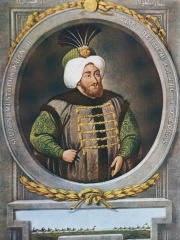
Mustafa II
1664 - 1703
HPI : 78.73
Rang : 548
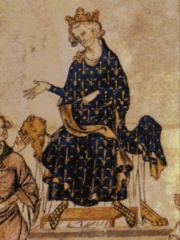
Philip VI of France
1293 - 1350
HPI : 78.72
Rang : 549
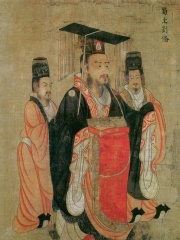
Liu Bei
161 - 223
HPI : 78.72
Rang : 550
Cambyses II
550 BC - 522 BC
HPI : 78.72
Rang : 551
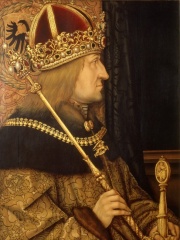
Frederick III, Holy Roman Emperor
1415 - 1493
HPI : 78.71
Rang : 552
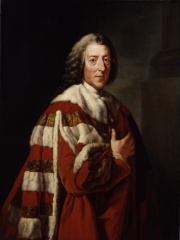
William Pitt, 1st Earl of Chatham
1708 - 1778
HPI : 78.70
Rang : 553
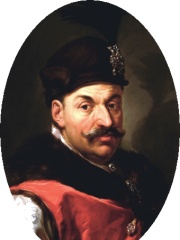
Stephen Báthory
1533 - 1586
HPI : 78.70
Rang : 554
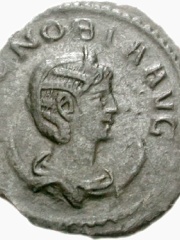
Zenobia
240 - 275
HPI : 78.70
Rang : 555
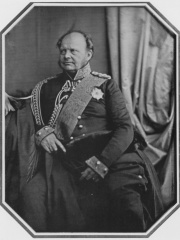
Frederick William IV of Prussia
1795 - 1861
HPI : 78.69
Rang : 556
Ashraf Ghani
1949 - présent
HPI : 78.69
Rang : 557

Contemporains
Parmi les personnes nées en 550 BC, Cambyse II occupe le rang 2. Avant lui vient Darius the Great. Après lui viennent Zechariah, Hecataeus of Miletus, Aristides, Haggai, Ephialtes of Trachis, Himilco, Mahākāśyapa, Alcetas I of Macedon, Atossa, et Labashi-Marduk. Parmi les personnes décédées en 522 BC, Cambyse II occupe le rang 1. Après lui viennent Bardiya, et Nebuchadnezzar III.
Autres personnes nées en 550 BC
Voir tous les classements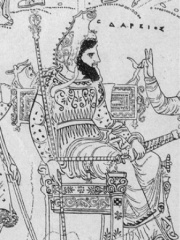
Darius the Great
POLITICIAN
550 BC - 486 BC
HPI : 87.66
Rang : 1
Cambyses II
POLITICIAN
550 BC - 522 BC
HPI : 78.72
Rang : 2

Zechariah
RELIGIOUS FIGURE
550 BC - 401 BC
HPI : 78.56
Rang : 3
Hecataeus of Miletus
HISTORIAN
550 BC - 476 BC
HPI : 76.89
Rang : 4
Aristides
POLITICIAN
550 BC - 467 BC
HPI : 73.93
Rang : 5
Haggai
RELIGIOUS FIGURE
550 BC - présent
HPI : 73.68
Rang : 6

Ephialtes of Trachis
POLITICIAN
550 BC - 480 BC
HPI : 71.49
Rang : 7

Himilco
EXPLORER
550 BC - 500 BC
HPI : 71.23
Rang : 8
Mahākāśyapa
RELIGIOUS FIGURE
550 BC - 549 BC
HPI : 71.13
Rang : 9

Alcetas I of Macedon
POLITICIAN
550 BC - 600 BC
HPI : 69.87
Rang : 10
Atossa
POLITICIAN
550 BC - 475 BC
HPI : 69.51
Rang : 11

Labashi-Marduk
POLITICIAN
550 BC - 556 BC
HPI : 66.80
Rang : 12
Autres personnes décédées en 522 BC
Voir tous les classementsCambyses II
POLITICIAN
550 BC - 522 BC
HPI : 78.72
Rang : 1
Bardiya
POLITICIAN
580 BC - 522 BC
HPI : 68.66
Rang : 2
Nebuchadnezzar III
POLITICIAN
600 BC - 522 BC
HPI : 64.03
Rang : 3
En Iran
Parmi les personnes nées en Iran, Cambyse II occupe le rang 21 sur 800. Avant lui viennent Hafez (1325), Ismail I (1487), Abdul Qadir Gilani (1078), Ulugh Beg (1394), Muhammad ibn Zakariya al-Razi (865), et Hasan-i Sabbah (1050). Après lui viennent Al-Tabari (839), Bodhidharma (483), Malik-Shah I (1055), Tughril (990), Xerxes II of Persia (-500), et Tahmasp I (1514).
Autres personnes nées en Iran
Voir tous les classements
Hafez
WRITER
1325 - 1389
HPI : 80.96
Rang : 15
Ismail I
WRITER
1487 - 1524
HPI : 80.93
Rang : 16
Abdul Qadir Gilani
RELIGIOUS FIGURE
1078 - 1166
HPI : 79.64
Rang : 17
Ulugh Beg
ASTRONOMER
1394 - 1449
HPI : 79.20
Rang : 18
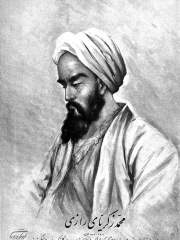
Muhammad ibn Zakariya al-Razi
PHYSICIAN
865 - 925
HPI : 79.17
Rang : 19
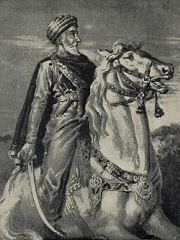
Hasan-i Sabbah
RELIGIOUS FIGURE
1050 - 1124
HPI : 79.08
Rang : 20
Cambyses II
POLITICIAN
550 BC - 522 BC
HPI : 78.72
Rang : 21

Al-Tabari
PHILOSOPHER
839 - 923
HPI : 78.71
Rang : 22

Bodhidharma
PHILOSOPHER
483 - 540
HPI : 78.17
Rang : 23
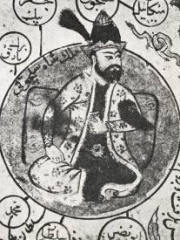
Malik-Shah I
POLITICIAN
1055 - 1092
HPI : 78.06
Rang : 24
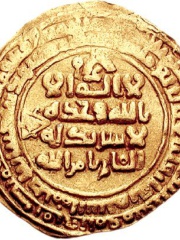
Tughril
MILITARY PERSONNEL
990 - 1063
HPI : 77.61
Rang : 25
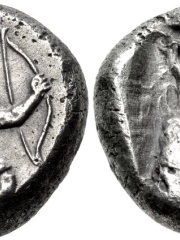
Xerxes II of Persia
POLITICIAN
500 BC - 424 BC
HPI : 77.43
Rang : 26
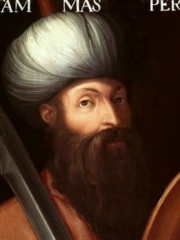
Tahmasp I
POLITICIAN
1514 - 1576
HPI : 77.27
Rang : 27
Parmi les Politicien en Iran
Parmi les Politicien nés en Iran, Cambyse II occupe le rang 7. Avant lui viennent Xerxes I (-519), Cyrus the Great (-600), Harun al-Rashid (766), Mohammad Reza Pahlavi (1919), Darius III (-380), et Ali Khamenei (1939). Après lui viennent Malik-Shah I (1055), Xerxes II of Persia (-500), Tahmasp I (1514), Khosrow I (501), Nader Shah (1688), et Nizam al-Mulk (1018).
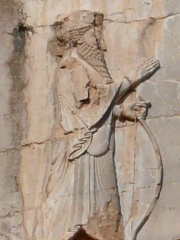
Xerxes I
519 BC - 475 BC
HPI : 87.97
Rang : 1
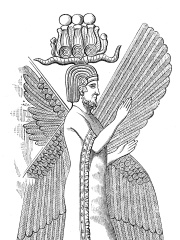
Cyrus the Great
600 BC - 530 BC
HPI : 86.91
Rang : 2
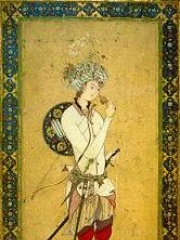
Harun al-Rashid
766 - 809
HPI : 82.20
Rang : 3
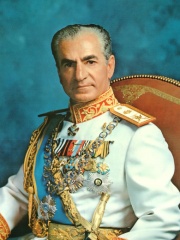
Mohammad Reza Pahlavi
1919 - 1980
HPI : 82.03
Rang : 4
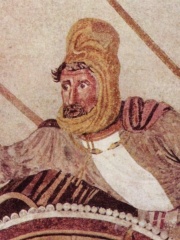
Darius III
380 BC - 330 BC
HPI : 81.71
Rang : 5
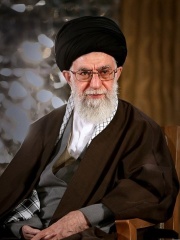
Ali Khamenei
1939 - 2026
HPI : 81.36
Rang : 6
Cambyses II
550 BC - 522 BC
HPI : 78.72
Rang : 7
Malik-Shah I
1055 - 1092
HPI : 78.06
Rang : 8
Xerxes II of Persia
500 BC - 424 BC
HPI : 77.43
Rang : 9
Tahmasp I
1514 - 1576
HPI : 77.27
Rang : 10
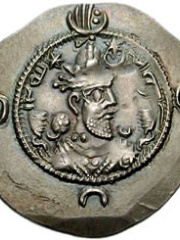
Khosrow I
501 - 579
HPI : 77.21
Rang : 11
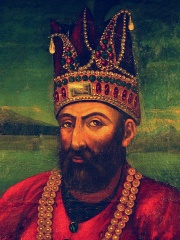
Nader Shah
1688 - 1747
HPI : 76.87
Rang : 12
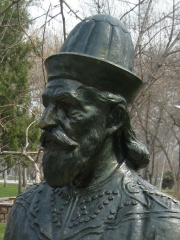
Nizam al-Mulk
1018 - 1092
HPI : 76.49
Rang : 13




