Политик
Apepi
1600 BC - 1549 BC
ПРОСМОТРЫ RU.WIKIPEDIA (PV)

 Apepi
Apepi
Его биография доступна на 34 различных языках в Википедии (рост с 32 в 2024 году). Apepi занимает 2386-е место среди самых популярных политик (рост с 3292-е места в 2024 году), занимает 129-е место среди самых популярных биографий из Египета (рост с 177-е места в 2019 году) и занимает 57-е место среди политик Египет.
Метрики памятности
42k
Просмотры страниц
За последние 12 месяцев
71.15
HPI
Индекс исторической популярности
Интересные факты
+2,774
Apepi поднялся на 2,774 позиций в мировом рейтинге HPI Pantheon, с 10,287-го на 7,519-е место.
Просмотры страницы Apepi по языкам
Среди представителей профессии «Политик»
Среди представителей профессии «Политик» Apepi занимает 2,385-е место из 20,022. Перед ним идут Sahure, Sogdianus of Persia, Peter IV of Aragon, Gülnuş Sultan, Kurt Daluege, и Afonso VI of Portugal. После него идут Jayavarman VII, Cetshwayo kaMpande, Michael IX Palaiologos, Khasekhemwy, Jan Masaryk, и Mikhail Suslov.
Самые популярные в Википедии: Политик
Все рейтинги
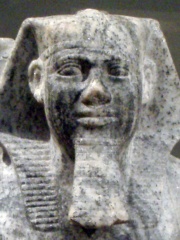
Sahure
2500 BC - 2490 BC
HPI: 71.17
Место: 2,380
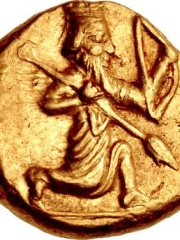
Sogdianus of Persia
500 BC - 423 BC
HPI: 71.17
Место: 2,381

Peter IV of Aragon
1319 - 1387
HPI: 71.17
Место: 2,382
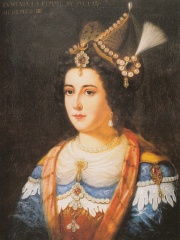
Gülnuş Sultan
1642 - 1715
HPI: 71.16
Место: 2,383
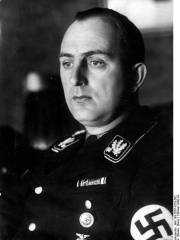
Kurt Daluege
1897 - 1946
HPI: 71.16
Место: 2,384

Afonso VI of Portugal
1643 - 1683
HPI: 71.16
Место: 2,385
Apepi
1600 BC - 1549 BC
HPI: 71.15
Место: 2,386
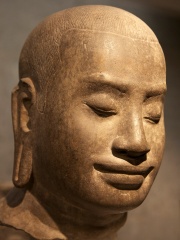
Jayavarman VII
1125 - 1218
HPI: 71.15
Место: 2,387
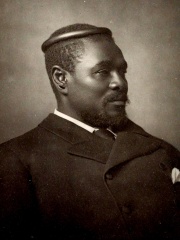
Cetshwayo kaMpande
1826 - 1884
HPI: 71.14
Место: 2,388
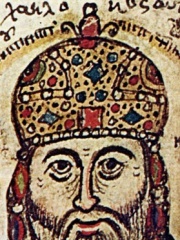
Michael IX Palaiologos
1277 - 1320
HPI: 71.14
Место: 2,389
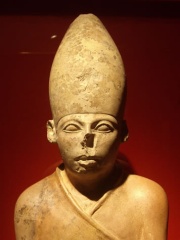
Khasekhemwy
2800 BC - 2686 BC
HPI: 71.14
Место: 2,390
Jan Masaryk
1886 - 1948
HPI: 71.14
Место: 2,391
Mikhail Suslov
1902 - 1982
HPI: 71.13
Место: 2,392

Современники
Среди людей, родившихся в 1600 BC году, Apepi занимает 5-е место. Перед ним идут Thutmose I, Seqenenre Tao, Senakhtenre Ahmose, и Kamose. После него идут Senenmut, Telipinu, Tetisheri, Ammuna, Zhong Ding, Ahmose, son of Ebana, и He Dan Jia. Среди людей, умерших в 1549 BC году, Apepi занимает 2-е место. Перед ним идёт Kamose. После него идёт Yi Yin.
Другие люди, родившиеся в 1600 BC году
Все рейтинги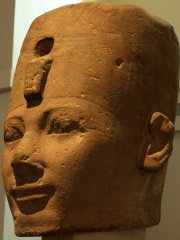
Thutmose I
POLITICIAN
1600 BC - 1493 BC
HPI: 76.46
Место: 1
Seqenenre Tao
POLITICIAN
1600 BC - 1600 BC
HPI: 75.63
Место: 2
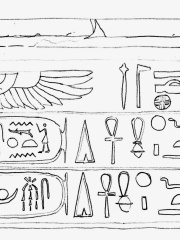
Senakhtenre Ahmose
POLITICIAN
1600 BC - 1600 BC
HPI: 72.21
Место: 3
Kamose
POLITICIAN
1600 BC - 1549 BC
HPI: 72.17
Место: 4
Apepi
POLITICIAN
1600 BC - 1549 BC
HPI: 71.15
Место: 5
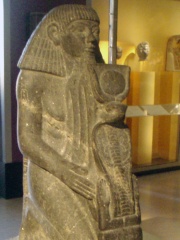
Senenmut
ARCHITECT
1600 BC - 1463 BC
HPI: 68.57
Место: 6
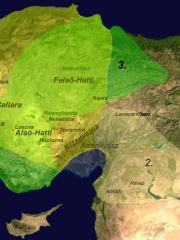
Telipinu
POLITICIAN
1600 BC - 1600 BC
HPI: 68.55
Место: 7
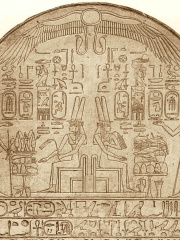
Tetisheri
POLITICIAN
1600 BC - 1540 BC
HPI: 67.40
Место: 8

Ammuna
POLITICIAN
1600 BC - 1530 BC
HPI: 63.99
Место: 9

Zhong Ding
POLITICIAN
1600 BC - 1600 BC
HPI: 63.67
Место: 10
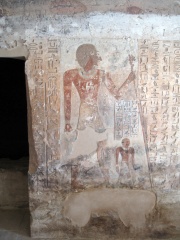
Ahmose, son of Ebana
NOBLEMAN
1600 BC - 1501 BC
HPI: 63.41
Место: 11

He Dan Jia
POLITICIAN
1600 BC - 1535 BC
HPI: 63.29
Место: 12
Другие люди, умершие в 1549 BC году
Все рейтинги
В стране Египет
Среди людей, родившихся в стране Египет, Apepi занимает 129-е место из 773. Перед ним идут Macarius of Egypt (300), Abbas II of Egypt (1874), Shepseskaf (-2600), Ammonius Saccas (175), Ctesibius (-284), и Pope Theophilus of Alexandria (310). После него идут Sekhemkhet (-2800), Ibn Hajar al-‘Asqalani (1372), Isetnofret (-1250), Setnakhte (-1300), Shoshenq II (-1000), и Pope Peter I of Alexandria (300).
Другие люди, родившиеся в стране Египет
Все рейтинги
Macarius of Egypt
RELIGIOUS FIGURE
300 - 391
HPI: 71.38
Место: 123
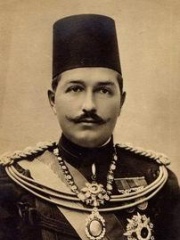
Abbas II of Egypt
POLITICIAN
1874 - 1944
HPI: 71.37
Место: 124
Shepseskaf
POLITICIAN
2600 BC - 2499 BC
HPI: 71.31
Место: 125

Ammonius Saccas
PHILOSOPHER
175 - 242
HPI: 71.27
Место: 126
Ctesibius
MATHEMATICIAN
284 BC - 221 BC
HPI: 71.22
Место: 127
Pope Theophilus of Alexandria
RELIGIOUS FIGURE
310 - 412
HPI: 71.21
Место: 128
Apepi
POLITICIAN
1600 BC - 1549 BC
HPI: 71.15
Место: 129
Sekhemkhet
POLITICIAN
2800 BC - 2700 BC
HPI: 71.03
Место: 130

Ibn Hajar al-‘Asqalani
HISTORIAN
1372 - 1449
HPI: 70.98
Место: 131
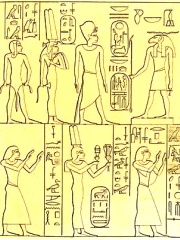
Isetnofret
POLITICIAN
1250 BC - наст. время
HPI: 70.91
Место: 132
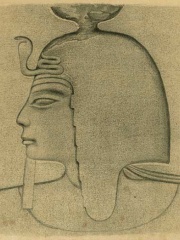
Setnakhte
NOBLEMAN
1300 BC - 1188 BC
HPI: 70.70
Место: 133
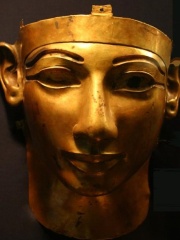
Shoshenq II
POLITICIAN
1000 BC - 889 BC
HPI: 70.68
Место: 134
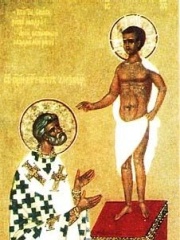
Pope Peter I of Alexandria
RELIGIOUS FIGURE
300 - 311
HPI: 70.60
Место: 135
Среди представителей профессии «Политик» в стране Египет
Среди представителей профессии «Политик», родившихся в стране Египет, Apepi занимает 57-е место. Перед ним идут Amenhotep II (-1401), Alexander Helios (-40), Userkaf (-2600), Mohamed Hussein Tantawi (1935), Abbas II of Egypt (1874), и Shepseskaf (-2600). После него идут Sekhemkhet (-2800), Isetnofret (-1250), Shoshenq II (-1000), Al-Aziz Uthman (1171), Nawal El Saadawi (1931), и Nectanebo II (-400).
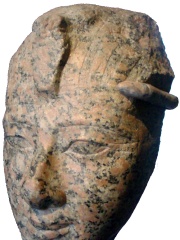
Amenhotep II
1401 BC - 1401 BC
HPI: 71.80
Место: 51
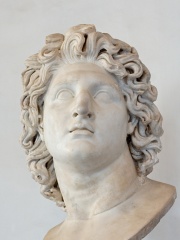
Alexander Helios
40 BC - 25 BC
HPI: 71.79
Место: 52
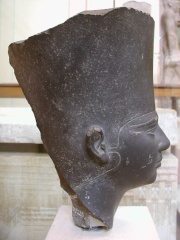
Userkaf
2600 BC - 2500 BC
HPI: 71.73
Место: 53
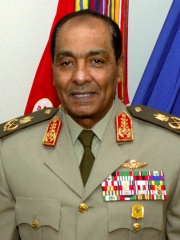
Mohamed Hussein Tantawi
1935 - 2021
HPI: 71.62
Место: 54
Abbas II of Egypt
1874 - 1944
HPI: 71.37
Место: 55
Shepseskaf
2600 BC - 2499 BC
HPI: 71.31
Место: 56
Apepi
1600 BC - 1549 BC
HPI: 71.15
Место: 57
Sekhemkhet
2800 BC - 2700 BC
HPI: 71.03
Место: 58
Isetnofret
1250 BC - наст. время
HPI: 70.91
Место: 59
Shoshenq II
1000 BC - 889 BC
HPI: 70.68
Место: 60

Al-Aziz Uthman
1171 - 1198
HPI: 70.51
Место: 61
Nawal El Saadawi
1931 - 2021
HPI: 70.13
Место: 62
Nectanebo II
400 BC - 343 BC
HPI: 70.02
Место: 63




