Politico
Sobekemsaf I
1650 BC - 1603 BC
VISUALIZZAZIONI SU IT.WIKIPEDIA (PV)
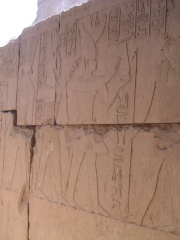
 Sobekemsaf I
La sua biografia è disponibile in 23 lingue su Wikipedia (in aumento rispetto a 21 nel 2024). Sobekemsaf I è il 12547° politico più popolare (in calo dal 9384° nel 2024), la 433ª biografia più popolare dell'Egitto (in calo dal 356ª nel 2019) e il 190° politico più popolare dell'Egitto.
Metriche di memorabilità
19k
Visualizzazioni
Ultimi 12 mesi
58.78
HPI
Indice di popolarità storica
Dati in evidenza
23
La biografia di Sobekemsaf I copre 23 edizioni linguistiche di Wikipedia e ottiene un Indice di Popolarità Storica di 58.78.
Visualizzazioni della pagina di Sobekemsaf I per lingua
Tra Politico
Tra Politico, Sobekemsaf I occupa la posizione 12,541 su 20,022. Prima di lui ci sono John Ernest, Duke of Saxe-Eisenach, Benita Ferrero-Waldner, Gabriela von Habsburg, Ramush Haradinaj, Louis de Buade de Frontenac, e Juan N. Méndez. Dopo di lui ci sono Rustam Minnikhanov, Jacob Nena, Marino Morosini, Kurt Hahn, Alexander, Prince of Lippe, e Banharn Silpa-archa.
Politico più popolari su Wikipedia
Vai a tutte le classifiche
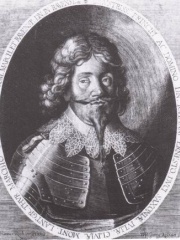
John Ernest, Duke of Saxe-Eisenach
1566 - 1638
HPI: 58.78
Posizione: 12,541
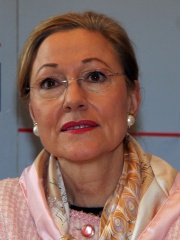
Benita Ferrero-Waldner
1948 - presente
HPI: 58.78
Posizione: 12,542

Gabriela von Habsburg
1956 - presente
HPI: 58.78
Posizione: 12,543
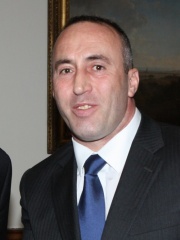
Ramush Haradinaj
1968 - presente
HPI: 58.78
Posizione: 12,544
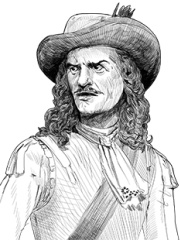
Louis de Buade de Frontenac
1622 - 1698
HPI: 58.78
Posizione: 12,545
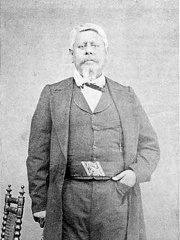
Juan N. Méndez
1820 - 1894
HPI: 58.78
Posizione: 12,546
Sobekemsaf I
1650 BC - 1603 BC
HPI: 58.78
Posizione: 12,547
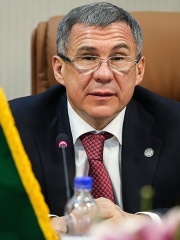
Rustam Minnikhanov
1957 - presente
HPI: 58.77
Posizione: 12,548
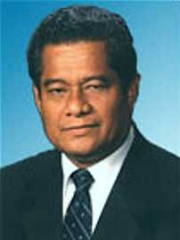
Jacob Nena
1941 - 2022
HPI: 58.77
Posizione: 12,549
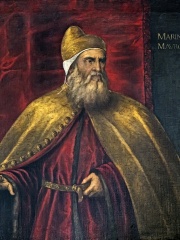
Marino Morosini
1181 - 1253
HPI: 58.77
Posizione: 12,550
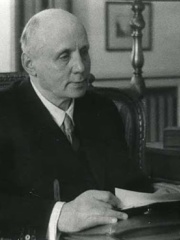
Kurt Hahn
1886 - 1974
HPI: 58.77
Posizione: 12,551
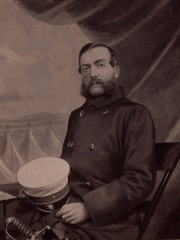
Alexander, Prince of Lippe
1831 - 1905
HPI: 58.77
Posizione: 12,552
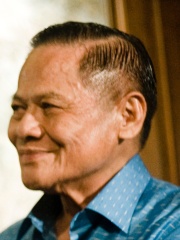
Banharn Silpa-archa
1932 - 2016
HPI: 58.77
Posizione: 12,553

Contemporanei
Tra le persone nate nel 1650 BC, Sobekemsaf I occupa la posizione 5. Prima di lui ci sono Rahotep, Labarna I, Djehuti, e Merneferre Ay. Dopo di lui ci sono PU-Sarruma, Sankhenre Sewadjtu, Merhotepre Ini, e Seankhenre Mentuhotepi. Tra le persone decedute nel 1603 BC, Sobekemsaf I occupa la posizione 1.
Altre persone nate nel 1650 BC
Vai a tutte le classifiche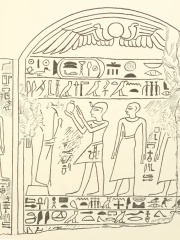
Rahotep
RELIGIOUS FIGURE
1650 BC - presente
HPI: 65.99
Posizione: 1
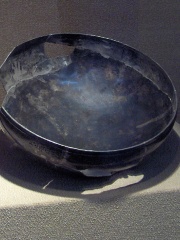
Labarna I
POLITICIAN
1650 BC - 1600 BC
HPI: 65.16
Posizione: 2
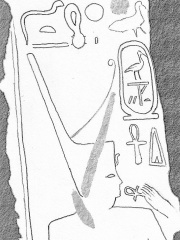
Djehuti
POLITICIAN
1650 BC - presente
HPI: 62.54
Posizione: 3
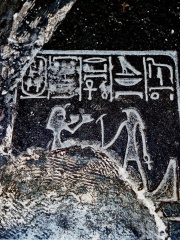
Merneferre Ay
POLITICIAN
1650 BC - presente
HPI: 61.56
Posizione: 4
Sobekemsaf I
POLITICIAN
1650 BC - 1603 BC
HPI: 58.78
Posizione: 5

PU-Sarruma
POLITICIAN
1650 BC - 1700 BC
HPI: 57.90
Posizione: 6

Sankhenre Sewadjtu
POLITICIAN
1650 BC - 1700 BC
HPI: 57.05
Posizione: 7
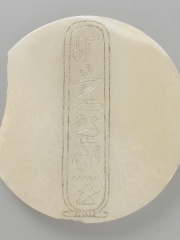
Merhotepre Ini
POLITICIAN
1650 BC - presente
HPI: 56.80
Posizione: 8
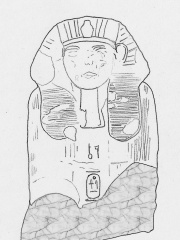
Seankhenre Mentuhotepi
POLITICIAN
1650 BC - presente
HPI: 55.62
Posizione: 9
Altre persone decedute nel 1603 BC
Vai a tutte le classificheIn Egitto
Tra le persone nate in Egitto, Sobekemsaf I occupa la posizione 433 su 773. Prima di lui ci sono Aisha Taymur (1840), Albert Cossery (1913), Pope Achillas of Alexandria (300), Zainab al Ghazali (1917), Mostafa El-Nahas (1879), e Alaa Al Aswany (1957). Dopo di lui ci sono Lajin (1300), Sayf ad-Din Inal (1380), Ibrahim Moustafa (1904), Michel Pablo (1911), Inji Aflatoun (1924), e André Aciman (1951).
Altre persone nate in Egitto
Vai a tutte le classifiche
Aisha Taymur
WRITER
1840 - 1902
HPI: 58.98
Posizione: 427

Albert Cossery
WRITER
1913 - 2008
HPI: 58.95
Posizione: 428

Pope Achillas of Alexandria
RELIGIOUS FIGURE
300 - 313
HPI: 58.86
Posizione: 429
Zainab al Ghazali
POLITICIAN
1917 - 2005
HPI: 58.84
Posizione: 430
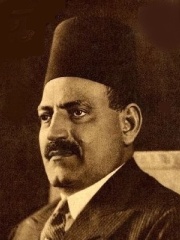
Mostafa El-Nahas
POLITICIAN
1879 - 1965
HPI: 58.84
Posizione: 431
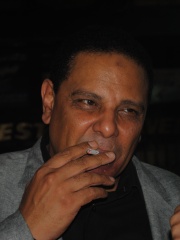
Alaa Al Aswany
WRITER
1957 - presente
HPI: 58.81
Posizione: 432
Sobekemsaf I
POLITICIAN
1650 BC - 1603 BC
HPI: 58.78
Posizione: 433
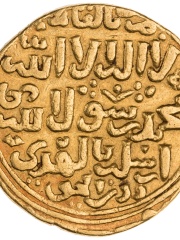
Lajin
POLITICIAN
1300 - 1299
HPI: 58.75
Posizione: 434
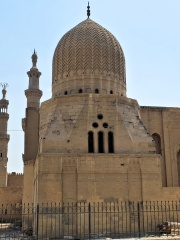
Sayf ad-Din Inal
POLITICIAN
1380 - 1461
HPI: 58.69
Posizione: 435
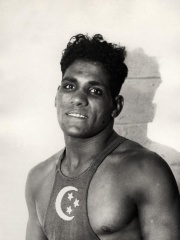
Ibrahim Moustafa
WRESTLER
1904 - 1968
HPI: 58.68
Posizione: 436

Michel Pablo
POLITICAL SCIENTIST
1911 - 1996
HPI: 58.62
Posizione: 437

Inji Aflatoun
PAINTER
1924 - 1989
HPI: 58.62
Posizione: 438
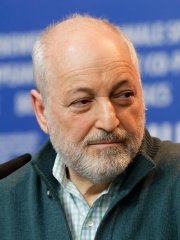
André Aciman
WRITER
1951 - presente
HPI: 58.60
Posizione: 439
Tra Politico in Egitto
Tra Politico nati in Egitto, Sobekemsaf I occupa la posizione 190. Prima di lui ci sono Al-Mansur Abu Bakr (1321), Atef Ebeid (1932), Al-Mustamsik (null), Khalid al-Islambouli (1955), Zainab al Ghazali (1917), e Mostafa El-Nahas (1879). Dopo di lui ci sono Lajin (1300), Sayf ad-Din Inal (1380), Osorkon IV (-800), Al-Ashraf Sha'ban (1353), Zakaria Mohieddin (1918), e Mustafa Khalil (1920).

Al-Mansur Abu Bakr
1321 - 1341
HPI: 59.52
Posizione: 184
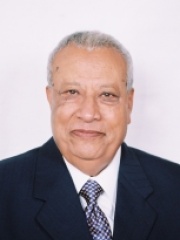
Atef Ebeid
1932 - 2014
HPI: 59.49
Posizione: 185

Al-Mustamsik
HPI: 59.49
Posizione: 186
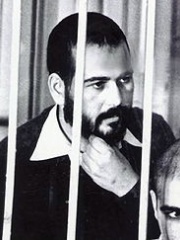
Khalid al-Islambouli
1955 - 1982
HPI: 59.43
Posizione: 187
Zainab al Ghazali
1917 - 2005
HPI: 58.84
Posizione: 188
Mostafa El-Nahas
1879 - 1965
HPI: 58.84
Posizione: 189
Sobekemsaf I
1650 BC - 1603 BC
HPI: 58.78
Posizione: 190
Lajin
1300 - 1299
HPI: 58.75
Posizione: 191
Sayf ad-Din Inal
1380 - 1461
HPI: 58.69
Posizione: 192
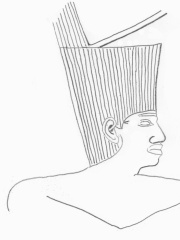
Osorkon IV
800 BC - 800 BC
HPI: 58.26
Posizione: 193
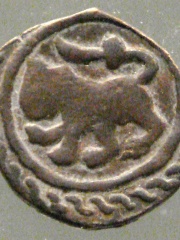
Al-Ashraf Sha'ban
1353 - 1377
HPI: 58.22
Posizione: 194
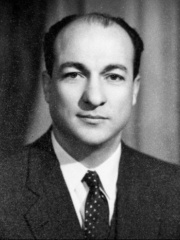
Zakaria Mohieddin
1918 - 2012
HPI: 58.09
Posizione: 195
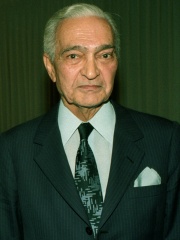
Mustafa Khalil
1920 - 2008
HPI: 57.72
Posizione: 196




