Religious Figure
Abdul Qadir Gilani
Persian Hanbali jurist and Sufi based in Baghdad
1078 - 1166
EN.WIKIPEDIA PAGE VIEWS (PV)

 Abdul Qadir Gilani
His biography is available in 52 different languages on Wikipedia (up from 49 in 2024). Abdul Qadir Gilani is the 213th most popular religious figure (down from 184th in 2024), the 17th most popular biography from Iran (up from 21st in 2019) and the 5th most popular Iranian Religious Figure.
Abdul qadir gilani is most famous for being the founder of the qadiriya order, which is one of the largest Sufi orders in the world.
Memorability Metrics
710k
Page Views
Past 12 months
79.64
HPI
Historical Popularity Index
Page views of Abdul Qadir Gilani by language
Among Religious Figures
Among religious figures, Abdul Qadir Gilani ranks 213 out of 3,187. Before him are Philip Melanchthon, Margaret the Virgin, Pope Alexander I, Pope John XIX, Thérèse of Lisieux, and Pope Pius I. After him are Pope Sixtus II, Saint Blaise, Pope John VIII, Salome, Pope Honorius III, and Pope Alexander III.
Most Popular Religious Figures in Wikipedia
Go to all Rankings

Philip Melanchthon
1497 - 1560
HPI: 79.75
Rank: 207

Margaret the Virgin
292 - 307
HPI: 79.75
Rank: 208
Pope Alexander I
100 - 116
HPI: 79.74
Rank: 209
Pope John XIX
975 - 1032
HPI: 79.74
Rank: 210
Thérèse of Lisieux
1873 - 1897
HPI: 79.67
Rank: 211
Pope Pius I
90 - 154
HPI: 79.67
Rank: 212
Abdul Qadir Gilani
1078 - 1166
HPI: 79.64
Rank: 213
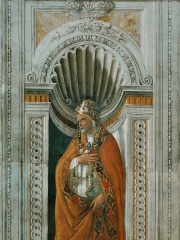
Pope Sixtus II
215 - 258
HPI: 79.64
Rank: 214

Saint Blaise
300 - 316
HPI: 79.63
Rank: 215
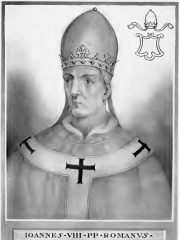
Pope John VIII
820 - 882
HPI: 79.61
Rank: 216

Salome
14 - 100
HPI: 79.59
Rank: 217

Pope Honorius III
1148 - 1227
HPI: 79.58
Rank: 218

Pope Alexander III
1100 - 1181
HPI: 79.54
Rank: 219

Contemporaries
Among people born in 1078, Abdul Qadir Gilani ranks 1. After him are Al-Mustazhir, Alexander I of Scotland, Felicia of Sicily, and Constance of France, Princess of Antioch. Among people deceased in 1166, Abdul Qadir Gilani ranks 1. After him are Ahmad Yasawi, Saint Rosalia, William I of Sicily, Ramon Berenguer II, Count of Provence, Constantine Angelos, and Yasovarman II.
Others Born in 1078
Go to all RankingsAbdul Qadir Gilani
RELIGIOUS FIGURE
1078 - 1166
HPI: 79.64
Rank: 1
Al-Mustazhir
POLITICIAN
1078 - 1118
HPI: 65.49
Rank: 2

Alexander I of Scotland
POLITICIAN
1078 - 1124
HPI: 64.95
Rank: 3

Felicia of Sicily
NOBLEMAN
1078 - 1102
HPI: 59.48
Rank: 4

Constance of France, Princess of Antioch
POLITICIAN
1078 - 1126
HPI: 59.41
Rank: 5
Others Deceased in 1166
Go to all RankingsAbdul Qadir Gilani
RELIGIOUS FIGURE
1078 - 1166
HPI: 79.64
Rank: 1
Ahmad Yasawi
WRITER
1103 - 1166
HPI: 73.29
Rank: 2

Saint Rosalia
RELIGIOUS FIGURE
1130 - 1166
HPI: 72.61
Rank: 3
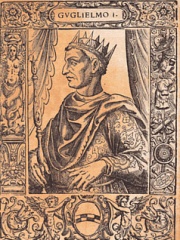
William I of Sicily
POLITICIAN
1126 - 1166
HPI: 69.84
Rank: 4

Ramon Berenguer II, Count of Provence
NOBLEMAN
1136 - 1166
HPI: 60.63
Rank: 5

Constantine Angelos
MILITARY PERSONNEL
1093 - 1166
HPI: 59.13
Rank: 6

Yasovarman II
NOBLEMAN
1100 - 1166
HPI: 57.71
Rank: 7
In Iran
Among people born in Iran, Abdul Qadir Gilani ranks 17 out of NaN. Before him are Darius III (-380), Ali Khamenei (1939), Bahá'u'lláh (1817), Esther (-600), Hafez (1325), and Ismail I (1487). After him are Ulugh Beg (1394), Muhammad ibn Zakariya al-Razi (865), Hasan-i Sabbah (1050), Cambyses II (-550), Al-Tabari (839), and Bodhidharma (483).
Others born in Iran
Go to all Rankings
Darius III
POLITICIAN
380 BC - 330 BC
HPI: 81.71
Rank: 11

Ali Khamenei
POLITICIAN
1939 - 2026
HPI: 81.36
Rank: 12
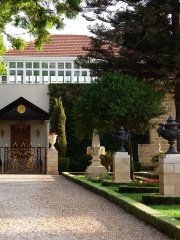
Bahá'u'lláh
RELIGIOUS FIGURE
1817 - 1892
HPI: 81.34
Rank: 13

Esther
RELIGIOUS FIGURE
600 BC - 500 BC
HPI: 81.25
Rank: 14

Hafez
WRITER
1325 - 1389
HPI: 80.96
Rank: 15

Ismail I
WRITER
1487 - 1524
HPI: 80.93
Rank: 16
Abdul Qadir Gilani
RELIGIOUS FIGURE
1078 - 1166
HPI: 79.64
Rank: 17
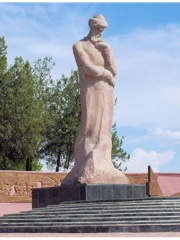
Ulugh Beg
ASTRONOMER
1394 - 1449
HPI: 79.20
Rank: 18
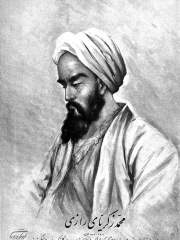
Muhammad ibn Zakariya al-Razi
PHYSICIAN
865 - 925
HPI: 79.17
Rank: 19
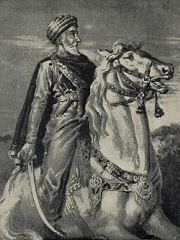
Hasan-i Sabbah
RELIGIOUS FIGURE
1050 - 1124
HPI: 79.08
Rank: 20

Cambyses II
POLITICIAN
550 BC - 522 BC
HPI: 78.72
Rank: 21

Al-Tabari
PHILOSOPHER
839 - 923
HPI: 78.71
Rank: 22

Bodhidharma
PHILOSOPHER
483 - 540
HPI: 78.17
Rank: 23
Among Religious Figures In Iran
Among religious figures born in Iran, Abdul Qadir Gilani ranks 5. Before him are Zoroaster (-2000), Ruhollah Khomeini (1902), Bahá'u'lláh (1817), and Esther (-600). After him are Hasan-i Sabbah (1050), Muslim ibn al-Hajjaj (817), Báb (1819), Ibn Majah (824), `Abdu'l-Bahá (1844), Mordecai (null), and Sasan (200).
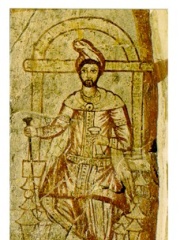
Zoroaster
2000 BC - 2000 BC
HPI: 85.42
Rank: 1
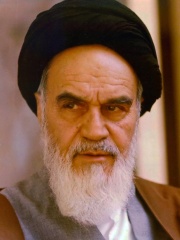
Ruhollah Khomeini
1902 - 1989
HPI: 83.10
Rank: 2
Bahá'u'lláh
1817 - 1892
HPI: 81.34
Rank: 3
Esther
600 BC - 500 BC
HPI: 81.25
Rank: 4
Abdul Qadir Gilani
1078 - 1166
HPI: 79.64
Rank: 5
Hasan-i Sabbah
1050 - 1124
HPI: 79.08
Rank: 6

Muslim ibn al-Hajjaj
817 - 875
HPI: 76.60
Rank: 7
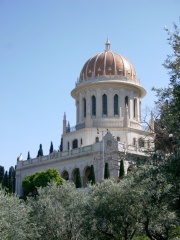
Báb
1819 - 1850
HPI: 73.80
Rank: 8

Ibn Majah
824 - 886
HPI: 72.73
Rank: 9
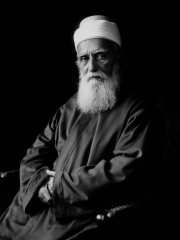
`Abdu'l-Bahá
1844 - 1921
HPI: 71.89
Rank: 10

Mordecai
HPI: 70.14
Rank: 11

Sasan
200 - 300
HPI: 67.65
Rank: 12




