Historyk
Publiusz Korneliusz Tacyt
54 - 120
WYŚWIETLENIA PL.WIKIPEDIA (PV)
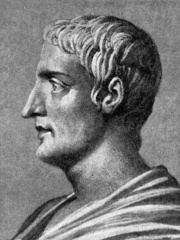
 Publiusz Korneliusz Tacyt
Jego biografia jest dostępna w 89 różnych językach w Wikipedii (wzrost z 88 w 2024 roku). Publiusz Korneliusz Tacyt jest 5. najpopularniejszym historyk (wzrost z 9. w 2024 roku), 84. najpopularniejszą biografią Francja (wzrost z 169. w 2019 roku) oraz najpopularniejszym historyk Francja.
Wskaźniki rozpoznawalności
670k
Wyświetlenia strony
Ostatnie 12 miesięcy
82.21
HPI
Indeks historycznej popularności
Wyświetlenia strony Publiusz Korneliusz Tacyt według języka
Wśród przedstawicieli zawodu Historyk
Wśród przedstawicieli zawodu „Historyk” Publiusz Korneliusz Tacyt zajmuje 5. miejsce na 561. Przed nim są Herodotus, Ibn Khaldun, Thucydides, i Sima Qian. Po nim są Xenophon, Livy, Josephus, Diodorus Siculus, Alexis de Tocqueville, Polybius, i Suetonius.
Najpopularniejsi w Wikipedii: Historyk
Zobacz wszystkie rankingi
Herodotus
484 BC - 425 BC
HPI: 90.06
Miejsce: 1
Ibn Khaldun
1332 - 1406
HPI: 86.74
Miejsce: 2
Thucydides
460 BC - 397 BC
HPI: 83.71
Miejsce: 3
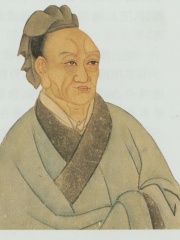
Sima Qian
145 BC - 86 BC
HPI: 83.52
Miejsce: 4
Tacitus
54 - 120
HPI: 82.21
Miejsce: 5
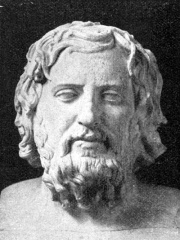
Xenophon
430 BC - 354 BC
HPI: 82.05
Miejsce: 6
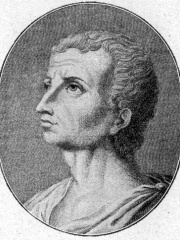
Livy
59 BC - 17
HPI: 81.96
Miejsce: 7
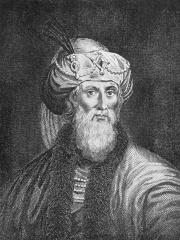
Josephus
37 - 100
HPI: 80.94
Miejsce: 8
Diodorus Siculus
90 BC - 30 BC
HPI: 79.20
Miejsce: 9
Alexis de Tocqueville
1805 - 1859
HPI: 78.33
Miejsce: 10
Polybius
208 BC - 126 BC
HPI: 77.83
Miejsce: 11
Suetonius
70 - 126
HPI: 77.79
Miejsce: 12

Współcześni
Wśród osób urodzonych w 54 roku Publiusz Korneliusz Tacyt zajmuje 1. miejsce. Wśród osób zmarłych w 120 roku Publiusz Korneliusz Tacyt zajmuje 1. miejsce. Po nim są Nicomachus, Dio Chrysostom, i Gaius Octavius Tidius Tossianus Lucius Javolenus Priscus.
Inne osoby urodzone w 54 roku
Zobacz wszystkie rankingiInne osoby zmarłe w 120 roku
Zobacz wszystkie rankingiTacitus
HISTORIAN
54 - 120
HPI: 82.21
Miejsce: 1
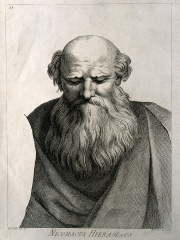
Nicomachus
MATHEMATICIAN
60 - 120
HPI: 70.80
Miejsce: 2

Dio Chrysostom
WRITER
40 - 120
HPI: 70.02
Miejsce: 3

Gaius Octavius Tidius Tossianus Lucius Javolenus Priscus
POLITICIAN
60 - 120
HPI: 60.03
Miejsce: 4
W kraju Francja
Wśród osób urodzonych w kraju Francja Publiusz Korneliusz Tacyt zajmuje 84. miejsce na NaN. Przed nim są Pope Urban II (1042), Edgar Degas (1834), Henry III of France (1551), Louis IX of France (1214), Henri Bergson (1859), i Prince Eugene of Savoy (1663). Po nim są Jacques Cartier (1491), Gilbert du Motier, Marquis de Lafayette (1757), Irène Joliot-Curie (1897), Pope Clement V (1264), Jacques-Louis David (1748), i Jean-Baptiste Lamarck (1744).
Inne osoby urodzone w kraju Francja
Zobacz wszystkie rankingi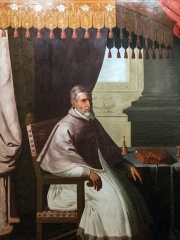
Pope Urban II
RELIGIOUS FIGURE
1042 - 1099
HPI: 82.49
Miejsce: 78
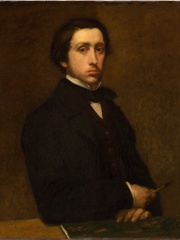
Edgar Degas
PAINTER
1834 - 1917
HPI: 82.47
Miejsce: 79
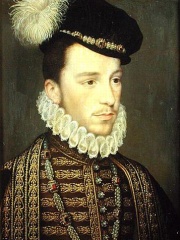
Henry III of France
POLITICIAN
1551 - 1589
HPI: 82.41
Miejsce: 80
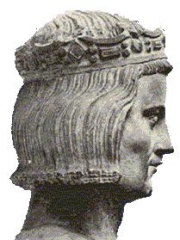
Louis IX of France
POLITICIAN
1214 - 1270
HPI: 82.35
Miejsce: 81
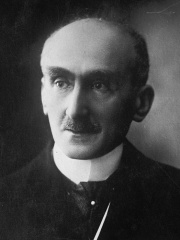
Henri Bergson
PHILOSOPHER
1859 - 1941
HPI: 82.22
Miejsce: 82
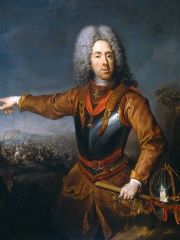
Prince Eugene of Savoy
MILITARY PERSONNEL
1663 - 1736
HPI: 82.21
Miejsce: 83
Tacitus
HISTORIAN
54 - 120
HPI: 82.21
Miejsce: 84
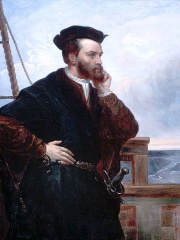
Jacques Cartier
EXPLORER
1491 - 1557
HPI: 82.21
Miejsce: 85
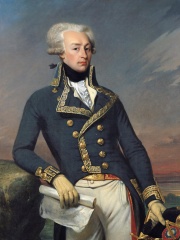
Gilbert du Motier, Marquis de Lafayette
MILITARY PERSONNEL
1757 - 1834
HPI: 82.19
Miejsce: 86
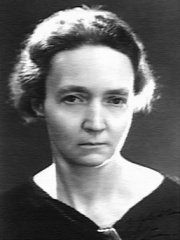
Irène Joliot-Curie
CHEMIST
1897 - 1956
HPI: 82.18
Miejsce: 87
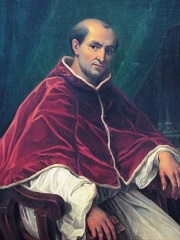
Pope Clement V
RELIGIOUS FIGURE
1264 - 1314
HPI: 82.11
Miejsce: 88
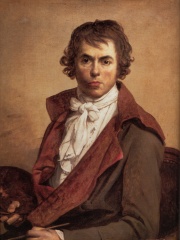
Jacques-Louis David
PAINTER
1748 - 1825
HPI: 82.11
Miejsce: 89
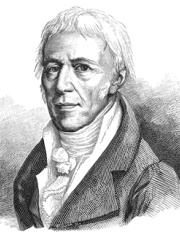
Jean-Baptiste Lamarck
BIOLOGIST
1744 - 1829
HPI: 82.06
Miejsce: 90
Wśród przedstawicieli zawodu Historyk w kraju Francja
Wśród przedstawicieli zawodu „Historyk” urodzonych w kraju Francja Publiusz Korneliusz Tacyt zajmuje 1. miejsce. Po nim są Alexis de Tocqueville (1805), Fernand Braudel (1902), Marc Bloch (1886), Hippolyte Taine (1828), Jacques Le Goff (1924), Lucien Febvre (1878), François Guizot (1787), Joseph Justus Scaliger (1540), Geoffrey of Villehardouin (1150), Gaston Maspero (1846), i Georges Duby (1919).
Tacitus
54 - 120
HPI: 82.21
Miejsce: 1
Alexis de Tocqueville
1805 - 1859
HPI: 78.33
Miejsce: 2
Fernand Braudel
1902 - 1985
HPI: 75.13
Miejsce: 3
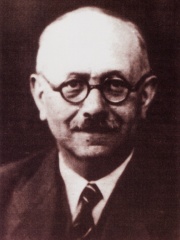
Marc Bloch
1886 - 1944
HPI: 73.38
Miejsce: 4
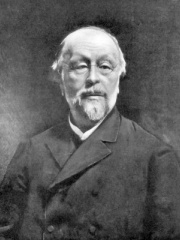
Hippolyte Taine
1828 - 1893
HPI: 73.03
Miejsce: 5
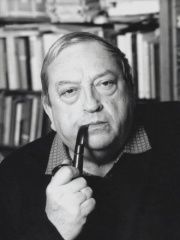
Jacques Le Goff
1924 - 2014
HPI: 72.92
Miejsce: 6
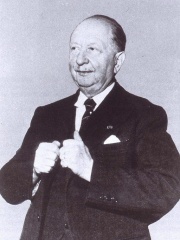
Lucien Febvre
1878 - 1956
HPI: 71.88
Miejsce: 7
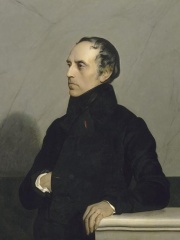
François Guizot
1787 - 1874
HPI: 71.51
Miejsce: 8
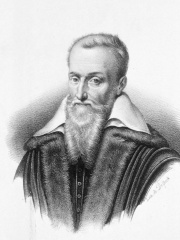
Joseph Justus Scaliger
1540 - 1609
HPI: 70.98
Miejsce: 9
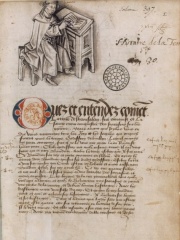
Geoffrey of Villehardouin
1150 - 1210
HPI: 69.24
Miejsce: 10
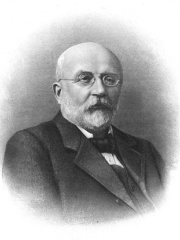
Gaston Maspero
1846 - 1916
HPI: 68.36
Miejsce: 11
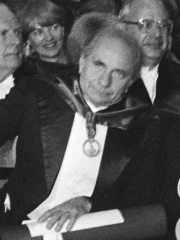
Georges Duby
1919 - 1996
HPI: 67.05
Miejsce: 12




