Postać religijna
Rabanus Maurus
780 - 856
WYŚWIETLENIA PL.WIKIPEDIA (PV)
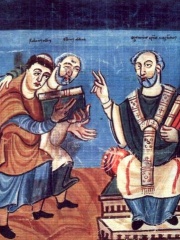
 Rabanus Maurus
Jego biografia jest dostępna w 39 różnych językach w Wikipedii (wzrost z 38 w 2024 roku). Rabanus Maurus jest 624. najpopularniejszym postać religijna (spadek z 576. w 2024 roku), 556. najpopularniejszą biografią Niemcy (spadek z 510. w 2019 roku) oraz 14. najpopularniejszym postać religijna Niemcy.
Wskaźniki rozpoznawalności
58k
Wyświetlenia strony
Ostatnie 12 miesięcy
71.88
HPI
Indeks historycznej popularności
Ciekawostki z danych
#556 / 8,184
Rabanus Maurus zajmuje 556. miejsce wśród 8,184 postaci w Pantheonie urodzonych w kraju Niemcy, w najlepszych 7% tej grupy.
Wyświetlenia strony Rabanus Maurus według języka
Wśród przedstawicieli zawodu Postać religijna
Wśród przedstawicieli zawodu „Postać religijna” Rabanus Maurus zajmuje 624. miejsce na 3,189. Przed nim są Rāhula, John Wesley, Abbas ibn Ali, Zayd ibn Thabit, Simon Magus, i `Abdu'l-Bahá. Po nim są Atiśa, Jacobus da Varagine, Thecla, Yusuf al-Qaradawi, Ali al-Hadi, i Djet.
Najpopularniejsi w Wikipedii: Postać religijna
Zobacz wszystkie rankingi

Rāhula
534 p.n.e. - 500 p.n.e.
HPI: 71.96
Miejsce: 618
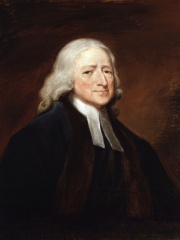
John Wesley
1703 - 1791
HPI: 71.96
Miejsce: 619

Abbas ibn Ali
647 - 680
HPI: 71.95
Miejsce: 620

Zayd ibn Thabit
615 - 665
HPI: 71.90
Miejsce: 621
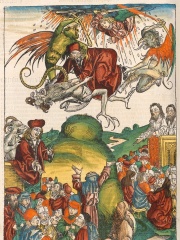
Simon Magus
50 - 65
HPI: 71.90
Miejsce: 622
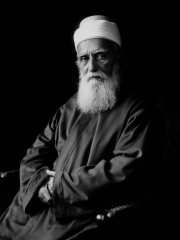
`Abdu'l-Bahá
1844 - 1921
HPI: 71.89
Miejsce: 623
Rabanus Maurus
780 - 856
HPI: 71.88
Miejsce: 624
Atiśa
982 - 1054
HPI: 71.86
Miejsce: 625
Jacobus da Varagine
1228 - 1298
HPI: 71.86
Miejsce: 626

Thecla
100 - 100
HPI: 71.86
Miejsce: 627

Yusuf al-Qaradawi
1926 - 2022
HPI: 71.85
Miejsce: 628

Ali al-Hadi
829 - 868
HPI: 71.84
Miejsce: 629
Djet
3000 p.n.e. - 2980 p.n.e.
HPI: 71.82
Miejsce: 630

Współcześni
Wśród osób urodzonych w 780 roku Rabanus Maurus zajmuje 5. miejsce. Przed nim są Muhammad ibn Musa al-Khwarizmi, Ahmad ibn Hanbal, Pope Eugene II, i Pope Valentine. Po nim są Frederick of Utrecht, Theodote, i Odo I, Count of Orléans. Wśród osób zmarłych w 856 roku Rabanus Maurus zajmuje 1. miejsce.
Inne osoby urodzone w 780 roku
Zobacz wszystkie rankingi
Muhammad ibn Musa al-Khwarizmi
MATHEMATICIAN
780 - 850
HPI: 90.62
Miejsce: 1

Ahmad ibn Hanbal
WRITER
780 - 855
HPI: 78.16
Miejsce: 2
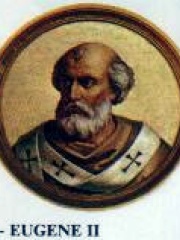
Pope Eugene II
RELIGIOUS FIGURE
780 - 827
HPI: 77.43
Miejsce: 3
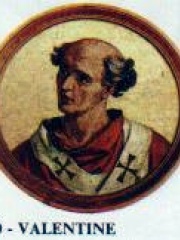
Pope Valentine
RELIGIOUS FIGURE
780 - 827
HPI: 74.71
Miejsce: 4
Rabanus Maurus
RELIGIOUS FIGURE
780 - 856
HPI: 71.88
Miejsce: 5
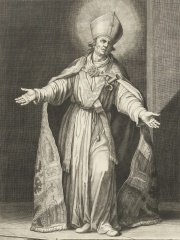
Frederick of Utrecht
RELIGIOUS FIGURE
780 - 838
HPI: 63.67
Miejsce: 6

Theodote
POLITICIAN
780 - 801
HPI: 63.04
Miejsce: 7

Odo I, Count of Orléans
POLITICIAN
780 - 834
HPI: 60.28
Miejsce: 8
Inne osoby zmarłe w 856 roku
Zobacz wszystkie rankingiW kraju Niemcy
Wśród osób urodzonych w kraju Niemcy Rabanus Maurus zajmuje 556. miejsce na 8,184. Przed nim są Louis II, Prince of Monaco (1870), Lucas Cranach the Younger (1515), Albert the Bear (1100), Louise Mountbatten (1889), Gerda Taro (1910), i Philipp Scheidemann (1865). Po nim są John Sigismund, Elector of Brandenburg (1572), Julius Lothar Meyer (1830), Gisela of Hungary (980), Victoria of Baden (1862), Friedrich Olbricht (1888), i Otto Frank (1889).
Inne osoby urodzone w kraju Niemcy
Zobacz wszystkie rankingi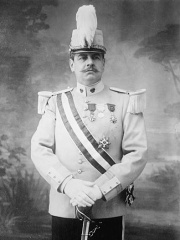
Louis II, Prince of Monaco
POLITICIAN
1870 - 1949
HPI: 71.92
Miejsce: 550
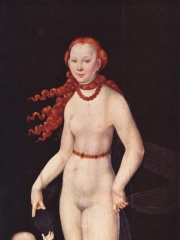
Lucas Cranach the Younger
PAINTER
1515 - 1586
HPI: 71.91
Miejsce: 551
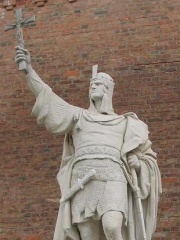
Albert the Bear
POLITICIAN
1100 - 1170
HPI: 71.90
Miejsce: 552
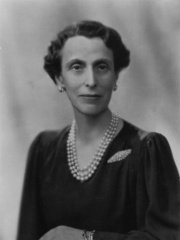
Louise Mountbatten
POLITICIAN
1889 - 1965
HPI: 71.90
Miejsce: 553

Gerda Taro
JOURNALIST
1910 - 1937
HPI: 71.89
Miejsce: 554
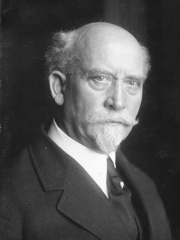
Philipp Scheidemann
POLITICIAN
1865 - 1939
HPI: 71.89
Miejsce: 555
Rabanus Maurus
RELIGIOUS FIGURE
780 - 856
HPI: 71.88
Miejsce: 556
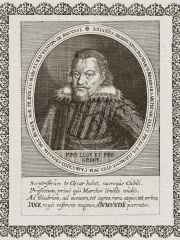
John Sigismund, Elector of Brandenburg
POLITICIAN
1572 - 1619
HPI: 71.87
Miejsce: 557
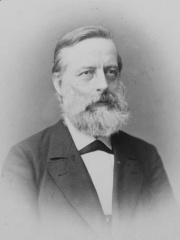
Julius Lothar Meyer
CHEMIST
1830 - 1895
HPI: 71.87
Miejsce: 558
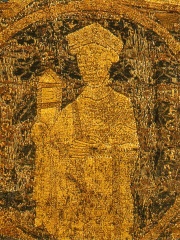
Gisela of Hungary
POLITICIAN
980 - 1065
HPI: 71.86
Miejsce: 559
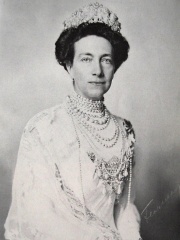
Victoria of Baden
POLITICIAN
1862 - 1930
HPI: 71.85
Miejsce: 560
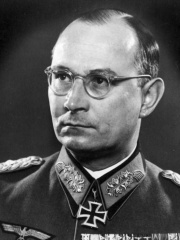
Friedrich Olbricht
MILITARY PERSONNEL
1888 - 1944
HPI: 71.85
Miejsce: 561
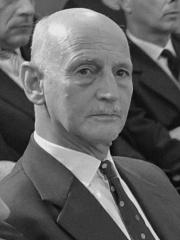
Otto Frank
BUSINESSPERSON
1889 - 1980
HPI: 71.85
Miejsce: 562
Wśród przedstawicieli zawodu Postać religijna w kraju Niemcy
Wśród przedstawicieli zawodu „Postać religijna” urodzonych w kraju Niemcy Rabanus Maurus zajmuje 14. miejsce. Przed nim są Philip Melanchthon (1497), Pope Clement II (1005), Pope Victor II (1018), Thomas à Kempis (1380), Bruno of Cologne (1030), i Anne Catherine Emmerich (1774). Po nim są Conrad Schumann (1942), Albert of Brandenburg (1490), Nicolaus Zinzendorf (1700), Johann Tetzel (1460), Gertrude the Great (1256), i Gerhard Ludwig Müller (1947).
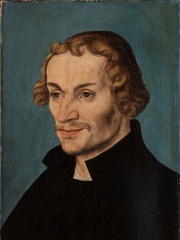
Philip Melanchthon
1497 - 1560
HPI: 79.75
Miejsce: 8
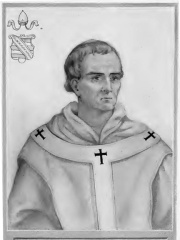
Pope Clement II
1005 - 1047
HPI: 79.38
Miejsce: 9
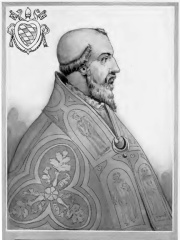
Pope Victor II
1018 - 1057
HPI: 73.88
Miejsce: 10
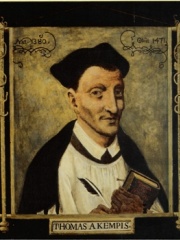
Thomas à Kempis
1380 - 1471
HPI: 73.86
Miejsce: 11
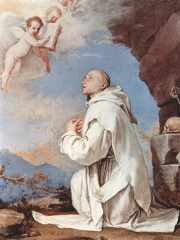
Bruno of Cologne
1030 - 1101
HPI: 72.10
Miejsce: 12
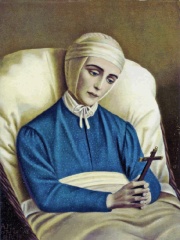
Anne Catherine Emmerich
1774 - 1824
HPI: 71.98
Miejsce: 13
Rabanus Maurus
780 - 856
HPI: 71.88
Miejsce: 14
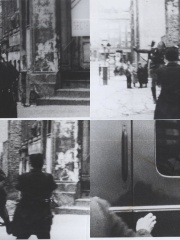
Conrad Schumann
1942 - 1998
HPI: 70.88
Miejsce: 15
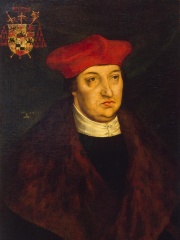
Albert of Brandenburg
1490 - 1545
HPI: 69.79
Miejsce: 16
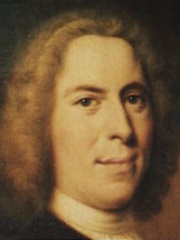
Nicolaus Zinzendorf
1700 - 1760
HPI: 69.77
Miejsce: 17
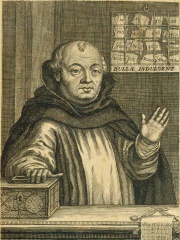
Johann Tetzel
1460 - 1519
HPI: 69.37
Miejsce: 18
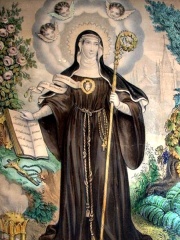
Gertrude the Great
1256 - 1302
HPI: 69.25
Miejsce: 19
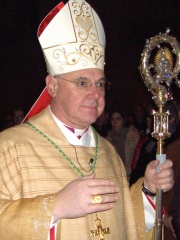
Gerhard Ludwig Müller
1947 - obecnie
HPI: 69.20
Miejsce: 20




