Postać religijna
Hildegarda z Bingen
1098 - 1179
WYŚWIETLENIA PL.WIKIPEDIA (PV)
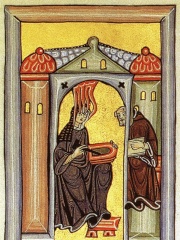
 Hildegarda z Bingen
Jej biografia jest dostępna w 88 różnych językach w Wikipedii (wzrost z 87 w 2024 roku). Hildegarda z Bingen jest 88. najpopularniejszym postać religijna (spadek z 66. w 2024 roku), 58. najpopularniejszą biografią Niemcy (spadek z 54. w 2019 roku) oraz 3. najpopularniejszym postać religijna Niemcy.
Wskaźniki rozpoznawalności
1.3M
Wyświetlenia strony
Ostatnie 12 miesięcy
83.03
HPI
Indeks historycznej popularności
Wyświetlenia strony Hildegarda z Bingen według języka
Wśród przedstawicieli zawodu Postać religijna
Wśród przedstawicieli zawodu „Postać religijna” Hildegarda z Bingen zajmuje 88. miejsce na 3,187. Przed nią są Judas Iscariot, Pope Pius V, Ruhollah Khomeini, Zechariah, Pope Paul III, i Pope Linus. Po niej są Saint Valentine, Saint Lawrence, Pope Pius II, Pope Innocent XI, Anthony of Padua, i Pope Leo I.
Najpopularniejsi w Wikipedii: Postać religijna
Zobacz wszystkie rankingi
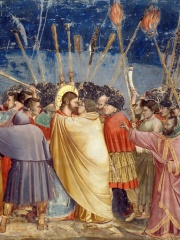
Judas Iscariot
50 - 30
HPI: 83.13
Miejsce: 82
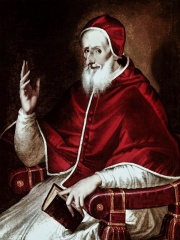
Pope Pius V
1504 - 1572
HPI: 83.13
Miejsce: 83

Ruhollah Khomeini
1902 - 1989
HPI: 83.10
Miejsce: 84

Zechariah
90 BC - 100
HPI: 83.06
Miejsce: 85
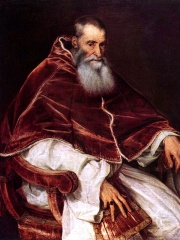
Pope Paul III
1468 - 1549
HPI: 83.04
Miejsce: 86
Pope Linus
1 - 79
HPI: 83.03
Miejsce: 87
Hildegard of Bingen
1098 - 1179
HPI: 83.03
Miejsce: 88

Saint Valentine
226 - 273
HPI: 83.01
Miejsce: 89
Saint Lawrence
225 - 258
HPI: 83.00
Miejsce: 90
Pope Pius II
1405 - 1464
HPI: 82.97
Miejsce: 91
Pope Innocent XI
1611 - 1689
HPI: 82.96
Miejsce: 92
Anthony of Padua
1195 - 1231
HPI: 82.94
Miejsce: 93
Pope Leo I
390 - 461
HPI: 82.81
Miejsce: 94

Współcześni
Wśród osób urodzonych w 1098 roku Hildegarda z Bingen zajmuje 1. miejsce. Po niej jest Pietro Polani. Wśród osób zmarłych w 1179 roku Hildegarda z Bingen zajmuje 1. miejsce. Po niej są Odo de St Amand, Antipope Callixtus III, Petrus Comestor, Sancha of Castile, Queen of Navarre, Urraca of Castile, Queen of Navarre, i Erling Skakke.
Inne osoby urodzone w 1098 roku
Zobacz wszystkie rankingiHildegard of Bingen
RELIGIOUS FIGURE
1098 - 1179
HPI: 83.03
Miejsce: 1

Pietro Polani
POLITICIAN
1098 - 1148
HPI: 56.04
Miejsce: 2
Inne osoby zmarłe w 1179 roku
Zobacz wszystkie rankingiHildegard of Bingen
RELIGIOUS FIGURE
1098 - 1179
HPI: 83.03
Miejsce: 1

Odo de St Amand
POLITICIAN
1110 - 1179
HPI: 65.79
Miejsce: 2

Antipope Callixtus III
RELIGIOUS FIGURE
HPI: 62.73
Miejsce: 3
Petrus Comestor
WRITER
1100 - 1179
HPI: 62.11
Miejsce: 4

Sancha of Castile, Queen of Navarre
POLITICIAN
1137 - 1179
HPI: 60.67
Miejsce: 5
Urraca of Castile, Queen of Navarre
COMPANION
1133 - 1179
HPI: 59.27
Miejsce: 6

Erling Skakke
POLITICIAN
1115 - 1179
HPI: 57.23
Miejsce: 7
W kraju Niemcy
Wśród osób urodzonych w kraju Niemcy Hildegarda z Bingen zajmuje 58. miejsce na NaN. Przed nią są Alexander von Humboldt (1769), Thomas Mann (1875), Gerd Müller (1945), William I, German Emperor (1797), Adolf Eichmann (1906), i Georg Ohm (1789). Po niej są Erwin Rommel (1891), Jacques Offenbach (1819), Heinrich Hertz (1857), Hannah Arendt (1906), Eva Braun (1912), i Æthelwulf, King of Wessex (795).
Inne osoby urodzone w kraju Niemcy
Zobacz wszystkie rankingi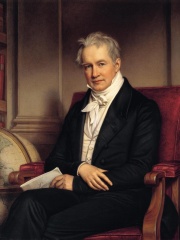
Alexander von Humboldt
GEOGRAPHER
1769 - 1859
HPI: 83.38
Miejsce: 52
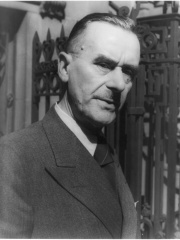
Thomas Mann
WRITER
1875 - 1955
HPI: 83.34
Miejsce: 53

Gerd Müller
SOCCER PLAYER
1945 - 2021
HPI: 83.25
Miejsce: 54
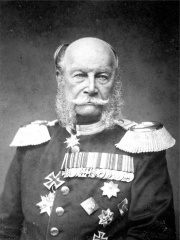
William I, German Emperor
POLITICIAN
1797 - 1888
HPI: 83.14
Miejsce: 55
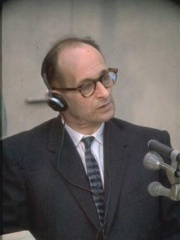
Adolf Eichmann
MILITARY PERSONNEL
1906 - 1962
HPI: 83.12
Miejsce: 56
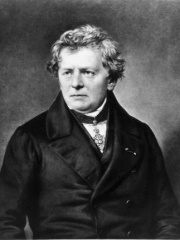
Georg Ohm
PHYSICIST
1789 - 1854
HPI: 83.08
Miejsce: 57
Hildegard of Bingen
RELIGIOUS FIGURE
1098 - 1179
HPI: 83.03
Miejsce: 58
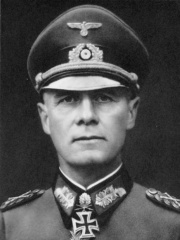
Erwin Rommel
MILITARY PERSONNEL
1891 - 1944
HPI: 82.62
Miejsce: 59
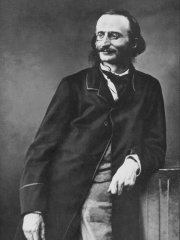
Jacques Offenbach
COMPOSER
1819 - 1880
HPI: 82.37
Miejsce: 60
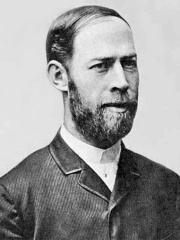
Heinrich Hertz
PHYSICIST
1857 - 1894
HPI: 82.34
Miejsce: 61
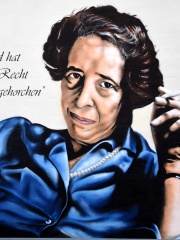
Hannah Arendt
PHILOSOPHER
1906 - 1975
HPI: 82.29
Miejsce: 62
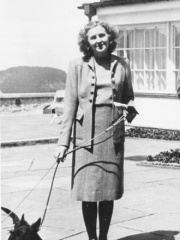
Eva Braun
COMPANION
1912 - 1945
HPI: 82.22
Miejsce: 63
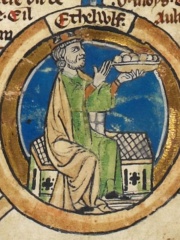
Æthelwulf, King of Wessex
POLITICIAN
795 - 858
HPI: 82.01
Miejsce: 64
Wśród przedstawicieli zawodu Postać religijna w kraju Niemcy
Wśród przedstawicieli zawodu „Postać religijna” urodzonych w kraju Niemcy Hildegarda z Bingen zajmuje 3. miejsce. Przed nią są Pope Benedict XVI (1927), i Martin Luther (1483). Po niej są Ambrose (340), Albertus Magnus (1206), Pope Joan (null), Pope Damasus II (1000), Philip Melanchthon (1497), Pope Clement II (1005), Pope Victor II (1018), Thomas à Kempis (1380), i Bruno of Cologne (1030).
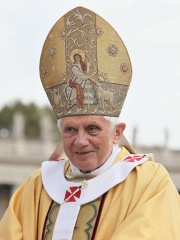
Pope Benedict XVI
1927 - 2022
HPI: 93.90
Miejsce: 1
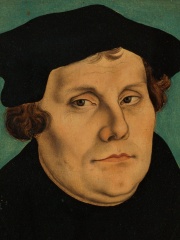
Martin Luther
1483 - 1546
HPI: 92.77
Miejsce: 2
Hildegard of Bingen
1098 - 1179
HPI: 83.03
Miejsce: 3
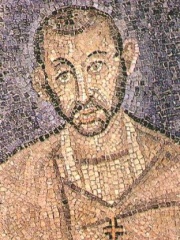
Ambrose
340 - 397
HPI: 81.26
Miejsce: 4
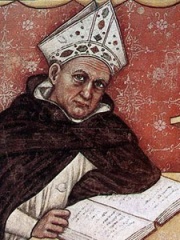
Albertus Magnus
1206 - 1280
HPI: 81.25
Miejsce: 5

Pope Joan
HPI: 80.19
Miejsce: 6
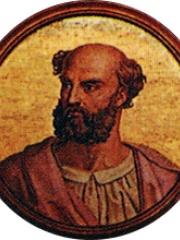
Pope Damasus II
1000 - 1048
HPI: 80.13
Miejsce: 7
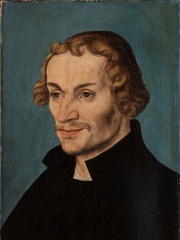
Philip Melanchthon
1497 - 1560
HPI: 79.75
Miejsce: 8
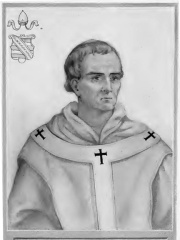
Pope Clement II
1005 - 1047
HPI: 79.38
Miejsce: 9
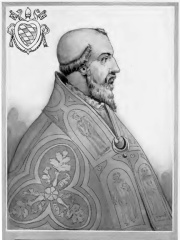
Pope Victor II
1018 - 1057
HPI: 73.88
Miejsce: 10
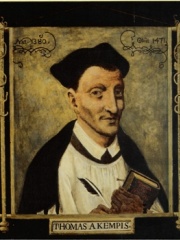
Thomas à Kempis
1380 - 1471
HPI: 73.86
Miejsce: 11
Bruno of Cologne
1030 - 1101
HPI: 72.10
Miejsce: 12




