Pisarz
Propertius
50 BC - 14 BC
WYŚWIETLENIA PL.WIKIPEDIA (PV)
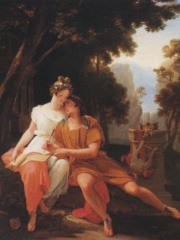
 Propertius
Jego biografia jest dostępna w 46 różnych językach w Wikipedii (wzrost z 45 w 2024 roku). Propertius jest 423. najpopularniejszym pisarz (wzrost z 443. w 2024 roku), 600. najpopularniejszą biografią Włochy (spadek z 567. w 2019 roku) oraz 38. najpopularniejszym pisarz Włochy.
Wskaźniki rozpoznawalności
62k
Wyświetlenia strony
Ostatnie 12 miesięcy
73.64
HPI
Indeks historycznej popularności
Wyświetlenia strony Propertius według języka
Wśród przedstawicieli zawodu Pisarz
Wśród przedstawicieli zawodu „Pisarz” Propertius zajmuje 423. miejsce na 7,302. Przed nim są Arthur de Gobineau, Jack Kerouac, Pietro Aretino, Paula Hitler, Ennius, i John Galsworthy. Po nim są Ian Fleming, Attar of Nishapur, Isabelle de Charrière, Saint-John Perse, Jacques Prévert, i William of Rubruck.
Najpopularniejsi w Wikipedii: Pisarz
Zobacz wszystkie rankingi
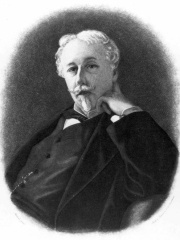
Arthur de Gobineau
1816 - 1882
HPI: 73.81
Miejsce: 417

Jack Kerouac
1922 - 1969
HPI: 73.77
Miejsce: 418
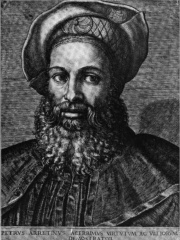
Pietro Aretino
1492 - 1556
HPI: 73.72
Miejsce: 419
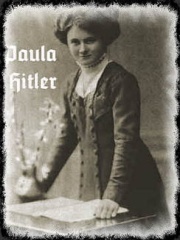
Paula Hitler
1896 - 1960
HPI: 73.71
Miejsce: 420
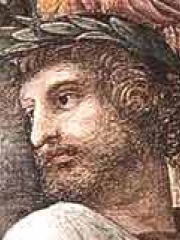
Ennius
239 BC - 169 BC
HPI: 73.69
Miejsce: 421
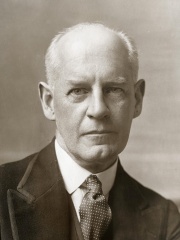
John Galsworthy
1867 - 1933
HPI: 73.68
Miejsce: 422
Propertius
50 BC - 14 BC
HPI: 73.64
Miejsce: 423
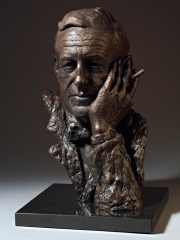
Ian Fleming
1908 - 1964
HPI: 73.64
Miejsce: 424
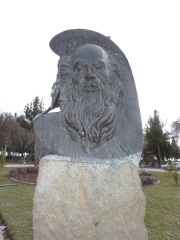
Attar of Nishapur
1145 - 1220
HPI: 73.64
Miejsce: 425
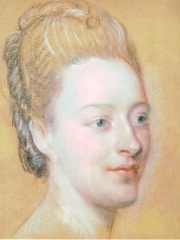
Isabelle de Charrière
1740 - 1805
HPI: 73.62
Miejsce: 426
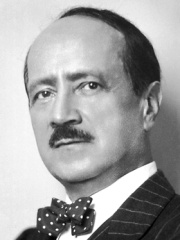
Saint-John Perse
1887 - 1975
HPI: 73.61
Miejsce: 427
Jacques Prévert
1900 - 1977
HPI: 73.60
Miejsce: 428
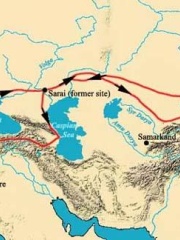
William of Rubruck
1220 - 1293
HPI: 73.59
Miejsce: 429

Współcześni
Wśród osób urodzonych w 50 BC roku Propertius zajmuje 1. miejsce. Po nim są Nicodemus, Tibullus, Wang Zhaojun, Marcus Manilius, Philip II Philoromaeus, Valerius Gratus, Shammai, Tiridates III of Parthia, Lucius Cassius Longinus, Namhae of Silla, i Liu Xin. Wśród osób zmarłych w 14 BC roku Propertius zajmuje 1. miejsce. Po nim jest Lucius Varius Rufus.
Inne osoby urodzone w 50 BC roku
Zobacz wszystkie rankingiPropertius
WRITER
50 BC - 14 BC
HPI: 73.64
Miejsce: 1
Nicodemus
RELIGIOUS FIGURE
50 BC - 100
HPI: 72.75
Miejsce: 2
Tibullus
WRITER
50 BC - 19 BC
HPI: 72.53
Miejsce: 3
Wang Zhaojun
POLITICIAN
50 BC - 100 BC
HPI: 69.53
Miejsce: 4
Marcus Manilius
WRITER
50 BC - 50
HPI: 67.68
Miejsce: 5
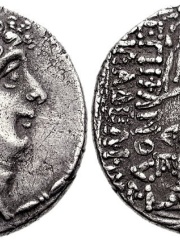
Philip II Philoromaeus
POLITICIAN
50 BC - 50 BC
HPI: 66.44
Miejsce: 6

Valerius Gratus
POLITICIAN
50 BC - 100
HPI: 65.59
Miejsce: 7

Shammai
WRITER
50 BC - 30
HPI: 64.97
Miejsce: 8

Tiridates III of Parthia
POLITICIAN
50 BC - 100
HPI: 64.16
Miejsce: 9

Lucius Cassius Longinus
POLITICIAN
50 BC - 41
HPI: 63.73
Miejsce: 10

Namhae of Silla
POLITICIAN
50 BC - 24
HPI: 63.51
Miejsce: 11

Liu Xin
MATHEMATICIAN
50 BC - 23
HPI: 63.40
Miejsce: 12
Inne osoby zmarłe w 14 BC roku
Zobacz wszystkie rankingiPropertius
WRITER
50 BC - 14 BC
HPI: 73.64
Miejsce: 1

Lucius Varius Rufus
WRITER
74 BC - 14 BC
HPI: 59.50
Miejsce: 2
W kraju Włochy
Wśród osób urodzonych w kraju Włochy Propertius zajmuje 600. miejsce na NaN. Przed nim są Ennius (-239), Giulio Caccini (1551), Laura Bassi (1711), Pope John XIII (930), Francesco Redi (1626), i Pope Anastasius II (450). Po nim są Servilia (-104), Angelo Sodano (1927), Bonaventura Cavalieri (1598), Paolo Rossi (1956), Pope Leo VI (914), i Nero Julius Caesar (6).
Inne osoby urodzone w kraju Włochy
Zobacz wszystkie rankingiEnnius
WRITER
239 BC - 169 BC
HPI: 73.69
Miejsce: 594

Giulio Caccini
COMPOSER
1551 - 1618
HPI: 73.69
Miejsce: 595
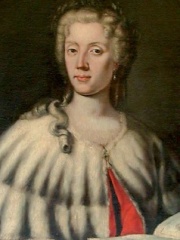
Laura Bassi
PHYSICIST
1711 - 1778
HPI: 73.68
Miejsce: 596
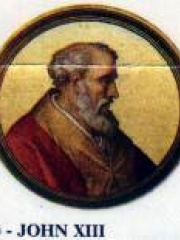
Pope John XIII
RELIGIOUS FIGURE
930 - 972
HPI: 73.66
Miejsce: 597
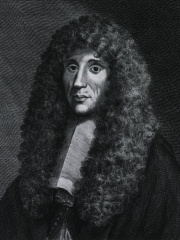
Francesco Redi
PHYSICIAN
1626 - 1697
HPI: 73.66
Miejsce: 598
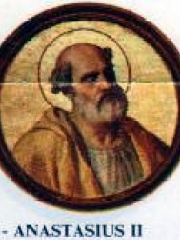
Pope Anastasius II
RELIGIOUS FIGURE
450 - 498
HPI: 73.65
Miejsce: 599
Propertius
WRITER
50 BC - 14 BC
HPI: 73.64
Miejsce: 600
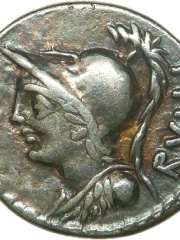
Servilia
POLITICIAN
104 BC - 42 BC
HPI: 73.61
Miejsce: 601
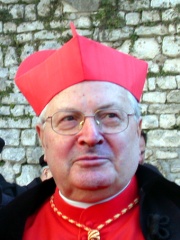
Angelo Sodano
RELIGIOUS FIGURE
1927 - 2022
HPI: 73.59
Miejsce: 602
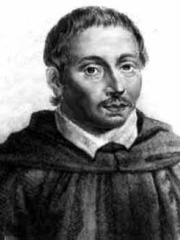
Bonaventura Cavalieri
MATHEMATICIAN
1598 - 1647
HPI: 73.59
Miejsce: 603
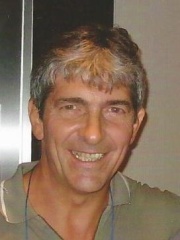
Paolo Rossi
SOCCER PLAYER
1956 - 2020
HPI: 73.58
Miejsce: 604
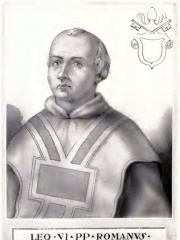
Pope Leo VI
RELIGIOUS FIGURE
914 - 929
HPI: 73.55
Miejsce: 605
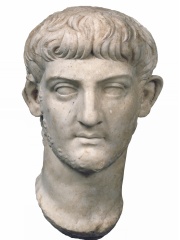
Nero Julius Caesar
POLITICIAN
6 - 31
HPI: 73.53
Miejsce: 606
Wśród przedstawicieli zawodu Pisarz w kraju Włochy
Wśród przedstawicieli zawodu „Pisarz” urodzonych w kraju Włochy Propertius zajmuje 38. miejsce. Przed nim są Cornelius Nepos (-100), Elena Ferrante (1943), Giosuè Carducci (1835), Livius Andronicus (-280), Pietro Aretino (1492), i Ennius (-239). Po nim są Fausto Cercignani (1941), Baldassare Castiglione (1478), Statius (40), Alessandro Manzoni (1785), Edmondo De Amicis (1846), i Tibullus (-50).
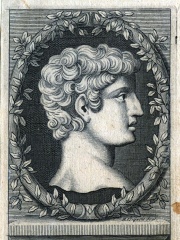
Cornelius Nepos
100 BC - 25 BC
HPI: 74.23
Miejsce: 32

Elena Ferrante
1943 - obecnie
HPI: 74.21
Miejsce: 33
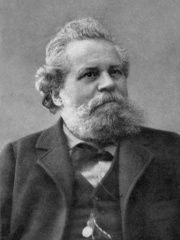
Giosuè Carducci
1835 - 1907
HPI: 74.14
Miejsce: 34
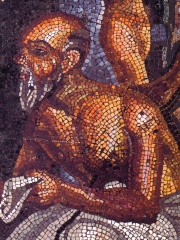
Livius Andronicus
280 BC - 200 BC
HPI: 73.96
Miejsce: 35
Pietro Aretino
1492 - 1556
HPI: 73.72
Miejsce: 36
Ennius
239 BC - 169 BC
HPI: 73.69
Miejsce: 37
Propertius
50 BC - 14 BC
HPI: 73.64
Miejsce: 38
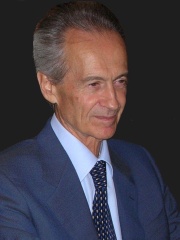
Fausto Cercignani
1941 - obecnie
HPI: 73.47
Miejsce: 39
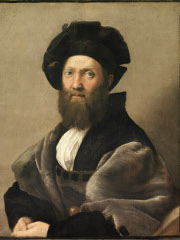
Baldassare Castiglione
1478 - 1529
HPI: 73.29
Miejsce: 40
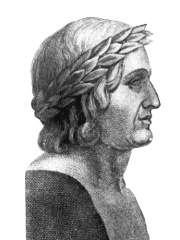
Statius
40 - 96
HPI: 73.28
Miejsce: 41
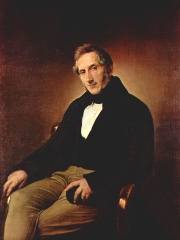
Alessandro Manzoni
1785 - 1873
HPI: 73.23
Miejsce: 42
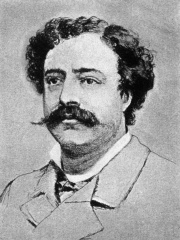
Edmondo De Amicis
1846 - 1908
HPI: 72.68
Miejsce: 43
Tibullus
50 BC - 19 BC
HPI: 72.53
Miejsce: 44




