Matematikus
Liu Xin
50 BC - 23
HU.WIKIPEDIA PAGE VIEWS (PV)

 Liu Xin
Életrajza 24 különböző nyelven érhető el a Wikipédián. Liu Xin a 355th legnépszerűbb matematikus (csökkenés a 295th-ről 2024-ben), a 526th legnépszerűbb életrajz Kína országából (növekedés a 536th-ről 2019-ben) és a 9th legnépszerűbb Kínaból matematikus.
Memorability Metrics
20k
Page Views
Past 12 months
63.40
HPI
Historical Popularity Index
Page views of Liu Xin by language
Among Matematikuses
Among matematikuses, Liu Xin ranks 355 out of 1,004. Before him are Giambattista Benedetti, Gaston Julia, Andreas Osiander, Johannes Widmann, Kiyosi Itô, and Abraham bar Hiyya. After him are Caspar Wessel, Al-Sijzi, Paul Neményi, Nicholas Mercator, Francesco Maurolico, and John Edensor Littlewood.
Most Popular Matematikuses in Wikipedia
Go to all Rankings

Giambattista Benedetti
1530 - 1590
HPI: 63.46
Rank: 349
Gaston Julia
1893 - 1978
HPI: 63.45
Rank: 350
Andreas Osiander
1498 - 1552
HPI: 63.45
Rank: 351
Johannes Widmann
1460 - 1505
HPI: 63.44
Rank: 352

Kiyosi Itô
1915 - 2008
HPI: 63.43
Rank: 353

Abraham bar Hiyya
1070 - 1145
HPI: 63.41
Rank: 354
Liu Xin
50 BC - 23
HPI: 63.40
Rank: 355
Caspar Wessel
1745 - 1818
HPI: 63.37
Rank: 356
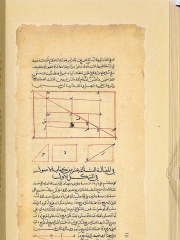
Al-Sijzi
945 - 1020
HPI: 63.37
Rank: 357

Paul Neményi
1895 - 1952
HPI: 63.34
Rank: 358

Nicholas Mercator
1620 - 1687
HPI: 63.32
Rank: 359
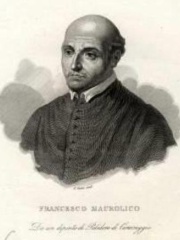
Francesco Maurolico
1494 - 1575
HPI: 63.32
Rank: 360
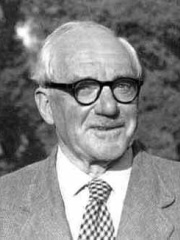
John Edensor Littlewood
1885 - 1977
HPI: 63.27
Rank: 361

Contemporaries
Among people born in 50 BC, Liu Xin ranks 12. Before him are Philip II Philoromaeus, Valerius Gratus, Shammai, Tiridates III of Parthia, Lucius Cassius Longinus, and Namhae of Silla. After him are Archelaus of Cappadocia, Bogud, Quintus Titurius Sabinus, Marcus Licinius Crassus, Aelius Gallus, and Aulus Cremutius Cordus. Among people deceased in 23, Liu Xin ranks 5. Before him are Strabo, Wang Mang, Juba II, and Drusus Julius Caesar. After him is Empress Wang (Ping).
Others Born in 50 BC
Go to all Rankings
Philip II Philoromaeus
POLITICIAN
50 BC - 50 BC
HPI: 66.44
Rank: 6

Valerius Gratus
POLITICIAN
50 BC - 100
HPI: 65.59
Rank: 7

Shammai
WRITER
50 BC - 30
HPI: 64.97
Rank: 8

Tiridates III of Parthia
POLITICIAN
50 BC - 100
HPI: 64.16
Rank: 9

Lucius Cassius Longinus
POLITICIAN
50 BC - 41
HPI: 63.73
Rank: 10

Namhae of Silla
POLITICIAN
50 BC - 24
HPI: 63.51
Rank: 11
Liu Xin
MATHEMATICIAN
50 BC - 23
HPI: 63.40
Rank: 12
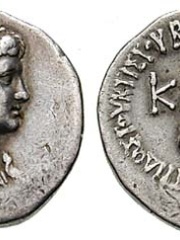
Archelaus of Cappadocia
POLITICIAN
50 BC - 17
HPI: 63.32
Rank: 13
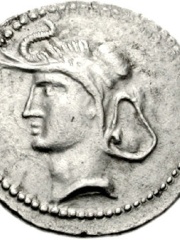
Bogud
POLITICIAN
50 BC - 31 BC
HPI: 63.24
Rank: 14
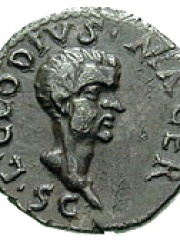
Quintus Titurius Sabinus
MILITARY PERSONNEL
50 BC - 54 BC
HPI: 62.94
Rank: 15

Marcus Licinius Crassus
POLITICIAN
50 BC - 50 BC
HPI: 62.31
Rank: 16

Aelius Gallus
RELIGIOUS FIGURE
50 BC - Present
HPI: 61.83
Rank: 17

Aulus Cremutius Cordus
HISTORIAN
50 BC - 25
HPI: 61.71
Rank: 18
Others Deceased in 23
Go to all Rankings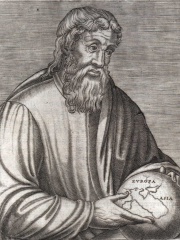
Strabo
GEOGRAPHER
64 BC - 23
HPI: 84.37
Rank: 1
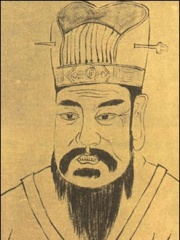
Wang Mang
POLITICIAN
45 BC - 23
HPI: 75.00
Rank: 2
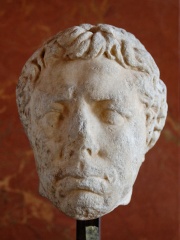
Juba II
POLITICIAN
52 BC - 23
HPI: 73.52
Rank: 3
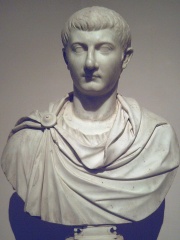
Drusus Julius Caesar
POLITICIAN
13 BC - 23
HPI: 68.44
Rank: 4
Liu Xin
MATHEMATICIAN
50 BC - 23
HPI: 63.40
Rank: 5
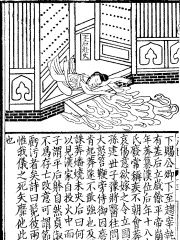
Empress Wang (Ping)
COMPANION
8 BC - 23
HPI: 59.83
Rank: 6
In Kína
Among people born in Kína, Liu Xin ranks 526 out of NaN. Before him are Zhuge Dan (200), Zeng Guofan (1811), Wellington Koo (1888), Cao Zhang (190), Chai Rong (921), and Rabban Bar Sauma (1220). After him are Tang Yin (1470), Liang Kai (1200), Watchman Nee (1903), Jia Yi (-200), Lu Ban (-507), and Emperor Xuanzong of Tang (810).
Others born in Kína
Go to all Rankings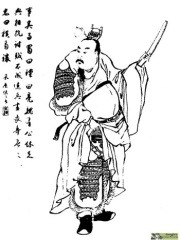
Zhuge Dan
POLITICIAN
200 - 258
HPI: 63.49
Rank: 520
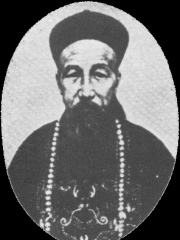
Zeng Guofan
POLITICIAN
1811 - 1872
HPI: 63.45
Rank: 521
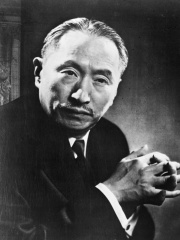
Wellington Koo
POLITICIAN
1888 - 1985
HPI: 63.45
Rank: 522
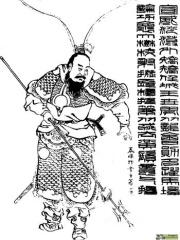
Cao Zhang
POLITICIAN
190 - 223
HPI: 63.45
Rank: 523
Chai Rong
NOBLEMAN
921 - 959
HPI: 63.43
Rank: 524

Rabban Bar Sauma
RELIGIOUS FIGURE
1220 - 1294
HPI: 63.40
Rank: 525
Liu Xin
MATHEMATICIAN
50 BC - 23
HPI: 63.40
Rank: 526

Tang Yin
PAINTER
1470 - 1524
HPI: 63.33
Rank: 527
Liang Kai
PAINTER
1200 - 1300
HPI: 63.31
Rank: 528
Watchman Nee
WRITER
1903 - 1972
HPI: 63.30
Rank: 529

Jia Yi
POLITICIAN
200 BC - 168 BC
HPI: 63.28
Rank: 530
Lu Ban
ENGINEER
507 BC - 440 BC
HPI: 63.28
Rank: 531
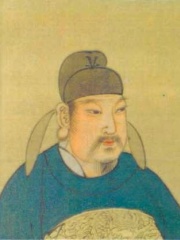
Emperor Xuanzong of Tang
POLITICIAN
810 - 859
HPI: 63.27
Rank: 532
Among Matematikuses In Kína
Among matematikuses born in Kína, Liu Xin ranks 9. Before him are Zu Chongzhi (429), Wang Chong (27), Xu Guangqi (1562), Shing-Tung Yau (1949), Guo Shoujing (1231), and Yi Xing (683). After him are Shiing-Shen Chern (1911), Zhu Shijie (1249), Qin Jiushao (1201), Yang Hui (1238), Chen Jingrun (1933), and Dai Zhen (1724).

Zu Chongzhi
429 - 500
HPI: 69.57
Rank: 3

Wang Chong
27 - 97
HPI: 68.45
Rank: 4
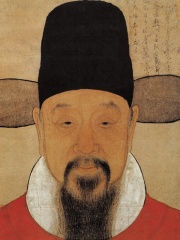
Xu Guangqi
1562 - 1633
HPI: 66.30
Rank: 5
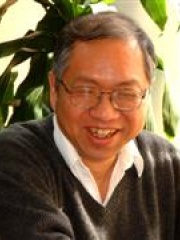
Shing-Tung Yau
1949 - Present
HPI: 64.73
Rank: 6
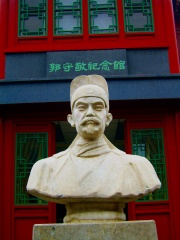
Guo Shoujing
1231 - 1316
HPI: 64.09
Rank: 7
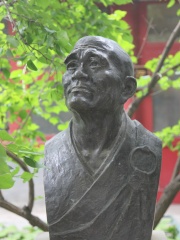
Yi Xing
683 - 727
HPI: 63.66
Rank: 8
Liu Xin
50 BC - 23
HPI: 63.40
Rank: 9
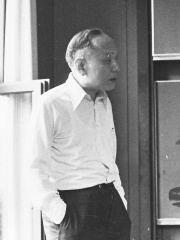
Shiing-Shen Chern
1911 - 2004
HPI: 63.11
Rank: 10
Zhu Shijie
1249 - 1314
HPI: 63.07
Rank: 11
Qin Jiushao
1201 - 1261
HPI: 62.34
Rank: 12
Yang Hui
1238 - 1298
HPI: 61.42
Rank: 13
Chen Jingrun
1933 - 1996
HPI: 59.03
Rank: 14
Dai Zhen
1724 - 1777
HPI: 58.01
Rank: 15




