Politiker
Valerius Gratus
50 BC - 100
DE.WIKIPEDIA-SEITENAUFRUFE (PV)

 Valerius Gratus
Seine Biografie ist in 21 verschiedenen Sprachen auf Wikipedia verfügbar. Valerius Gratus ist der 5,748th beliebteste Politiker (gesunken vom 5,539th im Jahr 2024), die 132nd beliebteste Biografie aus Israel (gestiegen vom 146th im Jahr 2019) und der 53rd beliebteste aus Israel Politiker.
Bekanntheitsmetriken
39k
Seitenaufrufe
Letzte 12 Monate
65.59
HPI
Historischer Popularitätsindex
Daten-Einblicke
21
Die Biografie von Valerius Gratus umfasst 21 Sprachversionen der Wikipedia und erreicht einen Historischen Popularitätsindex von 65.59.
Seitenaufrufe von Valerius Gratus nach Sprache
Unter Politiker
Unter Politiker belegt Valerius Gratus Rang 5,746 von 20,022. Vor ihm stehen King Mu of Zhou, Adaloald, Charles Joseph Bonaparte, Nikolai Tikhonov, Francesco IV Gonzaga, Duke of Mantua, und Christian August of Holstein-Gottorp, Prince of Eutin. Nach ihm folgen Henri, Prince of Condé, Thibaw Min, Milka Planinc, Valeriy Borzov, Baldwin IV, Count of Flanders, und Şehzade Mahmud.
Die beliebtesten Politiker auf Wikipedia
Zu allen Ranglisten

King Mu of Zhou
950 BC - 922 BC
HPI: 65.60
Rang: 5,742

Adaloald
602 - 628
HPI: 65.60
Rang: 5,743
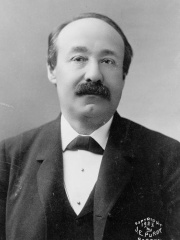
Charles Joseph Bonaparte
1851 - 1921
HPI: 65.60
Rang: 5,744
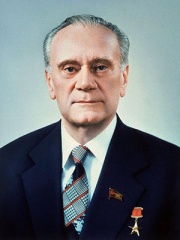
Nikolai Tikhonov
1905 - 1997
HPI: 65.60
Rang: 5,745
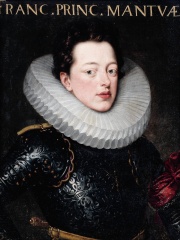
Francesco IV Gonzaga, Duke of Mantua
1586 - 1612
HPI: 65.60
Rang: 5,746
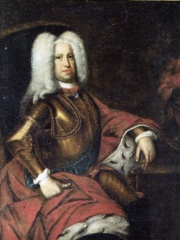
Christian August of Holstein-Gottorp, Prince of Eutin
1673 - 1726
HPI: 65.60
Rang: 5,747
Valerius Gratus
50 BC - 100
HPI: 65.59
Rang: 5,748
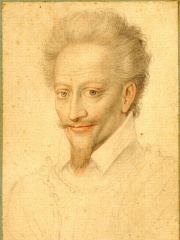
Henri, Prince of Condé
1552 - 1588
HPI: 65.59
Rang: 5,749
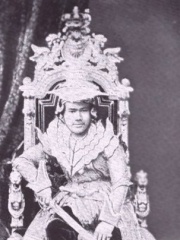
Thibaw Min
1859 - 1916
HPI: 65.59
Rang: 5,750
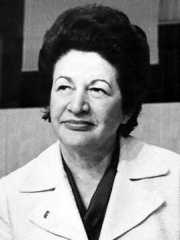
Milka Planinc
1924 - 2010
HPI: 65.59
Rang: 5,751

Valeriy Borzov
1949 - heute
HPI: 65.59
Rang: 5,752
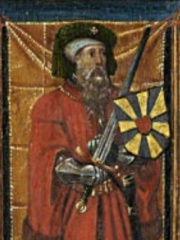
Baldwin IV, Count of Flanders
980 - 1035
HPI: 65.59
Rang: 5,753

Şehzade Mahmud
1582 - 1603
HPI: 65.59
Rang: 5,754

Zeitgenossen
Unter den im Jahr 50 BC Geborenen belegt Valerius Gratus Rang 7. Vor ihm stehen Propertius, Nicodemus, Tibullus, Wang Zhaojun, Marcus Manilius, und Philip II Philoromaeus. Nach ihm folgen Shammai, Tiridates III of Parthia, Lucius Cassius Longinus, Namhae of Silla, Liu Xin, und Archelaus of Cappadocia. Unter den im Jahr 100 Verstorbenen belegt Valerius Gratus Rang 47. Vor ihm stehen Judas of Galilee, Claudia Acte, Dorcas, Gaius Julius Civilis, Locusta, und Mucianus. Nach ihm folgen Mary the Jewess, Livia Orestilla, Agrippa the Skeptic, Tiridates III of Parthia, Archippus, und Timon.
Weitere im Jahr 50 BC Geborene
Zu allen Ranglisten
Propertius
WRITER
50 BC - 14 BC
HPI: 73.64
Rang: 1
Nicodemus
RELIGIOUS FIGURE
50 BC - 100
HPI: 72.75
Rang: 2
Tibullus
WRITER
50 BC - 19 BC
HPI: 72.53
Rang: 3

Wang Zhaojun
POLITICIAN
50 BC - 100 BC
HPI: 69.53
Rang: 4
Marcus Manilius
WRITER
50 BC - 50
HPI: 67.68
Rang: 5
Philip II Philoromaeus
POLITICIAN
50 BC - 50 BC
HPI: 66.44
Rang: 6
Valerius Gratus
POLITICIAN
50 BC - 100
HPI: 65.59
Rang: 7

Shammai
WRITER
50 BC - 30
HPI: 64.97
Rang: 8

Tiridates III of Parthia
POLITICIAN
50 BC - 100
HPI: 64.16
Rang: 9

Lucius Cassius Longinus
POLITICIAN
50 BC - 41
HPI: 63.73
Rang: 10

Namhae of Silla
POLITICIAN
50 BC - 24
HPI: 63.51
Rang: 11

Liu Xin
MATHEMATICIAN
50 BC - 23
HPI: 63.40
Rang: 12
Archelaus of Cappadocia
POLITICIAN
50 BC - 17
HPI: 63.32
Rang: 13
Weitere im Jahr 100 Verstorbene
Zu allen Ranglisten
Judas of Galilee
SOCIAL ACTIVIST
100 BC - 100
HPI: 67.17
Rang: 41

Claudia Acte
POLITICIAN
100 - 100
HPI: 67.03
Rang: 42
Dorcas
POLITICIAN
HPI: 67.00
Rang: 43
Gaius Julius Civilis
SOCIAL ACTIVIST
25 - 100
HPI: 66.30
Rang: 44

Locusta
CHEMIST
1 - 100
HPI: 66.20
Rang: 45

Mucianus
POLITICIAN
100 - 100
HPI: 65.85
Rang: 46
Valerius Gratus
POLITICIAN
50 BC - 100
HPI: 65.59
Rang: 47
Mary the Jewess
INVENTOR
100 - 100
HPI: 65.39
Rang: 48
Livia Orestilla
COMPANION
20 - 100
HPI: 64.99
Rang: 49

Agrippa the Skeptic
PHILOSOPHER
100 - 100
HPI: 64.97
Rang: 50
Tiridates III of Parthia
POLITICIAN
50 BC - 100
HPI: 64.16
Rang: 51
Archippus
RELIGIOUS FIGURE
50 - 100
HPI: 63.15
Rang: 52
Timon
RELIGIOUS FIGURE
50 - 100
HPI: 63.04
Rang: 53
In Israel
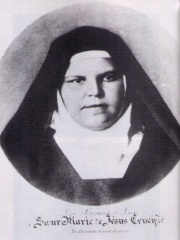
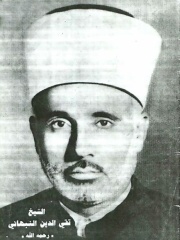
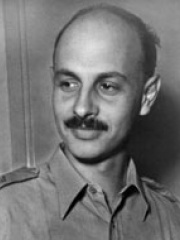
Unter den in Israel Geborenen belegt Valerius Gratus Rang 132 von 591. Vor ihm stehen Al-Afdal Shahanshah (1066), Yair Lapid (1963), Leila Khaled (1944), Sextus Julius Africanus (160), Mariam Baouardy (1846), und Ilan Ramon (1954). Nach ihm folgen Shimon bar Yochai (1), Gal Gadot (1985), Al-Tabarani (873), Taqi al-Din al-Nabhani (1909), Yigael Yadin (1917), und Alice of Champagne (1196).
Weitere in Israel geborene Personen
Zu allen Ranglisten
Al-Afdal Shahanshah
POLITICIAN
1066 - 1121
HPI: 66.79
Rang: 126

Yair Lapid
POLITICIAN
1963 - heute
HPI: 66.66
Rang: 127

Leila Khaled
SOCIAL ACTIVIST
1944 - heute
HPI: 66.45
Rang: 128

Sextus Julius Africanus
HISTORIAN
160 - 240
HPI: 66.14
Rang: 129
Mariam Baouardy
RELIGIOUS FIGURE
1846 - 1878
HPI: 65.86
Rang: 130

Ilan Ramon
ASTRONAUT
1954 - 2003
HPI: 65.75
Rang: 131
Valerius Gratus
POLITICIAN
50 BC - 100
HPI: 65.59
Rang: 132

Shimon bar Yochai
POLITICIAN
1 - 160
HPI: 65.45
Rang: 133

Gal Gadot
ACTOR
1985 - heute
HPI: 65.43
Rang: 134

Al-Tabarani
RELIGIOUS FIGURE
873 - 971
HPI: 65.30
Rang: 135
Taqi al-Din al-Nabhani
POLITICIAN
1909 - 1977
HPI: 65.18
Rang: 136
Yigael Yadin
MILITARY PERSONNEL
1917 - 1984
HPI: 65.13
Rang: 137

Alice of Champagne
COMPANION
1196 - 1246
HPI: 65.10
Rang: 138
Unter Politiker in Israel
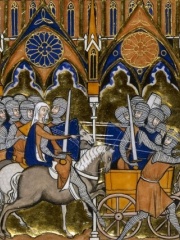
Unter den in Israel geborenen Politiker belegt Valerius Gratus Rang 53. Vor ihm stehen Judah ha-Nasi (135), Barak (null), Yigal Allon (1918), Tzipi Livni (1958), Al-Afdal Shahanshah (1066), und Yair Lapid (1963). Nach ihm folgen Shimon bar Yochai (1), Taqi al-Din al-Nabhani (1909), Al-Hafiz (1074), Ali Hassan Salameh (1940), Zahir al-Umar (1689), und Sarah Aaronsohn (1890).

Judah ha-Nasi
135 - 217
HPI: 67.72
Rang: 47
Barak
HPI: 67.45
Rang: 48
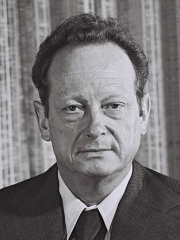
Yigal Allon
1918 - 1980
HPI: 67.24
Rang: 49
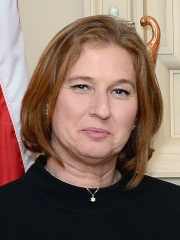
Tzipi Livni
1958 - heute
HPI: 67.06
Rang: 50
Al-Afdal Shahanshah
1066 - 1121
HPI: 66.79
Rang: 51
Yair Lapid
1963 - heute
HPI: 66.66
Rang: 52
Valerius Gratus
50 BC - 100
HPI: 65.59
Rang: 53
Shimon bar Yochai
1 - 160
HPI: 65.45
Rang: 54
Taqi al-Din al-Nabhani
1909 - 1977
HPI: 65.18
Rang: 55
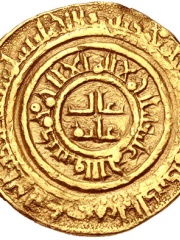
Al-Hafiz
1074 - 1149
HPI: 64.90
Rang: 56

Ali Hassan Salameh
1940 - 1979
HPI: 64.60
Rang: 57
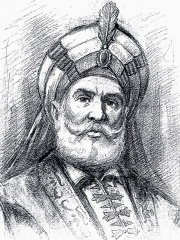
Zahir al-Umar
1689 - 1775
HPI: 64.35
Rang: 58
Sarah Aaronsohn
1890 - 1917
HPI: 64.08
Rang: 59




