Historyk
Khvandamir
1475 - 1534
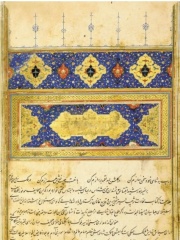
 Khvandamir
Jego biografia jest dostępna w 18 różnych językach w Wikipedii. Khvandamir jest 223. najpopularniejszym historyk (spadek z 185. w 2024 roku), 88. najpopularniejszą biografią Afganistan (spadek z 70. w 2019 roku) oraz 4. najpopularniejszym historyk Afganistan.
Memorability Metrics
7.5k
Page Views
Past 12 months
60.84
HPI
Historical Popularity Index
Page views of Khvandamir by language
Among Historyks
Among historyks, Khvandamir ranks 223 out of 561. Before him are Deborah Lipstadt, Annius of Viterbo, Gerardus Vossius, H. J. R. Murray, Saul Friedländer, and Fritz Fischer. After him are Aban ibn Uthman, Gonzalo Fernández de Oviedo y Valdés, Joseph de Guignes, Constantine Lascaris, Ibn Sa'id al-Maghribi, and İbrahim Peçevi.
Most Popular Historyks in Wikipedia
Go to all Rankings
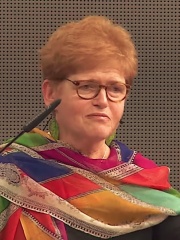
Deborah Lipstadt
1947 - Present
HPI: 61.07
Rank: 217
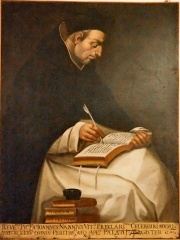
Annius of Viterbo
1437 - 1502
HPI: 61.05
Rank: 218
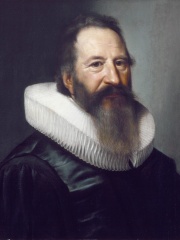
Gerardus Vossius
1577 - 1649
HPI: 60.96
Rank: 219
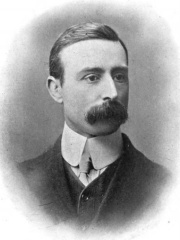
H. J. R. Murray
1868 - 1955
HPI: 60.94
Rank: 220
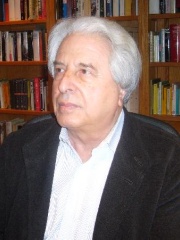
Saul Friedländer
1932 - Present
HPI: 60.89
Rank: 221

Fritz Fischer
1908 - 1999
HPI: 60.85
Rank: 222
Khvandamir
1475 - 1534
HPI: 60.84
Rank: 223

Aban ibn Uthman
641 - 723
HPI: 60.82
Rank: 224
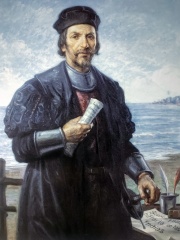
Gonzalo Fernández de Oviedo y Valdés
1478 - 1557
HPI: 60.79
Rank: 225

Joseph de Guignes
1721 - 1800
HPI: 60.79
Rank: 226
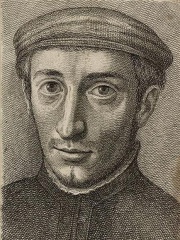
Constantine Lascaris
1434 - 1501
HPI: 60.76
Rank: 227
Ibn Sa'id al-Maghribi
1213 - 1286
HPI: 60.75
Rank: 228
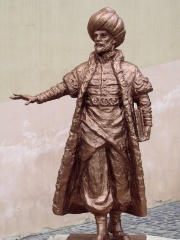
İbrahim Peçevi
1574 - 1650
HPI: 60.72
Rank: 229

Contemporaries
Among people born in 1475, Khvandamir ranks 17. Before him are Anne of York, Afonso, Prince of Portugal, Francisco Hernández de Córdoba, Maximus the Greek, Edward Plantagenet, 17th Earl of Warwick, and Pierre Gringore. After him are Marcantonio Trivisan, Jörg Breu the Elder, Jan Mostaert, and Thomas Murner. Among people deceased in 1534, Khvandamir ranks 14. Before him are Philippe Villiers de L'Isle-Adam, Stephen VIII Báthory, Otto Brunfels, Barbara Jagiellon, Antonio da Sangallo the Elder, and Johannes Aventinus. After him are Magdalena of Saxony, and Beatriz Galindo.
Others Born in 1475
Go to all Rankings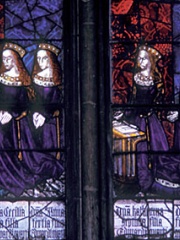
Anne of York
POLITICIAN
1475 - 1511
HPI: 67.04
Rank: 11
Afonso, Prince of Portugal
1475 - 1491
HPI: 66.22
Rank: 12
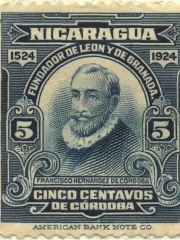
Francisco Hernández de Córdoba
MILITARY PERSONNEL
1475 - 1526
HPI: 64.28
Rank: 13
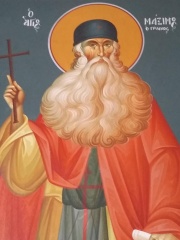
Maximus the Greek
WRITER
1475 - 1556
HPI: 62.88
Rank: 14
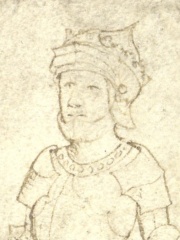
Edward Plantagenet, 17th Earl of Warwick
POLITICIAN
1475 - 1499
HPI: 61.97
Rank: 15
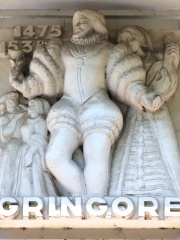
Pierre Gringore
WRITER
1475 - 1539
HPI: 61.07
Rank: 16
Khvandamir
HISTORIAN
1475 - 1534
HPI: 60.84
Rank: 17
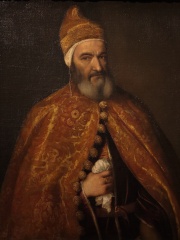
Marcantonio Trivisan
POLITICIAN
1475 - 1554
HPI: 60.10
Rank: 18

Jörg Breu the Elder
PAINTER
1475 - 1537
HPI: 59.46
Rank: 19
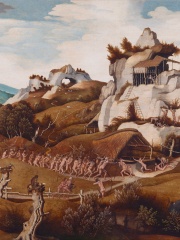
Jan Mostaert
PAINTER
1475 - 1555
HPI: 59.42
Rank: 20
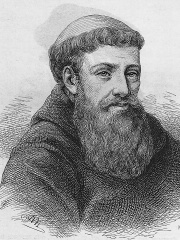
Thomas Murner
WRITER
1475 - 1537
HPI: 58.07
Rank: 21
Others Deceased in 1534
Go to all Rankings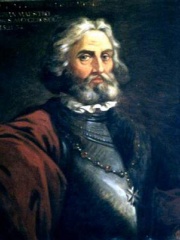
Philippe Villiers de L'Isle-Adam
POLITICIAN
1464 - 1534
HPI: 65.93
Rank: 8

Stephen VIII Báthory
POLITICIAN
1477 - 1534
HPI: 64.38
Rank: 9
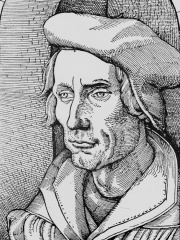
Otto Brunfels
BIOLOGIST
1488 - 1534
HPI: 63.89
Rank: 10
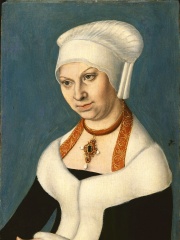
Barbara Jagiellon
POLITICIAN
1478 - 1534
HPI: 63.68
Rank: 11

Antonio da Sangallo the Elder
ARCHITECT
1455 - 1534
HPI: 62.96
Rank: 12
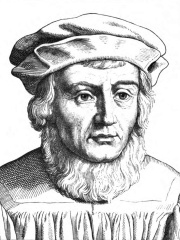
Johannes Aventinus
HISTORIAN
1477 - 1534
HPI: 61.16
Rank: 13
Khvandamir
HISTORIAN
1475 - 1534
HPI: 60.84
Rank: 14
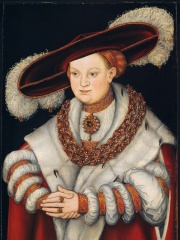
Magdalena of Saxony
NOBLEMAN
1507 - 1534
HPI: 60.28
Rank: 15
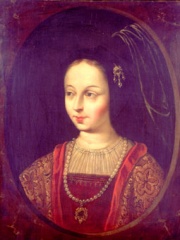
Beatriz Galindo
WRITER
1465 - 1534
HPI: 55.36
Rank: 16
In Afganistan
Among people born in Afganistan, Khvandamir ranks 88 out of NaN. Before him are Abdul Rasul Sayyaf (1946), Abdullah Abdullah (1960), Muhammad of Ghazni (998), Abdul Qadir (1944), Suhaila Siddiq (1938), and Eucratides I (-170). After him are Abdul Ahad Mohmand (1959), Unsuri (980), Demetrius I of Bactria (-300), Agathokleia (-200), Humaira Begum (1918), and Abdul Ali Mazari (1946).
Others born in Afganistan
Go to all Rankings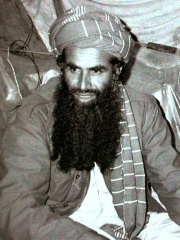
Abdul Rasul Sayyaf
POLITICIAN
1946 - Present
HPI: 61.70
Rank: 82
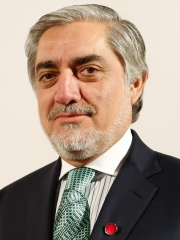
Abdullah Abdullah
POLITICIAN
1960 - Present
HPI: 61.41
Rank: 83
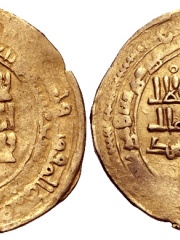
Muhammad of Ghazni
POLITICIAN
998 - 1041
HPI: 61.24
Rank: 84
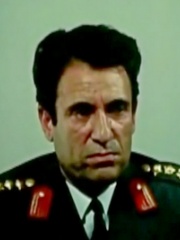
Abdul Qadir
POLITICIAN
1944 - 2014
HPI: 61.11
Rank: 85
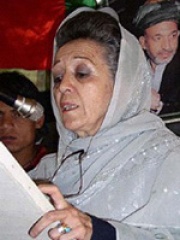
Suhaila Siddiq
POLITICIAN
1938 - 2020
HPI: 61.07
Rank: 86
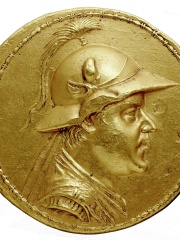
Eucratides I
POLITICIAN
170 BC - 200 BC
HPI: 60.88
Rank: 87
Khvandamir
HISTORIAN
1475 - 1534
HPI: 60.84
Rank: 88
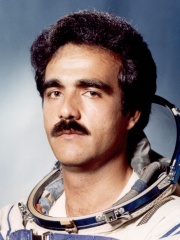
Abdul Ahad Mohmand
ASTRONAUT
1959 - Present
HPI: 60.79
Rank: 89

Unsuri
WRITER
980 - 1039
HPI: 60.72
Rank: 90
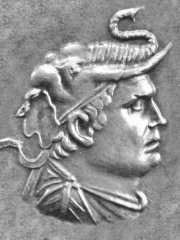
Demetrius I of Bactria
POLITICIAN
300 BC - 180 BC
HPI: 60.67
Rank: 91
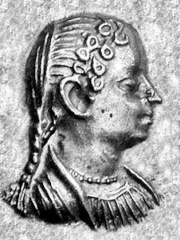
Agathokleia
POLITICIAN
200 BC - 160 BC
HPI: 60.64
Rank: 92
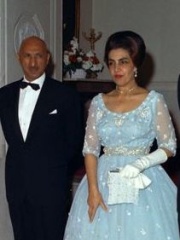
Humaira Begum
NOBLEMAN
1918 - 2002
HPI: 60.58
Rank: 93
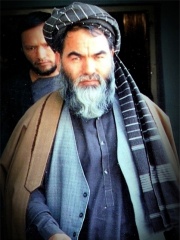
Abdul Ali Mazari
POLITICIAN
1946 - 1995
HPI: 60.41
Rank: 94
Among Historyks In Afganistan
Among historyks born in Afganistan, Khvandamir ranks 4. Before him are Minhaj-i-Siraj (1193), Abd-al-Razzāq Samarqandī (1413), and Ibn Hibban (883).

Minhaj-i-Siraj
1193 - 1260
HPI: 66.00
Rank: 1

Abd-al-Razzāq Samarqandī
1413 - 1482
HPI: 64.80
Rank: 2

Ibn Hibban
883 - 965
HPI: 63.98
Rank: 3
Khvandamir
1475 - 1534
HPI: 60.84
Rank: 4




