Escritor
Beatriz Galindo
1465 - 1534
VISITAS EN ES.WIKIPEDIA (PV)
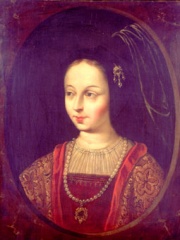
 Beatriz Galindo
Su biografía está disponible en 19 idiomas en Wikipedia. Beatriz Galindo ocupa el puesto 5160 entre los escritor más populares (bajó del puesto 4919 en 2024), el puesto 1612 entre las biografías más populares de España (bajó del puesto 1512 en 2019) y el puesto 190 entre los escritor de españa más populares.
Métricas de memorabilidad
36k
Visitas
Últimos 12 meses
55.36
HPI
Índice de Popularidad Histórica
Datos destacados
19
La biografía de Beatriz Galindo abarca 19 ediciones lingüísticas de Wikipedia y obtiene un Índice de Popularidad Histórica de 55.36.
Visitas a la página de Beatriz Galindo por idioma
Entre Escritor
Entre Escritor, Beatriz Galindo ocupa el puesto 5,160 de 7,707. Antes de ella están Ann Druyan, René Boylesve, Antti Tuuri, Arvid August Afzelius, Constantin von Wurzbach, y Stephen Spender. Después de ella están Candace Bushnell, Joan Aiken, Adolf Muschg, Jacques Audiberti, Zsigmond Kemény, y Carlo Porta.
Escritor más populares en Wikipedia
Ver todas las clasificaciones
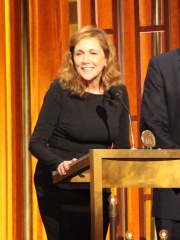
Ann Druyan
1949 - presente
HPI: 55.38
Puesto: 5,154
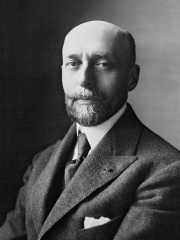
René Boylesve
1867 - 1926
HPI: 55.38
Puesto: 5,155
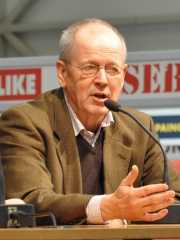
Antti Tuuri
1944 - presente
HPI: 55.37
Puesto: 5,156
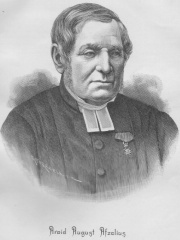
Arvid August Afzelius
1785 - 1871
HPI: 55.37
Puesto: 5,157
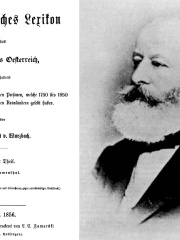
Constantin von Wurzbach
1818 - 1893
HPI: 55.37
Puesto: 5,158
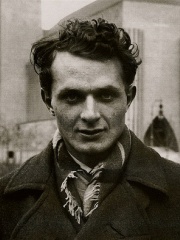
Stephen Spender
1909 - 1995
HPI: 55.36
Puesto: 5,159
Beatriz Galindo
1465 - 1534
HPI: 55.36
Puesto: 5,160

Candace Bushnell
1958 - presente
HPI: 55.36
Puesto: 5,161
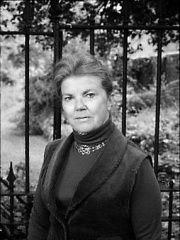
Joan Aiken
1924 - 2004
HPI: 55.35
Puesto: 5,162
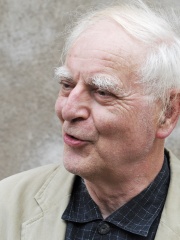
Adolf Muschg
1934 - presente
HPI: 55.35
Puesto: 5,163
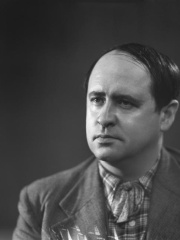
Jacques Audiberti
1899 - 1965
HPI: 55.35
Puesto: 5,164

Zsigmond Kemény
1814 - 1875
HPI: 55.35
Puesto: 5,165
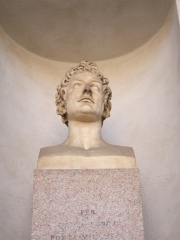
Carlo Porta
1775 - 1821
HPI: 55.35
Puesto: 5,166

Contemporáneos
Entre las personas nacidas en 1465, Beatriz Galindo ocupa el puesto 20. Antes de ella están Ashikaga Yoshihisa, Johann von Staupitz, Konrad Peutinger, Philotheus of Pskov, Diogo Lopes de Sequeira, y Cassandra Fedele. Después de ella está Hector Boece. Entre las personas fallecidas en 1534, Beatriz Galindo ocupa el puesto 16. Antes de ella están Otto Brunfels, Barbara Jagiellon, Antonio da Sangallo the Elder, Johannes Aventinus, Khvandamir, y Magdalena of Saxony.
Otras personas nacidas en 1465
Ver todas las clasificaciones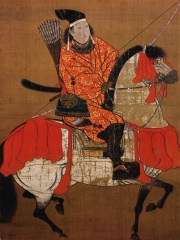
Ashikaga Yoshihisa
POLITICIAN
1465 - 1489
HPI: 62.03
Puesto: 14
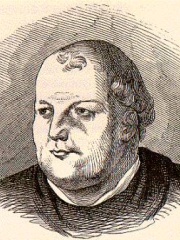
Johann von Staupitz
PHYSICIAN
1465 - 1524
HPI: 61.90
Puesto: 15
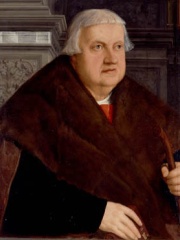
Konrad Peutinger
POLITICIAN
1465 - 1547
HPI: 61.67
Puesto: 16

Philotheus of Pskov
WRITER
1465 - 1542
HPI: 60.16
Puesto: 17
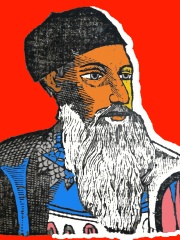
Diogo Lopes de Sequeira
MILITARY PERSONNEL
1465 - 1530
HPI: 57.56
Puesto: 18
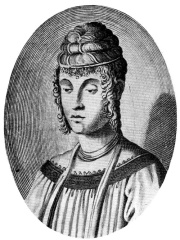
Cassandra Fedele
WRITER
1465 - 1558
HPI: 55.47
Puesto: 19
Beatriz Galindo
WRITER
1465 - 1534
HPI: 55.36
Puesto: 20
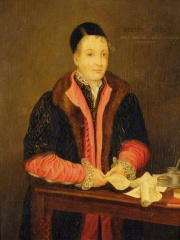
Hector Boece
PHILOSOPHER
1465 - 1536
HPI: 54.29
Puesto: 21
Otras personas fallecidas en 1534
Ver todas las clasificaciones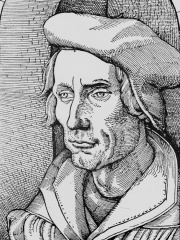
Otto Brunfels
BIOLOGIST
1488 - 1534
HPI: 63.89
Puesto: 10
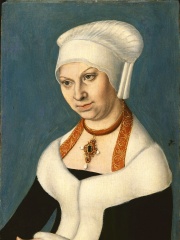
Barbara Jagiellon
POLITICIAN
1478 - 1534
HPI: 63.68
Puesto: 11
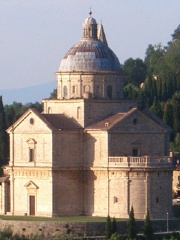
Antonio da Sangallo the Elder
ARCHITECT
1455 - 1534
HPI: 62.96
Puesto: 12
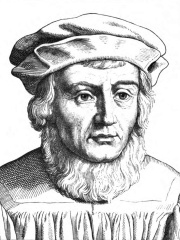
Johannes Aventinus
HISTORIAN
1477 - 1534
HPI: 61.16
Puesto: 13
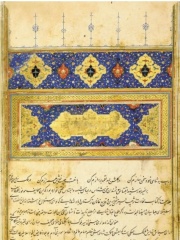
Khvandamir
HISTORIAN
1475 - 1534
HPI: 60.84
Puesto: 14
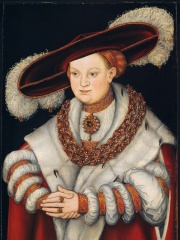
Magdalena of Saxony
NOBLEMAN
1507 - 1534
HPI: 60.28
Puesto: 15
Beatriz Galindo
WRITER
1465 - 1534
HPI: 55.36
Puesto: 16
En España
Entre las personas nacidas en España, Beatriz Galindo ocupa el puesto 1,612 de 3,981. Antes de ella están Alfredo Landa (1933), Juan Luque de Serrallonga (1882), Antonio Gamoneda (1931), Amparo Baró (1937), Ángel Cabrera (1879), y Antonio Olmo (1954). Después de ella están Víctor Fernández (1960), José Enrique (1986), Ada Colau (1974), Albert Riera (1982), Juan Aguilera (1962), y Dani Ceballos (1996).
Otras personas nacidas en España
Ver todas las clasificaciones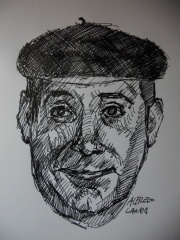
Alfredo Landa
ACTOR
1933 - 2013
HPI: 55.40
Puesto: 1,606

Juan Luque de Serrallonga
SOCCER PLAYER
1882 - 1967
HPI: 55.39
Puesto: 1,607
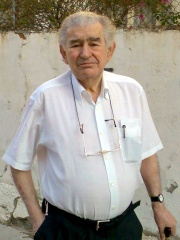
Antonio Gamoneda
WRITER
1931 - presente
HPI: 55.38
Puesto: 1,608
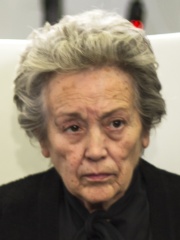
Amparo Baró
ACTOR
1937 - 2015
HPI: 55.37
Puesto: 1,609

Ángel Cabrera
BIOLOGIST
1879 - 1960
HPI: 55.37
Puesto: 1,610
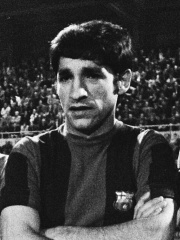
Antonio Olmo
SOCCER PLAYER
1954 - presente
HPI: 55.36
Puesto: 1,611
Beatriz Galindo
WRITER
1465 - 1534
HPI: 55.36
Puesto: 1,612
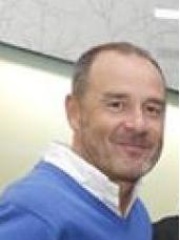
Víctor Fernández
SOCCER PLAYER
1960 - presente
HPI: 55.36
Puesto: 1,613

José Enrique
SOCCER PLAYER
1986 - presente
HPI: 55.34
Puesto: 1,614
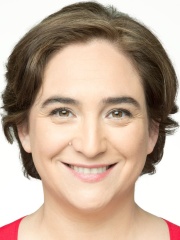
Ada Colau
POLITICIAN
1974 - presente
HPI: 55.34
Puesto: 1,615
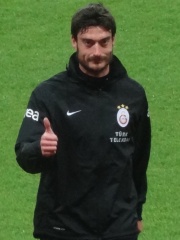
Albert Riera
SOCCER PLAYER
1982 - presente
HPI: 55.33
Puesto: 1,616

Juan Aguilera
TENNIS PLAYER
1962 - 2025
HPI: 55.31
Puesto: 1,617

Dani Ceballos
SOCCER PLAYER
1996 - presente
HPI: 55.31
Puesto: 1,618
Entre Escritor en España
Entre Escritor nacidos en España, Beatriz Galindo ocupa el puesto 190. Antes de ella están León Felipe (1884), Xosé María Díaz Castro (1914), Gabriel Miró (1879), María Teresa León (1903), Manuel Machado (1874), y Antonio Gamoneda (1931). Después de ella están Carme Riera (1948), José María de Pereda (1833), Yann Martel (1963), Alfonso Sastre (1926), José Bergamín (1895), y Tomás de Iriarte y Oropesa (1750).
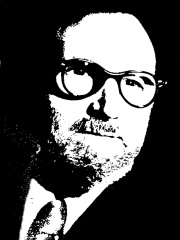
León Felipe
1884 - 1968
HPI: 55.68
Puesto: 184
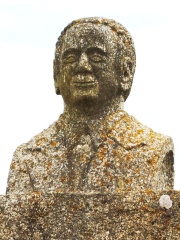
Xosé María Díaz Castro
1914 - 1990
HPI: 55.55
Puesto: 185
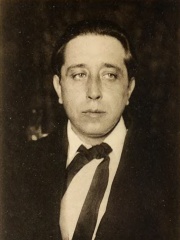
Gabriel Miró
1879 - 1930
HPI: 55.51
Puesto: 186
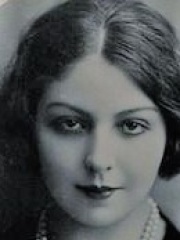
María Teresa León
1903 - 1988
HPI: 55.50
Puesto: 187
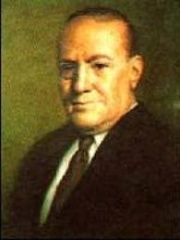
Manuel Machado
1874 - 1947
HPI: 55.47
Puesto: 188
Antonio Gamoneda
1931 - presente
HPI: 55.38
Puesto: 189
Beatriz Galindo
1465 - 1534
HPI: 55.36
Puesto: 190
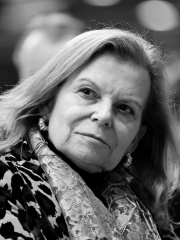
Carme Riera
1948 - presente
HPI: 55.26
Puesto: 191
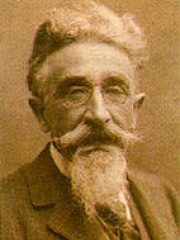
José María de Pereda
1833 - 1906
HPI: 55.09
Puesto: 192
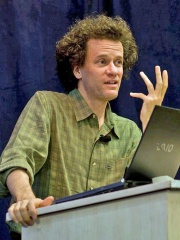
Yann Martel
1963 - presente
HPI: 55.07
Puesto: 193
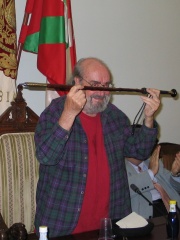
Alfonso Sastre
1926 - 2021
HPI: 54.92
Puesto: 194
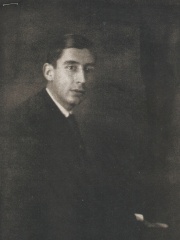
José Bergamín
1895 - 1983
HPI: 54.87
Puesto: 195
Tomás de Iriarte y Oropesa
1750 - 1791
HPI: 54.69
Puesto: 196




