Историк
Abd-al-Razzāq Samarqandī
1413 - 1482
ПРОСМОТРЫ RU.WIKIPEDIA (PV)

 Abd-al-Razzāq Samarqandī
Его биография доступна на 24 различных языках в Википедии. Abd-al-Razzāq Samarqandī занимает 120-е место среди самых популярных историк (рост с 412-е места в 2024 году), занимает 55-е место среди самых популярных биографий из Афганистана (рост с 116-е места в 2019 году) и занимает 2-е место среди историк Афганистан.
Метрики памятности
10k
Просмотры страниц
За последние 12 месяцев
64.80
HPI
Индекс исторической популярности
Интересные факты
+33k
Abd-al-Razzāq Samarqandī поднялся на 32,790 позиций в мировом рейтинге HPI Pantheon, с 52,599-го на 19,825-е место.
Просмотры страницы Abd-al-Razzāq Samarqandī по языкам
Среди представителей профессии «Историк»
Среди представителей профессии «Историк» Abd-al-Razzāq Samarqandī занимает 120-е место из 579. Перед ним идут Reinhart Koselleck, Peter Burke, Leo the Deacon, Michael Glykas, Pierre Nora, и Shoqan Walikhanov. После него идут August Ludwig von Schlözer, Hayden White, Guibert of Nogent, Charles du Fresne, sieur du Cange, Michael Rostovtzeff, и Alois Riegl.
Самые популярные в Википедии: Историк
Все рейтинги
Reinhart Koselleck
1923 - 2006
HPI: 65.13
Место: 114
Peter Burke
1937 - наст. время
HPI: 65.02
Место: 115

Leo the Deacon
950 - 992
HPI: 65.02
Место: 116

Michael Glykas
1125 - 1204
HPI: 64.91
Место: 117
Pierre Nora
1931 - 2025
HPI: 64.90
Место: 118
Shoqan Walikhanov
1835 - 1865
HPI: 64.86
Место: 119
Abd-al-Razzāq Samarqandī
1413 - 1482
HPI: 64.80
Место: 120
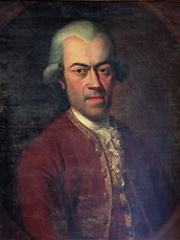
August Ludwig von Schlözer
1735 - 1809
HPI: 64.79
Место: 121
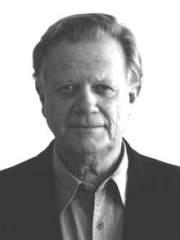
Hayden White
1928 - 2018
HPI: 64.77
Место: 122

Guibert of Nogent
1055 - 1124
HPI: 64.69
Место: 123
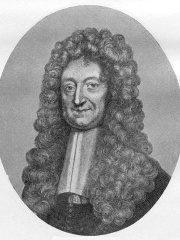
Charles du Fresne, sieur du Cange
1610 - 1688
HPI: 64.64
Место: 124
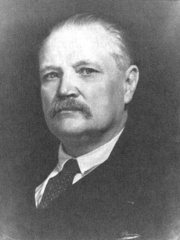
Michael Rostovtzeff
1870 - 1952
HPI: 64.63
Место: 125
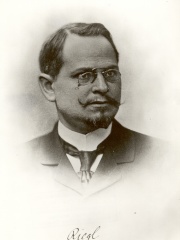
Alois Riegl
1858 - 1905
HPI: 64.61
Место: 126

Современники
Среди людей, родившихся в 1413 году, Abd-al-Razzāq Samarqandī занимает 3-е место. Перед ним идут Louis, Duke of Savoy, и Frederick II, Elector of Brandenburg. После него идут Catherine of Bologna, Borso d'Este, Duke of Ferrara, Ulrich V, Count of Württemberg, Marco Barbarigo, Giosafat Barbaro, Sayf al-Din Khushqadam, и Vakhtang IV of Georgia. Среди людей, умерших в 1482 году, Abd-al-Razzāq Samarqandī занимает 11-е место. Перед ним идут Paolo dal Pozzo Toscanelli, Federico da Montefeltro, Lucrezia Tornabuoni, Philibert I, Duke of Savoy, Gedik Ahmed Pasha, и William III, Landgrave of Thuringia. После него идут Louis of Cyprus, Giovanni di Paolo, William the Victorious, Duke of Brunswick-Lüneburg, и Mechthild of the Palatinate.
Другие люди, родившиеся в 1413 году
Все рейтинги
Louis, Duke of Savoy
POLITICIAN
1413 - 1465
HPI: 68.15
Место: 1
Frederick II, Elector of Brandenburg
POLITICIAN
1413 - 1471
HPI: 66.27
Место: 2
Abd-al-Razzāq Samarqandī
HISTORIAN
1413 - 1482
HPI: 64.80
Место: 3
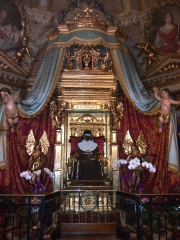
Catherine of Bologna
WRITER
1413 - 1463
HPI: 64.75
Место: 4
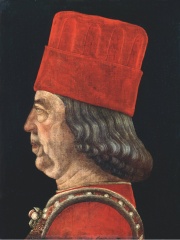
Borso d'Este, Duke of Ferrara
POLITICIAN
1413 - 1471
HPI: 62.85
Место: 5
Ulrich V, Count of Württemberg
POLITICIAN
1413 - 1480
HPI: 61.02
Место: 6
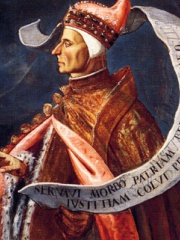
Marco Barbarigo
POLITICIAN
1413 - 1486
HPI: 60.90
Место: 7
Giosafat Barbaro
WRITER
1413 - 1494
HPI: 59.47
Место: 8
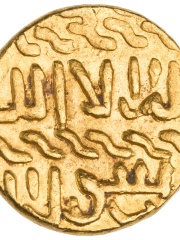
Sayf al-Din Khushqadam
MILITARY PERSONNEL
1413 - 1467
HPI: 59.26
Место: 9

Vakhtang IV of Georgia
POLITICIAN
1413 - 1446
HPI: 58.13
Место: 10
Другие люди, умершие в 1482 году
Все рейтинги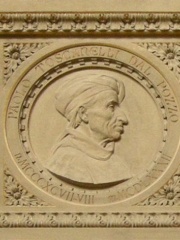
Paolo dal Pozzo Toscanelli
ASTRONOMER
1397 - 1482
HPI: 71.41
Место: 5
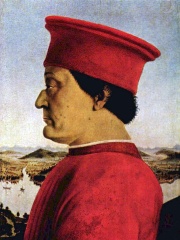
Federico da Montefeltro
MILITARY PERSONNEL
1422 - 1482
HPI: 70.86
Место: 6
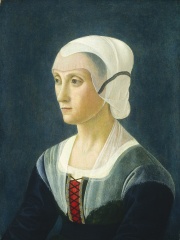
Lucrezia Tornabuoni
WRITER
1427 - 1482
HPI: 67.57
Место: 7
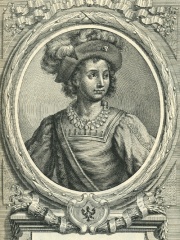
Philibert I, Duke of Savoy
NOBLEMAN
1465 - 1482
HPI: 65.85
Место: 8

Gedik Ahmed Pasha
POLITICIAN
1450 - 1482
HPI: 65.81
Место: 9
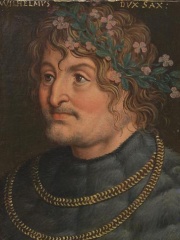
William III, Landgrave of Thuringia
NOBLEMAN
1425 - 1482
HPI: 65.74
Место: 10
Abd-al-Razzāq Samarqandī
HISTORIAN
1413 - 1482
HPI: 64.80
Место: 11
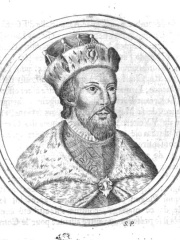
Louis of Cyprus
POLITICIAN
1436 - 1482
HPI: 64.30
Место: 12

Giovanni di Paolo
PAINTER
1403 - 1482
HPI: 61.31
Место: 13
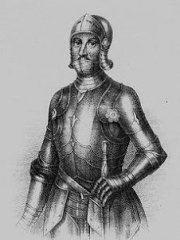
William the Victorious, Duke of Brunswick-Lüneburg
NOBLEMAN
1392 - 1482
HPI: 58.47
Место: 14
Mechthild of the Palatinate
NOBLEMAN
1419 - 1482
HPI: 57.08
Место: 15
В стране Афганистан
Среди людей, родившихся в стране Афганистан, Abd-al-Razzāq Samarqandī занимает 55-е место из 213. Перед ним идут Haji Mohammad Chamkani (1947), Tahir ibn Husayn (776), Ali Hujwiri (1009), Mahmud Shah Durrani (1769), Mirwais Hotak (1673), и Abu Sa'id Mirza (1424). После него идут Abdul Rahim Hatif (1926), Mas'ud I of Ghazni (998), Sher Ali Khan (1825), Menander I (-190), Bairam Khan (1501), и Khwaja Abdullah Ansari (1006).
Другие люди, родившиеся в стране Афганистан
Все рейтинги
Haji Mohammad Chamkani
POLITICIAN
1947 - 2012
HPI: 65.75
Место: 49
Tahir ibn Husayn
POLITICIAN
776 - 822
HPI: 65.50
Место: 50

Ali Hujwiri
RELIGIOUS FIGURE
1009 - 1072
HPI: 65.38
Место: 51
Mahmud Shah Durrani
POLITICIAN
1769 - 1829
HPI: 64.99
Место: 52
Mirwais Hotak
POLITICIAN
1673 - 1715
HPI: 64.94
Место: 53
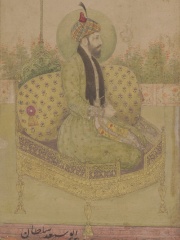
Abu Sa'id Mirza
POLITICIAN
1424 - 1469
HPI: 64.86
Место: 54
Abd-al-Razzāq Samarqandī
HISTORIAN
1413 - 1482
HPI: 64.80
Место: 55

Abdul Rahim Hatif
POLITICIAN
1926 - 2013
HPI: 64.69
Место: 56
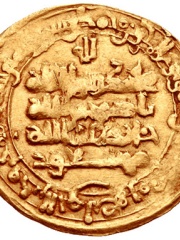
Mas'ud I of Ghazni
POLITICIAN
998 - 1041
HPI: 64.62
Место: 57
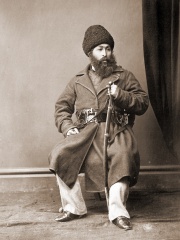
Sher Ali Khan
POLITICIAN
1825 - 1879
HPI: 64.62
Место: 58
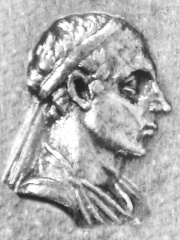
Menander I
POLITICIAN
190 BC - 130 BC
HPI: 64.62
Место: 59
Bairam Khan
POLITICIAN
1501 - 1561
HPI: 64.44
Место: 60
Khwaja Abdullah Ansari
RELIGIOUS FIGURE
1006 - 1089
HPI: 64.35
Место: 61
Среди представителей профессии «Историк» в стране Афганистан
Среди представителей профессии «Историк», родившихся в стране Афганистан, Abd-al-Razzāq Samarqandī занимает 2-е место. Перед ним идёт Minhaj-i-Siraj (1193). После него идут Ibn Hibban (883), и Khvandamir (1475).

Minhaj-i-Siraj
1193 - 1260
HPI: 66.00
Место: 1
Abd-al-Razzāq Samarqandī
1413 - 1482
HPI: 64.80
Место: 2

Ibn Hibban
883 - 965
HPI: 63.98
Место: 3
Khvandamir
1475 - 1534
HPI: 60.84
Место: 4




