政治家
クサンティッペ
500 BC - 400 BC
JA.WIKIPEDIA ページビュー (PV)
 クサンティッペ
知名度指標
230k
ページビュー
過去12か月
77.67
HPI
歴史的人気指数
データインサイト
#679 / 20k
クサンティッペは世界20,022人の政治家の中で第679位、職業全体の上位4%に入ります。
クサンティッペの言語別ページビュー
政治家の中で
政治家の中で、クサンティッペは20,022人中679位です。 彼女より上位:Manuel I of Portugal, Constantius II, Harald Fairhair, Fulgencio Batista, Horemheb, 、John II of France. 彼女より下位:Constantine II of Greece, Menes, Franjo Tuđman, Louis VI of France, Maximian, 、Emperor Gaozu of Han.
ウィキペディアで最も人気のある政治家
すべてのランキングを見る
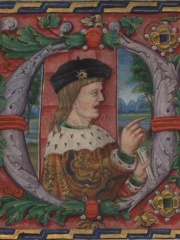
Manuel I of Portugal
1469 - 1521
HPI: 77.70
順位: 673
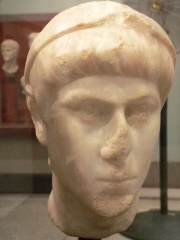
Constantius II
317 - 361
HPI: 77.69
順位: 674

Harald Fairhair
850 - 933
HPI: 77.69
順位: 675
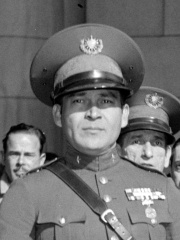
Fulgencio Batista
1901 - 1973
HPI: 77.68
順位: 676
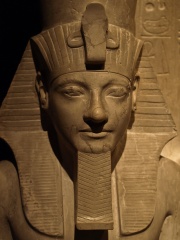
Horemheb
1319 BC - 1292 BC
HPI: 77.68
順位: 677

John II of France
1319 - 1364
HPI: 77.68
順位: 678
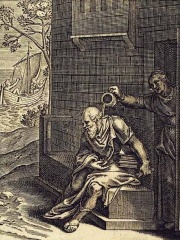
Xanthippe
500 BC - 400 BC
HPI: 77.67
順位: 679
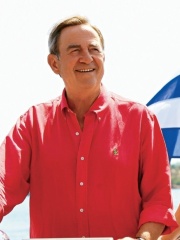
Constantine II of Greece
1940 - 2023
HPI: 77.65
順位: 680
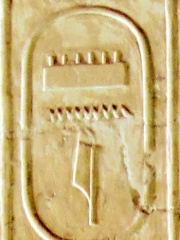
Menes
3200 BC - 3100 BC
HPI: 77.65
順位: 681

Franjo Tuđman
1922 - 1999
HPI: 77.61
順位: 682
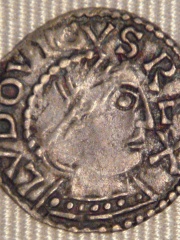
Louis VI of France
1081 - 1137
HPI: 77.61
順位: 683
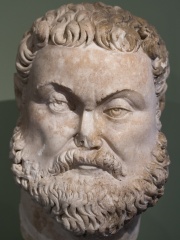
Maximian
240 - 310
HPI: 77.60
順位: 684

Emperor Gaozu of Han
256 BC - 195 BC
HPI: 77.59
順位: 685

同時代の人物
500 BC年生まれの人の中で、クサンティッペは5位です。 彼女より上位:Artaxerxes I of Persia, Anaxagoras, Pāṇini, 、Leucippus. 彼女より下位:Ezra, Xerxes II of Persia, Brennus, Zeuxis, Artemisia I of Caria, Ajatashatru, 、Myron. 400 BC年に亡くなった人の中で、クサンティッペは2位です。 彼女より上位:Aspasia. 彼女より下位:Zeuxis, Ctesias, Thaïs, Leochares, Teos of Egypt, Phaedo of Elis, Eubulides, Alcamenes, Parysatis, 、Oxyartes.
500 BC年生まれのその他の人物
すべてのランキングを見る
Artaxerxes I of Persia
POLITICIAN
500 BC - 424 BC
HPI: 82.94
順位: 1

Anaxagoras
PHILOSOPHER
500 BC - 428 BC
HPI: 82.89
順位: 2
Pāṇini
LINGUIST
500 BC - 460 BC
HPI: 81.60
順位: 3
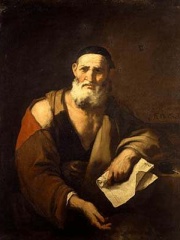
Leucippus
PHILOSOPHER
500 BC - 500 BC
HPI: 80.59
順位: 4
Xanthippe
POLITICIAN
500 BC - 400 BC
HPI: 77.67
順位: 5
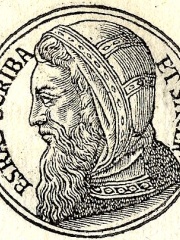
Ezra
RELIGIOUS FIGURE
500 BC - 401 BC
HPI: 77.65
順位: 6
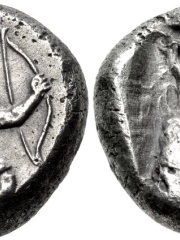
Xerxes II of Persia
POLITICIAN
500 BC - 424 BC
HPI: 77.43
順位: 7
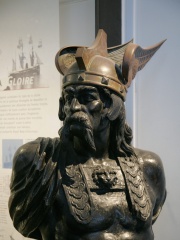
Brennus
POLITICIAN
500 BC - 390 BC
HPI: 75.70
順位: 8
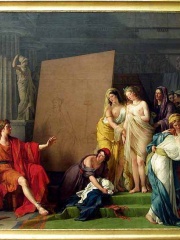
Zeuxis
PAINTER
500 BC - 400 BC
HPI: 74.74
順位: 9
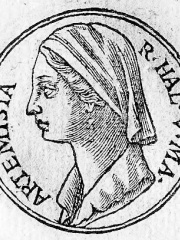
Artemisia I of Caria
POLITICIAN
500 BC - 500 BC
HPI: 74.58
順位: 10
Ajatashatru
POLITICIAN
500 BC - 460 BC
HPI: 74.51
順位: 11
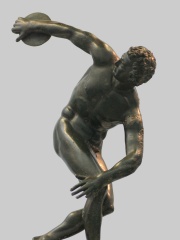
Myron
SCULPTOR
500 BC - 500 BC
HPI: 74.09
順位: 12
400 BC年に亡くなったその他の人物
すべてのランキングを見る
Aspasia
COMPANION
470 BC - 400 BC
HPI: 82.17
順位: 1
Xanthippe
POLITICIAN
500 BC - 400 BC
HPI: 77.67
順位: 2
Zeuxis
PAINTER
500 BC - 400 BC
HPI: 74.74
順位: 3

Ctesias
PHYSICIAN
440 BC - 400 BC
HPI: 71.06
順位: 4

Thaïs
POLITICIAN
400 BC - 400 BC
HPI: 70.25
順位: 5

Leochares
SCULPTOR
400 BC - 400 BC
HPI: 68.77
順位: 6
Teos of Egypt
POLITICIAN
400 BC - 400 BC
HPI: 67.41
順位: 7

Phaedo of Elis
PHILOSOPHER
401 BC - 400 BC
HPI: 67.17
順位: 8

Eubulides
PHILOSOPHER
500 BC - 400 BC
HPI: 66.97
順位: 9
Alcamenes
SCULPTOR
500 BC - 400 BC
HPI: 66.62
順位: 10
Parysatis
POLITICIAN
500 BC - 400 BC
HPI: 66.20
順位: 11
Oxyartes
POLITICIAN
380 BC - 400 BC
HPI: 65.97
順位: 12
ギリシャの中で
ギリシャ生まれの人の中で、クサンティッペは1,135人中59位です。 彼女より上位:Antisthenes (-445), Praxiteles (-395), Irene of Athens (752), Seleucus I Nicator (-358), Vangelis (1943), 、Polybius (-208). 彼女より下位:Constantine II of Greece (1940), Pope Eleutherius (171), Ptolemy II Philadelphus (-308), Ptolemy III Euergetes (-284), Pyrrho (-365), 、Polykleitos (-450).
ギリシャ生まれのその他の人物
すべてのランキングを見る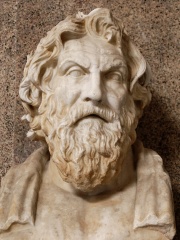
Antisthenes
PHILOSOPHER
445 BC - 365 BC
HPI: 78.34
順位: 53
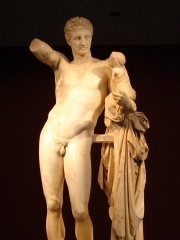
Praxiteles
SCULPTOR
395 BC - 330 BC
HPI: 78.31
順位: 54
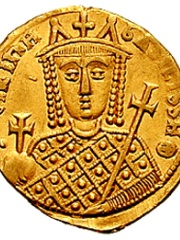
Irene of Athens
POLITICIAN
752 - 803
HPI: 77.97
順位: 55
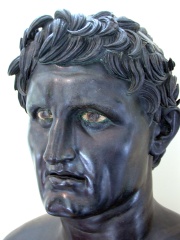
Seleucus I Nicator
MILITARY PERSONNEL
358 BC - 281 BC
HPI: 77.87
順位: 56
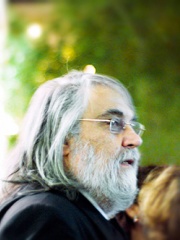
Vangelis
COMPOSER
1943 - 2022
HPI: 77.87
順位: 57
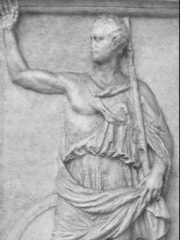
Polybius
HISTORIAN
208 BC - 126 BC
HPI: 77.83
順位: 58
Xanthippe
POLITICIAN
500 BC - 400 BC
HPI: 77.67
順位: 59
Constantine II of Greece
POLITICIAN
1940 - 2023
HPI: 77.65
順位: 60
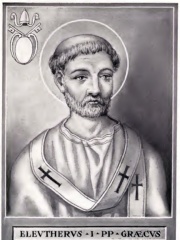
Pope Eleutherius
RELIGIOUS FIGURE
171 - 189
HPI: 77.55
順位: 61
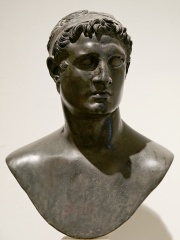
Ptolemy II Philadelphus
POLITICIAN
308 BC - 246 BC
HPI: 77.45
順位: 62
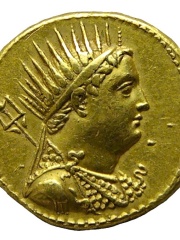
Ptolemy III Euergetes
POLITICIAN
284 BC - 222 BC
HPI: 77.28
順位: 63
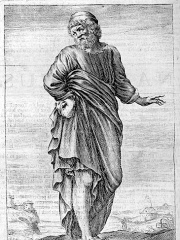
Pyrrho
PHILOSOPHER
365 BC - 275 BC
HPI: 76.97
順位: 64
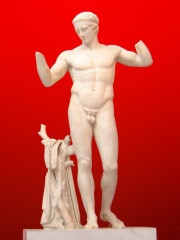
Polykleitos
SCULPTOR
450 BC - 500 BC
HPI: 76.82
順位: 65
ギリシャの政治家の中で
ギリシャ生まれの政治家の中で、クサンティッペは16位です。 彼女より上位:Lycurgus of Sparta (-800), Leonidas I (-540), Peisistratos (-600), Pargalı Ibrahim Pasha (1493), Alcibiades (-450), 、Irene of Athens (752). 彼女より下位:Constantine II of Greece (1940), Ptolemy II Philadelphus (-308), Ptolemy III Euergetes (-284), Epaminondas (-418), Constantine I of Greece (1868), 、George II of Greece (1890).

Lycurgus of Sparta
800 BC - 730 BC
HPI: 80.63
順位: 10
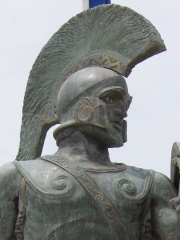
Leonidas I
540 BC - 480 BC
HPI: 80.62
順位: 11

Peisistratos
600 BC - 527 BC
HPI: 80.22
順位: 12
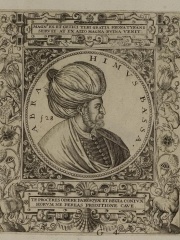
Pargalı Ibrahim Pasha
1493 - 1536
HPI: 80.17
順位: 13
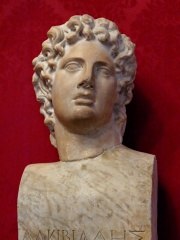
Alcibiades
450 BC - 404 BC
HPI: 79.33
順位: 14
Irene of Athens
752 - 803
HPI: 77.97
順位: 15
Xanthippe
500 BC - 400 BC
HPI: 77.67
順位: 16
Constantine II of Greece
1940 - 2023
HPI: 77.65
順位: 17
Ptolemy II Philadelphus
308 BC - 246 BC
HPI: 77.45
順位: 18
Ptolemy III Euergetes
284 BC - 222 BC
HPI: 77.28
順位: 19
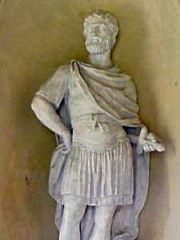
Epaminondas
418 BC - 362 BC
HPI: 76.62
順位: 20
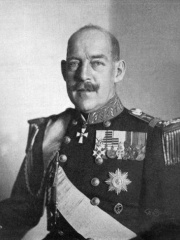
Constantine I of Greece
1868 - 1923
HPI: 76.14
順位: 21

George II of Greece
1890 - 1947
HPI: 75.76
順位: 22




