Filosofo
Zhu Xi
1130 - 1200
VISUALIZZAZIONI SU IT.WIKIPEDIA (PV)
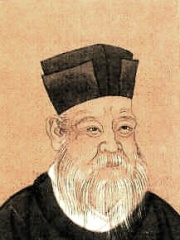
 Zhu Xi
La sua biografia è disponibile in 109 lingue su Wikipedia (in aumento rispetto a 105 nel 2024). Zhu Xi è il 65° filosofo più popolare (in aumento dal 106° nel 2024), la 22ª biografia più popolare della Cina (in aumento dal 38ª nel 2019) e il 5° filosofo più popolare della Cina.
Metriche di memorabilità
190k
Visualizzazioni
Ultimi 12 mesi
81.27
HPI
Indice di popolarità storica
Visualizzazioni della pagina di Zhu Xi per lingua
Tra Filosofo
Tra Filosofo, Zhu Xi occupa la posizione 65 su 1,267. Prima di lui ci sono Ramakrishna, Zeno of Elea, Zhuang Zhou, Epictetus, Thomas More, e Johann Gottlieb Fichte. Dopo di lui ci sono Antonio Gramsci, Zeno of Citium, Xenophanes, Gorgias, Ibn Arabi, e Nagarjuna.
Filosofo più popolari su Wikipedia
Vai a tutte le classifiche
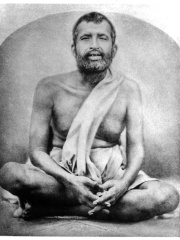
Ramakrishna
1836 - 1886
HPI: 81.84
Posizione: 59

Zeno of Elea
490 BC - 425 BC
HPI: 81.64
Posizione: 60
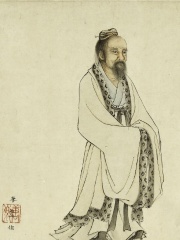
Zhuang Zhou
369 BC - 286 BC
HPI: 81.63
Posizione: 61

Epictetus
50 - 135
HPI: 81.53
Posizione: 62

Thomas More
1478 - 1535
HPI: 81.52
Posizione: 63
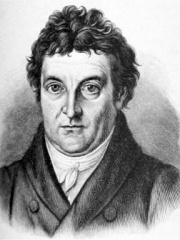
Johann Gottlieb Fichte
1762 - 1814
HPI: 81.40
Posizione: 64
Zhu Xi
1130 - 1200
HPI: 81.27
Posizione: 65
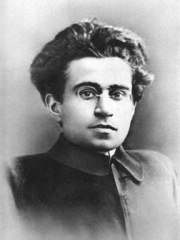
Antonio Gramsci
1891 - 1937
HPI: 80.94
Posizione: 66
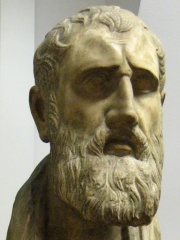
Zeno of Citium
334 BC - 263 BC
HPI: 80.94
Posizione: 67
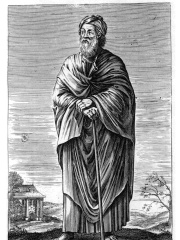
Xenophanes
570 BC - 475 BC
HPI: 80.90
Posizione: 68
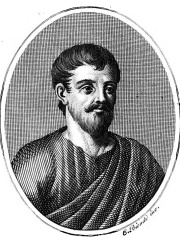
Gorgias
483 BC - 375 BC
HPI: 80.90
Posizione: 69
Ibn Arabi
1165 - 1240
HPI: 80.85
Posizione: 70

Nagarjuna
150 - 250
HPI: 80.71
Posizione: 71

Contemporanei
Tra le persone nate nel 1130, Zhu Xi occupa la posizione 1. Dopo di lui ci sono Pope Clement III, William of Tyre, Saint Rosalia, Baldwin III of Jerusalem, Toghrul, Géza II of Hungary, Charles VII of Sweden, Rashid ad-Din Sinan, Benjamin of Tudela, Magnus II of Sweden, e Euphrosyne of Kiev. Tra le persone decedute nel 1200, Zhu Xi occupa la posizione 1. Dopo di lui ci sono Edgar Ætheling, Trota of Salerno, Ibn al-Jawzi, Ala ad-Din Tekish, Emperor Guangzong of Song, Otto I, Count of Burgundy, John Doukas, Theodora Komnene, Gorakhnath, Gilbert Horal, e Conrad of Wittelsbach.
Altre persone nate nel 1130
Vai a tutte le classificheZhu Xi
PHILOSOPHER
1130 - 1200
HPI: 81.27
Posizione: 1
Pope Clement III
RELIGIOUS FIGURE
1130 - 1191
HPI: 76.61
Posizione: 2

William of Tyre
HISTORIAN
1130 - 1186
HPI: 75.84
Posizione: 3

Saint Rosalia
RELIGIOUS FIGURE
1130 - 1166
HPI: 72.61
Posizione: 4

Baldwin III of Jerusalem
POLITICIAN
1130 - 1163
HPI: 72.52
Posizione: 5

Toghrul
POLITICIAN
1130 - 1203
HPI: 72.19
Posizione: 6

Géza II of Hungary
POLITICIAN
1130 - 1162
HPI: 71.49
Posizione: 7
Charles VII of Sweden
POLITICIAN
1130 - 1167
HPI: 69.50
Posizione: 8
Rashid ad-Din Sinan
SOCIAL ACTIVIST
1130 - 1192
HPI: 68.74
Posizione: 9
Benjamin of Tudela
EXPLORER
1130 - 1173
HPI: 68.08
Posizione: 10
Magnus II of Sweden
POLITICIAN
1130 - 1161
HPI: 68.06
Posizione: 11
Euphrosyne of Kiev
COMPANION
1130 - 1186
HPI: 67.52
Posizione: 12
Altre persone decedute nel 1200
Vai a tutte le classificheZhu Xi
PHILOSOPHER
1130 - 1200
HPI: 81.27
Posizione: 1

Edgar Ætheling
NOBLEMAN
1051 - 1200
HPI: 76.44
Posizione: 2
Trota of Salerno
PHYSICIAN
1001 - 1200
HPI: 69.54
Posizione: 3
Ibn al-Jawzi
WRITER
1116 - 1200
HPI: 67.35
Posizione: 4

Ala ad-Din Tekish
POLITICIAN
1132 - 1200
HPI: 67.07
Posizione: 5

Emperor Guangzong of Song
POLITICIAN
1147 - 1200
HPI: 66.33
Posizione: 6

Otto I, Count of Burgundy
NOBLEMAN
1170 - 1200
HPI: 66.22
Posizione: 7

John Doukas
POLITICIAN
1126 - 1200
HPI: 65.38
Posizione: 8

Theodora Komnene
POLITICIAN
1096 - 1200
HPI: 64.85
Posizione: 9

Gorakhnath
PHILOSOPHER
1100 - 1200
HPI: 63.78
Posizione: 10

Gilbert Horal
POLITICIAN
1200 - 1200
HPI: 61.51
Posizione: 11
Conrad of Wittelsbach
RELIGIOUS FIGURE
1125 - 1200
HPI: 59.06
Posizione: 12
In Cina
Tra le persone nate in Cina, Zhu Xi occupa la posizione 22 su NaN. Prima di lui ci sono Deng Xiaoping (1904), Du Fu (712), Ip Man (1893), Wu Zetian (624), Zhuang Zhou (-369), e Hu Jintao (1942). Dopo di lui ci sono Empress Dowager Cixi (1835), Cao Cao (155), Temür Khan (1265), Toghon Temür (1320), Mencius (-372), e Qianlong Emperor (1711).
Altre persone nate in Cina
Vai a tutte le classifiche
Deng Xiaoping
POLITICIAN
1904 - 1997
HPI: 82.61
Posizione: 16
Du Fu
WRITER
712 - 770
HPI: 82.41
Posizione: 17
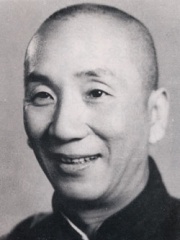
Ip Man
MARTIAL ARTS
1893 - 1972
HPI: 82.04
Posizione: 18
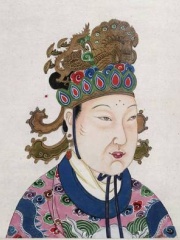
Wu Zetian
POLITICIAN
624 - 705
HPI: 81.68
Posizione: 19
Zhuang Zhou
PHILOSOPHER
369 BC - 286 BC
HPI: 81.63
Posizione: 20

Hu Jintao
POLITICIAN
1942 - presente
HPI: 81.29
Posizione: 21
Zhu Xi
PHILOSOPHER
1130 - 1200
HPI: 81.27
Posizione: 22

Empress Dowager Cixi
POLITICIAN
1835 - 1908
HPI: 80.65
Posizione: 23
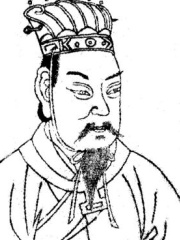
Cao Cao
MILITARY PERSONNEL
155 - 220
HPI: 80.54
Posizione: 24
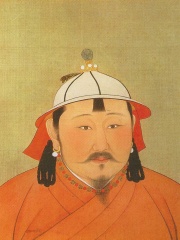
Temür Khan
POLITICIAN
1265 - 1307
HPI: 79.82
Posizione: 25

Toghon Temür
POLITICIAN
1320 - 1370
HPI: 79.46
Posizione: 26

Mencius
PHILOSOPHER
372 BC - 289 BC
HPI: 79.37
Posizione: 27
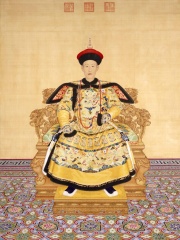
Qianlong Emperor
POLITICIAN
1711 - 1799
HPI: 79.27
Posizione: 28
Tra Filosofo in Cina
Tra Filosofo nati in Cina, Zhu Xi occupa la posizione 5. Prima di lui ci sono Confucius (-551), Laozi (-604), Sun Tzu (-544), e Zhuang Zhou (-369). Dopo di lui ci sono Mencius (-372), Mozi (-470), Han Fei (-280), Xun Kuang (-313), Milarepa (1052), Shen Kuo (1031), e Wang Yangming (1472).
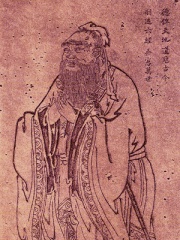
Confucius
551 BC - 479 BC
HPI: 93.57
Posizione: 1
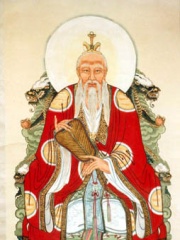
Laozi
604 BC - 600 BC
HPI: 91.85
Posizione: 2
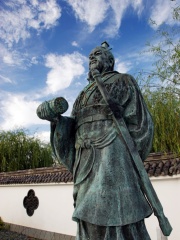
Sun Tzu
544 BC - 496 BC
HPI: 83.60
Posizione: 3
Zhuang Zhou
369 BC - 286 BC
HPI: 81.63
Posizione: 4
Zhu Xi
1130 - 1200
HPI: 81.27
Posizione: 5
Mencius
372 BC - 289 BC
HPI: 79.37
Posizione: 6
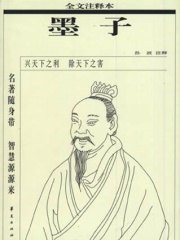
Mozi
470 BC - 391 BC
HPI: 76.56
Posizione: 7
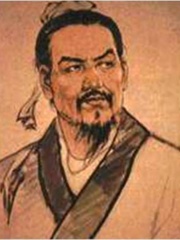
Han Fei
280 BC - 232 BC
HPI: 75.88
Posizione: 8
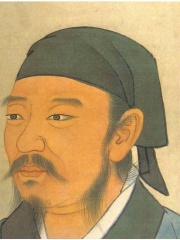
Xun Kuang
313 BC - 238 BC
HPI: 75.28
Posizione: 9

Milarepa
1052 - 1135
HPI: 72.51
Posizione: 10
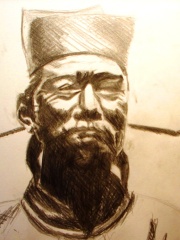
Shen Kuo
1031 - 1095
HPI: 72.33
Posizione: 11
Wang Yangming
1472 - 1529
HPI: 70.74
Posizione: 12




