Filósofo
Zhang Zai
1020 - 1077
ES.WIKIPEDIA PAGE VIEWS (PV)
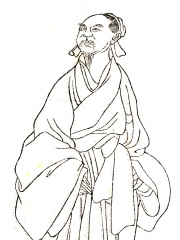
 Zhang Zai
Su biografía está disponible en 21 idiomas en Wikipedia (disminuyó de 22 en 2024). Zhang Zai ocupa el puesto 769 entre los filósofo más populares (bajó del puesto 682 en 2024), el puesto 608 entre las biografías más populares de China (bajó del puesto 551 en 2019) y el puesto 32 entre los filósofo de china más populares.
Memorability Metrics
53k
Page Views
Past 12 months
62.28
HPI
Historical Popularity Index
Page views of Zhang Zai by language
Among Filósofos
Among filósofos, Zhang Zai ranks 769 out of 1,267. Before him are Thiruvalluvar, Luigi Guido Grandi, F. H. Bradley, Kitaro Nishida, Alcidamas, and William Paley. After him are Hermarchus, Denis de Rougemont, Calcidius, Lucien Goldmann, Helmuth Plessner, and Johannes Nikolaus Tetens.
Most Popular Filósofos in Wikipedia
Go to all Rankings
Thiruvalluvar
350 - 351
HPI: 62.34
Rank: 763
Luigi Guido Grandi
1671 - 1742
HPI: 62.33
Rank: 764

F. H. Bradley
1846 - 1924
HPI: 62.33
Rank: 765
Kitaro Nishida
1870 - 1945
HPI: 62.32
Rank: 766

Alcidamas
450 BC - 350 BC
HPI: 62.32
Rank: 767
William Paley
1743 - 1805
HPI: 62.31
Rank: 768
Zhang Zai
1020 - 1077
HPI: 62.28
Rank: 769
Hermarchus
325 BC - 250 BC
HPI: 62.27
Rank: 770
Denis de Rougemont
1906 - 1985
HPI: 62.27
Rank: 771
Calcidius
400 - 500
HPI: 62.26
Rank: 772

Lucien Goldmann
1913 - 1970
HPI: 62.22
Rank: 773

Helmuth Plessner
1892 - 1985
HPI: 62.19
Rank: 774

Johannes Nikolaus Tetens
1736 - 1807
HPI: 62.19
Rank: 775

Contemporaries
Among people born in 1020, Zhang Zai ranks 11. Before him are Su Song, Guo Xi, Constantine the African, William I, Count of Burgundy, Gunhilda of Denmark, and Vladimir of Novgorod. After him are Henry II, Count of Louvain, Adelaide of Susa, Otto of Nordheim, Kekaumenos, Conrad I, Duke of Bavaria, and William FitzOsbern, 1st Earl of Hereford. Among people deceased in 1077, Zhang Zai ranks 6. Before him are Géza I of Hungary, Agnes of Poitou, Anawrahta, Sviatoslav II of Kiev, and Andronikos Doukas. After him are Andronikos Doukas, and Abu'l-Fadl Bayhaqi.
Others Born in 1020
Go to all Rankings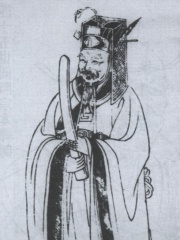
Su Song
ENGINEER
1020 - 1101
HPI: 66.74
Rank: 5

Guo Xi
PAINTER
1020 - 1090
HPI: 66.28
Rank: 6

Constantine the African
PHYSICIAN
1020 - 1087
HPI: 64.85
Rank: 7

William I, Count of Burgundy
POLITICIAN
1020 - 1087
HPI: 64.68
Rank: 8

Gunhilda of Denmark
COMPANION
1020 - 1038
HPI: 63.00
Rank: 9
Vladimir of Novgorod
POLITICIAN
1020 - 1052
HPI: 62.47
Rank: 10
Zhang Zai
PHILOSOPHER
1020 - 1077
HPI: 62.28
Rank: 11

Henry II, Count of Louvain
NOBLEMAN
1020 - 1078
HPI: 62.05
Rank: 12
Adelaide of Susa
POLITICIAN
1020 - 1091
HPI: 61.78
Rank: 13

Otto of Nordheim
NOBLEMAN
1020 - 1083
HPI: 61.17
Rank: 14

Kekaumenos
WRITER
1020 - 1080
HPI: 60.93
Rank: 15

Conrad I, Duke of Bavaria
POLITICIAN
1020 - 1055
HPI: 60.68
Rank: 16

William FitzOsbern, 1st Earl of Hereford
MILITARY PERSONNEL
1020 - 1071
HPI: 58.18
Rank: 17
Others Deceased in 1077
Go to all Rankings
Géza I of Hungary
POLITICIAN
1040 - 1077
HPI: 70.34
Rank: 1

Agnes of Poitou
POLITICIAN
1025 - 1077
HPI: 69.47
Rank: 2
Anawrahta
POLITICIAN
1015 - 1077
HPI: 66.64
Rank: 3
Sviatoslav II of Kiev
POLITICIAN
1027 - 1077
HPI: 66.40
Rank: 4

Andronikos Doukas
POLITICIAN
1006 - 1077
HPI: 66.35
Rank: 5
Zhang Zai
PHILOSOPHER
1020 - 1077
HPI: 62.28
Rank: 6
Andronikos Doukas
POLITICIAN
1058 - 1077
HPI: 60.37
Rank: 7

Abu'l-Fadl Bayhaqi
WRITER
995 - 1077
HPI: 57.96
Rank: 8
In China
Among people born in China, Zhang Zai ranks 608 out of NaN. Before him are Liu Bocheng (1892), Ding Ling (1904), Yin Lihua (5), Qin Jiushao (1201), Peng Zhen (1902), and Ban Biao (3). After him are Li Hong (null), Li Yu (1610), Roy Chiao (1927), Sakya Pandita (1182), Liu Yongfu (1837), and Qin Liangyu (1574).
Others born in China
Go to all Rankings
Liu Bocheng
POLITICIAN
1892 - 1986
HPI: 62.35
Rank: 602

Ding Ling
WRITER
1904 - 1986
HPI: 62.35
Rank: 603

Yin Lihua
POLITICIAN
5 - 64
HPI: 62.35
Rank: 604
Qin Jiushao
MATHEMATICIAN
1201 - 1261
HPI: 62.34
Rank: 605
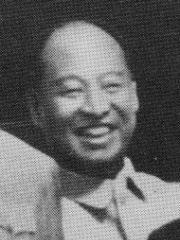
Peng Zhen
POLITICIAN
1902 - 1997
HPI: 62.34
Rank: 606

Ban Biao
POLITICIAN
3 - 54
HPI: 62.33
Rank: 607
Zhang Zai
PHILOSOPHER
1020 - 1077
HPI: 62.28
Rank: 608

Li Hong
ATHLETE
HPI: 62.25
Rank: 609

Li Yu
WRITER
1610 - 1680
HPI: 62.25
Rank: 610

Roy Chiao
ACTOR
1927 - 1999
HPI: 62.24
Rank: 611

Sakya Pandita
WRITER
1182 - 1251
HPI: 62.24
Rank: 612
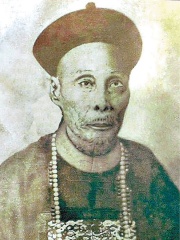
Liu Yongfu
POLITICIAN
1837 - 1917
HPI: 62.23
Rank: 613

Qin Liangyu
MILITARY PERSONNEL
1574 - 1648
HPI: 62.19
Rank: 614
Among Filósofos In China
Among filósofos born in China, Zhang Zai ranks 32. Before him are Wang Bi (226), Liu Bowen (1311), Shen Buhai (-385), Cheng Yi (1033), Li Zhi (1527), and Wang Fuzhi (1619). After him are Lie Yukou (-449), Cheng Hao (1032), Liu Yuxi (772), Feng Youlan (1895), Tao Hongjing (456), and Tan Sitong (1865).
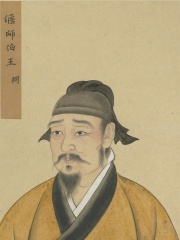
Wang Bi
226 - 249
HPI: 63.86
Rank: 26
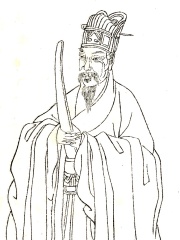
Liu Bowen
1311 - 1375
HPI: 63.77
Rank: 27

Shen Buhai
385 BC - 337 BC
HPI: 63.74
Rank: 28
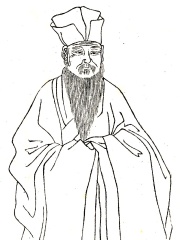
Cheng Yi
1033 - 1107
HPI: 62.98
Rank: 29
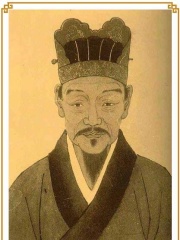
Li Zhi
1527 - 1602
HPI: 62.89
Rank: 30
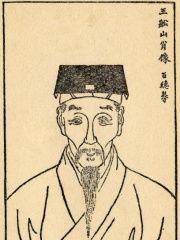
Wang Fuzhi
1619 - 1692
HPI: 62.86
Rank: 31
Zhang Zai
1020 - 1077
HPI: 62.28
Rank: 32
Lie Yukou
449 BC - 500 BC
HPI: 61.94
Rank: 33
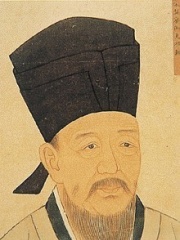
Cheng Hao
1032 - 1085
HPI: 61.07
Rank: 34
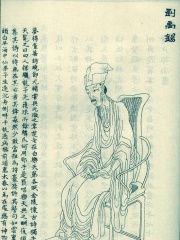
Liu Yuxi
772 - 842
HPI: 60.50
Rank: 35
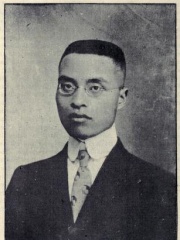
Feng Youlan
1895 - 1990
HPI: 60.38
Rank: 36

Tao Hongjing
456 - 536
HPI: 60.28
Rank: 37
Tan Sitong
1865 - 1898
HPI: 60.19
Rank: 38




