哲学家
Wang Fuzhi
1619 - 1692
ZH.WIKIPEDIA PAGE VIEWS (PV)
 Wang Fuzhi
Memorability Metrics
34k
Page Views
Past 12 months
62.86
HPI
Historical Popularity Index
Page views of Wang Fuzhi by language
Among 哲学家
Among 哲学家, Wang Fuzhi ranks 728 out of 1,267. Before him are Eduard Zeller, Émile Boutroux, Li Zhi, Alvin Plantinga, Kazimierz Łyszczyński, and Al-Taftazani. After him are Julien Benda, Zalmoxis, John Argyropoulos, Jerry Fodor, Wolfhart Pannenberg, and Paolo Sarpi.
Most Popular 哲学家 in Wikipedia
Go to all Rankings
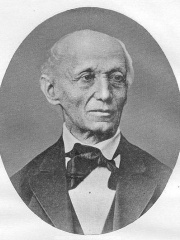
Eduard Zeller
1814 - 1908
HPI: 62.92
Rank: 722
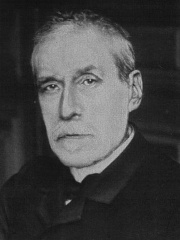
Émile Boutroux
1845 - 1921
HPI: 62.91
Rank: 723
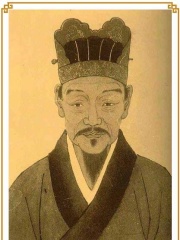
Li Zhi
1527 - 1602
HPI: 62.89
Rank: 724

Alvin Plantinga
1932 - Present
HPI: 62.87
Rank: 725
Kazimierz Łyszczyński
1634 - 1689
HPI: 62.86
Rank: 726

Al-Taftazani
1322 - 1390
HPI: 62.86
Rank: 727
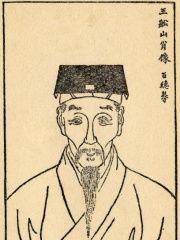
Wang Fuzhi
1619 - 1692
HPI: 62.86
Rank: 728

Julien Benda
1867 - 1956
HPI: 62.85
Rank: 729

Zalmoxis
713 BC - Present
HPI: 62.84
Rank: 730
John Argyropoulos
1415 - 1487
HPI: 62.83
Rank: 731

Jerry Fodor
1935 - 2017
HPI: 62.81
Rank: 732

Wolfhart Pannenberg
1928 - 2014
HPI: 62.75
Rank: 733
Paolo Sarpi
1552 - 1623
HPI: 62.75
Rank: 734

Contemporaries
Among people born in 1619, Wang Fuzhi ranks 15. Before him are Prince Rupert of the Rhine, Anna Catherine Constance Vasa, Anne Geneviève de Bourbon, Philips Wouwerman, Princess Elisabeth Sophie of Saxe-Altenburg, and Philip de Koninck. After him are Henry Oldenburg, Jacob Stainer, Matthias Weckmann, Johann Rosenmüller, Maurice, Duke of Saxe-Zeitz, and Antoine Furetière. Among people deceased in 1692, Wang Fuzhi ranks 4. Before him are Maria Antonia of Austria, Elias Ashmole, and Emanuel de Witte. After him are Prince Georg Friedrich of Waldeck, Marie de Bourbon, Countess of Soissons, Giovanni Battista Vitali, Heinrich Bach, Christian Louis I, Countess Palatine Eleonora Catherine of Zweibrücken, Cornelis Bloemaert, and Thomas Shadwell.
Others Born in 1619
Go to all Rankings
Prince Rupert of the Rhine
POLITICIAN
1619 - 1682
HPI: 65.15
Rank: 9

Anna Catherine Constance Vasa
NOBLEMAN
1619 - 1651
HPI: 64.34
Rank: 10
Anne Geneviève de Bourbon
NOBLEMAN
1619 - 1679
HPI: 64.31
Rank: 11
Philips Wouwerman
PAINTER
1619 - 1668
HPI: 64.22
Rank: 12
Princess Elisabeth Sophie of Saxe-Altenburg
NOBLEMAN
1619 - 1680
HPI: 64.12
Rank: 13

Philip de Koninck
PAINTER
1619 - 1688
HPI: 63.85
Rank: 14
Wang Fuzhi
PHILOSOPHER
1619 - 1692
HPI: 62.86
Rank: 15
Henry Oldenburg
POLITICIAN
1619 - 1677
HPI: 62.79
Rank: 16

Jacob Stainer
POLITICIAN
1619 - 1683
HPI: 61.85
Rank: 17

Matthias Weckmann
COMPOSER
1619 - 1674
HPI: 60.79
Rank: 18

Johann Rosenmüller
COMPOSER
1619 - 1684
HPI: 60.51
Rank: 19
Maurice, Duke of Saxe-Zeitz
NOBLEMAN
1619 - 1681
HPI: 59.84
Rank: 20
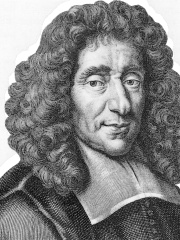
Antoine Furetière
WRITER
1619 - 1688
HPI: 59.58
Rank: 21
Others Deceased in 1692
Go to all Rankings
Maria Antonia of Austria
POLITICIAN
1669 - 1692
HPI: 69.25
Rank: 1
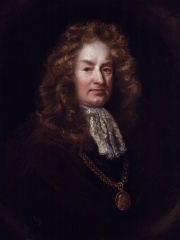
Elias Ashmole
OCCULTIST
1617 - 1692
HPI: 65.47
Rank: 2
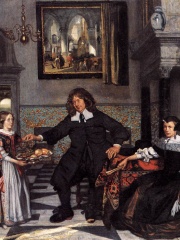
Emanuel de Witte
PAINTER
1617 - 1692
HPI: 64.41
Rank: 3
Wang Fuzhi
PHILOSOPHER
1619 - 1692
HPI: 62.86
Rank: 4
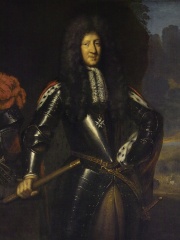
Prince Georg Friedrich of Waldeck
NOBLEMAN
1620 - 1692
HPI: 62.19
Rank: 5
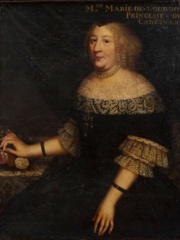
Marie de Bourbon, Countess of Soissons
COMPANION
1606 - 1692
HPI: 61.53
Rank: 6

Giovanni Battista Vitali
COMPOSER
1632 - 1692
HPI: 61.47
Rank: 7

Heinrich Bach
COMPOSER
1615 - 1692
HPI: 59.79
Rank: 8
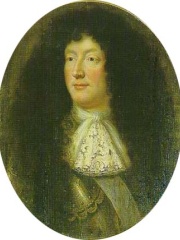
Christian Louis I
NOBLEMAN
1623 - 1692
HPI: 59.76
Rank: 9

Countess Palatine Eleonora Catherine of Zweibrücken
POLITICIAN
1626 - 1692
HPI: 58.43
Rank: 10
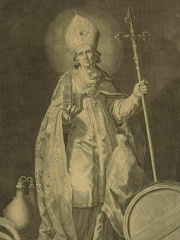
Cornelis Bloemaert
PAINTER
1603 - 1692
HPI: 56.37
Rank: 11
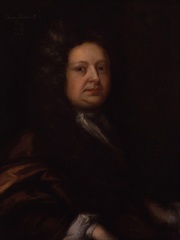
Thomas Shadwell
WRITER
1642 - 1692
HPI: 49.22
Rank: 12
In 中国
Among people born in 中国, Wang Fuzhi ranks 565 out of NaN. Before him are Bian Que (-401), Octar (350), Li Zhi (1527), Zhou Yongkang (1942), Guan Hanqing (1210), and Ma Bufang (1903). After him are Fan Zhongyan (989), Prince Gong (1833), Chen Yi (1901), Xu Shichang (1855), Jimmy Lai (1948), and Ni Zan (1301).
Others born in 中国
Go to all Rankings
Bian Que
PHYSICIAN
401 BC - 310 BC
HPI: 62.93
Rank: 559

Octar
POLITICIAN
350 - 430
HPI: 62.89
Rank: 560
Li Zhi
PHILOSOPHER
1527 - 1602
HPI: 62.89
Rank: 561
Zhou Yongkang
POLITICIAN
1942 - Present
HPI: 62.87
Rank: 562
Guan Hanqing
WRITER
1210 - 1280
HPI: 62.86
Rank: 563
Ma Bufang
POLITICIAN
1903 - 1975
HPI: 62.86
Rank: 564
Wang Fuzhi
PHILOSOPHER
1619 - 1692
HPI: 62.86
Rank: 565
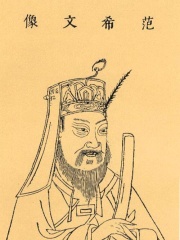
Fan Zhongyan
WRITER
989 - 1052
HPI: 62.85
Rank: 566
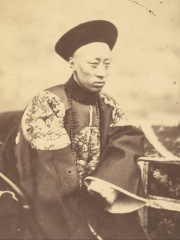
Prince Gong
POLITICIAN
1833 - 1898
HPI: 62.84
Rank: 567
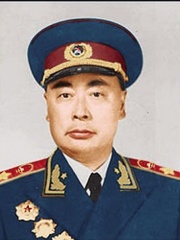
Chen Yi
POLITICIAN
1901 - 1972
HPI: 62.83
Rank: 568
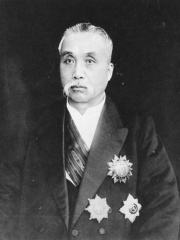
Xu Shichang
POLITICIAN
1855 - 1939
HPI: 62.82
Rank: 569

Jimmy Lai
BUSINESSPERSON
1948 - Present
HPI: 62.79
Rank: 570
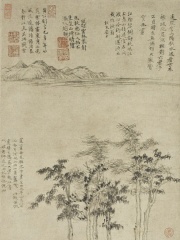
Ni Zan
PAINTER
1301 - 1374
HPI: 62.79
Rank: 571
Among 哲学家 In 中国
Among 哲学家 born in 中国, Wang Fuzhi ranks 31. Before him are Yang Xiong (-53), Wang Bi (226), Liu Bowen (1311), Shen Buhai (-385), Cheng Yi (1033), and Li Zhi (1527). After him are Zhang Zai (1020), Lie Yukou (-449), Cheng Hao (1032), Liu Yuxi (772), Feng Youlan (1895), and Tao Hongjing (456).

Yang Xiong
53 BC - 18
HPI: 64.00
Rank: 25
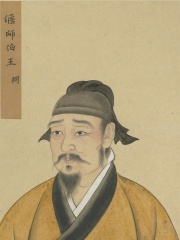
Wang Bi
226 - 249
HPI: 63.86
Rank: 26
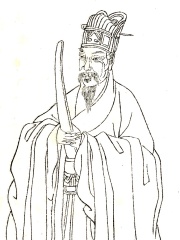
Liu Bowen
1311 - 1375
HPI: 63.77
Rank: 27

Shen Buhai
385 BC - 337 BC
HPI: 63.74
Rank: 28
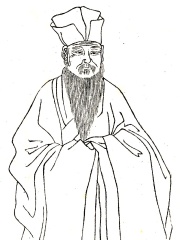
Cheng Yi
1033 - 1107
HPI: 62.98
Rank: 29
Li Zhi
1527 - 1602
HPI: 62.89
Rank: 30
Wang Fuzhi
1619 - 1692
HPI: 62.86
Rank: 31
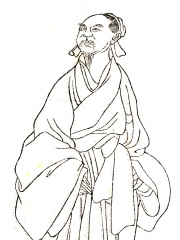
Zhang Zai
1020 - 1077
HPI: 62.28
Rank: 32
Lie Yukou
449 BC - 500 BC
HPI: 61.94
Rank: 33
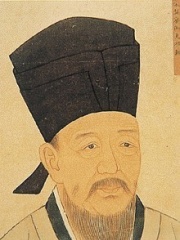
Cheng Hao
1032 - 1085
HPI: 61.07
Rank: 34
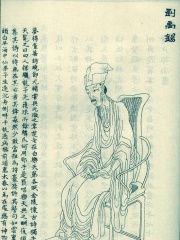
Liu Yuxi
772 - 842
HPI: 60.50
Rank: 35
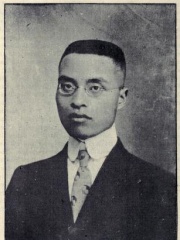
Feng Youlan
1895 - 1990
HPI: 60.38
Rank: 36

Tao Hongjing
456 - 536
HPI: 60.28
Rank: 37




