Pittore
Xia Gui
1195 - 1224
IT.WIKIPEDIA PAGE VIEWS (PV)
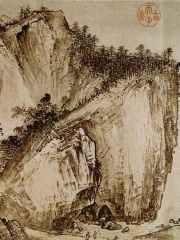
 Xia Gui
La sua biografia è disponibile in 20 lingue su Wikipedia (in aumento rispetto a 19 nel 2024). Xia Gui è la 931ª pittore più popolare (in calo dal 783ª nel 2024), la 643ª biografia più popolare della Cina (in calo dal 569ª nel 2019) e la 17ª pittore più popolare della Cina.
Memorability Metrics
10k
Page Views
Past 12 months
61.74
HPI
Historical Popularity Index
Page views of Xia Gui by language
Among Pittores
Among pittores, Xia Gui ranks 931 out of 2,023. Before her are Johann Liss, Abraham van Beijeren, Peter Lely, Simon de Vlieger, Charles Joshua Chaplin, and Matthew Paris. After her are Aert van der Neer, Jan Porcellis, Giampietrino, Amélie Lundahl, Isaac Israëls, and Henri Le Sidaner.
Most Popular Pittores in Wikipedia
Go to all Rankings

Johann Liss
1597 - 1630
HPI: 61.81
Rank: 925

Abraham van Beijeren
1620 - 1690
HPI: 61.80
Rank: 926
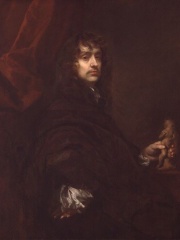
Peter Lely
1618 - 1680
HPI: 61.76
Rank: 927

Simon de Vlieger
1601 - 1653
HPI: 61.76
Rank: 928
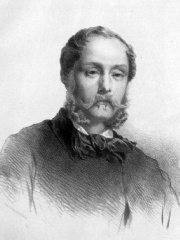
Charles Joshua Chaplin
1825 - 1891
HPI: 61.75
Rank: 929
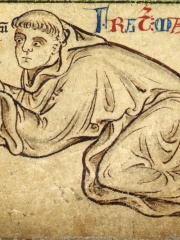
Matthew Paris
1200 - 1259
HPI: 61.74
Rank: 930
Xia Gui
1195 - 1224
HPI: 61.74
Rank: 931

Aert van der Neer
1603 - 1677
HPI: 61.74
Rank: 932
Jan Porcellis
1583 - 1632
HPI: 61.74
Rank: 933
Giampietrino
1495 - 1549
HPI: 61.73
Rank: 934
Amélie Lundahl
1850 - 1914
HPI: 61.72
Rank: 935
Isaac Israëls
1865 - 1934
HPI: 61.71
Rank: 936

Henri Le Sidaner
1862 - 1939
HPI: 61.71
Rank: 937

Contemporaries
Among people born in 1195, Xia Gui ranks 5. Before her are Anthony of Padua, Pope Innocent IV, Ivan Asen II of Bulgaria, and Johannes de Sacrobosco. After her are Geoffrey II of Villehardouin, Henry IV, Duke of Limburg, Philip II, Marquis of Namur, and Henry VI, Count Palatine of the Rhine. Among people deceased in 1224, Xia Gui ranks 6. Before her are Emperor Ningzong, Yusuf II, Almohad caliph, Emperor Xuanzong of Jin, Abd al-Wahid I, and Hōjō Yoshitoki.
Others Born in 1195
Go to all Rankings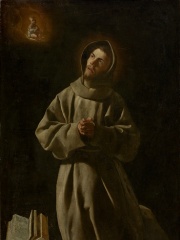
Anthony of Padua
RELIGIOUS FIGURE
1195 - 1231
HPI: 82.94
Rank: 1

Pope Innocent IV
RELIGIOUS FIGURE
1195 - 1254
HPI: 78.50
Rank: 2
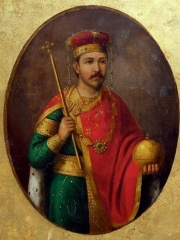
Ivan Asen II of Bulgaria
POLITICIAN
1195 - 1241
HPI: 69.58
Rank: 3

Johannes de Sacrobosco
MATHEMATICIAN
1195 - 1256
HPI: 66.08
Rank: 4
Xia Gui
PAINTER
1195 - 1224
HPI: 61.74
Rank: 5

Geoffrey II of Villehardouin
POLITICIAN
1195 - 1246
HPI: 61.07
Rank: 6

Henry IV, Duke of Limburg
NOBLEMAN
1195 - 1247
HPI: 60.75
Rank: 7

Philip II, Marquis of Namur
POLITICIAN
1195 - 1226
HPI: 59.80
Rank: 8

Henry VI, Count Palatine of the Rhine
1195 - 1214
HPI: 56.43
Rank: 9
Others Deceased in 1224
Go to all Rankings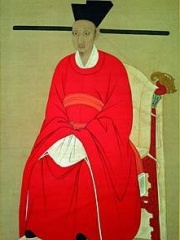
Emperor Ningzong
POLITICIAN
1168 - 1224
HPI: 65.74
Rank: 1

Yusuf II, Almohad caliph
POLITICIAN
1197 - 1224
HPI: 65.15
Rank: 2

Emperor Xuanzong of Jin
POLITICIAN
1163 - 1224
HPI: 63.61
Rank: 3

Abd al-Wahid I
POLITICIAN
1153 - 1224
HPI: 62.82
Rank: 4
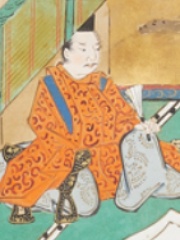
Hōjō Yoshitoki
POLITICIAN
1163 - 1224
HPI: 61.94
Rank: 5
Xia Gui
PAINTER
1195 - 1224
HPI: 61.74
Rank: 6
In Cina
Among people born in Cina, Xia Gui ranks 643 out of NaN. Before her are Yi-Fu Tuan (1930), Li Hongzhi (1951), Zheng Jing (1642), Sergei Stepashin (1952), Shi Pei Pu (1938), and He Long (1896). After her are Ma Huan (1380), Pan Yuliang (1895), Sogyal Rinpoche (1947), Bo Gu (1907), Kenneth Tsang (1935), and Song Yingxing (1587).
Others born in Cina
Go to all Rankings
Yi-Fu Tuan
GEOGRAPHER
1930 - 2022
HPI: 61.78
Rank: 637
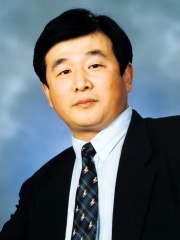
Li Hongzhi
SOCIAL ACTIVIST
1951 - Present
HPI: 61.78
Rank: 638
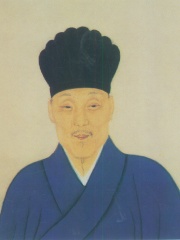
Zheng Jing
POLITICIAN
1642 - 1681
HPI: 61.77
Rank: 639

Sergei Stepashin
POLITICIAN
1952 - Present
HPI: 61.76
Rank: 640

Shi Pei Pu
SINGER
1938 - 2009
HPI: 61.75
Rank: 641
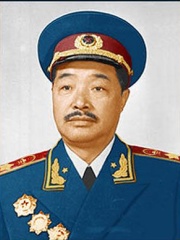
He Long
POLITICIAN
1896 - 1969
HPI: 61.74
Rank: 642
Xia Gui
PAINTER
1195 - 1224
HPI: 61.74
Rank: 643
Ma Huan
EXPLORER
1380 - 1460
HPI: 61.74
Rank: 644
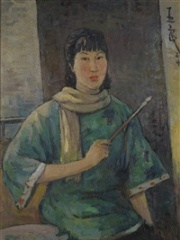
Pan Yuliang
PAINTER
1895 - 1977
HPI: 61.68
Rank: 645
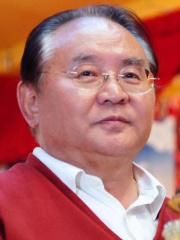
Sogyal Rinpoche
WRITER
1947 - 2019
HPI: 61.68
Rank: 646
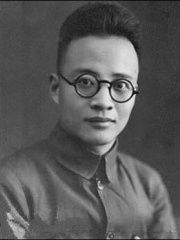
Bo Gu
POLITICIAN
1907 - 1946
HPI: 61.67
Rank: 647

Kenneth Tsang
ACTOR
1935 - 2022
HPI: 61.64
Rank: 648
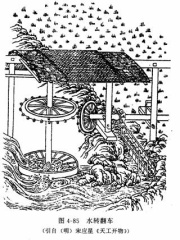
Song Yingxing
WRITER
1587 - 1666
HPI: 61.62
Rank: 649
Among Pittores In Cina
Among pittores born in Cina, Xia Gui ranks 17. Before her are Wen Zhengming (1470), Shen Zhou (1427), Ni Zan (1301), Wu Daozi (680), Ma Yuan (1160), and Huang Tingjian (1045). After her are Pan Yuliang (1895), Zhang Zeduan (1085), Xu Beihong (1895), Xu Wei (1521), Li Cheng (919), and Li Tang (1050).
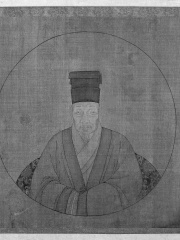
Wen Zhengming
1470 - 1559
HPI: 63.11
Rank: 11
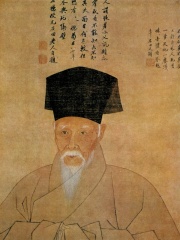
Shen Zhou
1427 - 1509
HPI: 63.08
Rank: 12
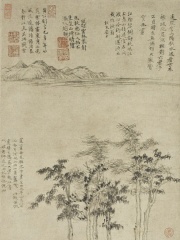
Ni Zan
1301 - 1374
HPI: 62.79
Rank: 13
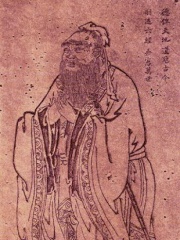
Wu Daozi
680 - 740
HPI: 62.74
Rank: 14
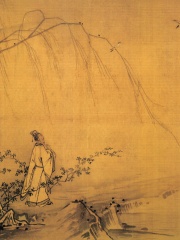
Ma Yuan
1160 - 1225
HPI: 62.13
Rank: 15
Huang Tingjian
1045 - 1105
HPI: 62.11
Rank: 16
Xia Gui
1195 - 1224
HPI: 61.74
Rank: 17
Pan Yuliang
1895 - 1977
HPI: 61.68
Rank: 18
Zhang Zeduan
1085 - 1145
HPI: 61.59
Rank: 19
Xu Beihong
1895 - 1953
HPI: 61.17
Rank: 20
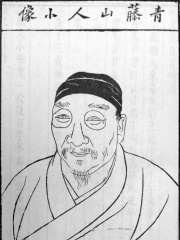
Xu Wei
1521 - 1593
HPI: 61.07
Rank: 21

Li Cheng
919 - 967
HPI: 60.85
Rank: 22

Li Tang
1050 - 1130
HPI: 60.63
Rank: 23




