Figura religiosa
Saint Walpurga
710 - 779
VISUALIZZAZIONI SU IT.WIKIPEDIA (PV)

 Saint Walpurga
La sua biografia è disponibile in 32 lingue su Wikipedia. Saint Walpurga è la 493ª figura religiosa più popolare (in aumento dal 649ª nel 2024), la 384ª biografia più popolare della Regno Unito (in aumento dal 470ª nel 2019) e la 5ª figura religiosa più popolare della Regno Unito.
Metriche di memorabilità
130k
Visualizzazioni
Ultimi 12 mesi
74.05
HPI
Indice di popolarità storica
Dati in evidenza
+2,436
Saint Walpurga ha guadagnato 2,436 posizioni nella classifica HPI globale di Pantheon, passando dal n. 7,018 al n. 4,582.
#384 / 9,870
Saint Walpurga occupa la posizione n. 384 tra le 9,870 persone di Pantheon nate in Regno Unito, nel 4% più alto del gruppo.
Visualizzazioni della pagina di Saint Walpurga per lingua
Tra Figura religiosa
Tra Figura religiosa, Saint Walpurga occupa la posizione 493 su 3,189. Prima di lei ci sono Gad, Saint Florian, Pope John IV, Pope Agapetus I, Saint Spyridon, e Maximus the Confessor. Dopo di lei ci sono Basilios Bessarion, Antipope Benedict XIII, Pope Benedict V, Dietrich Bonhoeffer, Pope Stephen II, e Zaynab bint Ali.
Figura religiosa più popolari su Wikipedia
Vai a tutte le classifiche
Gad
1564 BC - 1439 BC
HPI: 74.31
Posizione: 487
Saint Florian
250 - 304
HPI: 74.28
Posizione: 488
Pope John IV
600 - 642
HPI: 74.28
Posizione: 489
Pope Agapetus I
490 - 536
HPI: 74.22
Posizione: 490

Saint Spyridon
270 - 348
HPI: 74.18
Posizione: 491
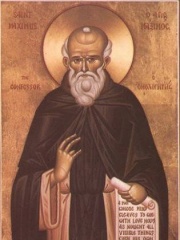
Maximus the Confessor
580 - 662
HPI: 74.16
Posizione: 492
Saint Walpurga
710 - 779
HPI: 74.05
Posizione: 493
Basilios Bessarion
1403 - 1472
HPI: 74.05
Posizione: 494
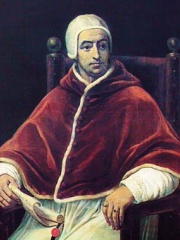
Antipope Benedict XIII
1328 - 1423
HPI: 74.05
Posizione: 495
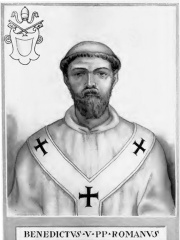
Pope Benedict V
930 - 965
HPI: 74.02
Posizione: 496
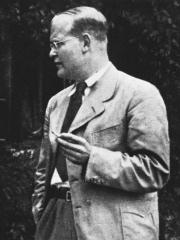
Dietrich Bonhoeffer
1906 - 1945
HPI: 74.02
Posizione: 497

Pope Stephen II
715 - 757
HPI: 74.00
Posizione: 498

Zaynab bint Ali
626 - 682
HPI: 73.95
Posizione: 499

Contemporanei
Tra le persone nate nel 710, Saint Walpurga occupa la posizione 2. Prima di lei c'è Rabia of Basra. Dopo di lei ci sono Krum, Desiderius, Carloman, Antipope Constantine II, Sevar of Bulgaria, Aureolus of Aragon, e Lullus. Tra le persone decedute nel 779, Saint Walpurga occupa la posizione 1. Dopo di lei ci sono Emperor Daizong of Tang, e Saint Sturm.
Altre persone nate nel 710
Vai a tutte le classifiche
Rabia of Basra
RELIGIOUS FIGURE
710 - 801
HPI: 78.81
Posizione: 1
Saint Walpurga
RELIGIOUS FIGURE
710 - 779
HPI: 74.05
Posizione: 2

Krum
POLITICIAN
710 - 814
HPI: 73.78
Posizione: 3
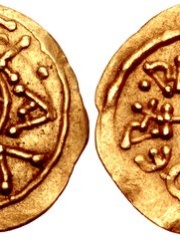
Desiderius
POLITICIAN
710 - 786
HPI: 71.97
Posizione: 4
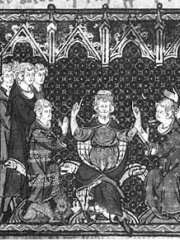
Carloman
POLITICIAN
710 - 754
HPI: 70.70
Posizione: 5

Antipope Constantine II
POLITICIAN
710 - 800
HPI: 65.76
Posizione: 6

Sevar of Bulgaria
POLITICIAN
710 - 753
HPI: 64.01
Posizione: 7

Aureolus of Aragon
POLITICIAN
710 - 809
HPI: 61.76
Posizione: 8
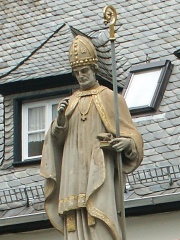
Lullus
RELIGIOUS FIGURE
710 - 786
HPI: 58.43
Posizione: 9
Altre persone decedute nel 779
Vai a tutte le classificheSaint Walpurga
RELIGIOUS FIGURE
710 - 779
HPI: 74.05
Posizione: 1

Emperor Daizong of Tang
POLITICIAN
727 - 779
HPI: 68.01
Posizione: 2

Saint Sturm
RELIGIOUS FIGURE
704 - 779
HPI: 59.19
Posizione: 3
In Regno Unito
Tra le persone nate in Regno Unito, Saint Walpurga occupa la posizione 384 su 9,870. Prima di lei ci sono David Lloyd George (1863), Arthur Evans (1851), Robert Fripp (1946), Roger Penrose (1931), William Wordsworth (1770), e James George Frazer (1854). Dopo di lei ci sono Clement Attlee (1883), Francis Galton (1822), Frederic Leighton (1830), David Prowse (1935), Graham Greene (1904), e Richard Henderson (1945).
Altre persone nate in Regno Unito
Vai a tutte le classifiche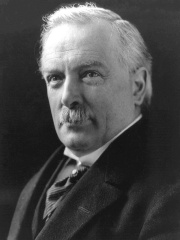
David Lloyd George
POLITICIAN
1863 - 1945
HPI: 74.09
Posizione: 378
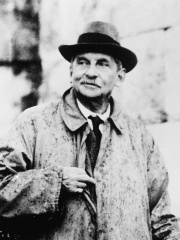
Arthur Evans
ARCHAEOLOGIST
1851 - 1941
HPI: 74.09
Posizione: 379

Robert Fripp
MUSICIAN
1946 - presente
HPI: 74.09
Posizione: 380
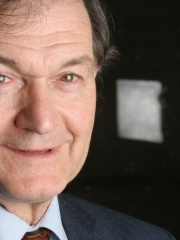
Roger Penrose
PHYSICIST
1931 - presente
HPI: 74.08
Posizione: 381
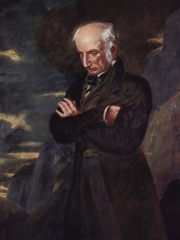
William Wordsworth
WRITER
1770 - 1850
HPI: 74.07
Posizione: 382
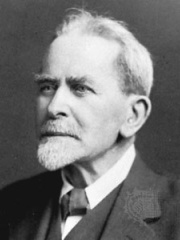
James George Frazer
ANTHROPOLOGIST
1854 - 1941
HPI: 74.05
Posizione: 383
Saint Walpurga
RELIGIOUS FIGURE
710 - 779
HPI: 74.05
Posizione: 384
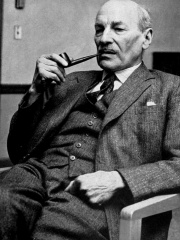
Clement Attlee
POLITICIAN
1883 - 1967
HPI: 74.05
Posizione: 385
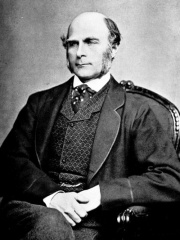
Francis Galton
STATISTICIAN
1822 - 1911
HPI: 74.03
Posizione: 386

Frederic Leighton
PAINTER
1830 - 1896
HPI: 74.03
Posizione: 387

David Prowse
ACTOR
1935 - 2020
HPI: 74.00
Posizione: 388
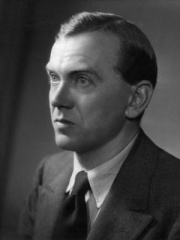
Graham Greene
WRITER
1904 - 1991
HPI: 73.99
Posizione: 389

Richard Henderson
BIOLOGIST
1945 - presente
HPI: 73.98
Posizione: 390
Tra Figura religiosa in Regno Unito
Tra Figura religiosa nati in Regno Unito, Saint Walpurga occupa la posizione 5. Prima di lei ci sono Saint Patrick (385), Saint Boniface (680), John Harvard (1607), e Saint Ursula (400). Dopo di lei ci sono Alcuin (735), William Laud (1573), John Wesley (1703), Thomas Becket (1119), Pope Adrian IV (1100), John Knox (1514), e Edward the Confessor (1003).
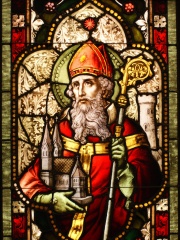
Saint Patrick
385 - 461
HPI: 77.66
Posizione: 1
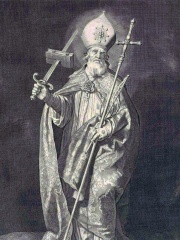
Saint Boniface
680 - 754
HPI: 77.14
Posizione: 2
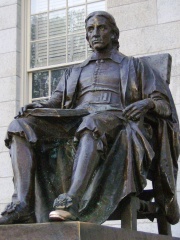
John Harvard
1607 - 1638
HPI: 77.02
Posizione: 3
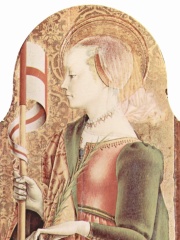
Saint Ursula
400 - 383
HPI: 75.60
Posizione: 4
Saint Walpurga
710 - 779
HPI: 74.05
Posizione: 5

Alcuin
735 - 804
HPI: 73.89
Posizione: 6
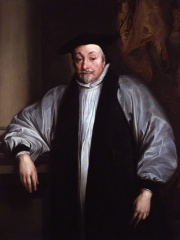
William Laud
1573 - 1645
HPI: 73.32
Posizione: 7
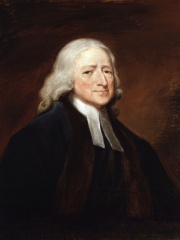
John Wesley
1703 - 1791
HPI: 71.96
Posizione: 8
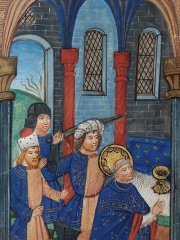
Thomas Becket
1119 - 1170
HPI: 71.64
Posizione: 9
Pope Adrian IV
1100 - 1159
HPI: 71.56
Posizione: 10
John Knox
1514 - 1572
HPI: 71.26
Posizione: 11

Edward the Confessor
1003 - 1066
HPI: 71.18
Posizione: 12




