Религиозный деятель
Рабия Басрская
710 - 801
ПРОСМОТРЫ RU.WIKIPEDIA (PV)
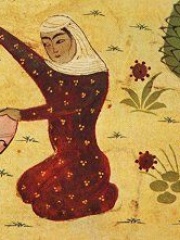
 Рабия Басрская
Её биография доступна на 53 различных языках в Википедии (рост с 50 в 2024 году). Рабия Басрская занимает 253-е место среди самых популярных религиозный деятель (снижение с 157-е места в 2024 году), занимает 12-е место среди самых популярных биографий из Ирака (рост с 15-е места в 2019 году) и занимает 4-е место среди религиозный деятель Ирак.
Метрики памятности
280k
Просмотры страниц
За последние 12 месяцев
78.81
HPI
Индекс исторической популярности
Просмотры страницы Рабия Басрская по языкам
Среди представителей профессии «Религиозный деятель»
Среди представителей профессии «Религиозный деятель» Рабия Басрская занимает 253-е место из 3,187. Перед ней идут Pope John XV, Pope Paschal II, Pope Urban VI, Joachim, Pope Lucius II, и Pope Gelasius I. После неё идут Ānanda, Pope Honorius IV, Pope Adrian II, Pope Paschal I, Pope Gelasius II, и Isidore of Seville.
Самые популярные в Википедии: Религиозный деятель
Все рейтинги
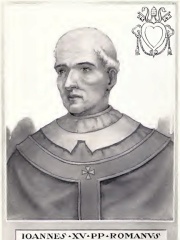
Pope John XV
1000 - 996
HPI: 78.97
Место: 247
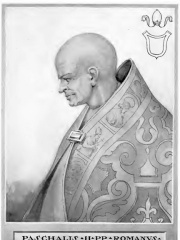
Pope Paschal II
1050 - 1118
HPI: 78.97
Место: 248
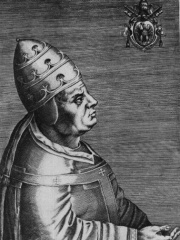
Pope Urban VI
1318 - 1389
HPI: 78.96
Место: 249
Joachim
100 BC - 10 BC
HPI: 78.87
Место: 250
Pope Lucius II
1100 - 1145
HPI: 78.86
Место: 251
Pope Gelasius I
410 - 496
HPI: 78.82
Место: 252
Rabia of Basra
710 - 801
HPI: 78.81
Место: 253

Ānanda
600 BC - 500 BC
HPI: 78.77
Место: 254
Pope Honorius IV
1210 - 1287
HPI: 78.74
Место: 255
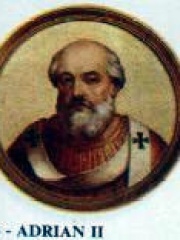
Pope Adrian II
792 - 872
HPI: 78.71
Место: 256
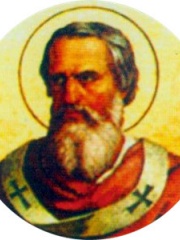
Pope Paschal I
775 - 824
HPI: 78.70
Место: 257
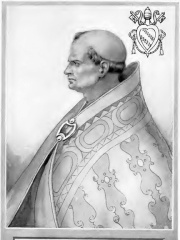
Pope Gelasius II
1062 - 1119
HPI: 78.70
Место: 258

Isidore of Seville
560 - 636
HPI: 78.62
Место: 259

Современники
Среди людей, родившихся в 710 году, Рабия Басрская занимает 1-е место. После неё идут Saint Walpurga, Krum, Desiderius, Carloman, Antipope Constantine II, Sevar of Bulgaria, Aureolus of Aragon, и Lullus. Среди людей, умерших в 801 году, Рабия Басрская занимает 2-е место. Перед ней идёт Ragnar Lodbrok. После неё идут Theophano of Athens, Theodote, Bardanes Tourkos, Constantine, Eudokia Dekapolitissa, и Eadberht III Præn.
Другие люди, родившиеся в 710 году
Все рейтингиRabia of Basra
RELIGIOUS FIGURE
710 - 801
HPI: 78.81
Место: 1
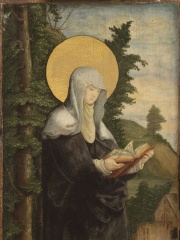
Saint Walpurga
RELIGIOUS FIGURE
710 - 779
HPI: 74.05
Место: 2
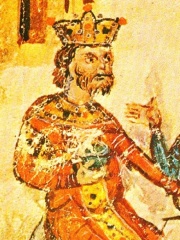
Krum
POLITICIAN
710 - 814
HPI: 73.78
Место: 3
Desiderius
POLITICIAN
710 - 786
HPI: 71.97
Место: 4
Carloman
POLITICIAN
710 - 754
HPI: 70.70
Место: 5

Antipope Constantine II
POLITICIAN
710 - 800
HPI: 65.76
Место: 6

Sevar of Bulgaria
POLITICIAN
710 - 753
HPI: 64.01
Место: 7

Aureolus of Aragon
POLITICIAN
710 - 809
HPI: 61.76
Место: 8
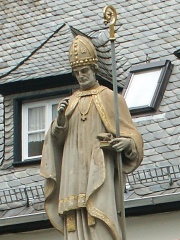
Lullus
RELIGIOUS FIGURE
710 - 786
HPI: 58.43
Место: 9
Другие люди, умершие в 801 году
Все рейтинги
Ragnar Lodbrok
NOBLEMAN
850 - 801
HPI: 83.90
Место: 1
Rabia of Basra
RELIGIOUS FIGURE
710 - 801
HPI: 78.81
Место: 2

Theophano of Athens
POLITICIAN
701 - 801
HPI: 63.87
Место: 3

Theodote
POLITICIAN
780 - 801
HPI: 63.04
Место: 4

Bardanes Tourkos
MILITARY PERSONNEL
800 - 801
HPI: 60.17
Место: 5
Constantine
POLITICIAN
800 - 801
HPI: 57.79
Место: 6
Eudokia Dekapolitissa
POLITICIAN
801 - 801
HPI: 55.70
Место: 7
Eadberht III Præn
POLITICIAN
800 - 801
HPI: 51.93
Место: 8
В стране Ирак
Среди людей, родившихся в стране Ирак, Рабия Басрская занимает 12-е место из NaN. Перед ней идут Abu Hanifa (698), Ibn al-Haytham (965), Möngke Khan (1209), Al-Kindi (801), Ashurbanipal (-685), и Sarah (-1803). После неё идут Al-Masudi (896), Sargon of Akkad (-2300), Fuzûlî (1494), Zaha Hadid (1950), Mani (216), и Nur ad-Din (1116).
Другие люди, родившиеся в стране Ирак
Все рейтинги
Abu Hanifa
RELIGIOUS FIGURE
698 - 767
HPI: 83.39
Место: 6
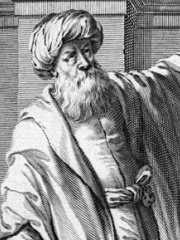
Ibn al-Haytham
PHYSICIST
965 - 1039
HPI: 82.42
Место: 7
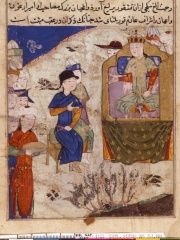
Möngke Khan
POLITICIAN
1209 - 1259
HPI: 82.42
Место: 8
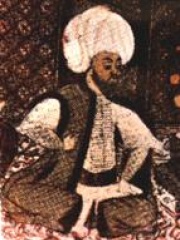
Al-Kindi
PHILOSOPHER
801 - 866
HPI: 80.39
Место: 9
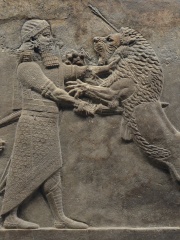
Ashurbanipal
POLITICIAN
685 BC - 627 BC
HPI: 80.19
Место: 10
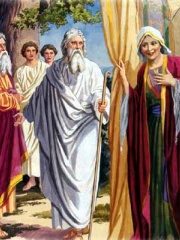
Sarah
RELIGIOUS FIGURE
1803 BC - 1676 BC
HPI: 79.84
Место: 11
Rabia of Basra
RELIGIOUS FIGURE
710 - 801
HPI: 78.81
Место: 12
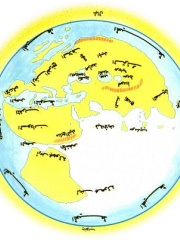
Al-Masudi
WRITER
896 - 956
HPI: 78.74
Место: 13
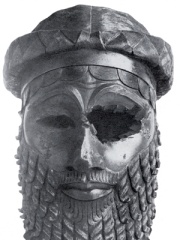
Sargon of Akkad
POLITICIAN
2300 BC - 2215 BC
HPI: 78.68
Место: 14
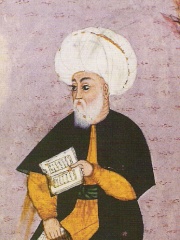
Fuzûlî
WRITER
1494 - 1556
HPI: 78.46
Место: 15
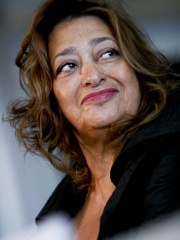
Zaha Hadid
ARCHITECT
1950 - 2016
HPI: 78.46
Место: 16
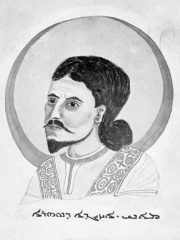
Mani
RELIGIOUS FIGURE
216 - 274
HPI: 78.43
Место: 17
Nur ad-Din
POLITICIAN
1116 - 1174
HPI: 78.41
Место: 18
Среди представителей профессии «Религиозный деятель» в стране Ирак
Среди представителей профессии «Религиозный деятель», родившихся в стране Ирак, Рабия Басрская занимает 4-е место. Перед ней идут Abraham (-1813), Abu Hanifa (698), и Sarah (-1803). После неё идут Mani (216), Ezra (-500), Muhammad al-Mahdi (869), Belshazzar (-600), Eber (-2038), Junayd of Baghdad (830), Louis Raphaël I Sako (1948), и Ibn Hisham (701).

Abraham
1813 BC - 1638 BC
HPI: 89.99
Место: 1
Abu Hanifa
698 - 767
HPI: 83.39
Место: 2
Sarah
1803 BC - 1676 BC
HPI: 79.84
Место: 3
Rabia of Basra
710 - 801
HPI: 78.81
Место: 4
Mani
216 - 274
HPI: 78.43
Место: 5
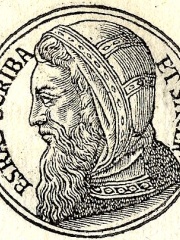
Ezra
500 BC - 401 BC
HPI: 77.65
Место: 6
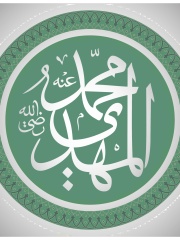
Muhammad al-Mahdi
869 - 941
HPI: 76.87
Место: 7

Belshazzar
600 BC - 600 BC
HPI: 75.54
Место: 8
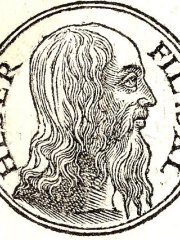
Eber
2038 BC - 1574 BC
HPI: 74.57
Место: 9
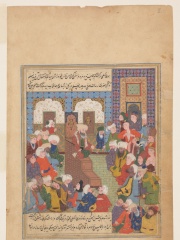
Junayd of Baghdad
830 - 910
HPI: 71.53
Место: 10
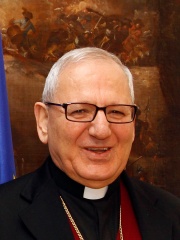
Louis Raphaël I Sako
1948 - наст. время
HPI: 70.61
Место: 11

Ibn Hisham
701 - 833
HPI: 70.58
Место: 12




