Figura religiosa
Philomena
291 - 304
VISUALIZZAZIONI SU IT.WIKIPEDIA (PV)
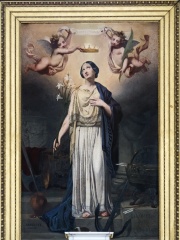
 Philomena
La sua biografia è disponibile in 31 lingue su Wikipedia (in aumento rispetto a 30 nel 2024). Philomena è la 561ª figura religiosa più popolare (in calo dal 429ª nel 2024), la 121ª biografia più popolare della Grecia (in calo dal 99ª nel 2019) e la 10ª figura religiosa più popolare della Grecia.
Metriche di memorabilità
250k
Visualizzazioni
Ultimi 12 mesi
73.04
HPI
Indice di popolarità storica
Dati in evidenza
#1 / 11
Philomena è la personalità più memorabile tra le 11 persone illustri nate a Corfu, in quella che è oggi Grecia, davanti a Ioannis Kapodistrias, Michael Glykas e Ian Hamilton.
Visualizzazioni della pagina di Philomena per lingua
Tra Figura religiosa
Tra Figura religiosa, Philomena occupa la posizione 561 su 3,189. Prima di lei ci sono Baha-ud-Din Naqshband Bukhari, Zaynab bint Khuzayma, Uwais al-Qarani, Pope Leo VIII, Moses the Black, e Saint Menas. Dopo di lei ci sono Halimah bint Abi Dhuayb, Jehoshaphat, Ibrahim ibn Muhammad, Paul of Thebes, Rose of Lima, e Archduke Rudolf of Austria.
Figura religiosa più popolari su Wikipedia
Vai a tutte le classifiche
Baha-ud-Din Naqshband Bukhari
1327 - 1390
HPI: 73.10
Posizione: 555

Zaynab bint Khuzayma
595 - 626
HPI: 73.09
Posizione: 556

Uwais al-Qarani
594 - 657
HPI: 73.09
Posizione: 557
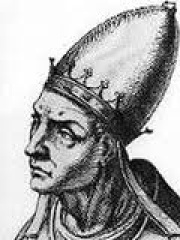
Pope Leo VIII
900 - 965
HPI: 73.09
Posizione: 558
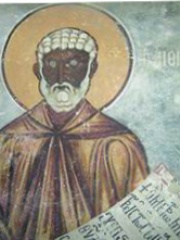
Moses the Black
332 - 407
HPI: 73.05
Posizione: 559
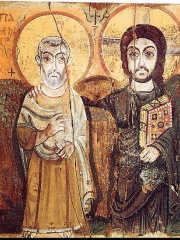
Saint Menas
285 - 309
HPI: 73.04
Posizione: 560
Philomena
291 - 304
HPI: 73.04
Posizione: 561
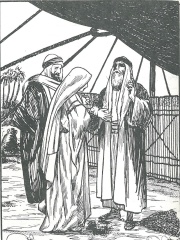
Halimah bint Abi Dhuayb
550 - 629
HPI: 72.96
Posizione: 562
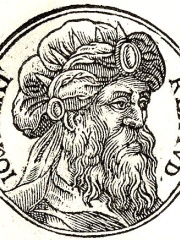
Jehoshaphat
908 BC - 849 BC
HPI: 72.95
Posizione: 563

Ibrahim ibn Muhammad
630 - 632
HPI: 72.91
Posizione: 564

Paul of Thebes
227 - 342
HPI: 72.89
Posizione: 565

Rose of Lima
1586 - 1617
HPI: 72.88
Posizione: 566
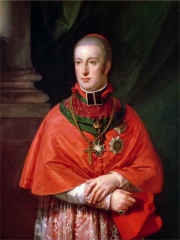
Archduke Rudolf of Austria
1788 - 1831
HPI: 72.87
Posizione: 567

Contemporanei
Tra le persone nate nel 291, Philomena occupa la posizione 2. Prima di lei c'è Agnes of Rome. Dopo di lei c'è Hilarion. Tra le persone decedute nel 304, Philomena occupa la posizione 6. Prima di lei ci sono Saint Lucy, Saint Florian, Vincent of Saragossa, Pope Marcellinus, e Anastasia of Sirmium. Dopo di lei ci sono Christina of Bolsena, Pancras of Rome, Eulalia of Mérida, Juliana of Nicomedia, Euphemia, e Saint Afra.
Altre persone nate nel 291
Vai a tutte le classifiche
Agnes of Rome
RELIGIOUS FIGURE
291 - 305
HPI: 79.22
Posizione: 1
Philomena
RELIGIOUS FIGURE
291 - 304
HPI: 73.04
Posizione: 2

Hilarion
RELIGIOUS FIGURE
291 - 372
HPI: 65.87
Posizione: 3
Altre persone decedute nel 304
Vai a tutte le classifiche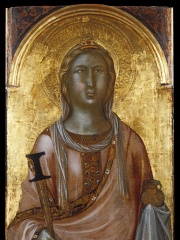
Saint Lucy
RELIGIOUS FIGURE
283 - 304
HPI: 83.96
Posizione: 1
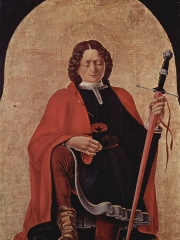
Saint Florian
RELIGIOUS FIGURE
250 - 304
HPI: 74.28
Posizione: 2
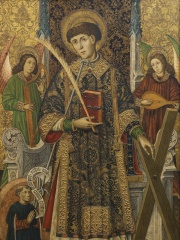
Vincent of Saragossa
RELIGIOUS FIGURE
300 - 304
HPI: 73.81
Posizione: 3
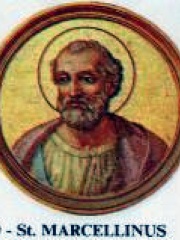
Pope Marcellinus
RELIGIOUS FIGURE
250 - 304
HPI: 73.77
Posizione: 4
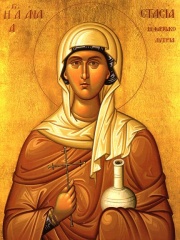
Anastasia of Sirmium
RELIGIOUS FIGURE
281 - 304
HPI: 73.46
Posizione: 5
Philomena
RELIGIOUS FIGURE
291 - 304
HPI: 73.04
Posizione: 6
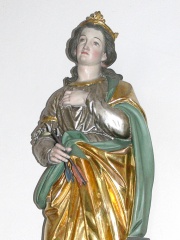
Christina of Bolsena
RELIGIOUS FIGURE
210 - 304
HPI: 72.38
Posizione: 7
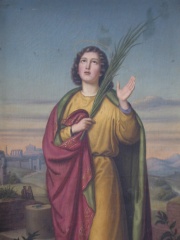
Pancras of Rome
RELIGIOUS FIGURE
289 - 304
HPI: 72.06
Posizione: 8

Eulalia of Mérida
RELIGIOUS FIGURE
290 - 304
HPI: 70.29
Posizione: 9
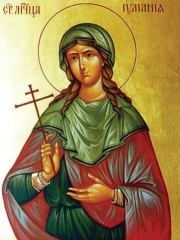
Juliana of Nicomedia
RELIGIOUS FIGURE
285 - 304
HPI: 70.03
Posizione: 10

Euphemia
RELIGIOUS FIGURE
289 - 304
HPI: 69.12
Posizione: 11
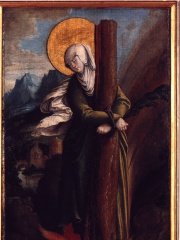
Saint Afra
RELIGIOUS FIGURE
300 - 304
HPI: 64.95
Posizione: 12
In Grecia
Tra le persone nate in Grecia, Philomena occupa la posizione 121 su 1,135. Prima di lei ci sono Berenice I of Egypt (-340), Polycrates (-600), Demetrius Vikelas (1835), Saint Titus (13), Critias (-460), e Phryne (-371). Dopo di lei ci sono Quintus Curtius Rufus (41), Demetrius of Phalerum (-350), Scopas (-395), Phaedrus (-20), Lysias (-445), e Ictinus (-500).
Altre persone nate in Grecia
Vai a tutte le classifiche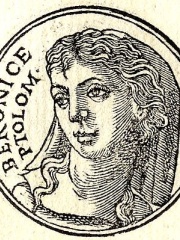
Berenice I of Egypt
POLITICIAN
340 BC - 268 BC
HPI: 73.40
Posizione: 115
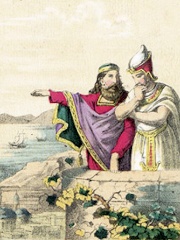
Polycrates
POLITICIAN
600 BC - 515 BC
HPI: 73.36
Posizione: 116
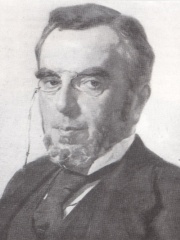
Demetrius Vikelas
WRITER
1835 - 1908
HPI: 73.34
Posizione: 117
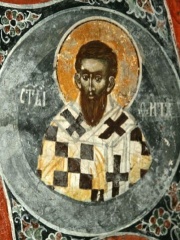
Saint Titus
RELIGIOUS FIGURE
13 - 107
HPI: 73.32
Posizione: 118

Critias
POLITICIAN
460 BC - 403 BC
HPI: 73.26
Posizione: 119
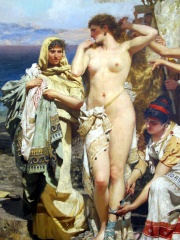
Phryne
MODEL
371 BC - 310 BC
HPI: 73.16
Posizione: 120
Philomena
RELIGIOUS FIGURE
291 - 304
HPI: 73.04
Posizione: 121
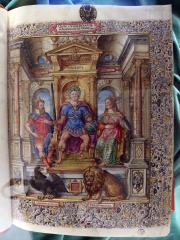
Quintus Curtius Rufus
HISTORIAN
41 - 53
HPI: 72.96
Posizione: 122
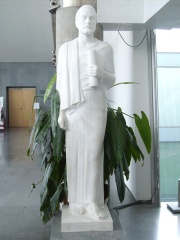
Demetrius of Phalerum
PUBLIC WORKER
350 BC - 282 BC
HPI: 72.94
Posizione: 123
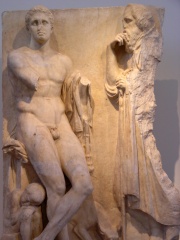
Scopas
SCULPTOR
395 BC - 350 BC
HPI: 72.92
Posizione: 124

Phaedrus
WRITER
20 BC - 50
HPI: 72.90
Posizione: 125
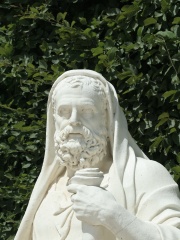
Lysias
WRITER
445 BC - 380 BC
HPI: 72.87
Posizione: 126

Ictinus
ARCHITECT
500 BC - presente
HPI: 72.84
Posizione: 127
Tra Figura religiosa in Grecia
Tra Figura religiosa nati in Grecia, Philomena occupa la posizione 10. Prima di lei ci sono Pope Dionysius (200), Demetrius of Thessaloniki (270), Pope Hyginus (100), Dionysius the Areopagite (100), Athenagoras I of Constantinople (1886), e Saint Titus (13). Dopo di lei ci sono Antipope Alexander V (1339), Saint Giles (640), Porphyry of Gaza (347), Phoebe (50), Nicholas Kabasilas (1322), e Athenagoras of Athens (133).
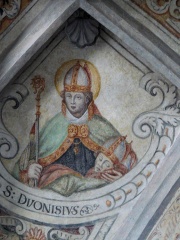
Pope Dionysius
200 - 268
HPI: 76.42
Posizione: 4
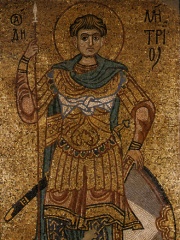
Demetrius of Thessaloniki
270 - 306
HPI: 76.26
Posizione: 5
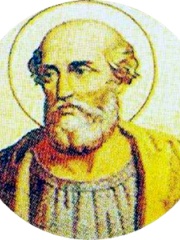
Pope Hyginus
100 - 142
HPI: 75.67
Posizione: 6
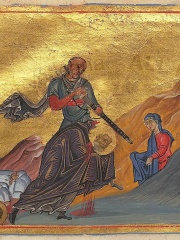
Dionysius the Areopagite
100 - 100
HPI: 73.94
Posizione: 7
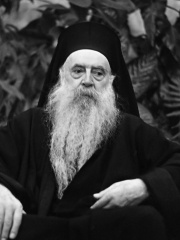
Athenagoras I of Constantinople
1886 - 1972
HPI: 73.41
Posizione: 8
Saint Titus
13 - 107
HPI: 73.32
Posizione: 9
Philomena
291 - 304
HPI: 73.04
Posizione: 10
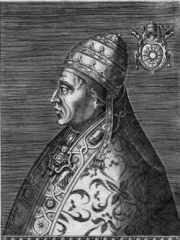
Antipope Alexander V
1339 - 1410
HPI: 72.58
Posizione: 11

Saint Giles
640 - 710
HPI: 72.04
Posizione: 12
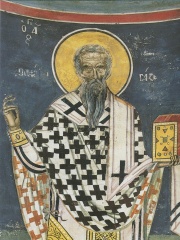
Porphyry of Gaza
347 - 420
HPI: 70.71
Posizione: 13
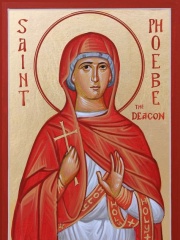
Phoebe
50 - 100
HPI: 69.48
Posizione: 14

Nicholas Kabasilas
1322 - 1391
HPI: 69.48
Posizione: 15

Athenagoras of Athens
133 - 190
HPI: 68.81
Posizione: 16




