Религиозный деятель
Rose of Lima
1586 - 1617
ПРОСМОТРЫ RU.WIKIPEDIA (PV)
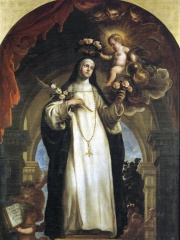
 Rose of Lima
Её биография доступна на 50 различных языках в Википедии (рост с 46 в 2024 году). Rose of Lima занимает 566-е место среди самых популярных религиозный деятель (снижение с 507-е места в 2024 году), занимает 11-е место среди самых популярных биографий из Перу (снижение с 10-е места в 2019 году) и занимает 2-е место среди религиозный деятель Перу.
Метрики памятности
380k
Просмотры страниц
За последние 12 месяцев
72.88
HPI
Индекс исторической популярности
Интересные факты
#1
Из 18 личностей Pantheon, родившихся в 1586 году, Rose of Lima — самая известная.
#5,664
Спустя более 4 веков после смерти Rose of Lima по-прежнему занимает 5,664-е место среди всех личностей в Pantheon.
441
Rose of Lima — одна из всего лишь 441 женщин среди 3,187 Религиозный деятель в Pantheon.
50
Биография Rose of Lima представлена в 50 языковых разделах Википедии — больше, чем у 86 % всех Религиозный деятель.
Просмотры страницы Rose of Lima по языкам
Среди представителей профессии «Религиозный деятель»
Среди представителей профессии «Религиозный деятель» Rose of Lima занимает 566-е место из 3,187. Перед ней идут Saint Menas, Philomena, Halimah bint Abi Dhuayb, Jehoshaphat, Ibrahim ibn Muhammad, и Paul of Thebes. После неё идут Archduke Rudolf of Austria, Ibn Hazm, Annas, Josemaría Escrivá, Pope Severinus, и Pope Stephen V.
Самые популярные в Википедии: Религиозный деятель
Все рейтинги
Saint Menas
285 - 309
HPI: 73.04
Место: 560
Philomena
291 - 304
HPI: 73.04
Место: 561
Halimah bint Abi Dhuayb
550 - 629
HPI: 72.96
Место: 562
Jehoshaphat
908 BC - 849 BC
HPI: 72.95
Место: 563

Ibrahim ibn Muhammad
630 - 632
HPI: 72.91
Место: 564

Paul of Thebes
227 - 342
HPI: 72.89
Место: 565
Rose of Lima
1586 - 1617
HPI: 72.88
Место: 566
Archduke Rudolf of Austria
1788 - 1831
HPI: 72.87
Место: 567
Ibn Hazm
994 - 1064
HPI: 72.87
Место: 568
Annas
22 BC - 66
HPI: 72.86
Место: 569
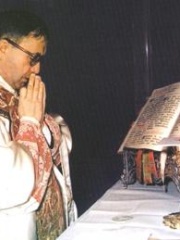
Josemaría Escrivá
1902 - 1975
HPI: 72.84
Место: 570
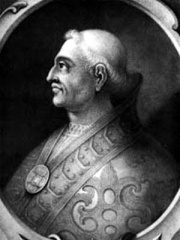
Pope Severinus
600 - 640
HPI: 72.83
Место: 571
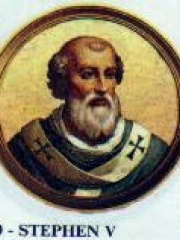
Pope Stephen V
850 - 891
HPI: 72.83
Место: 572

Современники
Среди людей, родившихся в 1586 году, Rose of Lima занимает 1-е место. После неё идут Leopold V, Archduke of Austria, Duchess Magdalene Sibylle of Prussia, Johannes Valentinus Andreae, Pietro Della Valle, Francesco IV Gonzaga, Duke of Mantua, Johann Schein, Pau Claris i Casademunt, Jan Wildens, Niccolò Zucchi, Théophraste Renaudot, и Louis Frederick, Duke of Württemberg-Montbéliard. Среди людей, умерших в 1617 году, Rose of Lima занимает 5-е место. Перед ней идут Pocahontas, Ahmed I, John Napier, и Francisco Suárez. После неё идут Hendrik Goltzius, Emperor Go-Yōzei, Dorothea of Denmark, Duchess of Brunswick-Lüneburg, David Fabricius, Concino Concini, 4th Dalai Lama, и Fausto Veranzio.
Другие люди, родившиеся в 1586 году
Все рейтингиRose of Lima
RELIGIOUS FIGURE
1586 - 1617
HPI: 72.88
Место: 1
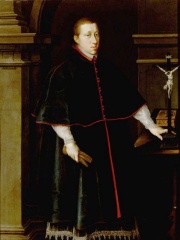
Leopold V, Archduke of Austria
POLITICIAN
1586 - 1632
HPI: 68.56
Место: 2
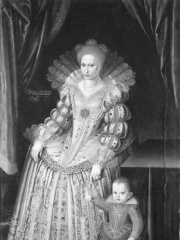
Duchess Magdalene Sibylle of Prussia
POLITICIAN
1586 - 1659
HPI: 68.36
Место: 3
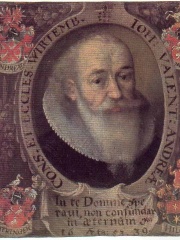
Johannes Valentinus Andreae
WRITER
1586 - 1654
HPI: 67.33
Место: 4
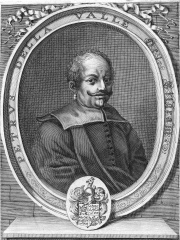
Pietro Della Valle
COMPOSER
1586 - 1652
HPI: 67.15
Место: 5
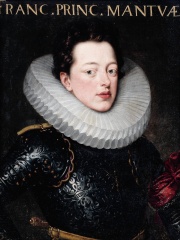
Francesco IV Gonzaga, Duke of Mantua
POLITICIAN
1586 - 1612
HPI: 65.60
Место: 6
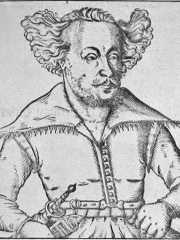
Johann Schein
COMPOSER
1586 - 1630
HPI: 64.74
Место: 7
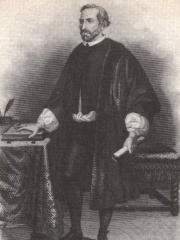
Pau Claris i Casademunt
POLITICIAN
1586 - 1641
HPI: 61.90
Место: 8

Jan Wildens
PAINTER
1586 - 1653
HPI: 61.29
Место: 9
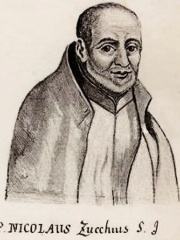
Niccolò Zucchi
ASTRONOMER
1586 - 1670
HPI: 59.90
Место: 10
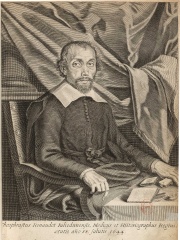
Théophraste Renaudot
POLITICIAN
1586 - 1653
HPI: 59.88
Место: 11
Louis Frederick, Duke of Württemberg-Montbéliard
NOBLEMAN
1586 - 1631
HPI: 59.03
Место: 12
Другие люди, умершие в 1617 году
Все рейтинги
Pocahontas
DIPLOMAT
1595 - 1617
HPI: 85.50
Место: 1
Ahmed I
POLITICIAN
1590 - 1617
HPI: 84.23
Место: 2
John Napier
MATHEMATICIAN
1550 - 1617
HPI: 77.92
Место: 3
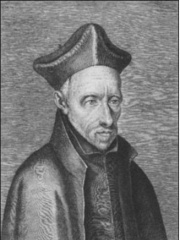
Francisco Suárez
PHILOSOPHER
1548 - 1617
HPI: 73.14
Место: 4
Rose of Lima
RELIGIOUS FIGURE
1586 - 1617
HPI: 72.88
Место: 5
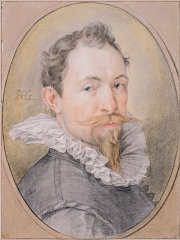
Hendrik Goltzius
PAINTER
1558 - 1617
HPI: 71.81
Место: 6

Emperor Go-Yōzei
POLITICIAN
1571 - 1617
HPI: 70.16
Место: 7

Dorothea of Denmark, Duchess of Brunswick-Lüneburg
POLITICIAN
1546 - 1617
HPI: 69.17
Место: 8
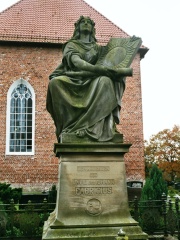
David Fabricius
ASTRONOMER
1564 - 1617
HPI: 68.47
Место: 9
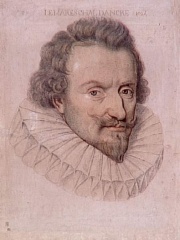
Concino Concini
POLITICIAN
1575 - 1617
HPI: 67.71
Место: 10

4th Dalai Lama
POLITICIAN
1589 - 1617
HPI: 66.17
Место: 11
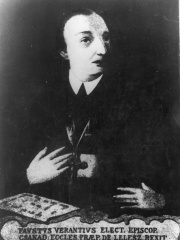
Fausto Veranzio
INVENTOR
1551 - 1617
HPI: 62.76
Место: 12
В стране Перу
Среди людей, родившихся в стране Перу, Rose of Lima занимает 11-е место из 287. Перед ней идут Javier Pérez de Cuéllar (1920), Alberto Fujimori (1938), Carlos Castaneda (1925), Túpac Amaru (1545), Pachacuti (1380), и Manco Cápac (1250). После неё идут Túpac Amaru II (1738), Manco Inca Yupanqui (1512), Huáscar (1490), Yma Sumac (1923), Topa Inca Yupanqui (1441), и Martin de Porres (1579).
Другие люди, родившиеся в стране Перу
Все рейтинги
Javier Pérez de Cuéllar
POLITICIAN
1920 - 2020
HPI: 75.90
Место: 5
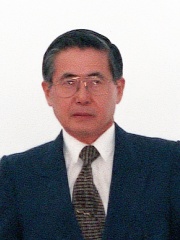
Alberto Fujimori
POLITICIAN
1938 - 2024
HPI: 75.53
Место: 6
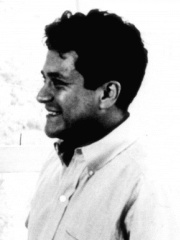
Carlos Castaneda
WRITER
1925 - 1998
HPI: 74.47
Место: 7
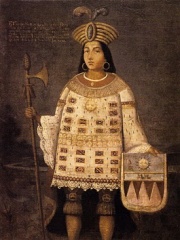
Túpac Amaru
POLITICIAN
1545 - 1572
HPI: 73.46
Место: 8
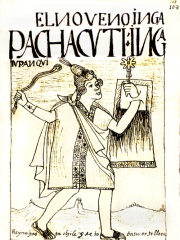
Pachacuti
POLITICIAN
1380 - 1460
HPI: 73.45
Место: 9
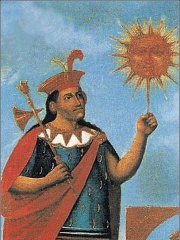
Manco Cápac
RELIGIOUS FIGURE
1250 - 1169
HPI: 73.13
Место: 10
Rose of Lima
RELIGIOUS FIGURE
1586 - 1617
HPI: 72.88
Место: 11
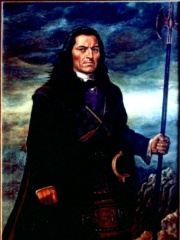
Túpac Amaru II
SOCIAL ACTIVIST
1738 - 1781
HPI: 72.53
Место: 12
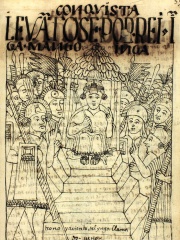
Manco Inca Yupanqui
POLITICIAN
1512 - 1544
HPI: 70.79
Место: 13
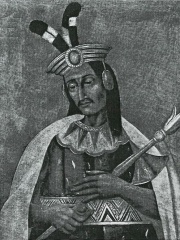
Huáscar
POLITICIAN
1490 - 1533
HPI: 70.20
Место: 14
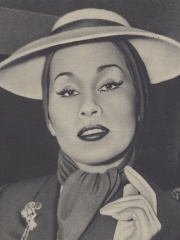
Yma Sumac
SINGER
1923 - 2008
HPI: 70.14
Место: 15
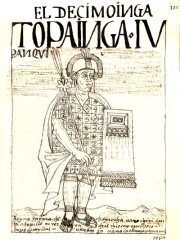
Topa Inca Yupanqui
POLITICIAN
1441 - 1493
HPI: 69.72
Место: 16
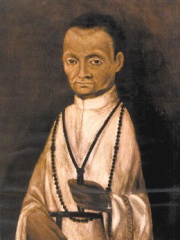
Martin de Porres
RELIGIOUS FIGURE
1579 - 1639
HPI: 68.63
Место: 17
Среди представителей профессии «Религиозный деятель» в стране Перу
Среди представителей профессии «Религиозный деятель», родившихся в стране Перу, Rose of Lima занимает 2-е место. Перед ней идёт Manco Cápac (1250). После неё идут Martin de Porres (1579), Sinchi Roca (1230), Juan Luis Cipriani Thorne (1943), Mayta Cápac (1290), Pedro Barreto (1944), и Juan Guevara (1882).
Manco Cápac
1250 - 1169
HPI: 73.13
Место: 1
Rose of Lima
1586 - 1617
HPI: 72.88
Место: 2
Martin de Porres
1579 - 1639
HPI: 68.63
Место: 3
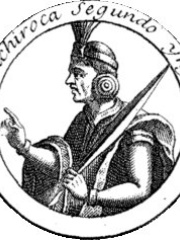
Sinchi Roca
1230 - 1260
HPI: 66.23
Место: 4
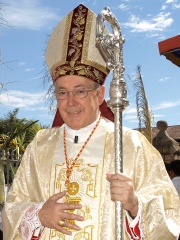
Juan Luis Cipriani Thorne
1943 - наст. время
HPI: 65.40
Место: 5
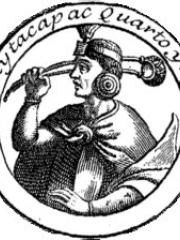
Mayta Cápac
1290 - 1320
HPI: 65.34
Место: 6
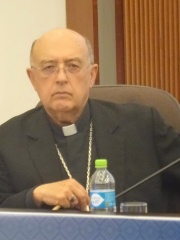
Pedro Barreto
1944 - наст. время
HPI: 60.69
Место: 7
Juan Guevara
1882 - 1954
HPI: 54.50
Место: 8




