Filosofo
Aristoxenus
360 BC - 300 BC
VISUALIZZAZIONI SU IT.WIKIPEDIA (PV)
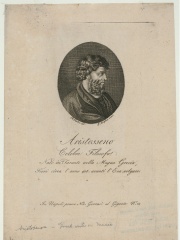
 Aristoxenus
La sua biografia è disponibile in 37 lingue su Wikipedia. Aristoxenus è il 351° filosofo più popolare (in calo dal 327° nel 2024), la 1012ª biografia più popolare dell'Italia (in calo dal 902ª nel 2019) e il 28° filosofo più popolare dell'Italia.
Metriche di memorabilità
41k
Visualizzazioni
Ultimi 12 mesi
69.34
HPI
Indice di popolarità storica
Dati in evidenza
#9,975
A oltre 23 secoli dalla morte, Aristoxenus occupa ancora la posizione n. 9,975 tra tutte le personalità di Pantheon.
Visualizzazioni della pagina di Aristoxenus per lingua
Tra Filosofo
Tra Filosofo, Aristoxenus occupa la posizione 351 su 1,267. Prima di lui ci sono Rudolf Otto, Anne Sullivan, Justus Lipsius, Antonio Negri, Crates of Thebes, e Pompeia Plotina. Dopo di lui ci sono Robert Nozick, Hermann Cohen, Günther Anders, René Girard, Otto Neurath, e Peter Singer.
Filosofo più popolari su Wikipedia
Vai a tutte le classifiche
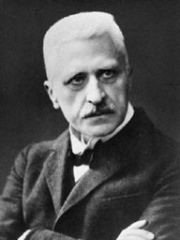
Rudolf Otto
1869 - 1937
HPI: 69.50
Posizione: 345
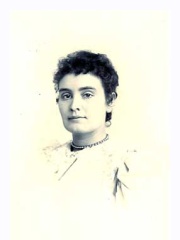
Anne Sullivan
1866 - 1936
HPI: 69.47
Posizione: 346
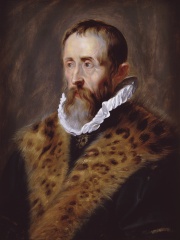
Justus Lipsius
1547 - 1606
HPI: 69.44
Posizione: 347
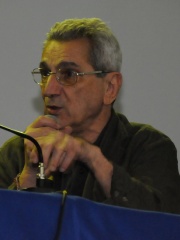
Antonio Negri
1933 - 2023
HPI: 69.41
Posizione: 348
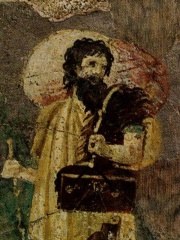
Crates of Thebes
365 BC - 285 BC
HPI: 69.38
Posizione: 349
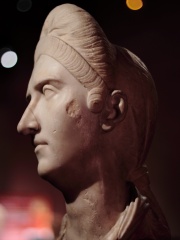
Pompeia Plotina
65 - 121
HPI: 69.35
Posizione: 350
Aristoxenus
360 BC - 300 BC
HPI: 69.34
Posizione: 351
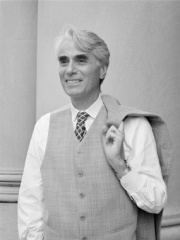
Robert Nozick
1938 - 2002
HPI: 69.33
Posizione: 352
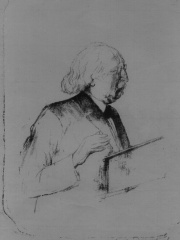
Hermann Cohen
1842 - 1918
HPI: 69.32
Posizione: 353

Günther Anders
1902 - 1992
HPI: 69.32
Posizione: 354
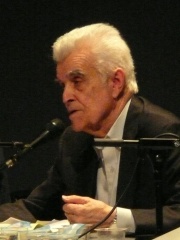
René Girard
1923 - 2015
HPI: 69.32
Posizione: 355
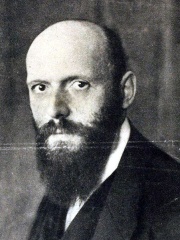
Otto Neurath
1882 - 1945
HPI: 69.31
Posizione: 356
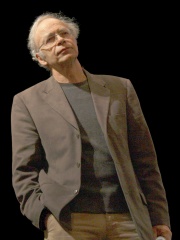
Peter Singer
1946 - presente
HPI: 69.31
Posizione: 357

Contemporanei
Tra le persone nate nel 360 BC, Aristoxenus occupa la posizione 2. Prima di lui c'è Callisthenes. Dopo di lui ci sono Autolycus of Pitane, Arses of Persia, Onesicritus, e Dionysius of Heraclea. Tra le persone decedute nel 300 BC, Aristoxenus occupa la posizione 6. Prima di lui ci sono Lysippos, Diotima of Mantinea, Hipparchia of Maroneia, Berossus, e Nearchus. Dopo di lui ci sono Wang Jian, Xanthippus of Carthage, Eudemus of Rhodes, Hegesias of Cyrene, Menaechmus, e Callippus.
Altre persone nate nel 360 BC
Vai a tutte le classifiche
Callisthenes
HISTORIAN
360 BC - 327 BC
HPI: 69.54
Posizione: 1
Aristoxenus
PHILOSOPHER
360 BC - 300 BC
HPI: 69.34
Posizione: 2
Autolycus of Pitane
MATHEMATICIAN
360 BC - 290 BC
HPI: 68.73
Posizione: 3

Arses of Persia
POLITICIAN
360 BC - 336 BC
HPI: 67.19
Posizione: 4
Onesicritus
PHILOSOPHER
360 BC - 290 BC
HPI: 63.05
Posizione: 5

Dionysius of Heraclea
POLITICIAN
360 BC - 305 BC
HPI: 58.32
Posizione: 6
Altre persone decedute nel 300 BC
Vai a tutte le classifiche
Lysippos
SCULPTOR
390 BC - 300 BC
HPI: 75.87
Posizione: 1

Diotima of Mantinea
PHILOSOPHER
450 BC - 300 BC
HPI: 74.23
Posizione: 2

Hipparchia of Maroneia
PHILOSOPHER
350 BC - 300 BC
HPI: 70.13
Posizione: 3

Berossus
WRITER
400 BC - 300 BC
HPI: 70.12
Posizione: 4
Nearchus
MILITARY PERSONNEL
356 BC - 300 BC
HPI: 69.47
Posizione: 5
Aristoxenus
PHILOSOPHER
360 BC - 300 BC
HPI: 69.34
Posizione: 6

Wang Jian
MILITARY PERSONNEL
300 BC - 300 BC
HPI: 69.20
Posizione: 7

Xanthippus of Carthage
MILITARY PERSONNEL
300 BC - 300 BC
HPI: 68.20
Posizione: 8
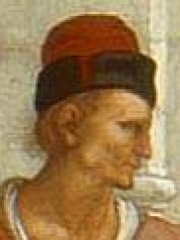
Eudemus of Rhodes
PHILOSOPHER
370 BC - 300 BC
HPI: 67.42
Posizione: 9

Hegesias of Cyrene
PHILOSOPHER
400 BC - 300 BC
HPI: 67.07
Posizione: 10

Menaechmus
MATHEMATICIAN
375 BC - 300 BC
HPI: 66.70
Posizione: 11

Callippus
MATHEMATICIAN
370 BC - 300 BC
HPI: 66.43
Posizione: 12
In Italia
Tra le persone nate in Italia, Aristoxenus occupa la posizione 1,012 su 5,161. Prima di lui ci sono Daniele da Volterra (1509), Hormizd I (250), Umberto Giordano (1867), Piero Ferrari (1945), Hugo Pratt (1927), e Carlo Rubbia (1934). Dopo di lui ci sono Giovanni Battista Viotti (1755), Francesca Caccini (1587), Elsa Morante (1912), Marie Joséphine of Savoy (1753), Princess Mafalda of Savoy (1902), e Alessandro Del Piero (1974).
Altre persone nate in Italia
Vai a tutte le classifiche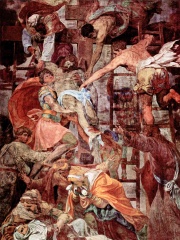
Daniele da Volterra
PAINTER
1509 - 1566
HPI: 69.39
Posizione: 1,006
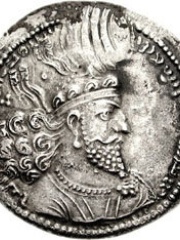
Hormizd I
POLITICIAN
250 - 273
HPI: 69.38
Posizione: 1,007
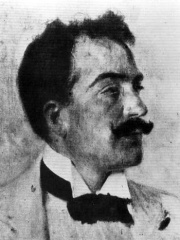
Umberto Giordano
COMPOSER
1867 - 1948
HPI: 69.37
Posizione: 1,008

Piero Ferrari
BUSINESSPERSON
1945 - presente
HPI: 69.35
Posizione: 1,009
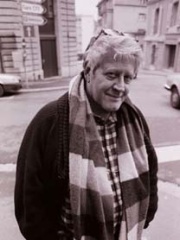
Hugo Pratt
COMIC ARTIST
1927 - 1995
HPI: 69.35
Posizione: 1,010
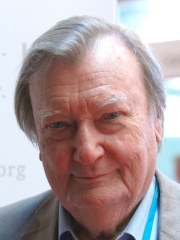
Carlo Rubbia
PHYSICIST
1934 - presente
HPI: 69.34
Posizione: 1,011
Aristoxenus
PHILOSOPHER
360 BC - 300 BC
HPI: 69.34
Posizione: 1,012
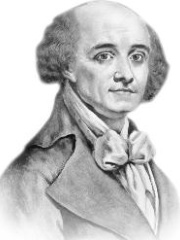
Giovanni Battista Viotti
MUSICIAN
1755 - 1824
HPI: 69.33
Posizione: 1,013
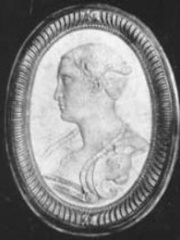
Francesca Caccini
COMPOSER
1587 - 1640
HPI: 69.31
Posizione: 1,014
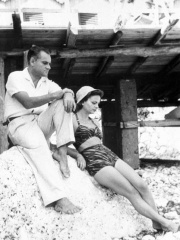
Elsa Morante
WRITER
1912 - 1985
HPI: 69.30
Posizione: 1,015
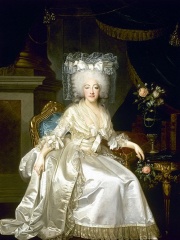
Marie Joséphine of Savoy
NOBLEMAN
1753 - 1810
HPI: 69.28
Posizione: 1,016
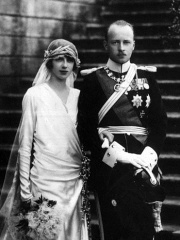
Princess Mafalda of Savoy
POLITICIAN
1902 - 1944
HPI: 69.27
Posizione: 1,017

Alessandro Del Piero
SOCCER PLAYER
1974 - presente
HPI: 69.27
Posizione: 1,018
Tra Filosofo in Italia
Tra Filosofo nati in Italia, Aristoxenus occupa la posizione 28. Prima di lui ci sono Giorgio Agamben (1942), Marsilius of Padua (1275), Elena Cornaro Piscopia (1646), Pietro Pomponazzi (1462), Giovanni Gentile (1875), e Antonio Negri (1933). Dopo di lui ci sono Julius Caesar Scaliger (1484), Bartolus de Saxoferrato (1313), Thomas Cajetan (1469), Lucilio Vanini (1585), Brunetto Latini (1220), e Gaius Musonius Rufus (25).
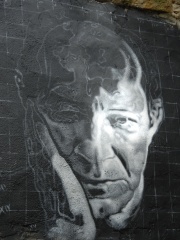
Giorgio Agamben
1942 - presente
HPI: 72.65
Posizione: 22

Marsilius of Padua
1275 - 1342
HPI: 71.76
Posizione: 23
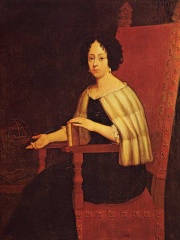
Elena Cornaro Piscopia
1646 - 1684
HPI: 70.48
Posizione: 24
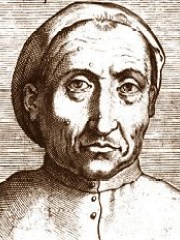
Pietro Pomponazzi
1462 - 1525
HPI: 70.27
Posizione: 25
Giovanni Gentile
1875 - 1944
HPI: 69.95
Posizione: 26
Antonio Negri
1933 - 2023
HPI: 69.41
Posizione: 27
Aristoxenus
360 BC - 300 BC
HPI: 69.34
Posizione: 28
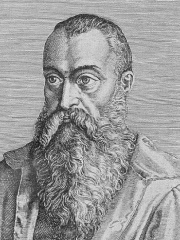
Julius Caesar Scaliger
1484 - 1558
HPI: 69.19
Posizione: 29
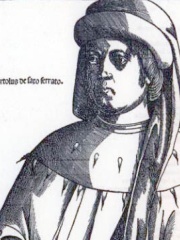
Bartolus de Saxoferrato
1313 - 1357
HPI: 68.37
Posizione: 30
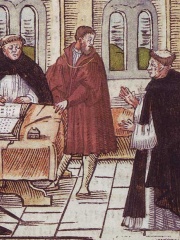
Thomas Cajetan
1469 - 1534
HPI: 67.47
Posizione: 31
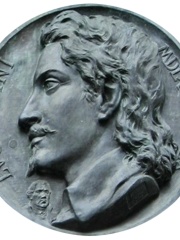
Lucilio Vanini
1585 - 1619
HPI: 67.26
Posizione: 32
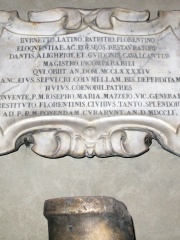
Brunetto Latini
1220 - 1294
HPI: 67.07
Posizione: 33

Gaius Musonius Rufus
25 - 95
HPI: 66.81
Posizione: 34




