Figura religiosa
Sant'Ambrogio
340 - 397
VISUALIZZAZIONI SU IT.WIKIPEDIA (PV)
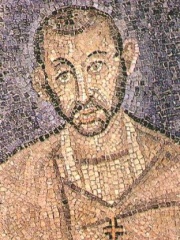
 Sant'Ambrogio
La sua biografia è disponibile in 76 lingue su Wikipedia. Sant'Ambrogio è il 157° figura religiosa più popolare (in calo dal 96° nel 2024), la 73ª biografia più popolare della Germania (in calo dal 63ª nel 2019) e il 4° figura religiosa più popolare della Germania.
Metriche di memorabilità
480k
Visualizzazioni
Ultimi 12 mesi
81.26
HPI
Indice di popolarità storica
Visualizzazioni della pagina di Sant'Ambrogio per lingua
Tra Figura religiosa
Tra Figura religiosa, Sant'Ambrogio occupa la posizione 157 su 3,187. Prima di lui ci sono Bahá'u'lláh, Pope Innocent IX, Pope Innocent VI, Philip the Apostle, Pope-elect Stephen, e Bartholomew I of Constantinople. Dopo di lui ci sono Pope Innocent XIII, John Chrysostom, Esther, Albertus Magnus, Hasan ibn Ali, e Arius.
Figura religiosa più popolari su Wikipedia
Vai a tutte le classifiche
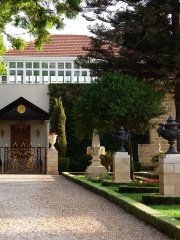
Bahá'u'lláh
1817 - 1892
HPI: 81.34
Posizione: 151
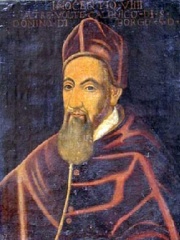
Pope Innocent IX
1519 - 1591
HPI: 81.33
Posizione: 152
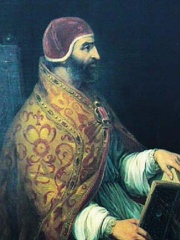
Pope Innocent VI
1282 - 1362
HPI: 81.33
Posizione: 153
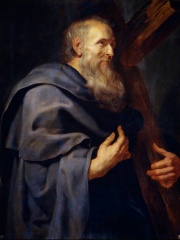
Philip the Apostle
5 - 80
HPI: 81.30
Posizione: 154
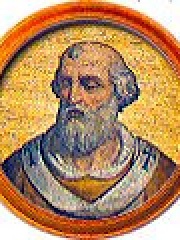
Pope-elect Stephen
700 - 752
HPI: 81.28
Posizione: 155
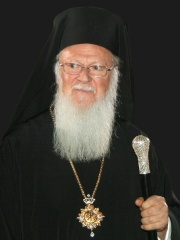
Bartholomew I of Constantinople
1940 - presente
HPI: 81.27
Posizione: 156
Ambrose
340 - 397
HPI: 81.26
Posizione: 157
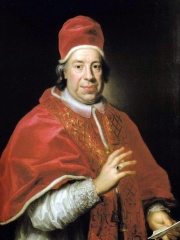
Pope Innocent XIII
1655 - 1724
HPI: 81.26
Posizione: 158
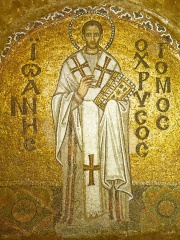
John Chrysostom
349 - 407
HPI: 81.25
Posizione: 159

Esther
600 BC - 500 BC
HPI: 81.25
Posizione: 160
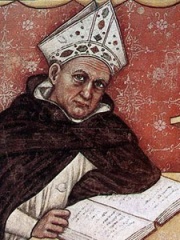
Albertus Magnus
1206 - 1280
HPI: 81.25
Posizione: 161

Hasan ibn Ali
624 - 670
HPI: 81.21
Posizione: 162

Arius
256 - 336
HPI: 81.19
Posizione: 163

Contemporanei
Tra le persone nate nel 340, Sant'Ambrogio occupa la posizione 2. Prima di lui c'è Theodosius I. Dopo di lui ci sono Pope Anastasius I, Arbogast, Faxian, Quintus Aurelius Symmachus, e Priscillian. Tra le persone decedute nel 397, Sant'Ambrogio occupa la posizione 2. Prima di lui c'è Martin of Tours. Dopo di lui ci sono Nectarius of Constantinople, Geminianus, e Optatus.
Altre persone nate nel 340
Vai a tutte le classifiche
Theodosius I
POLITICIAN
340 - 395
HPI: 83.74
Posizione: 1
Ambrose
RELIGIOUS FIGURE
340 - 397
HPI: 81.26
Posizione: 2
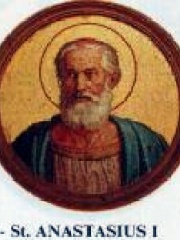
Pope Anastasius I
RELIGIOUS FIGURE
340 - 401
HPI: 76.91
Posizione: 3

Arbogast
POLITICIAN
340 - 394
HPI: 71.32
Posizione: 4
Faxian
WRITER
340 - 418
HPI: 70.81
Posizione: 5
Quintus Aurelius Symmachus
POLITICIAN
340 - 402
HPI: 68.29
Posizione: 6

Priscillian
RELIGIOUS FIGURE
340 - 385
HPI: 66.49
Posizione: 7
Altre persone decedute nel 397
Vai a tutte le classifiche
Martin of Tours
RELIGIOUS FIGURE
316 - 397
HPI: 81.41
Posizione: 1
Ambrose
RELIGIOUS FIGURE
340 - 397
HPI: 81.26
Posizione: 2
Nectarius of Constantinople
RELIGIOUS FIGURE
HPI: 64.98
Posizione: 3
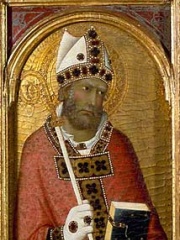
Geminianus
RELIGIOUS FIGURE
312 - 397
HPI: 61.62
Posizione: 4
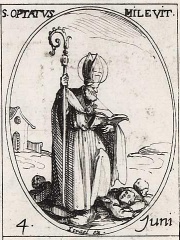
Optatus
RELIGIOUS FIGURE
400 - 397
HPI: 59.42
Posizione: 5
In Germania
Tra le persone nate in Germania, Sant'Ambrogio occupa la posizione 73 su NaN. Prima di lui ci sono Konrad Adenauer (1876), Ludwig Mies van der Rohe (1886), Reinhard Heydrich (1904), Alexandra Feodorovna (1872), Johann Gottlieb Fichte (1762), e Erich Fromm (1900). Dopo di lui ci sono Albertus Magnus (1206), Karl Lagerfeld (1933), Wenceslaus IV of Bohemia (1361), Richard Strauss (1864), Theodor Mommsen (1817), e Helmut Kohl (1930).
Altre persone nate in Germania
Vai a tutte le classifiche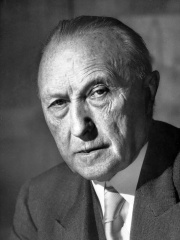
Konrad Adenauer
POLITICIAN
1876 - 1967
HPI: 81.91
Posizione: 67
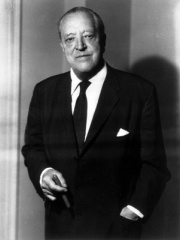
Ludwig Mies van der Rohe
ARCHITECT
1886 - 1969
HPI: 81.84
Posizione: 68
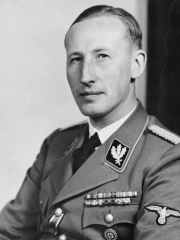
Reinhard Heydrich
POLITICIAN
1904 - 1942
HPI: 81.74
Posizione: 69
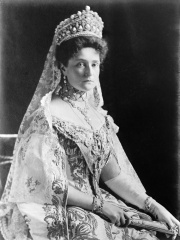
Alexandra Feodorovna
NOBLEMAN
1872 - 1918
HPI: 81.49
Posizione: 70
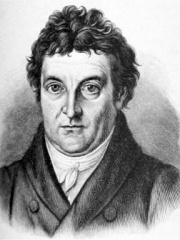
Johann Gottlieb Fichte
PHILOSOPHER
1762 - 1814
HPI: 81.40
Posizione: 71
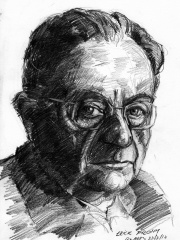
Erich Fromm
PSYCHOLOGIST
1900 - 1980
HPI: 81.27
Posizione: 72
Ambrose
RELIGIOUS FIGURE
340 - 397
HPI: 81.26
Posizione: 73
Albertus Magnus
RELIGIOUS FIGURE
1206 - 1280
HPI: 81.25
Posizione: 74

Karl Lagerfeld
FASHION DESIGNER
1933 - 2019
HPI: 80.92
Posizione: 75
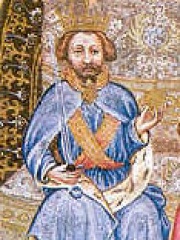
Wenceslaus IV of Bohemia
POLITICIAN
1361 - 1419
HPI: 80.91
Posizione: 76
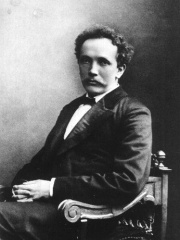
Richard Strauss
COMPOSER
1864 - 1949
HPI: 80.88
Posizione: 77
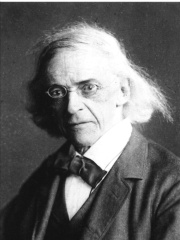
Theodor Mommsen
ARCHAEOLOGIST
1817 - 1903
HPI: 80.87
Posizione: 78
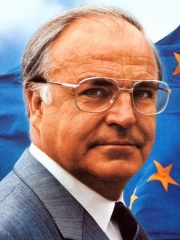
Helmut Kohl
POLITICIAN
1930 - 2017
HPI: 80.84
Posizione: 79
Tra Figura religiosa in Germania
Tra Figura religiosa nati in Germania, Sant'Ambrogio occupa la posizione 4. Prima di lui ci sono Pope Benedict XVI (1927), Martin Luther (1483), e Hildegard of Bingen (1098). Dopo di lui ci sono Albertus Magnus (1206), Pope Joan (null), Pope Damasus II (1000), Philip Melanchthon (1497), Pope Clement II (1005), Pope Victor II (1018), Thomas à Kempis (1380), e Bruno of Cologne (1030).
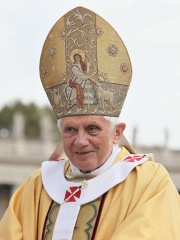
Pope Benedict XVI
1927 - 2022
HPI: 93.90
Posizione: 1
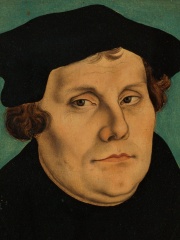
Martin Luther
1483 - 1546
HPI: 92.77
Posizione: 2
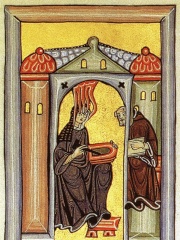
Hildegard of Bingen
1098 - 1179
HPI: 83.03
Posizione: 3
Ambrose
340 - 397
HPI: 81.26
Posizione: 4
Albertus Magnus
1206 - 1280
HPI: 81.25
Posizione: 5

Pope Joan
HPI: 80.19
Posizione: 6
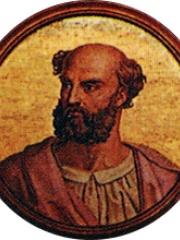
Pope Damasus II
1000 - 1048
HPI: 80.13
Posizione: 7
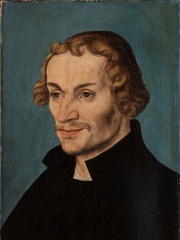
Philip Melanchthon
1497 - 1560
HPI: 79.75
Posizione: 8
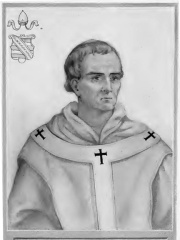
Pope Clement II
1005 - 1047
HPI: 79.38
Posizione: 9
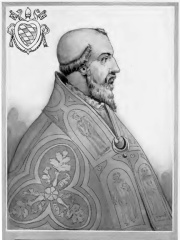
Pope Victor II
1018 - 1057
HPI: 73.88
Posizione: 10
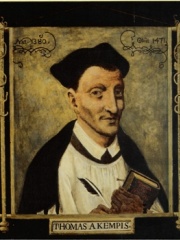
Thomas à Kempis
1380 - 1471
HPI: 73.86
Posizione: 11
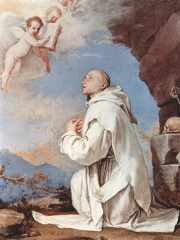
Bruno of Cologne
1030 - 1101
HPI: 72.10
Posizione: 12




