Figura religiosa
Abraham
1813 BC - 1638 BC
VISUALIZZAZIONI SU IT.WIKIPEDIA (PV)

 Abraham
La sua biografia è disponibile in 170 lingue su Wikipedia (in aumento rispetto a 160 nel 2024). Abraham è il 12° figura religiosa più popolare (in calo dal 5° nel 2024), la 2ª biografia più popolare dell'Iraq (in calo dal prima nel 2019) e il figura religiosa più popolare dell'Iraq.
Metriche di memorabilità
3.8M
Visualizzazioni
Ultimi 12 mesi
89.99
HPI
Indice di popolarità storica
Visualizzazioni della pagina di Abraham per lingua
Tra Figura religiosa
Tra Figura religiosa, Abraham occupa la posizione 12 su 3,187. Prima di lui ci sono Pope Benedict XVI, Moses, Martin Luther, Pope John Paul II, Paul the Apostle, e Saint Joseph. Dopo di lui ci sono Pope John Paul I, Pope Leo XIV, Solomon, Ali, Andrew the Apostle, e Abu Bakr.
Figura religiosa più popolari su Wikipedia
Vai a tutte le classifiche
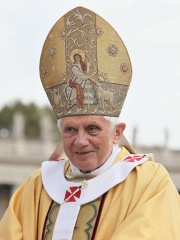
Pope Benedict XVI
1927 - 2022
HPI: 93.90
Posizione: 6
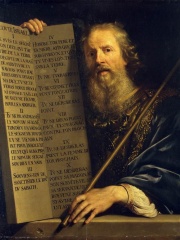
Moses
1393 BC - 1273 BC
HPI: 93.26
Posizione: 7
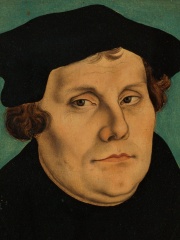
Martin Luther
1483 - 1546
HPI: 92.77
Posizione: 8
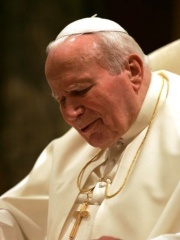
Pope John Paul II
1920 - 2005
HPI: 92.56
Posizione: 9
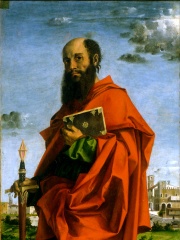
Paul the Apostle
5 - 66
HPI: 91.31
Posizione: 10
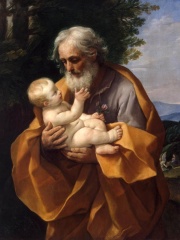
Saint Joseph
18 BC - 33
HPI: 90.76
Posizione: 11
Abraham
1813 BC - 1638 BC
HPI: 89.99
Posizione: 12
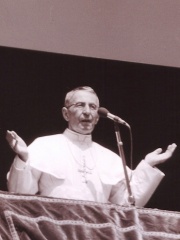
Pope John Paul I
1912 - 1978
HPI: 89.80
Posizione: 13
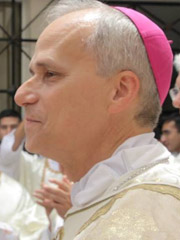
Pope Leo XIV
1955 - presente
HPI: 89.52
Posizione: 14

Solomon
1011 BC - 931 BC
HPI: 89.40
Posizione: 15
Ali
601 - 661
HPI: 89.31
Posizione: 16

Andrew the Apostle
6 BC - 70
HPI: 89.10
Posizione: 17
Abu Bakr
573 - 634
HPI: 89.08
Posizione: 18

Contemporanei
Tra le persone nate nel 1813 BC, Abraham occupa la posizione 1. Tra le persone decedute nel 1638 BC, Abraham occupa la posizione 1.
Altre persone nate nel 1813 BC
Vai a tutte le classificheAltre persone decedute nel 1638 BC
Vai a tutte le classificheIn Iraq
Tra le persone nate in Iraq, Abraham occupa la posizione 2 su NaN. Prima di lui c'è Saladin (1138). Dopo di lui ci sono Hammurabi (-1810), Saddam Hussein (1937), Nebuchadnezzar II (-630), Abu Hanifa (698), Ibn al-Haytham (965), Möngke Khan (1209), Al-Kindi (801), Ashurbanipal (-685), Sarah (-1803), e Rabia of Basra (710).
Altre persone nate in Iraq
Vai a tutte le classifiche
Saladin
POLITICIAN
1138 - 1193
HPI: 91.36
Posizione: 1
Abraham
RELIGIOUS FIGURE
1813 BC - 1638 BC
HPI: 89.99
Posizione: 2
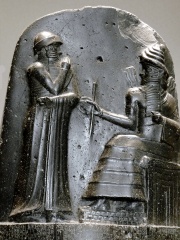
Hammurabi
POLITICIAN
1810 BC - 1750 BC
HPI: 86.84
Posizione: 3
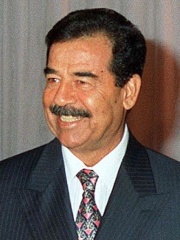
Saddam Hussein
POLITICIAN
1937 - 2006
HPI: 85.93
Posizione: 4
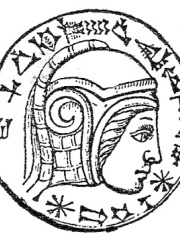
Nebuchadnezzar II
POLITICIAN
630 BC - 562 BC
HPI: 85.35
Posizione: 5
Abu Hanifa
RELIGIOUS FIGURE
698 - 767
HPI: 83.39
Posizione: 6
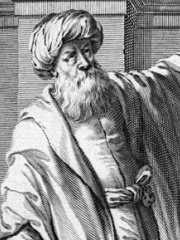
Ibn al-Haytham
PHYSICIST
965 - 1039
HPI: 82.42
Posizione: 7
Möngke Khan
POLITICIAN
1209 - 1259
HPI: 82.42
Posizione: 8
Al-Kindi
PHILOSOPHER
801 - 866
HPI: 80.39
Posizione: 9
Ashurbanipal
POLITICIAN
685 BC - 627 BC
HPI: 80.19
Posizione: 10
Sarah
RELIGIOUS FIGURE
1803 BC - 1676 BC
HPI: 79.84
Posizione: 11

Rabia of Basra
RELIGIOUS FIGURE
710 - 801
HPI: 78.81
Posizione: 12
Tra Figura religiosa in Iraq
Tra Figura religiosa nati in Iraq, Abraham occupa la posizione 1. Dopo di lui ci sono Abu Hanifa (698), Sarah (-1803), Rabia of Basra (710), Mani (216), Ezra (-500), Muhammad al-Mahdi (869), Belshazzar (-600), Eber (-2038), Junayd of Baghdad (830), Louis Raphaël I Sako (1948), e Ibn Hisham (701).
Abraham
1813 BC - 1638 BC
HPI: 89.99
Posizione: 1
Abu Hanifa
698 - 767
HPI: 83.39
Posizione: 2
Sarah
1803 BC - 1676 BC
HPI: 79.84
Posizione: 3
Rabia of Basra
710 - 801
HPI: 78.81
Posizione: 4
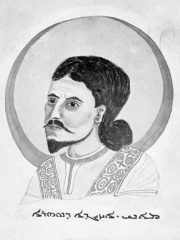
Mani
216 - 274
HPI: 78.43
Posizione: 5
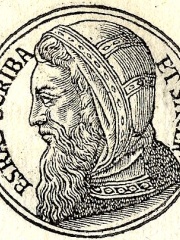
Ezra
500 BC - 401 BC
HPI: 77.65
Posizione: 6
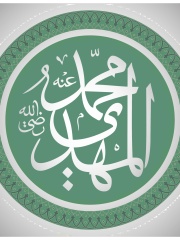
Muhammad al-Mahdi
869 - 941
HPI: 76.87
Posizione: 7

Belshazzar
600 BC - 600 BC
HPI: 75.54
Posizione: 8
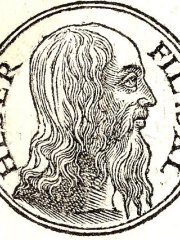
Eber
2038 BC - 1574 BC
HPI: 74.57
Posizione: 9
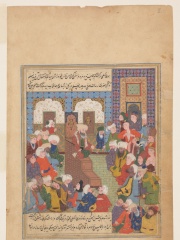
Junayd of Baghdad
830 - 910
HPI: 71.53
Posizione: 10
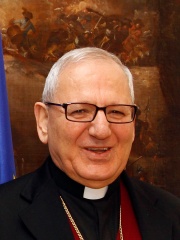
Louis Raphaël I Sako
1948 - presente
HPI: 70.61
Posizione: 11

Ibn Hisham
701 - 833
HPI: 70.58
Posizione: 12




