Író
Berossus
400 BC - 300 BC
HU.WIKIPEDIA OLDALMEGTEKINTÉSEK (PV)

 Berossus
Életrajza 39 különböző nyelven érhető el a Wikipédián (növekedés 38-ről 2024-ben). Berossus a 751st legnépszerűbb író (csökkenés a 741st-ről 2024-ben), a 74th legnépszerűbb életrajz Irak országából (csökkenés a 72nd-ről 2019-ben) és a 6th legnépszerűbb Irakból író.
Ismertségi mutatók
40k
Oldalmegtekintések
Elmúlt 12 hónap
70.12
HPI
Történelmi népszerűségi index
Adatérdekességek
#751 / 7,707
Berossus a(z) 751. helyen áll a világ 7,707 Író között, a szakma legjobb 10%-ában.
Berossus oldalmegtekintései nyelvenként
A(z) Író között
A(z) Író között Berossus a(z) 751. helyen áll 7,707 közül. Előtte állnak: Jean Froissart, Antoine Galland, Elisabeth of Wied, Claudian, Edgar Wallace, és Christa Wolf. Utána következnek: Edmond de Goncourt, Natalia Ginzburg, Hugo Ball, Cao Xueqin, Ibn Hawqal, és Theognis of Megara.
A legnépszerűbb Író a Wikipédián
Összes rangsor megtekintése
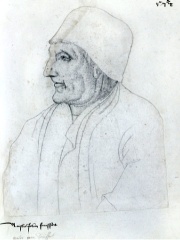
Jean Froissart
1337 - 1405
HPI: 70.18
Helyezés: 745
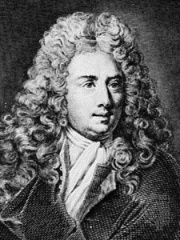
Antoine Galland
1646 - 1715
HPI: 70.17
Helyezés: 746
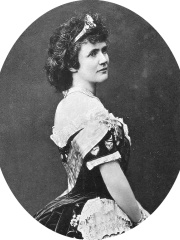
Elisabeth of Wied
1843 - 1916
HPI: 70.16
Helyezés: 747
Claudian
370 - 404
HPI: 70.15
Helyezés: 748
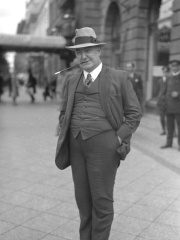
Edgar Wallace
1875 - 1932
HPI: 70.12
Helyezés: 749
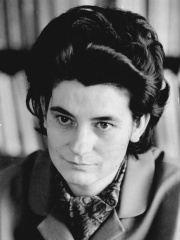
Christa Wolf
1929 - 2011
HPI: 70.12
Helyezés: 750
Berossus
400 BC - 300 BC
HPI: 70.12
Helyezés: 751

Edmond de Goncourt
1822 - 1896
HPI: 70.11
Helyezés: 752
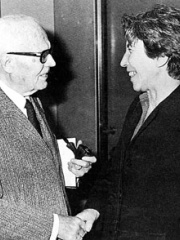
Natalia Ginzburg
1916 - 1991
HPI: 70.10
Helyezés: 753
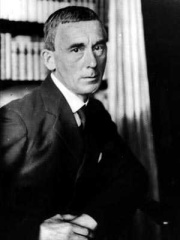
Hugo Ball
1886 - 1927
HPI: 70.09
Helyezés: 754
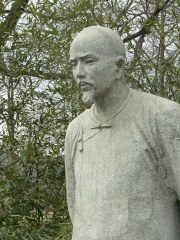
Cao Xueqin
1724 - 1763
HPI: 70.07
Helyezés: 755

Ibn Hawqal
943 - 988
HPI: 70.03
Helyezés: 756
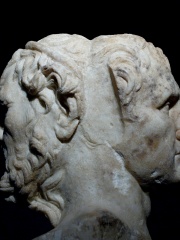
Theognis of Megara
570 BC - 485 BC
HPI: 70.03
Helyezés: 757

Kortársak
A(z) 400 BC. évben születettek között Berossus a(z) 7. helyen áll. Előtte állnak: Porus, Bessus, Tollund Man, Parmenion, Stateira I, és Thaïs. Utána következnek: Nectanebo II, Theopompus, Atropates, Ephorus, Leochares, és Spitamenes. A(z) 300 BC. évben elhunytak között Berossus a(z) 4. helyen áll. Előtte állnak: Lysippos, Diotima of Mantinea, és Hipparchia of Maroneia. Utána következnek: Nearchus, Aristoxenus, Wang Jian, Xanthippus of Carthage, Eudemus of Rhodes, Hegesias of Cyrene, Menaechmus, és Callippus.
További személyek, akik a(z) 400 BC. évben születtek
Összes rangsor megtekintése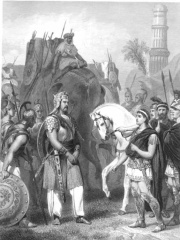
Porus
POLITICIAN
400 BC - 316 BC
HPI: 79.63
Helyezés: 1
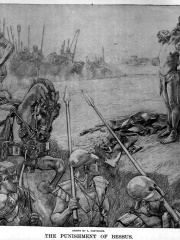
Bessus
POLITICIAN
400 BC - 329 BC
HPI: 73.62
Helyezés: 2
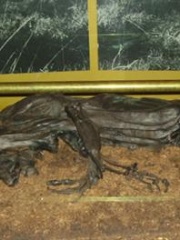
Tollund Man
CELEBRITY
400 BC - 384 BC
HPI: 72.13
Helyezés: 3
Parmenion
MILITARY PERSONNEL
400 BC - 329 BC
HPI: 71.79
Helyezés: 4

Stateira I
COMPANION
400 BC - 331 BC
HPI: 70.44
Helyezés: 5

Thaïs
POLITICIAN
400 BC - 400 BC
HPI: 70.25
Helyezés: 6
Berossus
WRITER
400 BC - 300 BC
HPI: 70.12
Helyezés: 7
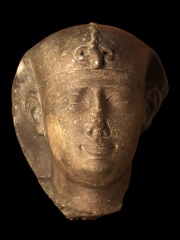
Nectanebo II
POLITICIAN
400 BC - 343 BC
HPI: 70.02
Helyezés: 8

Theopompus
HISTORIAN
400 BC - 320 BC
HPI: 69.44
Helyezés: 9
Atropates
POLITICIAN
400 BC - 360 BC
HPI: 69.37
Helyezés: 10

Ephorus
HISTORIAN
400 BC - 330 BC
HPI: 69.19
Helyezés: 11

Leochares
SCULPTOR
400 BC - 400 BC
HPI: 68.77
Helyezés: 12

Spitamenes
POLITICIAN
400 BC - 328 BC
HPI: 68.73
Helyezés: 13
További személyek, akik a(z) 300 BC. évben hunytak el
Összes rangsor megtekintése
Lysippos
SCULPTOR
390 BC - 300 BC
HPI: 75.87
Helyezés: 1

Diotima of Mantinea
PHILOSOPHER
450 BC - 300 BC
HPI: 74.23
Helyezés: 2

Hipparchia of Maroneia
PHILOSOPHER
350 BC - 300 BC
HPI: 70.13
Helyezés: 3
Berossus
WRITER
400 BC - 300 BC
HPI: 70.12
Helyezés: 4
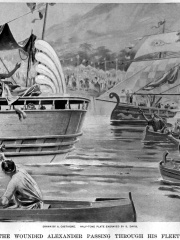
Nearchus
MILITARY PERSONNEL
356 BC - 300 BC
HPI: 69.47
Helyezés: 5
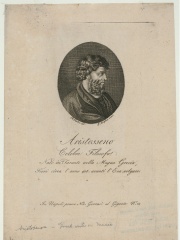
Aristoxenus
PHILOSOPHER
360 BC - 300 BC
HPI: 69.34
Helyezés: 6

Wang Jian
MILITARY PERSONNEL
300 BC - 300 BC
HPI: 69.20
Helyezés: 7

Xanthippus of Carthage
MILITARY PERSONNEL
300 BC - 300 BC
HPI: 68.20
Helyezés: 8
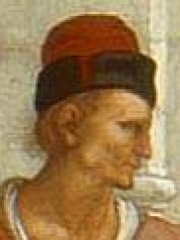
Eudemus of Rhodes
PHILOSOPHER
370 BC - 300 BC
HPI: 67.42
Helyezés: 9

Hegesias of Cyrene
PHILOSOPHER
400 BC - 300 BC
HPI: 67.07
Helyezés: 10

Menaechmus
MATHEMATICIAN
375 BC - 300 BC
HPI: 66.70
Helyezés: 11

Callippus
MATHEMATICIAN
370 BC - 300 BC
HPI: 66.43
Helyezés: 12
A(z) Irak rangsorában
A(z) Irak területén születettek között Berossus a(z) 74. helyen áll 414 közül. Előtte állnak: Tariq Aziz (1936), Ibn Hisham (701), Abu Yusuf (731), Nahor, son of Serug (-1912), Tiglath-Pileser III (-755), és Shalmaneser I (-1400). Utána következnek: Qutayba ibn Muslim (668), Urukagina (-2500), Al-Muqtadir (895), Sargon I (-1900), Hunayn ibn Ishaq (809), és Al-Mu'tadid (854).
További személyek, akik Irak területén születtek
Összes rangsor megtekintése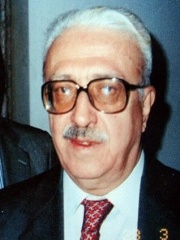
Tariq Aziz
POLITICIAN
1936 - 2015
HPI: 70.60
Helyezés: 68

Ibn Hisham
RELIGIOUS FIGURE
701 - 833
HPI: 70.58
Helyezés: 69

Abu Yusuf
PHILOSOPHER
731 - 798
HPI: 70.34
Helyezés: 70
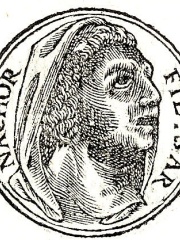
Nahor, son of Serug
RELIGIOUS FIGURE
1912 BC - 1764 BC
HPI: 70.15
Helyezés: 71
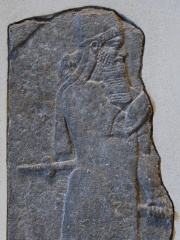
Tiglath-Pileser III
POLITICIAN
755 BC - 727 BC
HPI: 70.13
Helyezés: 72
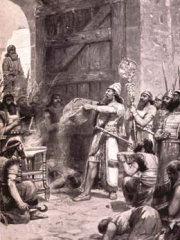
Shalmaneser I
POLITICIAN
1400 BC - 1300 BC
HPI: 70.13
Helyezés: 73
Berossus
WRITER
400 BC - 300 BC
HPI: 70.12
Helyezés: 74

Qutayba ibn Muslim
MILITARY PERSONNEL
668 - 715
HPI: 70.05
Helyezés: 75
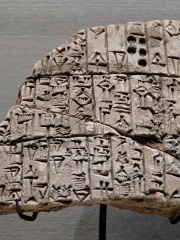
Urukagina
POLITICIAN
2500 BC - 2371 BC
HPI: 69.89
Helyezés: 76
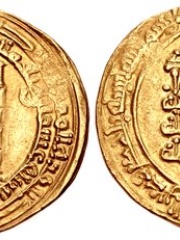
Al-Muqtadir
POLITICIAN
895 - 932
HPI: 69.78
Helyezés: 77
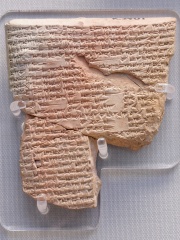
Sargon I
POLITICIAN
1900 BC - 1900 BC
HPI: 69.65
Helyezés: 78

Hunayn ibn Ishaq
PHILOSOPHER
809 - 873
HPI: 69.59
Helyezés: 79
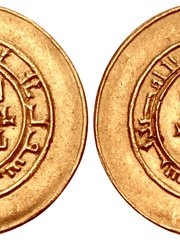
Al-Mu'tadid
POLITICIAN
854 - 902
HPI: 69.57
Helyezés: 80
A(z) Író között – Irak
A(z) Irak területén született Író között Berossus a(z) 6. helyen áll. Előtte állnak: Al-Masudi (896), Fuzûlî (1494), Ahmad ibn Hanbal (780), Enheduanna (-2300), és Ahmad ibn Fadlan (900). Utána következnek: Al-Mutanabbi (915), Ibn Sirin (653), Ibn al-Jawzi (1116), Ibn Khallikan (1211), Karim Findi (1946), és Ibn al-Nadim (1000).
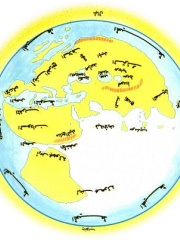
Al-Masudi
896 - 956
HPI: 78.74
Helyezés: 1
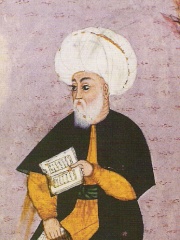
Fuzûlî
1494 - 1556
HPI: 78.46
Helyezés: 2

Ahmad ibn Hanbal
780 - 855
HPI: 78.16
Helyezés: 3
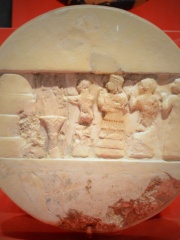
Enheduanna
2300 BC - 2300 BC
HPI: 74.16
Helyezés: 4

Ahmad ibn Fadlan
900 - 960
HPI: 73.87
Helyezés: 5
Berossus
400 BC - 300 BC
HPI: 70.12
Helyezés: 6
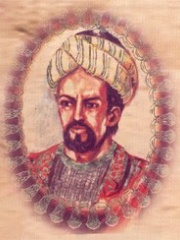
Al-Mutanabbi
915 - 965
HPI: 68.51
Helyezés: 7

Ibn Sirin
653 - 729
HPI: 67.63
Helyezés: 8
Ibn al-Jawzi
1116 - 1200
HPI: 67.35
Helyezés: 9

Ibn Khallikan
1211 - 1282
HPI: 67.09
Helyezés: 10
Karim Findi
1946 - napjainkig
HPI: 66.74
Helyezés: 11

Ibn al-Nadim
1000 - 995
HPI: 66.44
Helyezés: 12




