Polityk
Labashi-Marduk
550 BC - 556 BC
PL.WIKIPEDIA PAGE VIEWS (PV)

 Labashi-Marduk
Jego biografia jest dostępna w 28 różnych językach w Wikipedii. Labashi-Marduk jest 4813. najpopularniejszym polityk (spadek z 3937. w 2024 roku), 123. najpopularniejszą biografią Irak (spadek z 104. w 2019 roku) oraz 77. najpopularniejszym polityk Irak.
Memorability Metrics
53k
Page Views
Past 12 months
66.80
HPI
Historical Popularity Index
Page views of Labashi-Marduk by language
Among Polityks
Among polityks, Labashi-Marduk ranks 4,811 out of 19,576. Before him are Princess Elisabeth Marie of Bavaria, Theresa Kunegunda Sobieska, Jacob De la Gardie, Al-Qa'im, Bleda, and Emperor Go-Nijō. After him are Lothar de Maizière, Beatrice of Portugal, Duchess of Savoy, Carl Bildt, Emperor Hui of Jin, Zhao Tuo, and Khalifa bin Salman Al Khalifa.
Most Popular Polityks in Wikipedia
Go to all Rankings
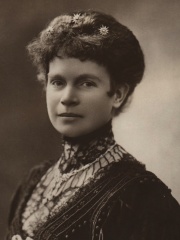
Princess Elisabeth Marie of Bavaria
1874 - 1957
HPI: 66.81
Rank: 4,807
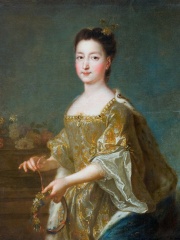
Theresa Kunegunda Sobieska
1676 - 1730
HPI: 66.81
Rank: 4,808
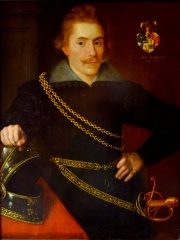
Jacob De la Gardie
1583 - 1652
HPI: 66.81
Rank: 4,809
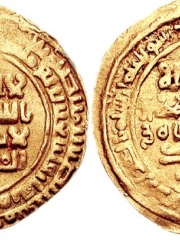
Al-Qa'im
1001 - 1075
HPI: 66.81
Rank: 4,810
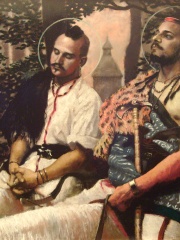
Bleda
390 - 444
HPI: 66.80
Rank: 4,811
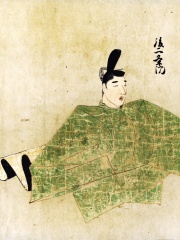
Emperor Go-Nijō
1285 - 1308
HPI: 66.80
Rank: 4,812
Labashi-Marduk
550 BC - 556 BC
HPI: 66.80
Rank: 4,813
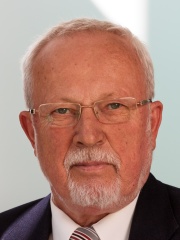
Lothar de Maizière
1940 - Present
HPI: 66.80
Rank: 4,814
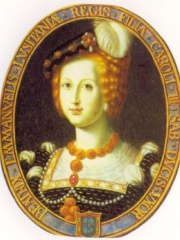
Beatrice of Portugal, Duchess of Savoy
1504 - 1538
HPI: 66.80
Rank: 4,815
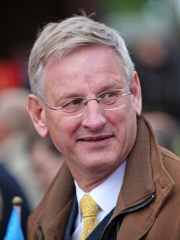
Carl Bildt
1949 - Present
HPI: 66.80
Rank: 4,816
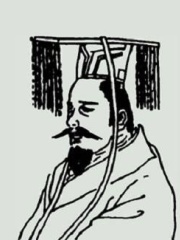
Emperor Hui of Jin
259 - 307
HPI: 66.80
Rank: 4,817
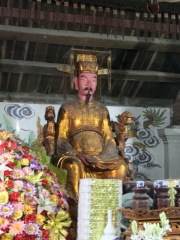
Zhao Tuo
230 BC - 137 BC
HPI: 66.79
Rank: 4,818
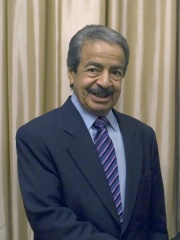
Khalifa bin Salman Al Khalifa
1936 - 2020
HPI: 66.79
Rank: 4,819

Contemporaries
Among people born in 550 BC, Labashi-Marduk ranks 12. Before him are Haggai, Ephialtes of Trachis, Himilco, Mahākāśyapa, Alcetas I of Macedon, and Atossa. After him are Goujian, Kapila, Arsames, Fuchai, Ariston of Sparta, and Appius Claudius Crassus. Among people deceased in 556 BC, Labashi-Marduk ranks 2. Before him is Neriglissar.
Others Born in 550 BC
Go to all Rankings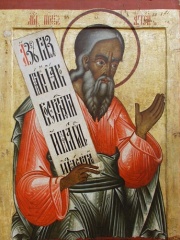
Haggai
RELIGIOUS FIGURE
550 BC - Present
HPI: 73.68
Rank: 6

Ephialtes of Trachis
POLITICIAN
550 BC - 480 BC
HPI: 71.49
Rank: 7

Himilco
EXPLORER
550 BC - 500 BC
HPI: 71.23
Rank: 8
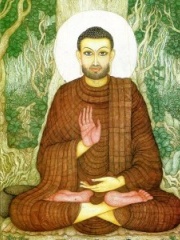
Mahākāśyapa
RELIGIOUS FIGURE
550 BC - 549 BC
HPI: 71.13
Rank: 9

Alcetas I of Macedon
POLITICIAN
550 BC - 600 BC
HPI: 69.87
Rank: 10
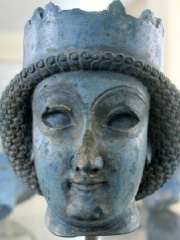
Atossa
POLITICIAN
550 BC - 475 BC
HPI: 69.51
Rank: 11
Labashi-Marduk
POLITICIAN
550 BC - 556 BC
HPI: 66.80
Rank: 12
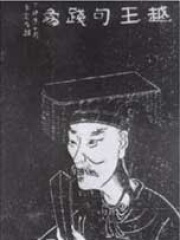
Goujian
POLITICIAN
550 BC - Present
HPI: 66.63
Rank: 13
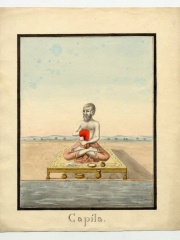
Kapila
PHILOSOPHER
550 BC - 500 BC
HPI: 66.48
Rank: 14
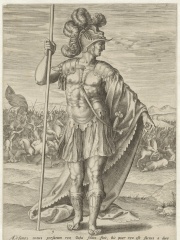
Arsames
POLITICIAN
550 BC - 600 BC
HPI: 64.82
Rank: 15
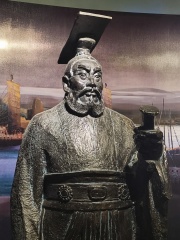
Fuchai
POLITICIAN
550 BC - 473 BC
HPI: 64.54
Rank: 16

Ariston of Sparta
POLITICIAN
550 BC - 510 BC
HPI: 63.95
Rank: 17
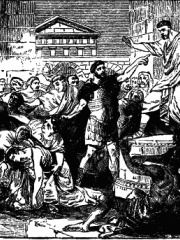
Appius Claudius Crassus
POLITICIAN
550 BC - 449 BC
HPI: 63.87
Rank: 18
Others Deceased in 556 BC
Go to all Rankings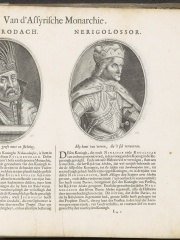
Neriglissar
POLITICIAN
600 BC - 556 BC
HPI: 69.44
Rank: 1
Labashi-Marduk
POLITICIAN
550 BC - 556 BC
HPI: 66.80
Rank: 2
In Irak
Among people born in Irak, Labashi-Marduk ranks 123 out of NaN. Before him are Ibn Khallikan (1211), Tukulti-Ninurta I (-1300), Ubayd Allah ibn Ziyad (648), Al-Mustansir (1192), Etana (-2850), and Al-Qa'im (1001). After him are Ziusudra (null), Karim Findi (1946), Nuri al-Said (1888), Ammi-Saduqa (-1700), Kerbogha (1100), and Abi-Eshuh (-1800).
Others born in Irak
Go to all Rankings
Ibn Khallikan
WRITER
1211 - 1282
HPI: 67.09
Rank: 117
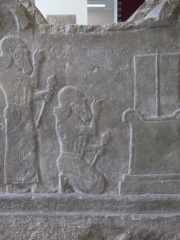
Tukulti-Ninurta I
POLITICIAN
1300 BC - 1300 BC
HPI: 66.97
Rank: 118
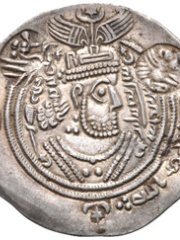
Ubayd Allah ibn Ziyad
MILITARY PERSONNEL
648 - 685
HPI: 66.97
Rank: 119
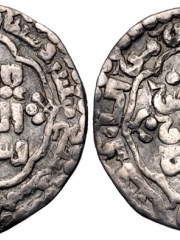
Al-Mustansir
POLITICIAN
1192 - 1242
HPI: 66.86
Rank: 120
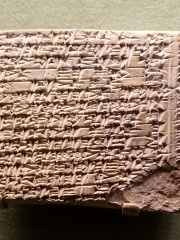
Etana
POLITICIAN
2850 BC - 2900 BC
HPI: 66.82
Rank: 121
Al-Qa'im
POLITICIAN
1001 - 1075
HPI: 66.81
Rank: 122
Labashi-Marduk
POLITICIAN
550 BC - 556 BC
HPI: 66.80
Rank: 123
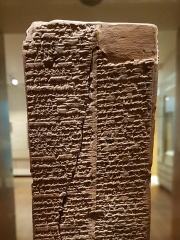
Ziusudra
POLITICIAN
HPI: 66.78
Rank: 124
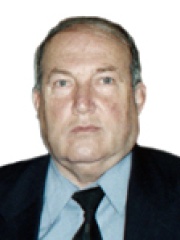
Karim Findi
WRITER
1946 - Present
HPI: 66.74
Rank: 125
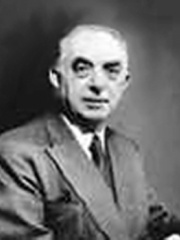
Nuri al-Said
POLITICIAN
1888 - 1958
HPI: 66.72
Rank: 126
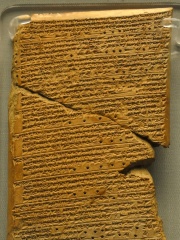
Ammi-Saduqa
POLITICIAN
1700 BC - 1700 BC
HPI: 66.72
Rank: 127
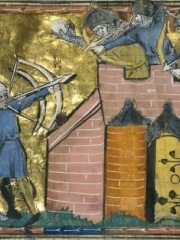
Kerbogha
POLITICIAN
1100 - 1102
HPI: 66.71
Rank: 128

Abi-Eshuh
POLITICIAN
1800 BC - 1700 BC
HPI: 66.68
Rank: 129
Among Polityks In Irak
Among polityks born in Irak, Labashi-Marduk ranks 77. Before him are Ar-Radi (909), Enmerkar (-2500), Tukulti-Ninurta I (-1300), Al-Mustansir (1192), Etana (-2850), and Al-Qa'im (1001). After him are Ziusudra (null), Nuri al-Said (1888), Ammi-Saduqa (-1700), Kerbogha (1100), Abi-Eshuh (-1800), and Shulgi (-2200).
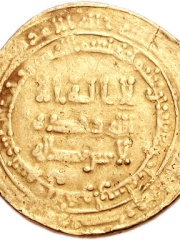
Ar-Radi
909 - 940
HPI: 67.19
Rank: 71
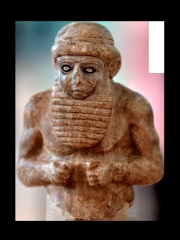
Enmerkar
2500 BC - 3000 BC
HPI: 67.19
Rank: 72
Tukulti-Ninurta I
1300 BC - 1300 BC
HPI: 66.97
Rank: 73
Al-Mustansir
1192 - 1242
HPI: 66.86
Rank: 74
Etana
2850 BC - 2900 BC
HPI: 66.82
Rank: 75
Al-Qa'im
1001 - 1075
HPI: 66.81
Rank: 76
Labashi-Marduk
550 BC - 556 BC
HPI: 66.80
Rank: 77
Ziusudra
HPI: 66.78
Rank: 78
Nuri al-Said
1888 - 1958
HPI: 66.72
Rank: 79
Ammi-Saduqa
1700 BC - 1700 BC
HPI: 66.72
Rank: 80
Kerbogha
1100 - 1102
HPI: 66.71
Rank: 81
Abi-Eshuh
1800 BC - 1700 BC
HPI: 66.68
Rank: 82
Shulgi
2200 BC - 2046 BC
HPI: 66.62
Rank: 83




