Personnalité religieuse
Martin de Tours
316 - 397
FR.WIKIPEDIA PAGE VIEWS (PV)
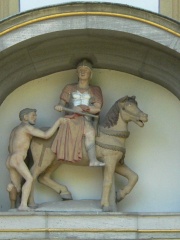
 Martin de Tours
Sa biographie est disponible en 75 langues sur Wikipédia (en hausse par rapport à 73 en 2024). Martin de Tours est le 148th personnalité religieuse le plus populaire (en baisse du 35th en 2024), la 2nd biographie la plus populaire d'Hongrie (en baisse du 1st en 2019), ainsi que le personnalité religieuse d'Hongrie le plus populaire.
Memorability Metrics
740k
Page Views
Past 12 months
81.41
HPI
Historical Popularity Index
Page views of Martin de Tours by language
Among Personnalité religieuses
Among personnalité religieuses, Martin de Tours ranks 148 out of 3,187. Before him are Pope Clement VI, Pope Nicholas V, Pope John XXII, Pope Clement X, Maimonides, and Pope Clement IX. After him are Pope Boniface VIII, Huldrych Zwingli, Bahá'u'lláh, Pope Innocent IX, Pope Innocent VI, and Philip the Apostle.
Most Popular Personnalité Religieuses in Wikipedia
Go to all Rankings
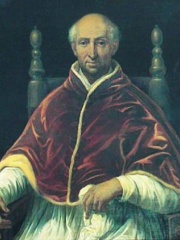
Pope Clement VI
1291 - 1352
HPI: 81.53
Rank: 142
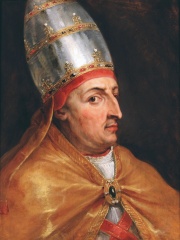
Pope Nicholas V
1397 - 1455
HPI: 81.49
Rank: 143
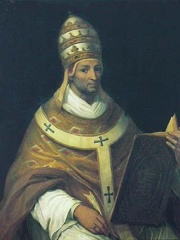
Pope John XXII
1244 - 1334
HPI: 81.45
Rank: 144
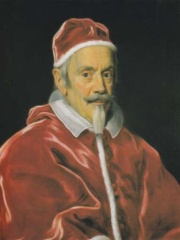
Pope Clement X
1590 - 1676
HPI: 81.44
Rank: 145
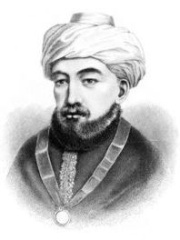
Maimonides
1138 - 1204
HPI: 81.42
Rank: 146
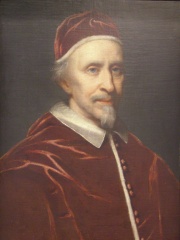
Pope Clement IX
1600 - 1669
HPI: 81.41
Rank: 147
Martin of Tours
316 - 397
HPI: 81.41
Rank: 148
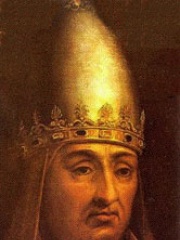
Pope Boniface VIII
1235 - 1303
HPI: 81.37
Rank: 149
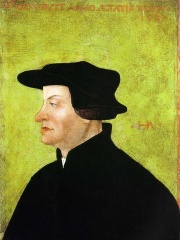
Huldrych Zwingli
1484 - 1531
HPI: 81.35
Rank: 150
Bahá'u'lláh
1817 - 1892
HPI: 81.34
Rank: 151
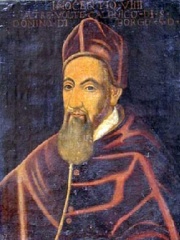
Pope Innocent IX
1519 - 1591
HPI: 81.33
Rank: 152
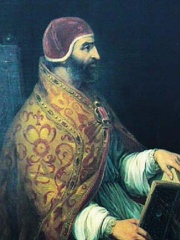
Pope Innocent VI
1282 - 1362
HPI: 81.33
Rank: 153
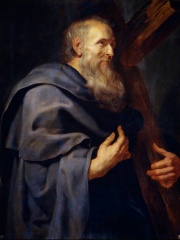
Philip the Apostle
5 - 80
HPI: 81.30
Rank: 154

Contemporaries
Among people born in 316, Martin de Tours ranks 1. After him is Constantine II. Among people deceased in 397, Martin de Tours ranks 1. After him are Ambrose, Nectarius of Constantinople, Geminianus, and Optatus.
Others Born in 316
Go to all RankingsMartin of Tours
RELIGIOUS FIGURE
316 - 397
HPI: 81.41
Rank: 1
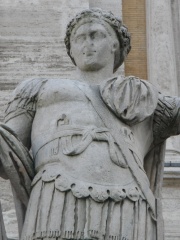
Constantine II
POLITICIAN
316 - 340
HPI: 75.68
Rank: 2
Others Deceased in 397
Go to all RankingsMartin of Tours
RELIGIOUS FIGURE
316 - 397
HPI: 81.41
Rank: 1
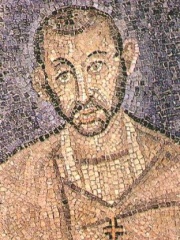
Ambrose
RELIGIOUS FIGURE
340 - 397
HPI: 81.26
Rank: 2
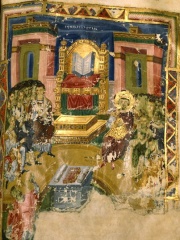
Nectarius of Constantinople
RELIGIOUS FIGURE
HPI: 64.98
Rank: 3
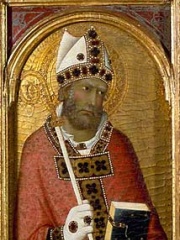
Geminianus
RELIGIOUS FIGURE
312 - 397
HPI: 61.62
Rank: 4
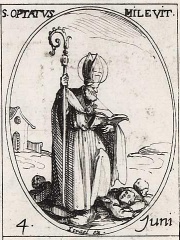
Optatus
RELIGIOUS FIGURE
400 - 397
HPI: 59.42
Rank: 5
In Hongrie
Among people born in Hongrie, Martin de Tours ranks 2 out of NaN. Before him are Ferenc Puskás (1927). After him are George Soros (1930), Gaiseric (389), Theodor Herzl (1860), Elizabeth Báthory (1560), Louis II of Hungary (1506), Rudolf Steiner (1861), Stephen I of Hungary (975), John von Neumann (1903), Ignaz Semmelweis (1818), and Matthias Corvinus (1443).
Others born in Hongrie
Go to all Rankings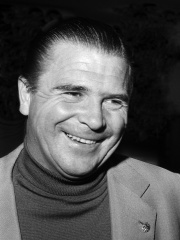
Ferenc Puskás
SOCCER PLAYER
1927 - 2006
HPI: 82.61
Rank: 1
Martin of Tours
RELIGIOUS FIGURE
316 - 397
HPI: 81.41
Rank: 2
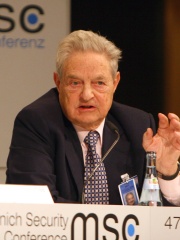
George Soros
BUSINESSPERSON
1930 - Present
HPI: 81.39
Rank: 3
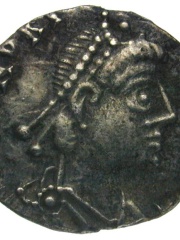
Gaiseric
POLITICIAN
389 - 477
HPI: 81.16
Rank: 4
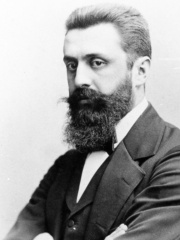
Theodor Herzl
WRITER
1860 - 1904
HPI: 81.04
Rank: 5
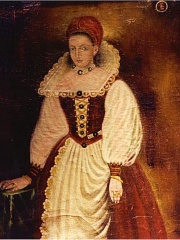
Elizabeth Báthory
EXTREMIST
1560 - 1614
HPI: 80.77
Rank: 6
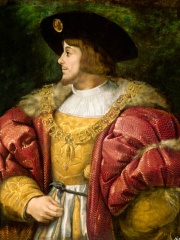
Louis II of Hungary
POLITICIAN
1506 - 1526
HPI: 80.54
Rank: 7
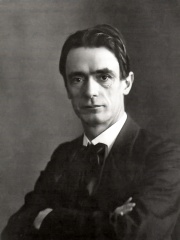
Rudolf Steiner
PHILOSOPHER
1861 - 1925
HPI: 80.38
Rank: 8
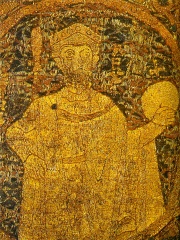
Stephen I of Hungary
POLITICIAN
975 - 1038
HPI: 80.19
Rank: 9

John von Neumann
MATHEMATICIAN
1903 - 1957
HPI: 79.93
Rank: 10
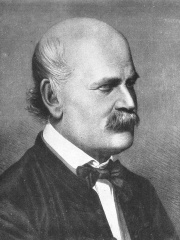
Ignaz Semmelweis
PHYSICIAN
1818 - 1865
HPI: 79.73
Rank: 11
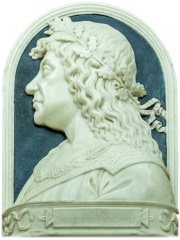
Matthias Corvinus
POLITICIAN
1443 - 1490
HPI: 79.23
Rank: 12
Among Personnalité religieuses In Hongrie
Among personnalité religieuses born in Hongrie, Martin de Tours ranks 1. After him are Péter Erdő (1952), Kinga of Poland (1224), József Mindszenty (1892), Saint Emeric of Hungary (1000), Saint Margaret of Scotland (1045), Yolanda of Poland (1235), Nicolaus Olahus (1493), Friar Julian (1250), Sára Salkaházi (1899), László Paskai (1927), and Vilmos Zsigmond (1930).
Martin of Tours
316 - 397
HPI: 81.41
Rank: 1
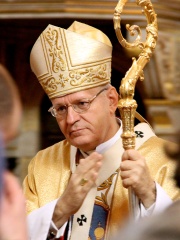
Péter Erdő
1952 - Present
HPI: 70.94
Rank: 2
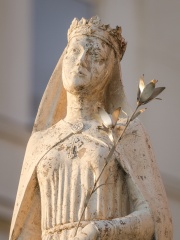
Kinga of Poland
1224 - 1292
HPI: 70.77
Rank: 3

József Mindszenty
1892 - 1975
HPI: 69.50
Rank: 4
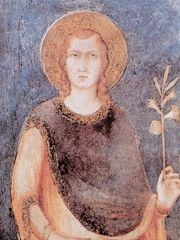
Saint Emeric of Hungary
1000 - 1031
HPI: 67.21
Rank: 5
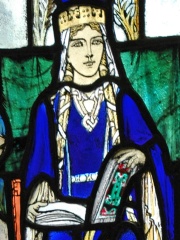
Saint Margaret of Scotland
1045 - 1093
HPI: 67.12
Rank: 6
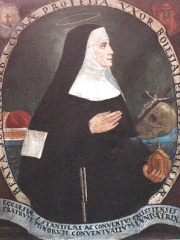
Yolanda of Poland
1235 - 1298
HPI: 66.29
Rank: 7
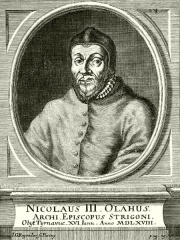
Nicolaus Olahus
1493 - 1568
HPI: 62.56
Rank: 8
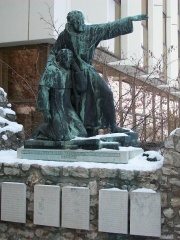
Friar Julian
1250 - Present
HPI: 60.69
Rank: 9
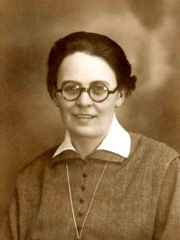
Sára Salkaházi
1899 - 1944
HPI: 60.32
Rank: 10
László Paskai
1927 - 2015
HPI: 59.65
Rank: 11
Vilmos Zsigmond
1930 - 2016
HPI: 59.47
Rank: 12




