Religiöse Persönlichkeit
Martin von Tours
316 - 397
DE.WIKIPEDIA-SEITENAUFRUFE (PV)
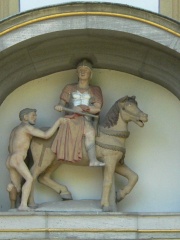
 Martin von Tours
Seine Biografie ist in 75 verschiedenen Sprachen auf Wikipedia verfügbar (gestiegen von 73 im Jahr 2024). Martin von Tours ist der 148th beliebteste Religiöse Persönlichkeit (gesunken vom 35th im Jahr 2024), die 2nd beliebteste Biografie aus Ungarn (gesunken vom 1st im Jahr 2019) und der beliebteste aus Ungarn Religiöse Persönlichkeit.
Bekanntheitsmetriken
740k
Seitenaufrufe
Letzte 12 Monate
81.41
HPI
Historischer Popularitätsindex
Daten-Einblicke
#2 / 1,306
Martin von Tours belegt Platz 2 unter den 1,306 in Ungarn geborenen Persönlichkeiten in Pantheon und gehört zu den besten 1 % dieser Gruppe.
75
Die Biografie von Martin von Tours erscheint in 75 Sprachversionen der Wikipedia, mehr als bei 95 % aller Religiöse Persönlichkeit.
Seitenaufrufe von Martin von Tours nach Sprache
Unter Religiöse Persönlichkeit
Unter Religiöse Persönlichkeit belegt Martin von Tours Rang 148 von 3,189. Vor ihm stehen Pope Clement VI, Pope Nicholas V, Pope John XXII, Pope Clement X, Maimonides, und Pope Clement IX. Nach ihm folgen Pope Boniface VIII, Huldrych Zwingli, Bahá'u'lláh, Pope Innocent IX, Pope Innocent VI, und Philip the Apostle.
Die beliebtesten Religiöse Persönlichkeit auf Wikipedia
Zu allen Ranglisten
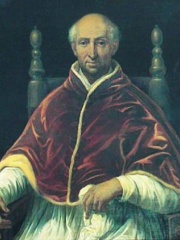
Pope Clement VI
1291 - 1352
HPI: 81.53
Rang: 142
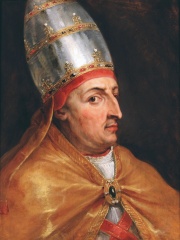
Pope Nicholas V
1397 - 1455
HPI: 81.49
Rang: 143
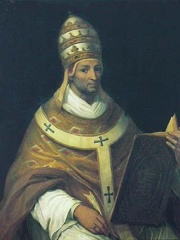
Pope John XXII
1244 - 1334
HPI: 81.45
Rang: 144
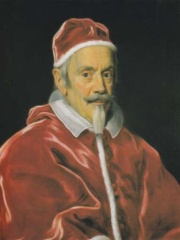
Pope Clement X
1590 - 1676
HPI: 81.44
Rang: 145
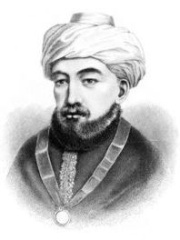
Maimonides
1138 - 1204
HPI: 81.42
Rang: 146
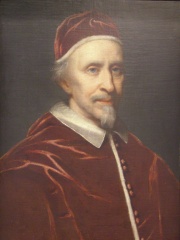
Pope Clement IX
1600 - 1669
HPI: 81.41
Rang: 147
Martin of Tours
316 - 397
HPI: 81.41
Rang: 148
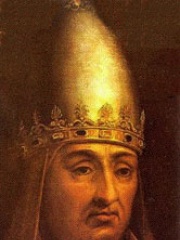
Pope Boniface VIII
1235 - 1303
HPI: 81.37
Rang: 149
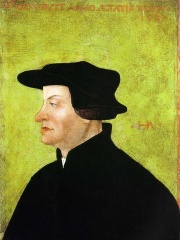
Huldrych Zwingli
1484 - 1531
HPI: 81.35
Rang: 150
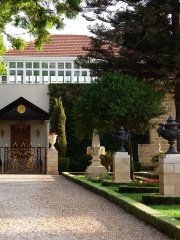
Bahá'u'lláh
1817 - 1892
HPI: 81.34
Rang: 151
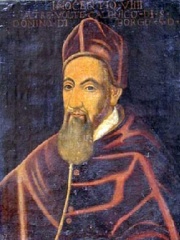
Pope Innocent IX
1519 - 1591
HPI: 81.33
Rang: 152
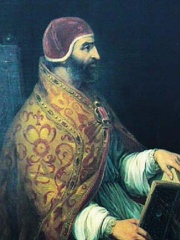
Pope Innocent VI
1282 - 1362
HPI: 81.33
Rang: 153
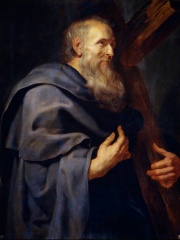
Philip the Apostle
5 - 80
HPI: 81.30
Rang: 154

Zeitgenossen
Unter den im Jahr 316 Geborenen belegt Martin von Tours Rang 1. Nach ihm folgt Constantine II. Unter den im Jahr 397 Verstorbenen belegt Martin von Tours Rang 1. Nach ihm folgen Ambrose, Nectarius of Constantinople, Geminianus, und Optatus.
Weitere im Jahr 316 Geborene
Zu allen RanglistenMartin of Tours
RELIGIOUS FIGURE
316 - 397
HPI: 81.41
Rang: 1
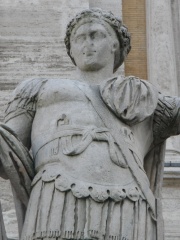
Constantine II
POLITICIAN
316 - 340
HPI: 75.68
Rang: 2
Weitere im Jahr 397 Verstorbene
Zu allen RanglistenMartin of Tours
RELIGIOUS FIGURE
316 - 397
HPI: 81.41
Rang: 1
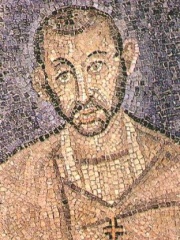
Ambrose
RELIGIOUS FIGURE
340 - 397
HPI: 81.26
Rang: 2
Nectarius of Constantinople
RELIGIOUS FIGURE
HPI: 64.98
Rang: 3
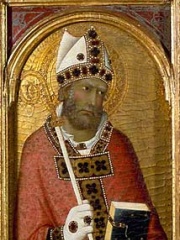
Geminianus
RELIGIOUS FIGURE
312 - 397
HPI: 61.62
Rang: 4
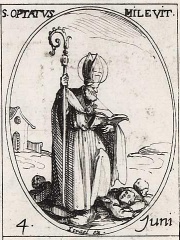
Optatus
RELIGIOUS FIGURE
400 - 397
HPI: 59.42
Rang: 5
In Ungarn
Unter den in Ungarn Geborenen belegt Martin von Tours Rang 2 von 1,306. Vor ihm steht Ferenc Puskás (1927). Nach ihm folgen George Soros (1930), Gaiseric (389), Theodor Herzl (1860), Elizabeth Báthory (1560), Louis II of Hungary (1506), Rudolf Steiner (1861), Stephen I of Hungary (975), John von Neumann (1903), Ignaz Semmelweis (1818), und Matthias Corvinus (1443).
Weitere in Ungarn geborene Personen
Zu allen Ranglisten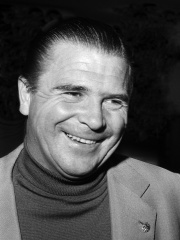
Ferenc Puskás
SOCCER PLAYER
1927 - 2006
HPI: 82.61
Rang: 1
Martin of Tours
RELIGIOUS FIGURE
316 - 397
HPI: 81.41
Rang: 2

George Soros
BUSINESSPERSON
1930 - heute
HPI: 81.39
Rang: 3
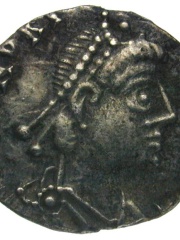
Gaiseric
POLITICIAN
389 - 477
HPI: 81.16
Rang: 4
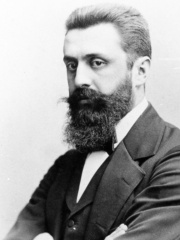
Theodor Herzl
WRITER
1860 - 1904
HPI: 81.04
Rang: 5
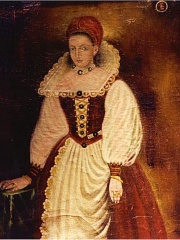
Elizabeth Báthory
EXTREMIST
1560 - 1614
HPI: 80.77
Rang: 6
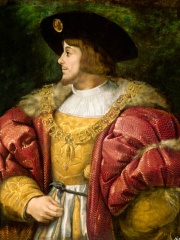
Louis II of Hungary
POLITICIAN
1506 - 1526
HPI: 80.54
Rang: 7
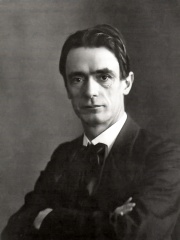
Rudolf Steiner
PHILOSOPHER
1861 - 1925
HPI: 80.38
Rang: 8
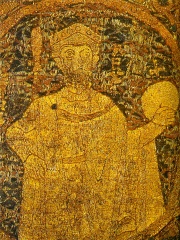
Stephen I of Hungary
POLITICIAN
975 - 1038
HPI: 80.19
Rang: 9

John von Neumann
MATHEMATICIAN
1903 - 1957
HPI: 79.93
Rang: 10
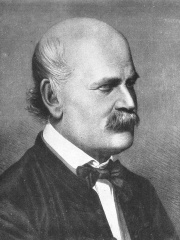
Ignaz Semmelweis
PHYSICIAN
1818 - 1865
HPI: 79.73
Rang: 11
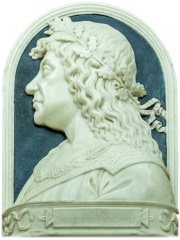
Matthias Corvinus
POLITICIAN
1443 - 1490
HPI: 79.23
Rang: 12
Unter Religiöse Persönlichkeit in Ungarn
Unter den in Ungarn geborenen Religiöse Persönlichkeit belegt Martin von Tours Rang 1. Nach ihm folgen Péter Erdő (1952), Kinga of Poland (1224), József Mindszenty (1892), Saint Emeric of Hungary (1000), Saint Margaret of Scotland (1045), Yolanda of Poland (1235), Nicolaus Olahus (1493), Friar Julian (1250), Sára Salkaházi (1899), László Paskai (1927), und Vilmos Zsigmond (1930).
Martin of Tours
316 - 397
HPI: 81.41
Rang: 1
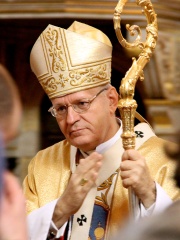
Péter Erdő
1952 - heute
HPI: 70.94
Rang: 2
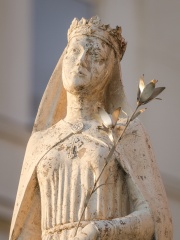
Kinga of Poland
1224 - 1292
HPI: 70.77
Rang: 3

József Mindszenty
1892 - 1975
HPI: 69.50
Rang: 4
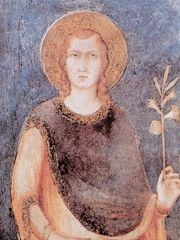
Saint Emeric of Hungary
1000 - 1031
HPI: 67.21
Rang: 5
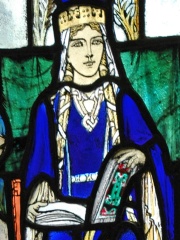
Saint Margaret of Scotland
1045 - 1093
HPI: 67.12
Rang: 6
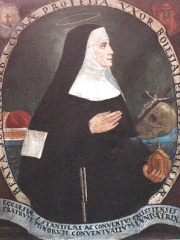
Yolanda of Poland
1235 - 1298
HPI: 66.29
Rang: 7
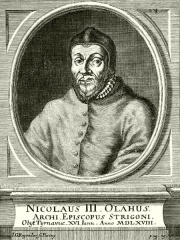
Nicolaus Olahus
1493 - 1568
HPI: 62.56
Rang: 8
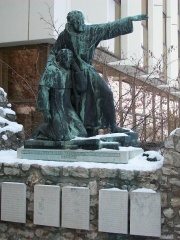
Friar Julian
1250 - heute
HPI: 60.69
Rang: 9
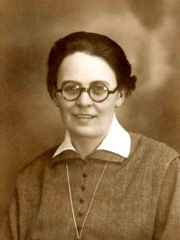
Sára Salkaházi
1899 - 1944
HPI: 60.32
Rang: 10
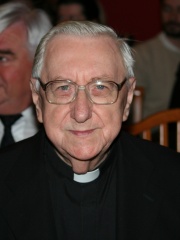
László Paskai
1927 - 2015
HPI: 59.65
Rang: 11
Vilmos Zsigmond
1930 - 2016
HPI: 59.47
Rang: 12




