Philosophe
Axel Honneth
1949 - aujourd'hui
PAGES VUES SUR FR.WIKIPEDIA (PV)
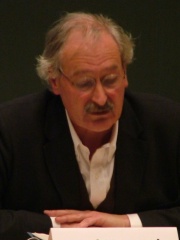
 Axel Honneth
Sa biographie est disponible en 25 langues sur Wikipédia. Axel Honneth est le 509th philosophe le plus populaire (en hausse du 542nd en 2024), la 1,415th biographie la plus populaire d'Allemagne (en hausse du 1,501st en 2019), ainsi que le 64th philosophe d'Allemagne le plus populaire.
Indicateurs de mémorabilité
70k
Pages vues
12 derniers mois
66.09
HPI
Indice de popularité historique
Faits marquants
25
La biographie de Axel Honneth couvre 25 éditions linguistiques de Wikipédia et obtient un Indice de Popularité Historique de 66.09.
Pages vues de Axel Honneth par langue
Parmi les Philosophe
Parmi les Philosophe, Axel Honneth occupe le rang 509 sur 1,285. Avant lui viennent Homi K. Bhabha, Victor Cousin, Adam Ferguson, Juan Ginés de Sepúlveda, Anania Shirakatsi, et Nelson Goodman. Après lui viennent A. J. Ayer, Kenneth Waltz, Valentinus, Thomas Nagel, Johann Christoph Gottsched, et Sergei Bulgakov.
Philosophe les plus populaires sur Wikipédia
Voir tous les classements
Homi K. Bhabha
1949 - présent
HPI : 66.35
Rang : 503
Victor Cousin
1792 - 1867
HPI : 66.29
Rang : 504
Adam Ferguson
1723 - 1816
HPI : 66.28
Rang : 505
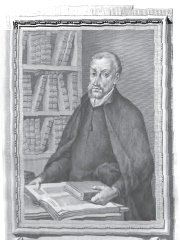
Juan Ginés de Sepúlveda
1490 - 1573
HPI : 66.25
Rang : 506
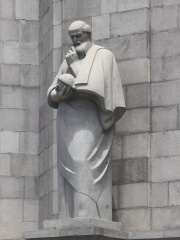
Anania Shirakatsi
610 - 685
HPI : 66.17
Rang : 507
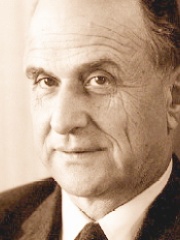
Nelson Goodman
1906 - 1998
HPI : 66.13
Rang : 508
Axel Honneth
1949 - présent
HPI : 66.09
Rang : 509
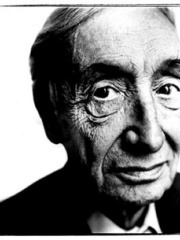
A. J. Ayer
1910 - 1989
HPI : 66.06
Rang : 510
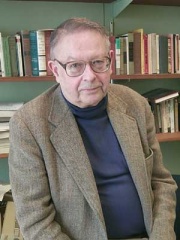
Kenneth Waltz
1924 - 2013
HPI : 66.05
Rang : 511

Valentinus
100 - 160
HPI : 66.01
Rang : 512
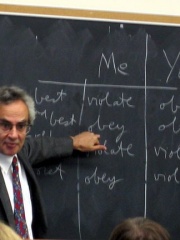
Thomas Nagel
1937 - présent
HPI : 66.01
Rang : 513
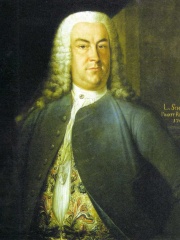
Johann Christoph Gottsched
1700 - 1766
HPI : 66.00
Rang : 514
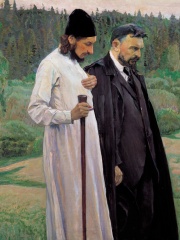
Sergei Bulgakov
1871 - 1944
HPI : 65.94
Rang : 515

Contemporains
Parmi les personnes nées en 1949, Axel Honneth occupe le rang 104. Avant lui viennent Annie Leibovitz, Philippe Starck, Homi K. Bhabha, Quini, Morten Olsen, et Stephen McKinley Henderson. Après lui viennent Angie Bowie, Josip Bozanić, Walid Jumblatt, Valentina Matviyenko, Göran Persson, et Ward Cunningham.
Autres personnes nées en 1949
Voir tous les classements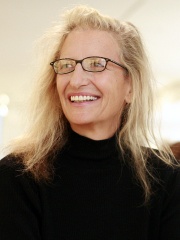
Annie Leibovitz
PHOTOGRAPHER
1949 - présent
HPI : 66.63
Rang : 98
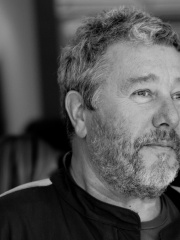
Philippe Starck
DESIGNER
1949 - présent
HPI : 66.58
Rang : 99
Homi K. Bhabha
PHILOSOPHER
1949 - présent
HPI : 66.35
Rang : 100

Quini
SOCCER PLAYER
1949 - 2018
HPI : 66.34
Rang : 101

Morten Olsen
COACH
1949 - présent
HPI : 66.32
Rang : 102

Stephen McKinley Henderson
ACTOR
1949 - présent
HPI : 66.27
Rang : 103
Axel Honneth
PHILOSOPHER
1949 - présent
HPI : 66.09
Rang : 104

Angie Bowie
ACTOR
1949 - présent
HPI : 66.08
Rang : 105
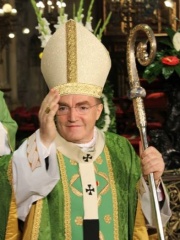
Josip Bozanić
RELIGIOUS FIGURE
1949 - présent
HPI : 66.04
Rang : 106
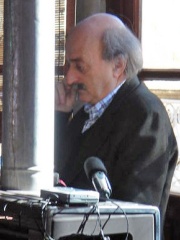
Walid Jumblatt
POLITICIAN
1949 - présent
HPI : 66.02
Rang : 107
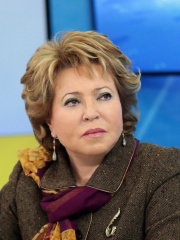
Valentina Matviyenko
POLITICIAN
1949 - présent
HPI : 66.01
Rang : 108
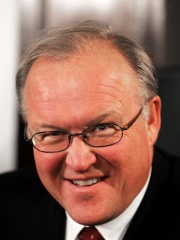
Göran Persson
POLITICIAN
1949 - présent
HPI : 65.99
Rang : 109
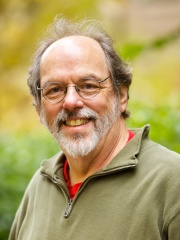
Ward Cunningham
COMPUTER SCIENTIST
1949 - présent
HPI : 65.87
Rang : 110
En Allemagne
Parmi les personnes nées en Allemagne, Axel Honneth occupe le rang 1,415 sur 8,184. Avant lui viennent Philipp Franz von Siebold (1796), Maria Josepha Amalia of Saxony (1803), Else Lasker-Schüler (1869), Arnold van Gennep (1873), Hans Werner Henze (1926), et Alfred Krupp (1812). Après lui viennent Anne Christine of Sulzbach, Princess of Piedmont (1704), Philipp Ludwig, Count Palatine of Neuburg (1547), Wilhelm Groener (1867), Thea von Harbou (1888), John B. Goodenough (1922), et Ferdinand Georg Frobenius (1849).
Autres personnes nées en Allemagne
Voir tous les classements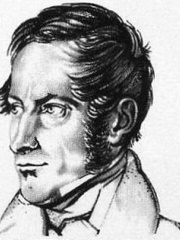
Philipp Franz von Siebold
PHYSICIAN
1796 - 1866
HPI : 66.11
Rang : 1,409
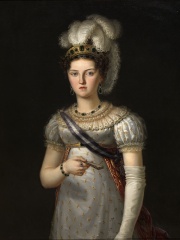
Maria Josepha Amalia of Saxony
COMPANION
1803 - 1829
HPI : 66.11
Rang : 1,410
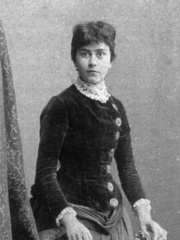
Else Lasker-Schüler
WRITER
1869 - 1945
HPI : 66.10
Rang : 1,411
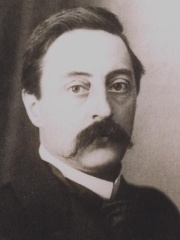
Arnold van Gennep
WRITER
1873 - 1957
HPI : 66.10
Rang : 1,412
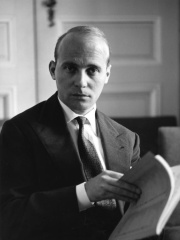
Hans Werner Henze
COMPOSER
1926 - 2012
HPI : 66.09
Rang : 1,413
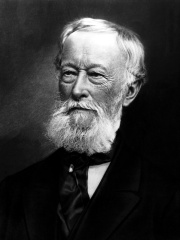
Alfred Krupp
INVENTOR
1812 - 1887
HPI : 66.09
Rang : 1,414
Axel Honneth
PHILOSOPHER
1949 - présent
HPI : 66.09
Rang : 1,415
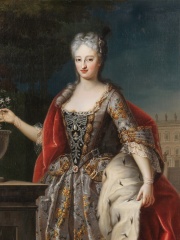
Anne Christine of Sulzbach, Princess of Piedmont
NOBLEMAN
1704 - 1723
HPI : 66.09
Rang : 1,416
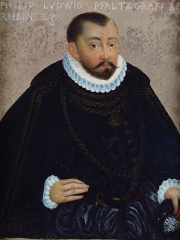
Philipp Ludwig, Count Palatine of Neuburg
NOBLEMAN
1547 - 1614
HPI : 66.09
Rang : 1,417
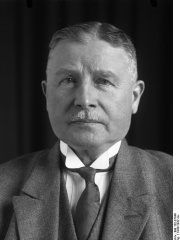
Wilhelm Groener
POLITICIAN
1867 - 1939
HPI : 66.08
Rang : 1,418
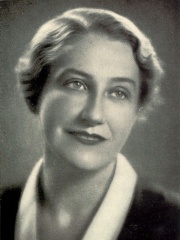
Thea von Harbou
FILM DIRECTOR
1888 - 1954
HPI : 66.08
Rang : 1,419
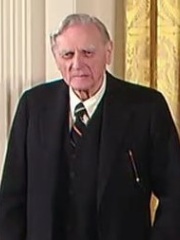
John B. Goodenough
PHYSICIST
1922 - 2023
HPI : 66.07
Rang : 1,420
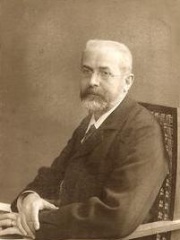
Ferdinand Georg Frobenius
MATHEMATICIAN
1849 - 1917
HPI : 66.07
Rang : 1,421
Parmi les Philosophe en Allemagne
Parmi les Philosophe nés en Allemagne, Axel Honneth occupe le rang 64. Avant lui viennent Franz Rosenzweig (1886), Paul Natorp (1854), Leo Strauss (1899), Ernst Troeltsch (1865), Hermann Lotze (1817), et Johannes Althusius (1563). Après lui viennent Karl Löwith (1897), Ludwig Büchner (1824), Karl-Otto Apel (1922), Carl Stumpf (1848), Annemarie Schimmel (1922), et Albert of Saxony (1316).
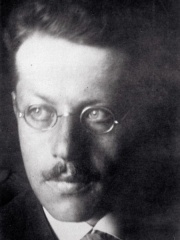
Franz Rosenzweig
1886 - 1929
HPI : 67.14
Rang : 58
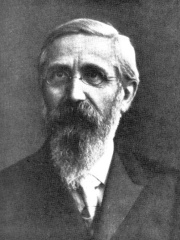
Paul Natorp
1854 - 1924
HPI : 66.86
Rang : 59
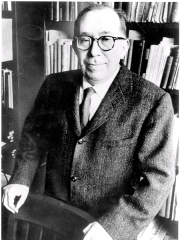
Leo Strauss
1899 - 1973
HPI : 66.74
Rang : 60
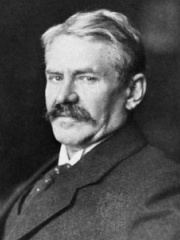
Ernst Troeltsch
1865 - 1923
HPI : 66.67
Rang : 61
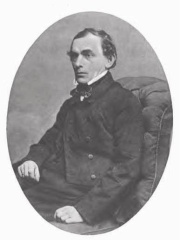
Hermann Lotze
1817 - 1881
HPI : 66.46
Rang : 62
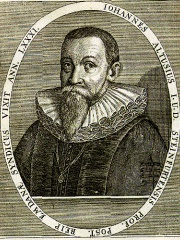
Johannes Althusius
1563 - 1638
HPI : 66.37
Rang : 63
Axel Honneth
1949 - présent
HPI : 66.09
Rang : 64

Karl Löwith
1897 - 1973
HPI : 65.87
Rang : 65
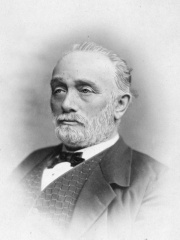
Ludwig Büchner
1824 - 1899
HPI : 65.80
Rang : 66
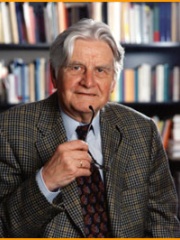
Karl-Otto Apel
1922 - 2017
HPI : 65.66
Rang : 67
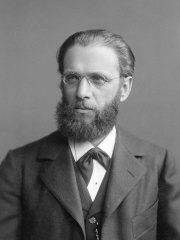
Carl Stumpf
1848 - 1936
HPI : 65.63
Rang : 68
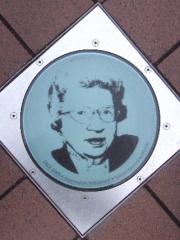
Annemarie Schimmel
1922 - 2003
HPI : 65.53
Rang : 69

Albert of Saxony
1316 - 1390
HPI : 65.47
Rang : 70




