Figura religiosa
Junia Tertia
70 BC - 22
ES.WIKIPEDIA PAGE VIEWS (PV)

 Junia Tertia
Su biografía está disponible en 15 idiomas en Wikipedia. Junia Tertia ocupa el puesto 2552 entre los figura religiosa más populares (bajó del puesto 1623 en 2024), el puesto 3303 entre las biografías más populares de Italia (bajó del puesto 2366 en 2019) y el puesto 517 entre los figura religiosa de italia más populares.
Memorability Metrics
12k
Page Views
Past 12 months
57.74
HPI
Historical Popularity Index
Page views of Junia Tertia by language
Among Figura religiosas
Among figura religiosas, Junia Tertia ranks 2,552 out of 3,187. Before her are Joseph Höffner, Caterina Volpicelli, Jaime Sin, Justin Welby, Abundius, and Ignatius Gabriel I Tappouni. After her are Giovanni Cagliero, Paul Yoshigoro Taguchi, Austromoine, Elsa Brändström, Patriarch Hermogenes of Moscow, and Nicholas Tavelic.
Most Popular Figura Religiosas in Wikipedia
Go to all Rankings
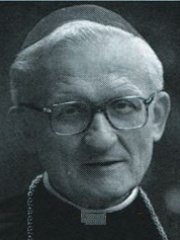
Joseph Höffner
1906 - 1987
HPI: 57.78
Rank: 2,546
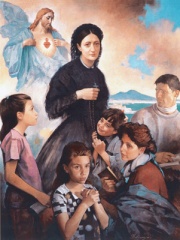
Caterina Volpicelli
1839 - 1894
HPI: 57.77
Rank: 2,547
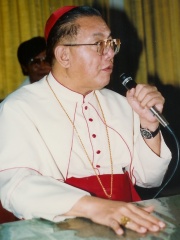
Jaime Sin
1928 - 2005
HPI: 57.77
Rank: 2,548
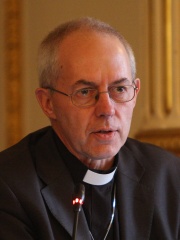
Justin Welby
1956 - Present
HPI: 57.76
Rank: 2,549
Abundius
HPI: 57.76
Rank: 2,550

Ignatius Gabriel I Tappouni
1879 - 1968
HPI: 57.76
Rank: 2,551
Junia Tertia
70 BC - 22
HPI: 57.74
Rank: 2,552
Giovanni Cagliero
1838 - 1926
HPI: 57.73
Rank: 2,553
Paul Yoshigoro Taguchi
1902 - 1978
HPI: 57.73
Rank: 2,554
Austromoine
300 - 300
HPI: 57.73
Rank: 2,555
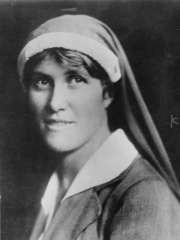
Elsa Brändström
1888 - 1948
HPI: 57.72
Rank: 2,556
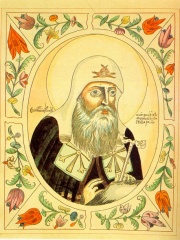
Patriarch Hermogenes of Moscow
1530 - 1612
HPI: 57.72
Rank: 2,557

Nicholas Tavelic
1340 - 1391
HPI: 57.72
Rank: 2,558

Contemporaries
Among people born in 70 BC, Junia Tertia ranks 5. Before her are Virgil, Scribonia, Orodes II, and Publius Cornelius Dolabella. Among people deceased in 22, Junia Tertia ranks 1.
Others Born in 70 BC
Go to all Rankings
Virgil
WRITER
70 BC - 19 BC
HPI: 88.05
Rank: 1
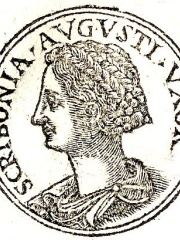
Scribonia
COMPANION
70 BC - 16
HPI: 73.96
Rank: 2
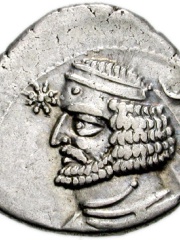
Orodes II
POLITICIAN
70 BC - 38 BC
HPI: 69.28
Rank: 3

Publius Cornelius Dolabella
POLITICIAN
70 BC - 43 BC
HPI: 68.89
Rank: 4
Junia Tertia
RELIGIOUS FIGURE
70 BC - 22
HPI: 57.74
Rank: 5
Others Deceased in 22
Go to all RankingsIn Italia
Among people born in Italia, Junia Tertia ranks 3,303 out of NaN. Before her are Riccardo Cucciolla (1924), Giuseppe Signori (1968), Caterina Volpicelli (1839), Eleonora Brown (1948), Guaimar IV of Salerno (1013), and Carlo Orlandi (1910). After her are Pier Andrea Saccardo (1845), Austromoine (300), Francesco Guccini (1940), Maurizio Arrivabene (1957), Francesco Laparelli (1521), and Elio Toaff (1915).
Others born in Italia
Go to all Rankings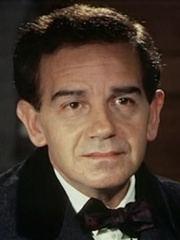
Riccardo Cucciolla
ACTOR
1924 - 1999
HPI: 57.79
Rank: 3,297

Giuseppe Signori
SOCCER PLAYER
1968 - Present
HPI: 57.78
Rank: 3,298
Caterina Volpicelli
RELIGIOUS FIGURE
1839 - 1894
HPI: 57.77
Rank: 3,299
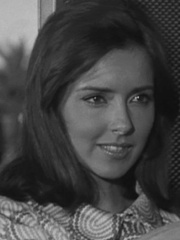
Eleonora Brown
ACTOR
1948 - Present
HPI: 57.77
Rank: 3,300

Guaimar IV of Salerno
POLITICIAN
1013 - 1052
HPI: 57.76
Rank: 3,301
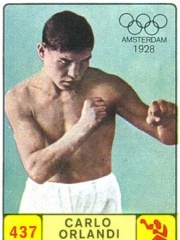
Carlo Orlandi
BOXER
1910 - 1983
HPI: 57.76
Rank: 3,302
Junia Tertia
RELIGIOUS FIGURE
70 BC - 22
HPI: 57.74
Rank: 3,303
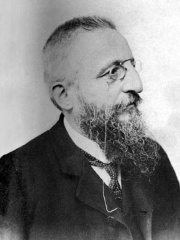
Pier Andrea Saccardo
BIOLOGIST
1845 - 1920
HPI: 57.74
Rank: 3,304
Austromoine
RELIGIOUS FIGURE
300 - 300
HPI: 57.73
Rank: 3,305
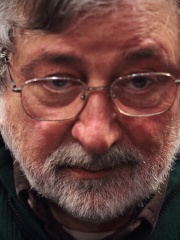
Francesco Guccini
SINGER
1940 - Present
HPI: 57.72
Rank: 3,306

Maurizio Arrivabene
BUSINESSPERSON
1957 - Present
HPI: 57.72
Rank: 3,307
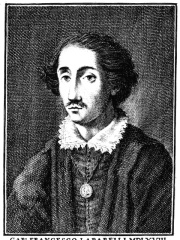
Francesco Laparelli
ARCHITECT
1521 - 1570
HPI: 57.71
Rank: 3,308

Elio Toaff
RELIGIOUS FIGURE
1915 - 2015
HPI: 57.70
Rank: 3,309
Among Figura religiosas In Italia
Among figura religiosas born in Italia, Junia Tertia ranks 517. Before her are Paolo Sardi (1934), Diego Ravelli (1965), Lorenzo Antonetti (1922), Amatus of Montecassino (1010), Fiorenzo Angelini (1916), and Caterina Volpicelli (1839). After her are Austromoine (300), Elio Toaff (1915), Eugenio Tosi (1864), Conrad of Piacenza (1290), Pietro Palazzini (1912), and Severino Poletto (1933).

Paolo Sardi
1934 - 2019
HPI: 58.15
Rank: 511
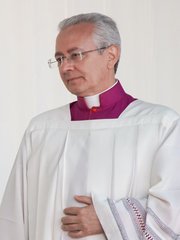
Diego Ravelli
1965 - Present
HPI: 58.13
Rank: 512

Lorenzo Antonetti
1922 - 2013
HPI: 58.12
Rank: 513

Amatus of Montecassino
1010 - 1090
HPI: 57.90
Rank: 514
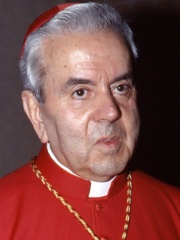
Fiorenzo Angelini
1916 - 2014
HPI: 57.86
Rank: 515
Caterina Volpicelli
1839 - 1894
HPI: 57.77
Rank: 516
Junia Tertia
70 BC - 22
HPI: 57.74
Rank: 517
Austromoine
300 - 300
HPI: 57.73
Rank: 518
Elio Toaff
1915 - 2015
HPI: 57.70
Rank: 519
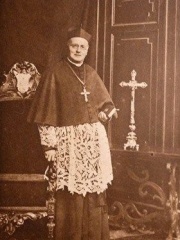
Eugenio Tosi
1864 - 1929
HPI: 57.69
Rank: 520
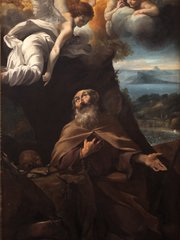
Conrad of Piacenza
1290 - 1351
HPI: 57.66
Rank: 521

Pietro Palazzini
1912 - 2000
HPI: 57.55
Rank: 522
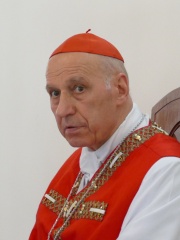
Severino Poletto
1933 - 2022
HPI: 57.51
Rank: 523




