Military Personnel
Iphicrates
Athenian general
415 BC - 353 BC
EN.WIKIPEDIA PAGE VIEWS (PV)

 Iphicrates
His biography is available in 24 different languages on Wikipedia. Iphicrates is the 788th most popular military personnel (down from 710th in 2024), the 383rd most popular biography from Greece (down from 355th in 2019) and the 27th most popular Greek Military Personnel.
Memorability Metrics
18k
Page Views
Past 12 months
63.86
HPI
Historical Popularity Index
Data Insights
24
Iphicrates's biography spans 24 Wikipedia language editions and earns a Historical Popularity Index of 63.86.
Page views of Iphicrates by language
Among Military Personnels
Among military personnels, Iphicrates ranks 788 out of 2,188. Before him are Inaros II, Boris Sheremetev, Gaius Suetonius Paulinus, Yi Un, Peter Townsend, and Takeo Takagi. After him are Hua Xiong, Oswald Boelcke, Sergey Gorshkov, Valerii Zaluzhnyi, Rudolf Schmundt, and David Farragut.
Most Popular Military Personnels in Wikipedia
Go to all Rankings
Inaros II
500 BC - 500 BC
HPI: 63.91
Rank: 782
Boris Sheremetev
1652 - 1719
HPI: 63.90
Rank: 783
Gaius Suetonius Paulinus
10 - 60
HPI: 63.88
Rank: 784
Yi Un
1897 - 1970
HPI: 63.88
Rank: 785

Peter Townsend
1914 - 1995
HPI: 63.87
Rank: 786
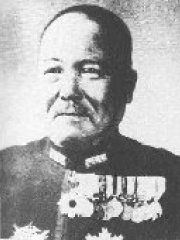
Takeo Takagi
1892 - 1944
HPI: 63.87
Rank: 787
Iphicrates
415 BC - 353 BC
HPI: 63.86
Rank: 788

Hua Xiong
200 - 191
HPI: 63.86
Rank: 789
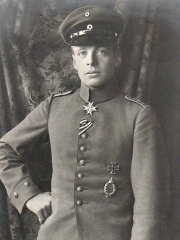
Oswald Boelcke
1891 - 1916
HPI: 63.86
Rank: 790
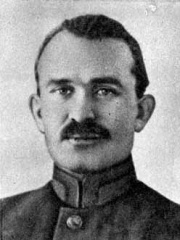
Sergey Gorshkov
1910 - 1988
HPI: 63.85
Rank: 791
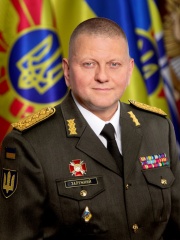
Valerii Zaluzhnyi
1973 - Present
HPI: 63.85
Rank: 792
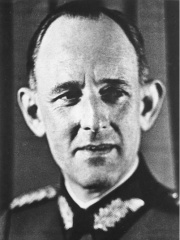
Rudolf Schmundt
1896 - 1944
HPI: 63.85
Rank: 793
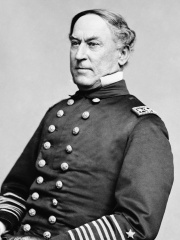
David Farragut
1801 - 1870
HPI: 63.84
Rank: 794

Contemporaries
Among people born in 415 BC, Iphicrates ranks 1. Among people deceased in 353 BC, Iphicrates ranks 2. Before him is Mausolus.
Others Born in 415 BC
Go to all RankingsOthers Deceased in 353 BC
Go to all Rankings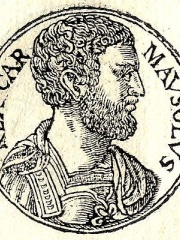
Mausolus
POLITICIAN
410 BC - 353 BC
HPI: 73.83
Rank: 1
Iphicrates
MILITARY PERSONNEL
415 BC - 353 BC
HPI: 63.86
Rank: 2
In Greece
Among people born in Greece, Iphicrates ranks 383 out of 1,135. Before him are Manuel Doukas (1187), Ariston of Sparta (-550), Alexios Komnenos (1106), Philip I of Macedon (-700), Konstantinos Mitsotakis (1918), and Theophano of Athens (701). After him are Princess Katherine of Greece and Denmark (1913), Alexandros Panagoulis (1939), Cleombrotus (-600), Dionysius of Corinth (150), Campaspe (-400), and Demosthenes (-412).
Others born in Greece
Go to all Rankings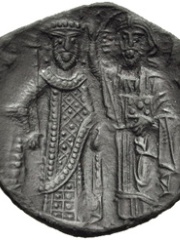
Manuel Doukas
POLITICIAN
1187 - 1241
HPI: 63.96
Rank: 377

Ariston of Sparta
POLITICIAN
550 BC - 510 BC
HPI: 63.95
Rank: 378
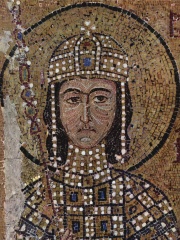
Alexios Komnenos
POLITICIAN
1106 - 1142
HPI: 63.95
Rank: 379

Philip I of Macedon
POLITICIAN
700 BC - 600 BC
HPI: 63.92
Rank: 380
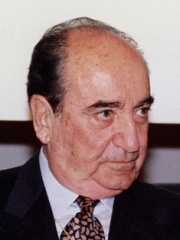
Konstantinos Mitsotakis
POLITICIAN
1918 - 2017
HPI: 63.88
Rank: 381

Theophano of Athens
POLITICIAN
701 - 801
HPI: 63.87
Rank: 382
Iphicrates
MILITARY PERSONNEL
415 BC - 353 BC
HPI: 63.86
Rank: 383

Princess Katherine of Greece and Denmark
POLITICIAN
1913 - 2007
HPI: 63.84
Rank: 384
Alexandros Panagoulis
POLITICIAN
1939 - 1976
HPI: 63.83
Rank: 385

Cleombrotus
MILITARY PERSONNEL
600 BC - 480 BC
HPI: 63.80
Rank: 386

Dionysius of Corinth
RELIGIOUS FIGURE
150 - 171
HPI: 63.78
Rank: 387

Campaspe
SOCIAL ACTIVIST
400 BC - 360 BC
HPI: 63.75
Rank: 388
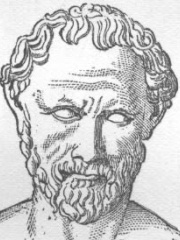
Demosthenes
MILITARY PERSONNEL
412 BC - 413 BC
HPI: 63.73
Rank: 389
Among Military Personnels In Greece
Among military personnels born in Greece, Iphicrates ranks 27. Before him are Thrasybulus (-440), Theodoros Kolokotronis (1770), Müezzinzade Ali Pasha (null), Peucestas (-390), Conon (-401), and Callimachus (-600). After him are Cleombrotus (-600), Demosthenes (-412), Markos Botsaris (1790), Peithon (-355), Ian Hamilton (1853), and Dimitrios Ioannidis (1923).

Thrasybulus
440 BC - 389 BC
HPI: 67.45
Rank: 21
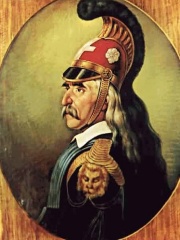
Theodoros Kolokotronis
1770 - 1843
HPI: 67.14
Rank: 22
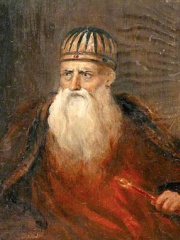
Müezzinzade Ali Pasha
HPI: 65.39
Rank: 23
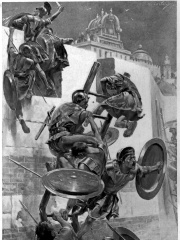
Peucestas
390 BC - 330 BC
HPI: 65.02
Rank: 24

Conon
401 BC - 390 BC
HPI: 64.94
Rank: 25
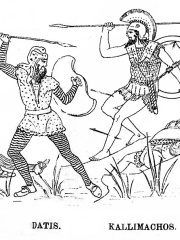
Callimachus
600 BC - 489 BC
HPI: 64.84
Rank: 26
Iphicrates
415 BC - 353 BC
HPI: 63.86
Rank: 27
Cleombrotus
600 BC - 480 BC
HPI: 63.80
Rank: 28
Demosthenes
412 BC - 413 BC
HPI: 63.73
Rank: 29
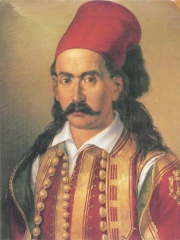
Markos Botsaris
1790 - 1823
HPI: 63.40
Rank: 30

Peithon
355 BC - 316 BC
HPI: 63.15
Rank: 31
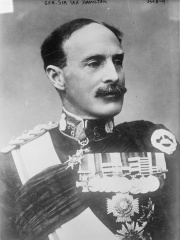
Ian Hamilton
1853 - 1947
HPI: 62.99
Rank: 32

Dimitrios Ioannidis
1923 - 2010
HPI: 62.40
Rank: 33




