Philosoph
Bonaventura
1221 - 1274
DE.WIKIPEDIA-SEITENAUFRUFE (PV)
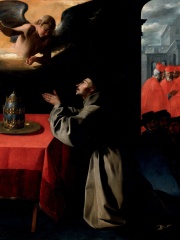
 Bonaventura
Seine Biografie ist in 62 verschiedenen Sprachen auf Wikipedia verfügbar. Bonaventura ist der 120th beliebteste Philosoph (gestiegen vom 125th im Jahr 2024), die 310th beliebteste Biografie aus Italien (gesunken vom 299th im Jahr 2019) und der 12th beliebteste aus Italien Philosoph.
Bekanntheitsmetriken
280k
Seitenaufrufe
Letzte 12 Monate
77.62
HPI
Historischer Popularitätsindex
Seitenaufrufe von Bonaventura nach Sprache
Unter Philosoph
Unter Philosoph belegt Bonaventura Rang 120 von 1,267. Vor ihm stehen Gilles Deleuze, Meister Eckhart, Padmasambhava, Tertullian, William of Ockham, und Ibn Taymiyyah. Nach ihm folgen Henri de Saint-Simon, Emmanuel Levinas, Ramon Llull, Willard Van Orman Quine, Hans-Georg Gadamer, und Marsilio Ficino.
Die beliebtesten Philosoph auf Wikipedia
Zu allen Ranglisten
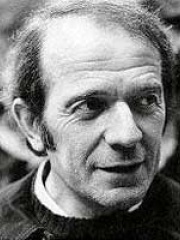
Gilles Deleuze
1925 - 1995
HPI: 78.10
Rang: 114
Meister Eckhart
1260 - 1328
HPI: 78.10
Rang: 115

Padmasambhava
717 - 762
HPI: 78.07
Rang: 116
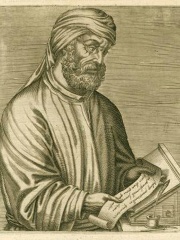
Tertullian
155 - 220
HPI: 78.04
Rang: 117
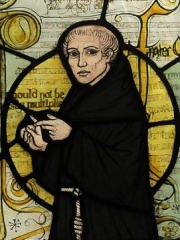
William of Ockham
1285 - 1347
HPI: 77.99
Rang: 118

Ibn Taymiyyah
1263 - 1328
HPI: 77.67
Rang: 119
Bonaventure
1221 - 1274
HPI: 77.62
Rang: 120
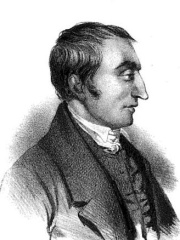
Henri de Saint-Simon
1760 - 1825
HPI: 77.38
Rang: 121
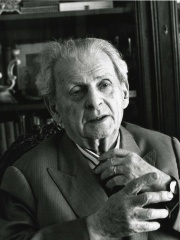
Emmanuel Levinas
1906 - 1995
HPI: 77.38
Rang: 122
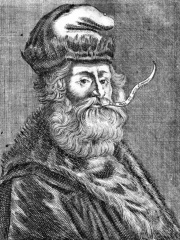
Ramon Llull
1232 - 1316
HPI: 77.38
Rang: 123
Willard Van Orman Quine
1908 - 2000
HPI: 77.28
Rang: 124

Hans-Georg Gadamer
1900 - 2002
HPI: 77.23
Rang: 125
Marsilio Ficino
1433 - 1499
HPI: 77.16
Rang: 126

Zeitgenossen
Unter den im Jahr 1221 Geborenen belegt Bonaventura Rang 1. Nach ihm folgen Theodore II Laskaris, Alfonso X of Castile, Margaret of Provence, Al-Adil II, Qara Hülegü, Yesü Möngke, und Salimbene di Adam. Unter den im Jahr 1274 Verstorbenen belegt Bonaventura Rang 2. Vor ihm steht Thomas Aquinas. Nach ihm folgen Nasir al-Din al-Tusi, Robert de Sorbon, Henry I of Navarre, Wonjong of Goryeo, Emperor Duzong, Prince Munetaka, und Lal Shahbaz Qalandar.
Weitere im Jahr 1221 Geborene
Zu allen RanglistenBonaventure
PHILOSOPHER
1221 - 1274
HPI: 77.62
Rang: 1
Theodore II Laskaris
POLITICIAN
1221 - 1258
HPI: 77.45
Rang: 2
Alfonso X of Castile
WRITER
1221 - 1284
HPI: 75.86
Rang: 3
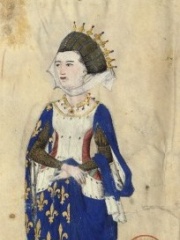
Margaret of Provence
COMPANION
1221 - 1295
HPI: 70.88
Rang: 4

Al-Adil II
POLITICIAN
1221 - 1248
HPI: 66.19
Rang: 5

Qara Hülegü
POLITICIAN
1221 - 1252
HPI: 65.98
Rang: 6

Yesü Möngke
POLITICIAN
1221 - 1251
HPI: 64.16
Rang: 7
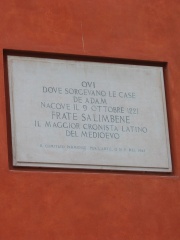
Salimbene di Adam
WRITER
1221 - heute
HPI: 60.44
Rang: 8
Weitere im Jahr 1274 Verstorbene
Zu allen Ranglisten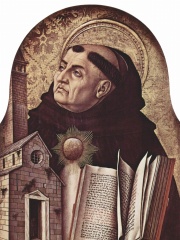
Thomas Aquinas
PHILOSOPHER
1225 - 1274
HPI: 88.70
Rang: 1
Bonaventure
PHILOSOPHER
1221 - 1274
HPI: 77.62
Rang: 2
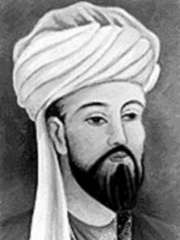
Nasir al-Din al-Tusi
WRITER
1201 - 1274
HPI: 76.41
Rang: 3
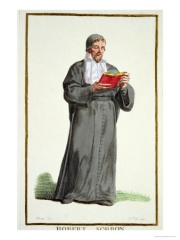
Robert de Sorbon
RELIGIOUS FIGURE
1201 - 1274
HPI: 68.00
Rang: 4
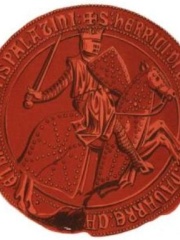
Henry I of Navarre
POLITICIAN
1244 - 1274
HPI: 67.87
Rang: 5

Wonjong of Goryeo
POLITICIAN
1219 - 1274
HPI: 65.11
Rang: 6
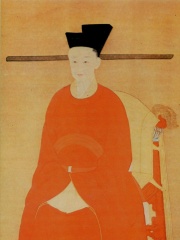
Emperor Duzong
POLITICIAN
1240 - 1274
HPI: 64.83
Rang: 7
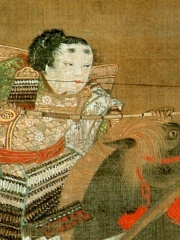
Prince Munetaka
POLITICIAN
1242 - 1274
HPI: 61.65
Rang: 8

Lal Shahbaz Qalandar
RELIGIOUS FIGURE
1177 - 1274
HPI: 58.40
Rang: 9
In Italien
Unter den in Italien Geborenen belegt Bonaventura Rang 310 von NaN. Vor ihm stehen Pope Gregory II (669), Pope Agatho (574), Bronzino (1503), Pope Julius I (300), Pope Boniface VI (800), und Denis (210). Nach ihm folgen Pope John II (470), Saint Cecilia (200), Pope Soter (120), Torquato Tasso (1544), Pope Leo II (611), und Giovanni Battista Tiepolo (1696).
Weitere in Italien geborene Personen
Zu allen Ranglisten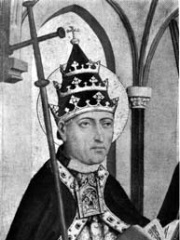
Pope Gregory II
RELIGIOUS FIGURE
669 - 731
HPI: 77.72
Rang: 304
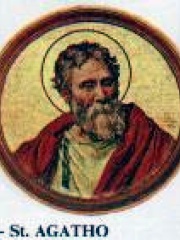
Pope Agatho
RELIGIOUS FIGURE
574 - 681
HPI: 77.72
Rang: 305
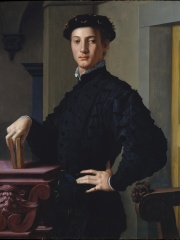
Bronzino
PAINTER
1503 - 1572
HPI: 77.70
Rang: 306
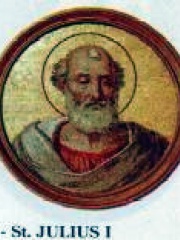
Pope Julius I
RELIGIOUS FIGURE
300 - 352
HPI: 77.65
Rang: 307
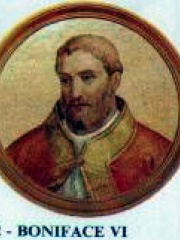
Pope Boniface VI
RELIGIOUS FIGURE
800 - 896
HPI: 77.65
Rang: 308
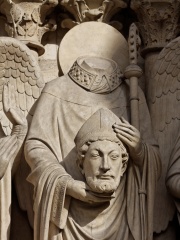
Denis
RELIGIOUS FIGURE
210 - 250
HPI: 77.63
Rang: 309
Bonaventure
PHILOSOPHER
1221 - 1274
HPI: 77.62
Rang: 310
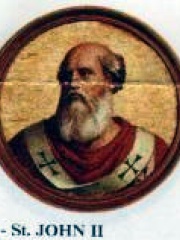
Pope John II
RELIGIOUS FIGURE
470 - 535
HPI: 77.62
Rang: 311
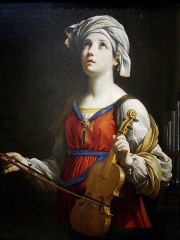
Saint Cecilia
RELIGIOUS FIGURE
200 - 230
HPI: 77.61
Rang: 312
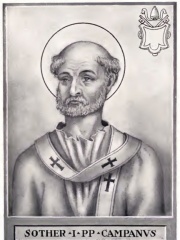
Pope Soter
RELIGIOUS FIGURE
120 - 174
HPI: 77.60
Rang: 313
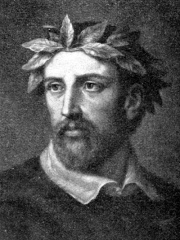
Torquato Tasso
WRITER
1544 - 1595
HPI: 77.60
Rang: 314
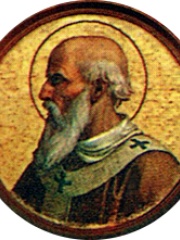
Pope Leo II
RELIGIOUS FIGURE
611 - 683
HPI: 77.59
Rang: 315
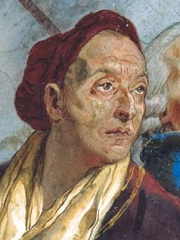
Giovanni Battista Tiepolo
PAINTER
1696 - 1770
HPI: 77.57
Rang: 316
Unter Philosoph in Italien
Unter den in Italien geborenen Philosoph belegt Bonaventura Rang 12. Vor ihm stehen Empedocles (-490), Zeno of Elea (-490), Antonio Gramsci (1891), Pliny the Elder (23), Giovanni Pico della Mirandola (1463), und Boethius (480). Nach ihm folgen Marsilio Ficino (1433), Giambattista Vico (1668), Tommaso Campanella (1568), Cesare Beccaria (1738), Alcmaeon of Croton (-510), und Hippasus (-600).
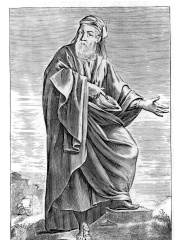
Empedocles
490 BC - 430 BC
HPI: 83.60
Rang: 6
Zeno of Elea
490 BC - 425 BC
HPI: 81.64
Rang: 7
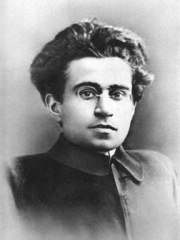
Antonio Gramsci
1891 - 1937
HPI: 80.94
Rang: 8
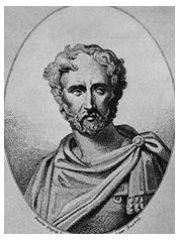
Pliny the Elder
23 - 79
HPI: 80.68
Rang: 9
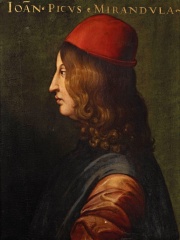
Giovanni Pico della Mirandola
1463 - 1494
HPI: 79.56
Rang: 10
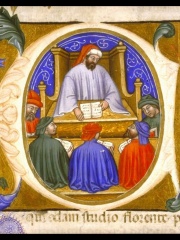
Boethius
480 - 525
HPI: 78.53
Rang: 11
Bonaventure
1221 - 1274
HPI: 77.62
Rang: 12
Marsilio Ficino
1433 - 1499
HPI: 77.16
Rang: 13
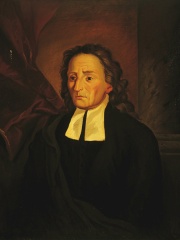
Giambattista Vico
1668 - 1744
HPI: 76.67
Rang: 14
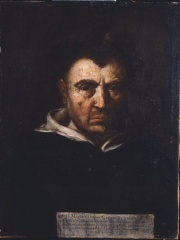
Tommaso Campanella
1568 - 1639
HPI: 76.67
Rang: 15
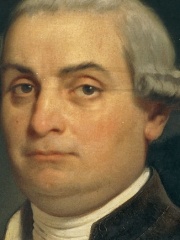
Cesare Beccaria
1738 - 1794
HPI: 74.89
Rang: 16
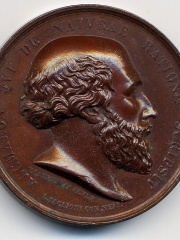
Alcmaeon of Croton
510 BC - 450 BC
HPI: 73.88
Rang: 17
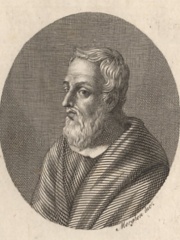
Hippasus
600 BC - 500 BC
HPI: 73.44
Rang: 18




