فيلسوف
Dignāga
480 - 540
مشاهدات AR.WIKIPEDIA (PV)

 Dignāga
سيرته الذاتية متاحة بـ25 لغة مختلفة على ويكيبيديا. يحتل Dignāga المرتبة 619 بين أكثر فيلسوف شعبيةً (تقدمًا من 663 في 2024)، والمرتبة 255 بين أكثر السير الذاتية شعبيةً في الهند (تراجعًا من 231 في 2019)، كما يحتل المرتبة 27 بين أكثر فيلسوف من الهند شعبيةً.
مقاييس الشهرة
32k
مشاهدات الصفحة
آخر 12 شهرًا
64.39
HPI
مؤشر الشعبية التاريخية
رؤى من البيانات
#1
Dignāga أشهر شخصية من بين 2 شخصية بارزة وُلدت في Kanchipuram، فيما يُعرف اليوم بدولة الهند.
#20,990
بعد أكثر من 14 قرون على الوفاة، لا يزال Dignāga في المرتبة 20,990 بين جميع الشخصيات في بانثيون.
مشاهدات صفحة Dignāga حسب اللغة
من بين فيلسوف
من بين فيلسوف، يحتل Dignāga المرتبة 619 من أصل 1,267. قبله يأتي Aeschines of Sphettus, Shihab al-Din 'Umar al-Suhrawardi, Berengar of Tours, Friedrich Albert Lange, Pietro d'Abano, وAbraham Isaac Kook. بعده يأتي Arthur Danto, Metrodorus of Lampsacus, R. G. Collingwood, Roman Ingarden, Maximus Planudes, وGuarino da Verona.
أشهر فيلسوف على ويكيبيديا
عرض جميع التصنيفات
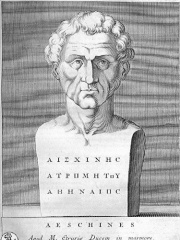
Aeschines of Sphettus
430 BC - 360 BC
HPI: 64.46
المرتبة: 613
Shihab al-Din 'Umar al-Suhrawardi
1145 - 1234
HPI: 64.44
المرتبة: 614
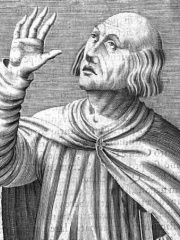
Berengar of Tours
998 - 1088
HPI: 64.44
المرتبة: 615
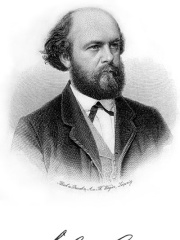
Friedrich Albert Lange
1828 - 1875
HPI: 64.42
المرتبة: 616
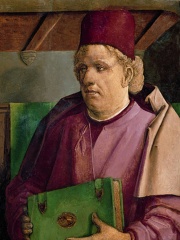
Pietro d'Abano
1250 - 1315
HPI: 64.42
المرتبة: 617
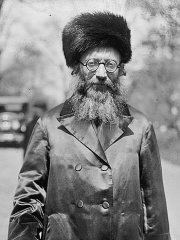
Abraham Isaac Kook
1865 - 1935
HPI: 64.40
المرتبة: 618
Dignāga
480 - 540
HPI: 64.39
المرتبة: 619

Arthur Danto
1924 - 2013
HPI: 64.39
المرتبة: 620
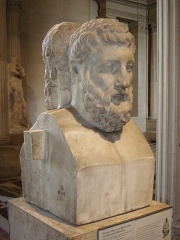
Metrodorus of Lampsacus
331 BC - 278 BC
HPI: 64.38
المرتبة: 621
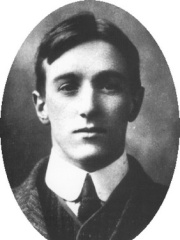
R. G. Collingwood
1889 - 1943
HPI: 64.33
المرتبة: 622
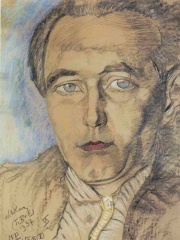
Roman Ingarden
1893 - 1970
HPI: 64.32
المرتبة: 623
Maximus Planudes
1260 - 1305
HPI: 64.31
المرتبة: 624
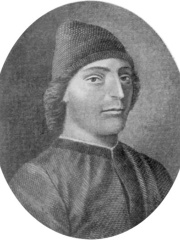
Guarino da Verona
1374 - 1460
HPI: 64.31
المرتبة: 625

معاصرون
من بين المولودين في عام 480، يحتل Dignāga المرتبة 8. قبله يأتي Boethius, Pope Felix IV, Gelimer, Scholastica, Theodahad, وDamascius. بعده يأتي Eutocius of Ascalon, Mark of Cornwall, وMaelgwn Gwynedd. من بين المتوفين في عام 540، يحتل Dignāga المرتبة 3. قبله يأتي Bodhidharma, وWacho. بعده يأتي Barsanuphius, Beopheung of Silla, Kaleb of Axum, وAmalaberga.
آخرون وُلدوا في عام 480
عرض جميع التصنيفات
Boethius
PHILOSOPHER
480 - 525
HPI: 78.53
المرتبة: 2
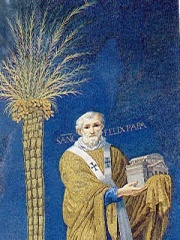
Pope Felix IV
RELIGIOUS FIGURE
480 - 530
HPI: 73.11
المرتبة: 3
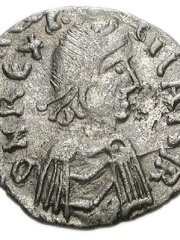
Gelimer
POLITICIAN
480 - 553
HPI: 72.28
المرتبة: 4
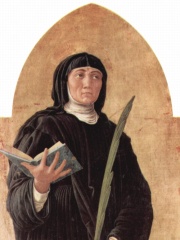
Scholastica
RELIGIOUS FIGURE
480 - 547
HPI: 71.18
المرتبة: 5
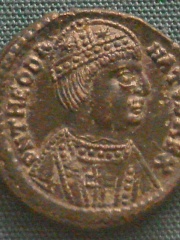
Theodahad
POLITICIAN
480 - 536
HPI: 70.71
المرتبة: 6

Damascius
PHILOSOPHER
480 - 550
HPI: 68.64
المرتبة: 7
Dignāga
PHILOSOPHER
480 - 540
HPI: 64.39
المرتبة: 8

Eutocius of Ascalon
MATHEMATICIAN
480 - 600
HPI: 63.85
المرتبة: 9
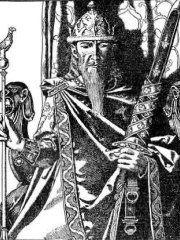
Mark of Cornwall
POLITICIAN
480 - 555
HPI: 60.49
المرتبة: 10

Maelgwn Gwynedd
RELIGIOUS FIGURE
480 - 547
HPI: 51.04
المرتبة: 11
آخرون توفوا في عام 540
عرض جميع التصنيفات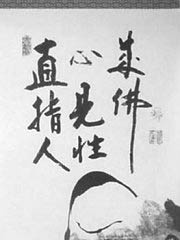
Bodhidharma
PHILOSOPHER
483 - 540
HPI: 78.17
المرتبة: 1

Wacho
POLITICIAN
500 - 540
HPI: 65.28
المرتبة: 2
Dignāga
PHILOSOPHER
480 - 540
HPI: 64.39
المرتبة: 3
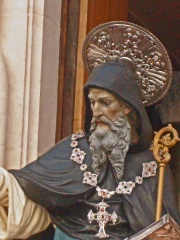
Barsanuphius
RELIGIOUS FIGURE
401 - 540
HPI: 64.08
المرتبة: 4
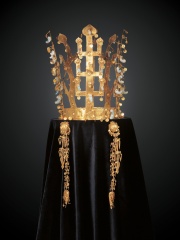
Beopheung of Silla
POLITICIAN
500 - 540
HPI: 61.85
المرتبة: 5
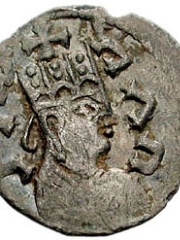
Kaleb of Axum
POLITICIAN
500 - 540
HPI: 61.72
المرتبة: 6

Amalaberga
POLITICIAN
500 - 540
HPI: 60.22
المرتبة: 7
في الهند
من بين المولودين في الهند، يحتل Dignāga المرتبة 255 من أصل 1,861. قبله يأتي Mangal Pandey (1827), Dadabhai Naoroji (1825), Mithun Chakraborty (1950), Ishwar Chandra Vidyasagar (1820), Mahadevi Varma (1907), وŚāntarakṣita (725). بعده يأتي Dhyan Chand (1905), Priyanka Gandhi (1972), Pushyamitra Shunga (-300), Dharmendra (1935), Rakhee Gulzar (1947), وGayatri Chakravorty Spivak (1942).
آخرون وُلدوا في الهند
عرض جميع التصنيفات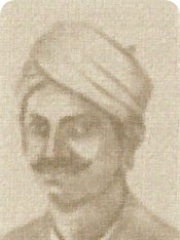
Mangal Pandey
SOCIAL ACTIVIST
1827 - 1857
HPI: 64.55
المرتبة: 249
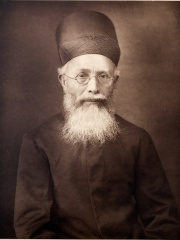
Dadabhai Naoroji
POLITICIAN
1825 - 1917
HPI: 64.54
المرتبة: 250
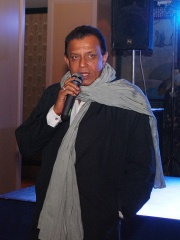
Mithun Chakraborty
ACTOR
1950 - حتى الآن
HPI: 64.47
المرتبة: 251
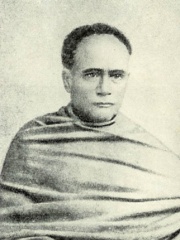
Ishwar Chandra Vidyasagar
WRITER
1820 - 1891
HPI: 64.41
المرتبة: 252
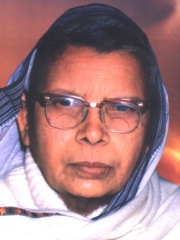
Mahadevi Varma
WRITER
1907 - 1987
HPI: 64.40
المرتبة: 253

Śāntarakṣita
RELIGIOUS FIGURE
725 - 788
HPI: 64.39
المرتبة: 254
Dignāga
PHILOSOPHER
480 - 540
HPI: 64.39
المرتبة: 255
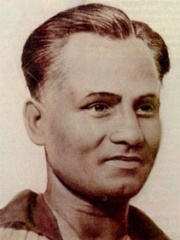
Dhyan Chand
POLITICIAN
1905 - 1979
HPI: 64.37
المرتبة: 256
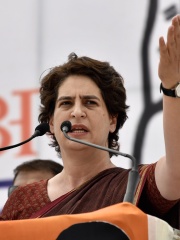
Priyanka Gandhi
POLITICIAN
1972 - حتى الآن
HPI: 64.30
المرتبة: 257
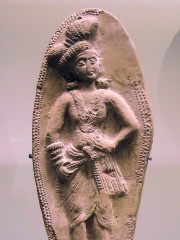
Pushyamitra Shunga
POLITICIAN
300 BC - 148 BC
HPI: 64.28
المرتبة: 258
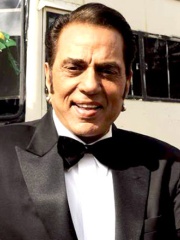
Dharmendra
ACTOR
1935 - 2025
HPI: 64.22
المرتبة: 259
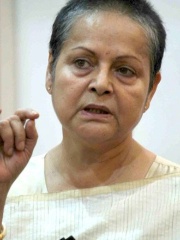
Rakhee Gulzar
ACTOR
1947 - حتى الآن
HPI: 64.21
المرتبة: 260
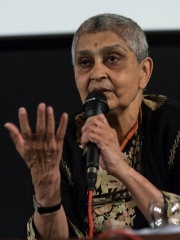
Gayatri Chakravorty Spivak
WRITER
1942 - حتى الآن
HPI: 64.15
المرتبة: 261
من بين فيلسوف في الهند
من بين فيلسوف المولودين في الهند، يحتل Dignāga المرتبة 27. قبله يأتي Shantideva (685), Homi K. Bhabha (1949), Madhvacharya (1199), Sivananda Saraswati (1887), Ahmad Sirhindi (1564), وVinayak Damodar Savarkar (1883). بعده يأتي Hemachandra (1089), Ravidas (1450), Vallabha (1479), Thiruvalluvar (350), Nisargadatta Maharaj (1897), وNarayana Guru (1855).

Shantideva
685 - 763
HPI: 67.07
المرتبة: 21
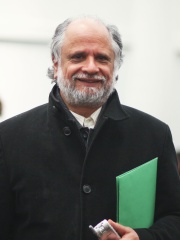
Homi K. Bhabha
1949 - حتى الآن
HPI: 66.35
المرتبة: 22
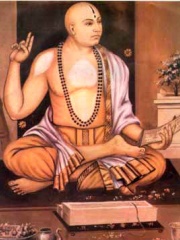
Madhvacharya
1199 - 1278
HPI: 65.81
المرتبة: 23
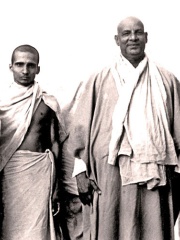
Sivananda Saraswati
1887 - 1963
HPI: 65.75
المرتبة: 24

Ahmad Sirhindi
1564 - 1624
HPI: 65.65
المرتبة: 25
Vinayak Damodar Savarkar
1883 - 1966
HPI: 65.41
المرتبة: 26
Dignāga
480 - 540
HPI: 64.39
المرتبة: 27

Hemachandra
1089 - 1172
HPI: 64.00
المرتبة: 28
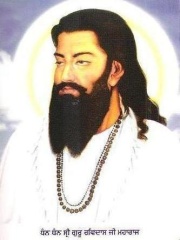
Ravidas
1450 - 1520
HPI: 63.85
المرتبة: 29
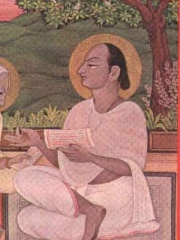
Vallabha
1479 - 1531
HPI: 63.23
المرتبة: 30
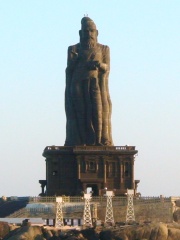
Thiruvalluvar
350 - 351
HPI: 62.34
المرتبة: 31
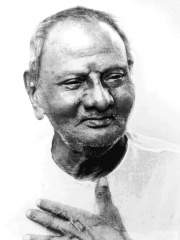
Nisargadatta Maharaj
1897 - 1981
HPI: 62.04
المرتبة: 32
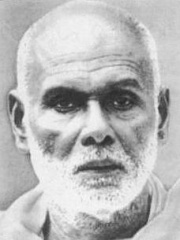
Narayana Guru
1855 - 1928
HPI: 61.88
المرتبة: 33




