سياسي
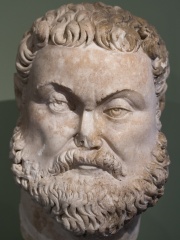
Claudius Gothicus
210 - 270
مشاهدات AR.WIKIPEDIA (PV)
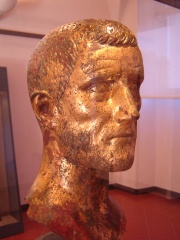
 Claudius Gothicus
سيرته الذاتية متاحة بـ69 لغة مختلفة على ويكيبيديا (زيادة من 67 في 2024). يحتل Claudius Gothicus المرتبة 1,368 بين أكثر سياسي شعبيةً (تراجعًا من 1,080 في 2024)، والمرتبة 23 بين أكثر السير الذاتية شعبيةً في صربيا (تراجعًا من 19 في 2019)، كما يحتل المرتبة 18 بين أكثر سياسي من صربيا شعبيةً.
مقاييس الشهرة
200k
مشاهدات الصفحة
آخر 12 شهرًا
74.33
HPI
مؤشر الشعبية التاريخية
مشاهدات صفحة Claudius Gothicus حسب اللغة
من بين سياسي
من بين سياسي، يحتل Claudius Gothicus المرتبة 1,368 من أصل 19,576. قبله يأتي Alauddin Khalji, Peter I of Portugal, Leo V the Armenian, Georgy Lvov, Mohammed Omar, وAntiochus I Soter. بعده يأتي Yazdegerd III, Theodor Heuss, John II Casimir Vasa, Jovian, Jiaqing Emperor, وRichard of Cornwall.
أشهر سياسي على ويكيبيديا
عرض جميع التصنيفات
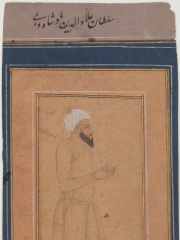
Alauddin Khalji
1266 - 1316
HPI: 74.36
المرتبة: 1,362
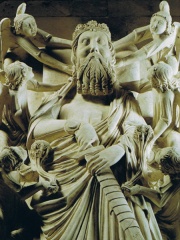
Peter I of Portugal
1320 - 1367
HPI: 74.36
المرتبة: 1,363
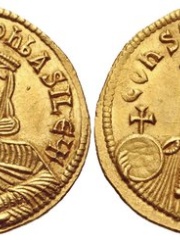
Leo V the Armenian
775 - 820
HPI: 74.36
المرتبة: 1,364
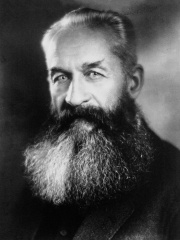
Georgy Lvov
1861 - 1925
HPI: 74.35
المرتبة: 1,365
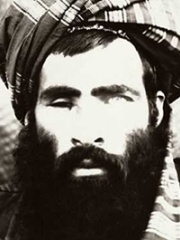
Mohammed Omar
1962 - 2013
HPI: 74.34
المرتبة: 1,366
Antiochus I Soter
324 BC - 261 BC
HPI: 74.33
المرتبة: 1,367
Claudius Gothicus
210 - 270
HPI: 74.33
المرتبة: 1,368
Yazdegerd III
624 - 652
HPI: 74.33
المرتبة: 1,369
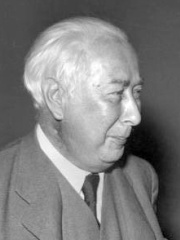
Theodor Heuss
1884 - 1963
HPI: 74.33
المرتبة: 1,370
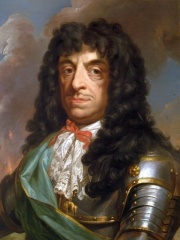
John II Casimir Vasa
1609 - 1672
HPI: 74.33
المرتبة: 1,371
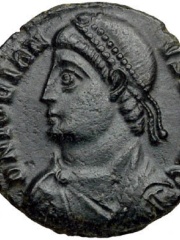
Jovian
331 - 364
HPI: 74.32
المرتبة: 1,372
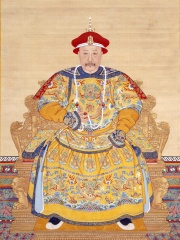
Jiaqing Emperor
1760 - 1820
HPI: 74.31
المرتبة: 1,373
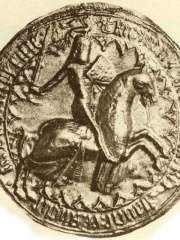
Richard of Cornwall
1209 - 1272
HPI: 74.31
المرتبة: 1,374

معاصرون
من بين المولودين في عام 210، يحتل Claudius Gothicus المرتبة 2. قبله يأتي Denis. بعده يأتي Christina of Bolsena, Emperor Ōjin, Herennia Etruscilla, Ruan Ji, Dexippus, Julius Saturninus, وTheognostus of Alexandria. من بين المتوفين في عام 270، يحتل Claudius Gothicus المرتبة 3. قبله يأتي Plotinus, وShapur I. بعده يأتي Quintillus, Gregory Thaumaturgus, Jungcheon of Goguryeo, وTheognostus of Alexandria.
آخرون وُلدوا في عام 210
عرض جميع التصنيفات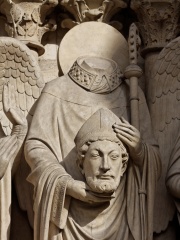
Denis
RELIGIOUS FIGURE
210 - 250
HPI: 77.63
المرتبة: 1
Claudius Gothicus
POLITICIAN
210 - 270
HPI: 74.33
المرتبة: 2
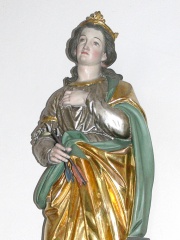
Christina of Bolsena
RELIGIOUS FIGURE
210 - 304
HPI: 72.38
المرتبة: 3

Emperor Ōjin
POLITICIAN
210 - 310
HPI: 68.54
المرتبة: 4
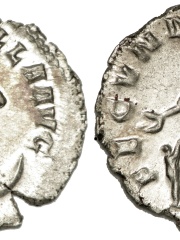
Herennia Etruscilla
POLITICIAN
210 - 251
HPI: 64.42
المرتبة: 5

Ruan Ji
WRITER
210 - 263
HPI: 63.85
المرتبة: 6

Dexippus
WRITER
210 - 278
HPI: 62.72
المرتبة: 7
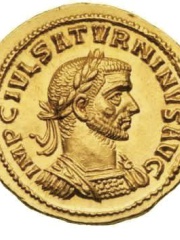
Julius Saturninus
POLITICIAN
210 - 280
HPI: 56.39
المرتبة: 8

Theognostus of Alexandria
RELIGIOUS FIGURE
210 - 270
HPI: 55.25
المرتبة: 9
آخرون توفوا في عام 270
عرض جميع التصنيفات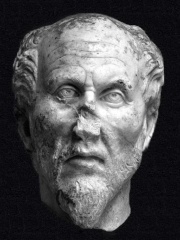
Plotinus
PHILOSOPHER
203 - 270
HPI: 82.09
المرتبة: 1
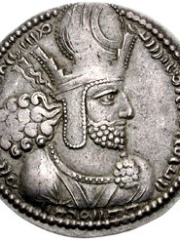
Shapur I
POLITICIAN
150 - 270
HPI: 75.87
المرتبة: 2
Claudius Gothicus
POLITICIAN
210 - 270
HPI: 74.33
المرتبة: 3
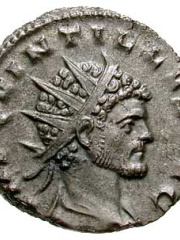
Quintillus
POLITICIAN
220 - 270
HPI: 73.54
المرتبة: 4
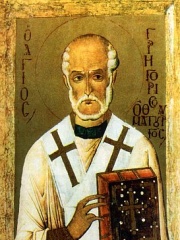
Gregory Thaumaturgus
RELIGIOUS FIGURE
213 - 270
HPI: 69.67
المرتبة: 5
Jungcheon of Goguryeo
POLITICIAN
224 - 270
HPI: 62.90
المرتبة: 6
Theognostus of Alexandria
RELIGIOUS FIGURE
210 - 270
HPI: 55.25
المرتبة: 7
في صربيا
من بين المولودين في صربيا، يحتل Claudius Gothicus المرتبة 23 من أصل NaN. قبله يأتي Valentinian I (321), Hostilian (230), Saint Sava (1169), Peter I of Serbia (1844), Gratian (359), وPeter II of Yugoslavia (1923). بعده يأتي Jovian (331), Stefan Lazarević (1374), Herennius Etruscus (220), Stjepan Mesić (1934), Krum (710), وKarađorđe (1768).
آخرون وُلدوا في صربيا
عرض جميع التصنيفات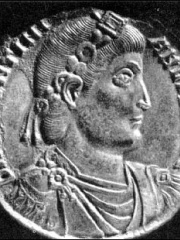
Valentinian I
POLITICIAN
321 - 375
HPI: 77.14
المرتبة: 17
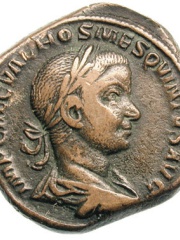
Hostilian
POLITICIAN
230 - 251
HPI: 76.90
المرتبة: 18
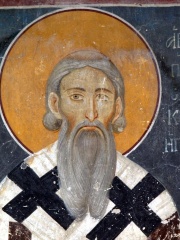
Saint Sava
RELIGIOUS FIGURE
1169 - 1236
HPI: 75.83
المرتبة: 19
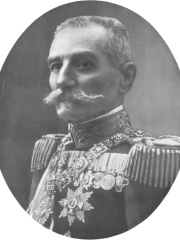
Peter I of Serbia
POLITICIAN
1844 - 1921
HPI: 75.50
المرتبة: 20
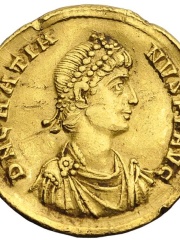
Gratian
POLITICIAN
359 - 383
HPI: 75.03
المرتبة: 21
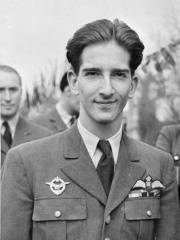
Peter II of Yugoslavia
POLITICIAN
1923 - 1970
HPI: 74.79
المرتبة: 22
Claudius Gothicus
POLITICIAN
210 - 270
HPI: 74.33
المرتبة: 23
Jovian
POLITICIAN
331 - 364
HPI: 74.32
المرتبة: 24
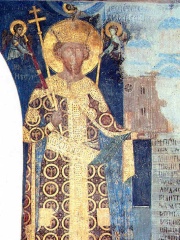
Stefan Lazarević
POLITICIAN
1374 - 1427
HPI: 74.00
المرتبة: 25
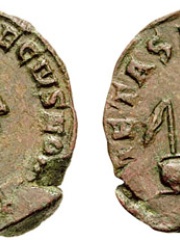
Herennius Etruscus
POLITICIAN
220 - 251
HPI: 73.96
المرتبة: 26

Stjepan Mesić
POLITICIAN
1934 - حتى الآن
HPI: 73.78
المرتبة: 27
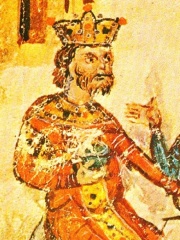
Krum
POLITICIAN
710 - 814
HPI: 73.78
المرتبة: 28
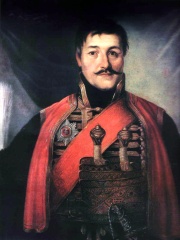
Karađorđe
POLITICIAN
1768 - 1817
HPI: 73.72
المرتبة: 29
من بين سياسي في صربيا
من بين سياسي المولودين في صربيا، يحتل Claudius Gothicus المرتبة 18. قبله يأتي Maximian (240), Valentinian I (321), Hostilian (230), Peter I of Serbia (1844), Gratian (359), وPeter II of Yugoslavia (1923). بعده يأتي Jovian (331), Stefan Lazarević (1374), Herennius Etruscus (220), Stjepan Mesić (1934), Krum (710), وKarađorđe (1768).
Maximian
240 - 310
HPI: 77.60
المرتبة: 12
Valentinian I
321 - 375
HPI: 77.14
المرتبة: 13
Hostilian
230 - 251
HPI: 76.90
المرتبة: 14
Peter I of Serbia
1844 - 1921
HPI: 75.50
المرتبة: 15
Gratian
359 - 383
HPI: 75.03
المرتبة: 16
Peter II of Yugoslavia
1923 - 1970
HPI: 74.79
المرتبة: 17
Claudius Gothicus
210 - 270
HPI: 74.33
المرتبة: 18
Jovian
331 - 364
HPI: 74.32
المرتبة: 19
Stefan Lazarević
1374 - 1427
HPI: 74.00
المرتبة: 20
Herennius Etruscus
220 - 251
HPI: 73.96
المرتبة: 21
Stjepan Mesić
1934 - حتى الآن
HPI: 73.78
المرتبة: 22
Krum
710 - 814
HPI: 73.78
المرتبة: 23
Karađorđe
1768 - 1817
HPI: 73.72
المرتبة: 24




