雕塑家
Vulca
600 BC - 600
 Vulca
Vulca知名度指标
6.4k
页面浏览量
过去12个月
61.52
HPI
历史知名度指数
数据洞察
3
Vulca是 Pantheon 中出生最早的 3 位雕塑家之一。
#30,923
逝世 14 个多世纪后,Vulca在 Pantheon 全部人物中仍排名第 30,923。
Vulca的各语言页面浏览量
在雕塑家中
在雕塑家中,Vulca排名第120位(共258人)。 排在他之前的有:Silanion, Kresilas, Apollonius of Tralles, Emmanuel Frémiet, Daniel Buren, 和Maurizio Cattelan. 排在他之后的有:Bryaxis, Dani Karavan, Giacomo Manzù, Jules Dalou, Konstantin Somov, 和Antun Augustinčić.
维基百科上最受欢迎的雕塑家
查看全部排名
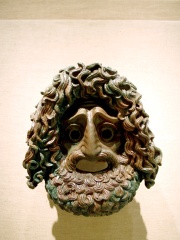
Silanion
400 BC - 360 BC
HPI: 61.79
排名: 114
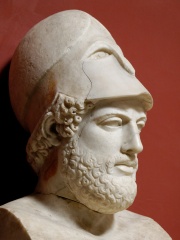
Kresilas
480 BC - 410 BC
HPI: 61.77
排名: 115

Apollonius of Tralles
200 BC - 160 BC
HPI: 61.69
排名: 116
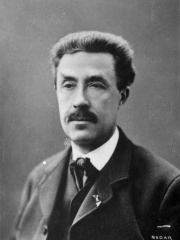
Emmanuel Frémiet
1824 - 1910
HPI: 61.58
排名: 117
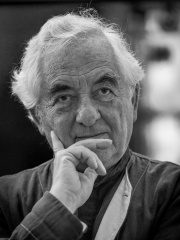
Daniel Buren
1938 - 至今
HPI: 61.55
排名: 118
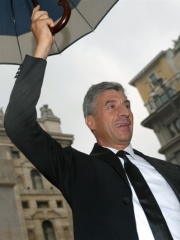
Maurizio Cattelan
1960 - 至今
HPI: 61.54
排名: 119

Vulca
600 BC - 600
HPI: 61.52
排名: 120

Bryaxis
400 BC - 360 BC
HPI: 61.30
排名: 121
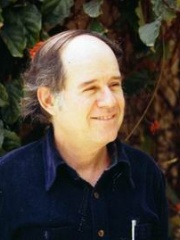
Dani Karavan
1930 - 2021
HPI: 61.27
排名: 122

Giacomo Manzù
1908 - 1991
HPI: 61.26
排名: 123
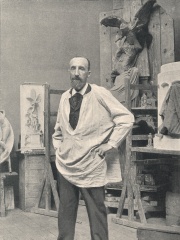
Jules Dalou
1838 - 1902
HPI: 61.21
排名: 124
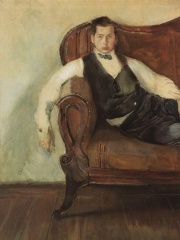
Konstantin Somov
1869 - 1939
HPI: 61.18
排名: 125
Antun Augustinčić
1900 - 1979
HPI: 61.09
排名: 126

同时代人物
在600 BC年出生的人中,Vulca排名第68位。 排在他之前的有:Themistoclea, Spurius Lartius, Miltiades the Elder, Hippocrates of Gela, Achaemenes, 和Dorieus. 排在他之后的有:Cloelia, Titus Aebutius Elva, Charondas, Spurius Lucretius Tricipitinus, Hydarnes, 和King Ling of Zhou. 在600年去世的人中,Vulca排名第13位。 排在他之前的有:Stephanus of Byzantium, Leander of Seville, Icel of Mercia, Eutocius of Ascalon, Agathangelos, 和Hrólfr Kraki. 排在他之后的有:John the Lydian, Bharavi, David the Invincible, Theodorus Lector, Hesychius of Miletus, 和Vistahm.
其他600 BC年出生的人
查看全部排名
Themistoclea
POLITICIAN
600 BC - 559 BC
HPI: 62.62
排名: 62

Spurius Lartius
POLITICIAN
600 BC - 500 BC
HPI: 62.44
排名: 63

Miltiades the Elder
POLITICIAN
600 BC - 600 BC
HPI: 62.17
排名: 64

Hippocrates of Gela
POLITICIAN
600 BC - 491 BC
HPI: 62.17
排名: 65
Achaemenes
POLITICIAN
600 BC - 460 BC
HPI: 62.00
排名: 66

Dorieus
POLITICIAN
600 BC - 560 BC
HPI: 61.76
排名: 67
Vulca
SCULPTOR
600 BC - 600
HPI: 61.52
排名: 68
Cloelia
POLITICIAN
600 BC - 至今
HPI: 61.45
排名: 69

Titus Aebutius Elva
POLITICIAN
600 BC - 500 BC
HPI: 61.33
排名: 70

Charondas
PHILOSOPHER
600 BC - 600 BC
HPI: 61.32
排名: 71
Spurius Lucretius Tricipitinus
POLITICIAN
600 BC - 509 BC
HPI: 61.28
排名: 72
Hydarnes
POLITICIAN
600 BC - 500 BC
HPI: 61.08
排名: 73
King Ling of Zhou
POLITICIAN
600 BC - 545 BC
HPI: 60.74
排名: 74
其他600年去世的人
查看全部排名
Stephanus of Byzantium
POLITICIAN
501 - 600
HPI: 66.46
排名: 7
Leander of Seville
PHYSICIAN
534 - 600
HPI: 66.30
排名: 8

Icel of Mercia
POLITICIAN
501 - 600
HPI: 64.84
排名: 9

Eutocius of Ascalon
MATHEMATICIAN
480 - 600
HPI: 63.85
排名: 10
Agathangelos
WRITER
500 - 600
HPI: 63.67
排名: 11
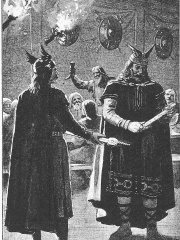
Hrólfr Kraki
POLITICIAN
596 - 600
HPI: 62.17
排名: 12
Vulca
SCULPTOR
600 BC - 600
HPI: 61.52
排名: 13

John the Lydian
WRITER
490 - 600
HPI: 61.50
排名: 14

Bharavi
WRITER
501 - 600
HPI: 61.38
排名: 15
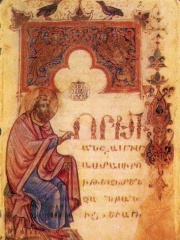
David the Invincible
PHILOSOPHER
600 - 600
HPI: 61.32
排名: 16

Theodorus Lector
RELIGIOUS FIGURE
450 - 600
HPI: 59.80
排名: 17

Hesychius of Miletus
POLITICIAN
505 - 600
HPI: 58.96
排名: 18
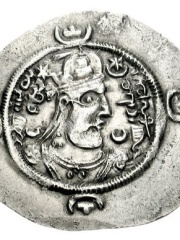
Vistahm
POLITICIAN
HPI: 57.36
排名: 19
在意大利
在出生于意大利的人中,Vulca排名第2,446位(共5,161人)。 排在他之前的有:Maurizio Cattelan (1960), Alexander Farnese, Prince of Parma (1635), Eraldo Monzeglio (1906), Federico Lombardi (1942), Cino da Pistoia (1270), 和Andrew Avellino (1521). 排在他之后的有:Gaspara Stampa (1523), Alessandro Pavolini (1903), Irene Camber (1926), Alvise Giovanni Mocenigo (1701), Benedetto Castelli (1578), 和Valerian Wellesley, 8th Duke of Wellington (1915).
Maurizio Cattelan
SCULPTOR
1960 - 至今
HPI: 61.54
排名: 2,440
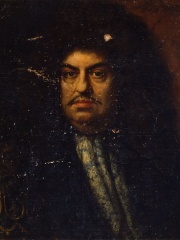
Alexander Farnese, Prince of Parma
POLITICIAN
1635 - 1689
HPI: 61.54
排名: 2,441

Eraldo Monzeglio
SOCCER PLAYER
1906 - 1981
HPI: 61.53
排名: 2,442
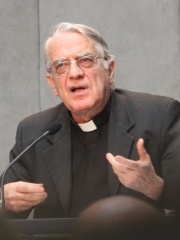
Federico Lombardi
RELIGIOUS FIGURE
1942 - 至今
HPI: 61.52
排名: 2,443
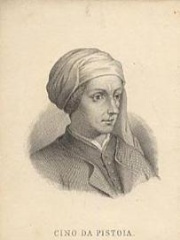
Cino da Pistoia
LAWYER
1270 - 1336
HPI: 61.52
排名: 2,444
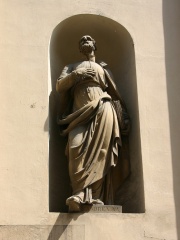
Andrew Avellino
RELIGIOUS FIGURE
1521 - 1608
HPI: 61.52
排名: 2,445
Vulca
SCULPTOR
600 BC - 600
HPI: 61.52
排名: 2,446
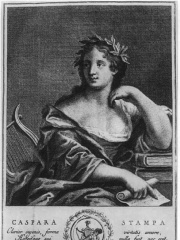
Gaspara Stampa
MUSICIAN
1523 - 1554
HPI: 61.52
排名: 2,447
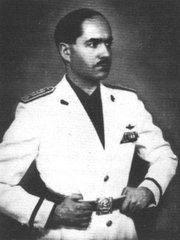
Alessandro Pavolini
POLITICIAN
1903 - 1945
HPI: 61.52
排名: 2,448
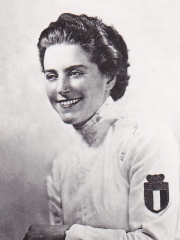
Irene Camber
POLITICIAN
1926 - 2024
HPI: 61.51
排名: 2,449
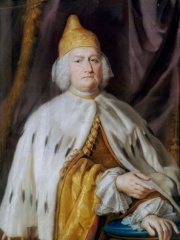
Alvise Giovanni Mocenigo
POLITICIAN
1701 - 1778
HPI: 61.51
排名: 2,450
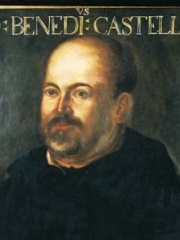
Benedetto Castelli
MATHEMATICIAN
1578 - 1643
HPI: 61.50
排名: 2,451
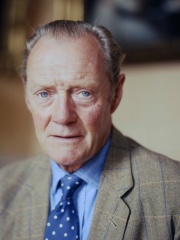
Valerian Wellesley, 8th Duke of Wellington
MILITARY PERSONNEL
1915 - 2014
HPI: 61.50
排名: 2,452
在意大利的雕塑家中
在出生于意大利的雕塑家中,Vulca排名第29位。 排在他之前的有:Desiderio da Settignano (1430), Lorenzo Bartolini (1777), Antonio Rossellino (1427), Benedetto da Maiano (1442), Medardo Rosso (1858), 和Maurizio Cattelan (1960). 排在他之后的有:Giacomo Manzù (1908), Silvio Gazzaniga (1921), Bartolomeo Bon (1407), Arnaldo Pomodoro (1926), Tino di Camaino (1285), 和Pietro Bracci (1700).
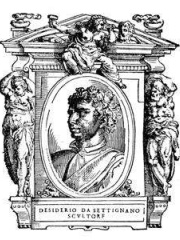
Desiderio da Settignano
1430 - 1464
HPI: 62.54
排名: 23
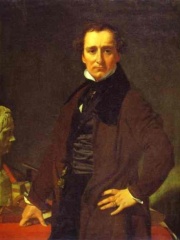
Lorenzo Bartolini
1777 - 1850
HPI: 62.49
排名: 24
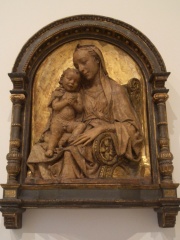
Antonio Rossellino
1427 - 1479
HPI: 62.29
排名: 25
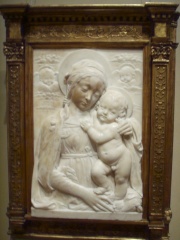
Benedetto da Maiano
1442 - 1497
HPI: 62.08
排名: 26
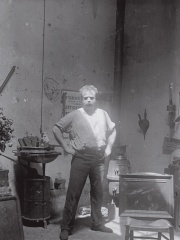
Medardo Rosso
1858 - 1928
HPI: 61.88
排名: 27
Maurizio Cattelan
1960 - 至今
HPI: 61.54
排名: 28
Vulca
600 BC - 600
HPI: 61.52
排名: 29
Giacomo Manzù
1908 - 1991
HPI: 61.26
排名: 30
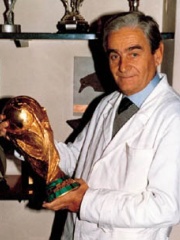
Silvio Gazzaniga
1921 - 2016
HPI: 60.89
排名: 31
Bartolomeo Bon
1407 - 1464
HPI: 60.31
排名: 32
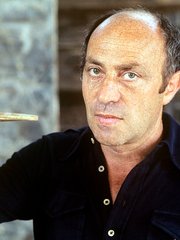
Arnaldo Pomodoro
1926 - 2025
HPI: 59.56
排名: 33
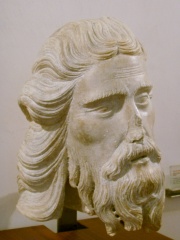
Tino di Camaino
1285 - 1337
HPI: 58.95
排名: 34
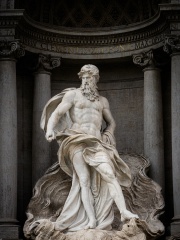
Pietro Bracci
1700 - 1773
HPI: 58.89
排名: 35




