探险家
詹姆斯·庫克
1728 - 1779
ZH.WIKIPEDIA 页面浏览量 (PV)
 詹姆斯·庫克
知名度指标
1.9M
页面浏览量
过去12个月
84.14
HPI
历史知名度指数
詹姆斯·庫克的各语言页面浏览量
在探险家中
在探险家中,詹姆斯·庫克排名第13位(共498人)。 排在他之前的有:Hernán Cortés, Ibn Battuta, Roald Amundsen, Bartolomeu Dias, Prince Henry the Navigator, 和Zheng He. 排在他之后的有:Jacques Cartier, Francisco Pizarro, Francis Drake, Robert Falcon Scott, Fridtjof Nansen, 和Pedro Álvares Cabral.
维基百科上最受欢迎的探险家
查看全部排名
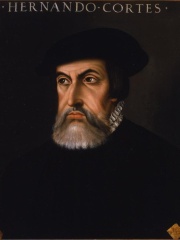
Hernán Cortés
1485 - 1547
HPI: 85.59
排名: 7
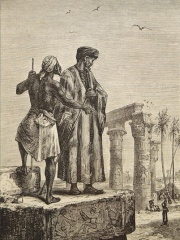
Ibn Battuta
1304 - 1368
HPI: 85.06
排名: 8
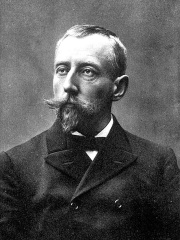
Roald Amundsen
1872 - 1928
HPI: 84.99
排名: 9
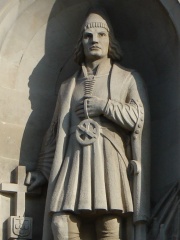
Bartolomeu Dias
1450 - 1500
HPI: 84.66
排名: 10
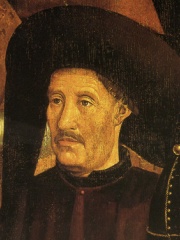
Prince Henry the Navigator
1394 - 1460
HPI: 84.33
排名: 11
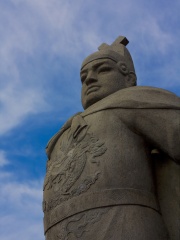
Zheng He
1387 - 1433
HPI: 84.21
排名: 12
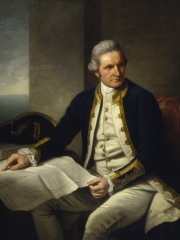
James Cook
1728 - 1779
HPI: 84.14
排名: 13
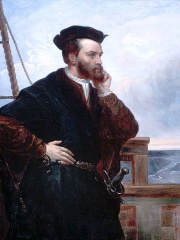
Jacques Cartier
1491 - 1557
HPI: 82.21
排名: 14
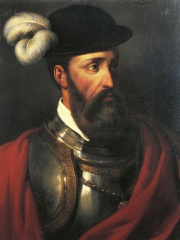
Francisco Pizarro
1478 - 1541
HPI: 82.05
排名: 15
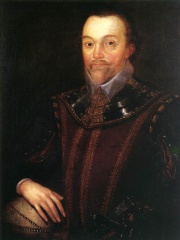
Francis Drake
1540 - 1596
HPI: 81.71
排名: 16
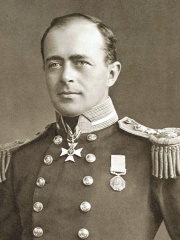
Robert Falcon Scott
1868 - 1912
HPI: 80.52
排名: 17
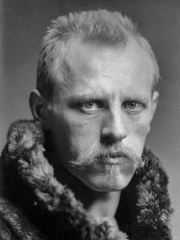
Fridtjof Nansen
1861 - 1930
HPI: 80.38
排名: 18
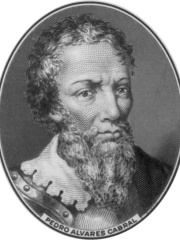
Pedro Álvares Cabral
1467 - 1520
HPI: 80.00
排名: 19

同时代人物
在1728年出生的人中,詹姆斯·庫克排名第1位。 排在他之后的有:Peter III of Russia, Johann Heinrich Lambert, Joseph Black, Anton Raphael Mengs, Niccolò Piccinni, Chevalier d'Éon, Charles Frederick, Grand Duke of Baden, Antoine Baumé, Samuel Wallis, Maria Anna Sophia of Saxony, 和Étienne-Louis Boullée. 在1779年去世的人中,詹姆斯·庫克排名第1位。 排在他之后的有:Jean-Baptiste-Siméon Chardin, Anton Raphael Mengs, Emperor Go-Momozono, Thomas Chippendale, Karim Khan Zand, John Kay, Casimir Pulaski, David Garrick, William Boyce, Tommaso Traetta, 和Louis de Jaucourt.
其他1728年出生的人
查看全部排名James Cook
EXPLORER
1728 - 1779
HPI: 84.14
排名: 1
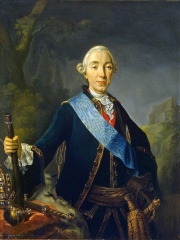
Peter III of Russia
POLITICIAN
1728 - 1762
HPI: 80.24
排名: 2
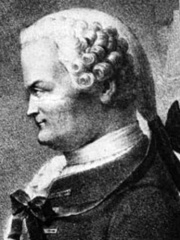
Johann Heinrich Lambert
MATHEMATICIAN
1728 - 1777
HPI: 74.55
排名: 3
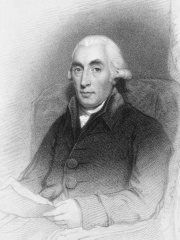
Joseph Black
CHEMIST
1728 - 1799
HPI: 73.50
排名: 4
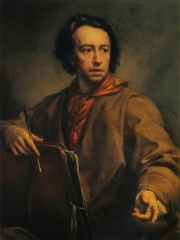
Anton Raphael Mengs
PAINTER
1728 - 1779
HPI: 72.76
排名: 5
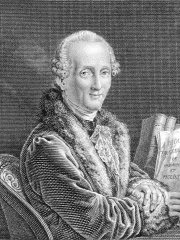
Niccolò Piccinni
COMPOSER
1728 - 1800
HPI: 69.92
排名: 6
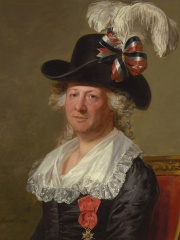
Chevalier d'Éon
WRITER
1728 - 1810
HPI: 68.83
排名: 7
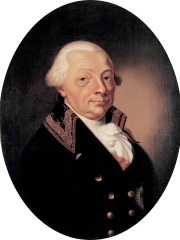
Charles Frederick, Grand Duke of Baden
POLITICIAN
1728 - 1811
HPI: 68.11
排名: 8
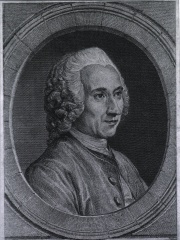
Antoine Baumé
CHEMIST
1728 - 1804
HPI: 65.57
排名: 9
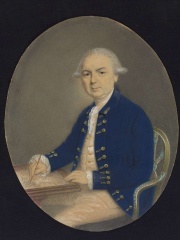
Samuel Wallis
EXPLORER
1728 - 1795
HPI: 65.25
排名: 10
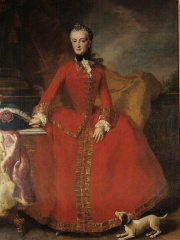
Maria Anna Sophia of Saxony
POLITICIAN
1728 - 1797
HPI: 65.02
排名: 11
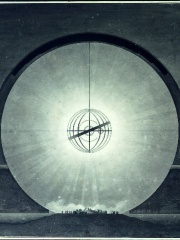
Étienne-Louis Boullée
ARCHITECT
1728 - 1799
HPI: 64.86
排名: 12
其他1779年去世的人
查看全部排名James Cook
EXPLORER
1728 - 1779
HPI: 84.14
排名: 1
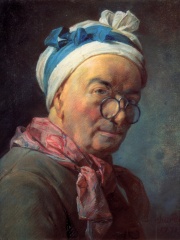
Jean-Baptiste-Siméon Chardin
PAINTER
1699 - 1779
HPI: 75.45
排名: 2
Anton Raphael Mengs
PAINTER
1728 - 1779
HPI: 72.76
排名: 3

Emperor Go-Momozono
POLITICIAN
1758 - 1779
HPI: 70.98
排名: 4
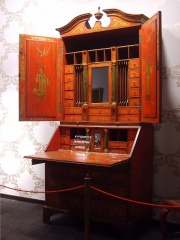
Thomas Chippendale
DESIGNER
1718 - 1779
HPI: 67.65
排名: 5
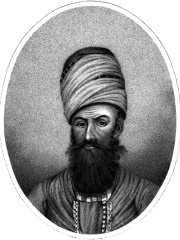
Karim Khan Zand
POLITICIAN
1705 - 1779
HPI: 66.60
排名: 6
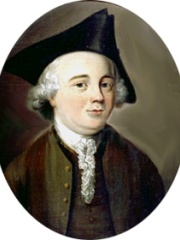
John Kay
INVENTOR
1704 - 1779
HPI: 64.88
排名: 7
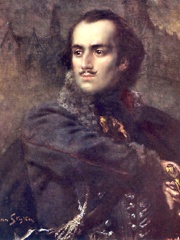
Casimir Pulaski
MILITARY PERSONNEL
1745 - 1779
HPI: 63.98
排名: 8
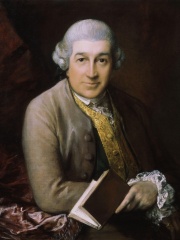
David Garrick
ACTOR
1717 - 1779
HPI: 63.72
排名: 9
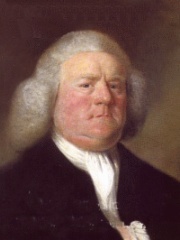
William Boyce
COMPOSER
1711 - 1779
HPI: 63.04
排名: 10
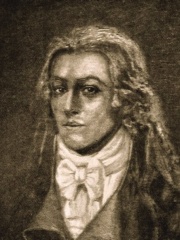
Tommaso Traetta
COMPOSER
1727 - 1779
HPI: 62.77
排名: 11
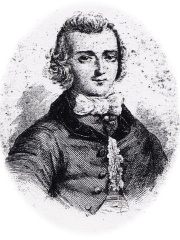
Louis de Jaucourt
PHYSICIAN
1704 - 1779
HPI: 62.47
排名: 12
在英国
在出生于英国的人中,詹姆斯·庫克排名第51位(共NaN人)。 排在他之前的有:Charles Dickens (1812), Alan Turing (1912), Alexander Fleming (1881), Camilla, Duchess of Cornwall (1947), Thomas Hardy (1840), 和Bernard Montgomery (1887). 排在他之后的有:Mary, Queen of Scots (1542), J. J. Thomson (1856), James Prescott Joule (1818), Anthony Hopkins (1937), John Major (1943), 和Mary of Teck (1867).
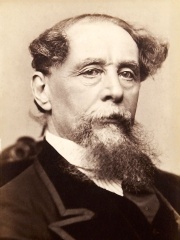
Charles Dickens
WRITER
1812 - 1870
HPI: 85.20
排名: 45
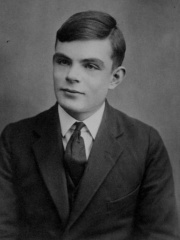
Alan Turing
COMPUTER SCIENTIST
1912 - 1954
HPI: 85.14
排名: 46
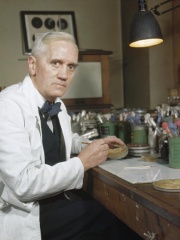
Alexander Fleming
BIOLOGIST
1881 - 1955
HPI: 84.76
排名: 47
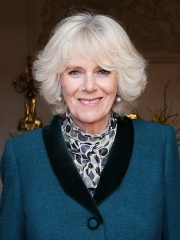
Camilla, Duchess of Cornwall
NOBLEMAN
1947 - 至今
HPI: 84.73
排名: 48
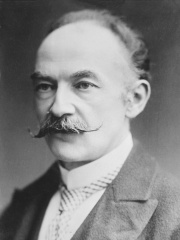
Thomas Hardy
WRITER
1840 - 1928
HPI: 84.42
排名: 49
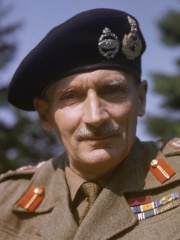
Bernard Montgomery
MILITARY PERSONNEL
1887 - 1976
HPI: 84.19
排名: 50
James Cook
EXPLORER
1728 - 1779
HPI: 84.14
排名: 51
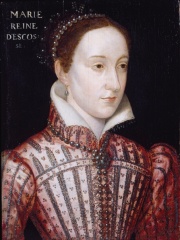
Mary, Queen of Scots
POLITICIAN
1542 - 1587
HPI: 84.01
排名: 52
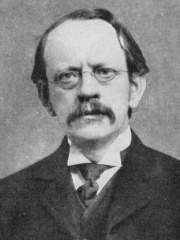
J. J. Thomson
PHYSICIST
1856 - 1940
HPI: 83.98
排名: 53
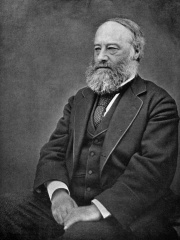
James Prescott Joule
PHYSICIST
1818 - 1889
HPI: 83.91
排名: 54
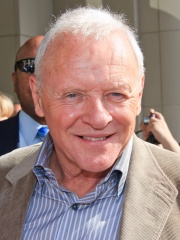
Anthony Hopkins
ACTOR
1937 - 至今
HPI: 83.87
排名: 55

John Major
POLITICIAN
1943 - 至今
HPI: 83.84
排名: 56
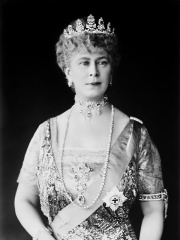
Mary of Teck
COMPANION
1867 - 1953
HPI: 83.82
排名: 57
在英国的探险家中
在出生于英国的探险家中,詹姆斯·庫克排名第1位。 排在他之后的有:Francis Drake (1540), Robert Falcon Scott (1868), David Livingstone (1813), William Adams (1564), John Davis (1550), Henry Morton Stanley (1841), William Baffin (1584), Henry Hudson (1570), John Ross (1777), William Dampier (1651), 和John Smith (1580).
James Cook
1728 - 1779
HPI: 84.14
排名: 1
Francis Drake
1540 - 1596
HPI: 81.71
排名: 2
Robert Falcon Scott
1868 - 1912
HPI: 80.52
排名: 3
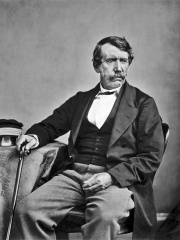
David Livingstone
1813 - 1873
HPI: 77.19
排名: 4
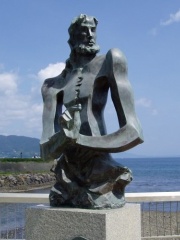
William Adams
1564 - 1620
HPI: 75.97
排名: 5
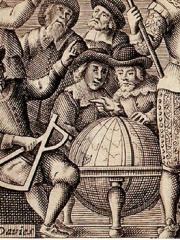
John Davis
1550 - 1605
HPI: 74.69
排名: 6
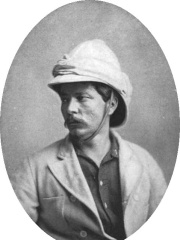
Henry Morton Stanley
1841 - 1904
HPI: 72.31
排名: 7
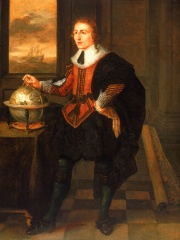
William Baffin
1584 - 1622
HPI: 72.23
排名: 8
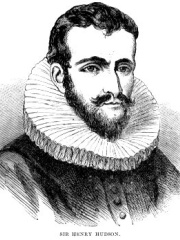
Henry Hudson
1570 - 1611
HPI: 71.66
排名: 9
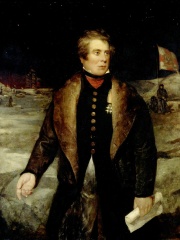
John Ross
1777 - 1856
HPI: 70.44
排名: 10
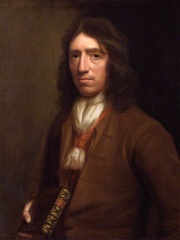
William Dampier
1651 - 1715
HPI: 70.31
排名: 11
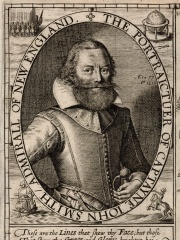
John Smith
1580 - 1631
HPI: 69.66
排名: 12




