Figura religiosa
Saint Apollonia
110 - 249
VISUALIZAÇÕES EM PT.WIKIPEDIA (PV)
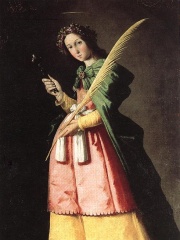
 Saint Apollonia
Sua biografia está disponível em 32 idiomas na Wikipédia (aumento em relação a 29 em 2024). Saint Apollonia é a 486ª figura religiosa mais popular (caiu do 441ª em 2024), a 76ª biografia mais popular do Egito (subiu do 77ª em 2019) e a 14ª figura religiosa mais popular do Egito.
Métricas de memorabilidade
160k
Visualizações
Últimos 12 meses
74.33
HPI
Índice de Popularidade Histórica
Destaques dos dados
#76 / 773
Saint Apollonia ocupa a posição nº 76 entre as 773 pessoas do Pantheon nascidas em Egito, entre os 10% melhores do grupo.
Visualizações da página de Saint Apollonia por idioma
Entre Figura religiosa
Entre Figura religiosa, Saint Apollonia ocupa a posição 486 de 3,189. Antes dela vêm Januarius, Gregory Palamas, Amenhotep I, Pope Agapetus II, Yasuke, e Luis Antonio Tagle. Depois dela vêm Gad, Saint Florian, Pope John IV, Pope Agapetus I, Saint Spyridon, e Maximus the Confessor.
Figura religiosa mais populares na Wikipédia
Ver todas as classificações
Januarius
272 - 305
HPI: 74.51
Posição: 480
Gregory Palamas
1296 - 1359
HPI: 74.49
Posição: 481
Amenhotep I
1530 BC - 1503 BC
HPI: 74.47
Posição: 482
Pope Agapetus II
900 - 955
HPI: 74.45
Posição: 483

Yasuke
1530 - presente
HPI: 74.43
Posição: 484

Luis Antonio Tagle
1957 - presente
HPI: 74.40
Posição: 485
Saint Apollonia
110 - 249
HPI: 74.33
Posição: 486
Gad
1564 BC - 1439 BC
HPI: 74.31
Posição: 487
Saint Florian
250 - 304
HPI: 74.28
Posição: 488
Pope John IV
600 - 642
HPI: 74.28
Posição: 489
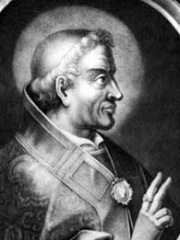
Pope Agapetus I
490 - 536
HPI: 74.22
Posição: 490

Saint Spyridon
270 - 348
HPI: 74.18
Posição: 491
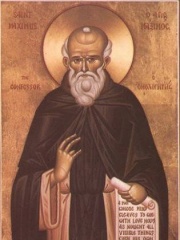
Maximus the Confessor
580 - 662
HPI: 74.16
Posição: 492

Contemporâneos
Entre as pessoas nascidas em 110, Saint Apollonia ocupa a posição 2. Antes dela vem Pausanias. Depois dela vêm Longus, Justin, Marcus Minucius Felix, Babrius, Hegesippus, e Cleomedes. Entre as pessoas falecidas em 249, Saint Apollonia ocupa a posição 3. Antes dela vêm Philip the Arab, e Philip II. Depois dela vêm Wang Bi, e Jotapianus.
Outras pessoas nascidas em 110
Ver todas as classificações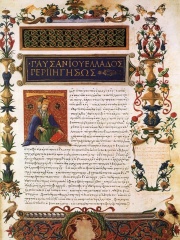
Pausanias
GEOGRAPHER
110 - 180
HPI: 76.58
Posição: 1
Saint Apollonia
RELIGIOUS FIGURE
110 - 249
HPI: 74.33
Posição: 2

Longus
WRITER
110 - 200
HPI: 70.82
Posição: 3
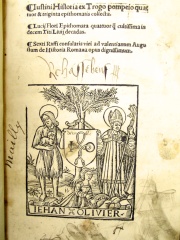
Justin
HISTORIAN
110 - 200
HPI: 70.78
Posição: 4

Marcus Minucius Felix
WRITER
110 - 260
HPI: 67.16
Posição: 5

Babrius
WRITER
110 - 200
HPI: 64.63
Posição: 6

Hegesippus
RELIGIOUS FIGURE
110 - 180
HPI: 63.91
Posição: 7

Cleomedes
ASTRONOMER
110 - 1
HPI: 62.13
Posição: 8
Outras pessoas falecidas em 249
Ver todas as classificações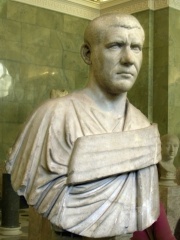
Philip the Arab
POLITICIAN
204 - 249
HPI: 77.17
Posição: 1
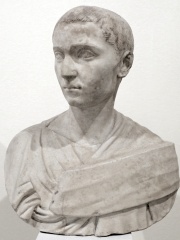
Philip II
POLITICIAN
237 - 249
HPI: 75.35
Posição: 2
Saint Apollonia
RELIGIOUS FIGURE
110 - 249
HPI: 74.33
Posição: 3

Wang Bi
PHILOSOPHER
226 - 249
HPI: 63.86
Posição: 4
Jotapianus
POLITICIAN
200 - 249
HPI: 63.31
Posição: 5
Em Egito
Entre as pessoas nascidas em Egito, Saint Apollonia ocupa a posição 76 de 773. Antes dela vêm Ayman al-Zawahiri (1951), Mary of Egypt (344), Ptolemy VIII Physcon (-182), Arsinoe III of Egypt (-246), Appian (95), e Sayyid Qutb (1906). Depois dela vêm Constantine P. Cavafy (1863), Cleopatra IV of Egypt (-138), Fuad I of Egypt (1868), Berenice III of Egypt (-120), Mohamed ElBaradei (1942), e Al-Hakim bi-Amr Allah (985).
Outras pessoas nascidas em Egito
Ver todas as classificações
Ayman al-Zawahiri
EXTREMIST
1951 - 2022
HPI: 74.60
Posição: 70
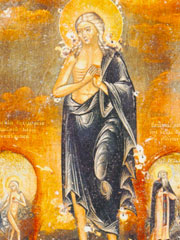
Mary of Egypt
RELIGIOUS FIGURE
344 - 421
HPI: 74.54
Posição: 71
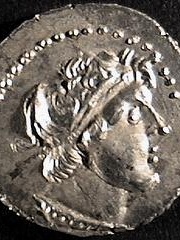
Ptolemy VIII Physcon
POLITICIAN
182 BC - 116 BC
HPI: 74.45
Posição: 72
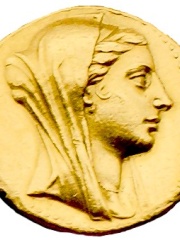
Arsinoe III of Egypt
POLITICIAN
246 BC - 204 BC
HPI: 74.37
Posição: 73
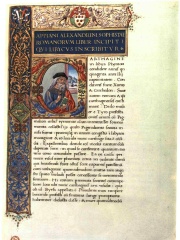
Appian
WRITER
95 - 165
HPI: 74.36
Posição: 74

Sayyid Qutb
WRITER
1906 - 1966
HPI: 74.34
Posição: 75
Saint Apollonia
RELIGIOUS FIGURE
110 - 249
HPI: 74.33
Posição: 76
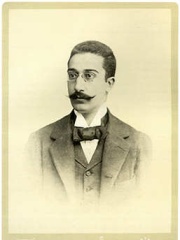
Constantine P. Cavafy
WRITER
1863 - 1933
HPI: 74.33
Posição: 77
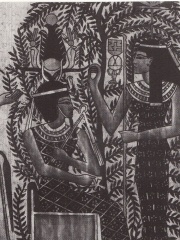
Cleopatra IV of Egypt
POLITICIAN
138 BC - 112 BC
HPI: 74.21
Posição: 78
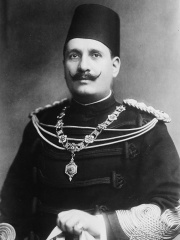
Fuad I of Egypt
POLITICIAN
1868 - 1936
HPI: 74.17
Posição: 79
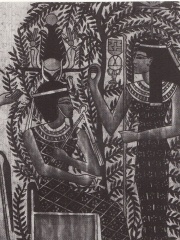
Berenice III of Egypt
POLITICIAN
120 BC - 80 BC
HPI: 74.15
Posição: 80

Mohamed ElBaradei
DIPLOMAT
1942 - presente
HPI: 74.14
Posição: 81
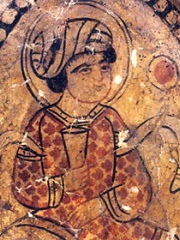
Al-Hakim bi-Amr Allah
POLITICIAN
985 - 1021
HPI: 73.92
Posição: 82
Entre Figura religiosa em Egito
Entre Figura religiosa nascidos em Egito, Saint Apollonia ocupa a posição 14. Antes dela vêm Seti I (-1323), Pachomius the Great (292), Pope Alexander I of Alexandria (250), Saint Sarah (100), Tiye (-1398), e Mary of Egypt (344). Depois dela vêm Moses the Black (332), Saint Menas (285), Paul of Thebes (227), Meritaten (-1400), Maria al-Qibtiyya (600), e Saint Maurice (250).
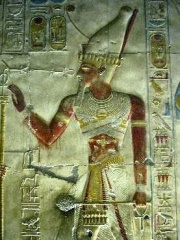
Seti I
1323 BC - 1279 BC
HPI: 79.27
Posição: 8
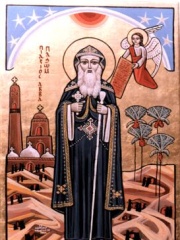
Pachomius the Great
292 - 348
HPI: 77.97
Posição: 9
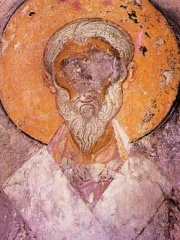
Pope Alexander I of Alexandria
250 - 326
HPI: 76.40
Posição: 10
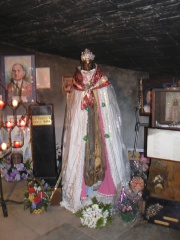
Saint Sarah
100 - 100
HPI: 74.94
Posição: 11
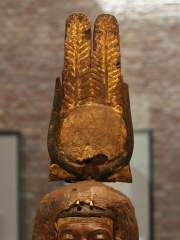
Tiye
1398 BC - 1338 BC
HPI: 74.68
Posição: 12
Mary of Egypt
344 - 421
HPI: 74.54
Posição: 13
Saint Apollonia
110 - 249
HPI: 74.33
Posição: 14
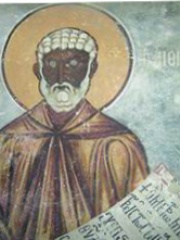
Moses the Black
332 - 407
HPI: 73.05
Posição: 15
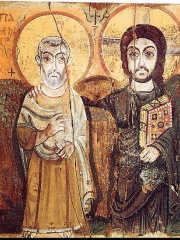
Saint Menas
285 - 309
HPI: 73.04
Posição: 16

Paul of Thebes
227 - 342
HPI: 72.89
Posição: 17
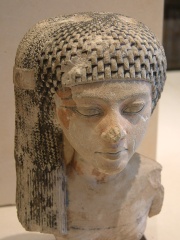
Meritaten
1400 BC - 1400 BC
HPI: 72.75
Posição: 18
Maria al-Qibtiyya
600 - 637
HPI: 72.44
Posição: 19
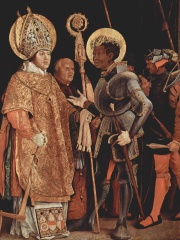
Saint Maurice
250 - 287
HPI: 72.41
Posição: 20




