Escritor
Jalaladim Maomé Rumi
1207 - 1273
VISUALIZAÇÕES EM PT.WIKIPEDIA (PV)
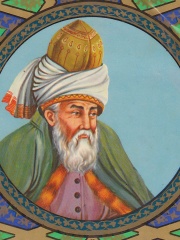
 Jalaladim Maomé Rumi
Sua biografia está disponível em 109 idiomas na Wikipédia (aumento em relação a 103 em 2024). Jalaladim Maomé Rumi é o 26º escritor mais popular, a biografia mais popular do Afeganistão e o escritor mais popular do Afeganistão.
Métricas de memorabilidade
1.8M
Visualizações
Últimos 12 meses
86.64
HPI
Índice de Popularidade Histórica
Destaques dos dados
#1
Jalaladim Maomé Rumi é a personalidade mais bem classificada entre as 177 pessoas do Pantheon nascidas em Afeganistão.
#286
Mais de 7 séculos após a morte, Jalaladim Maomé Rumi ainda ocupa a posição nº 286 entre todas as personalidades do Pantheon.
109
A biografia de Jalaladim Maomé Rumi aparece em 109 edições de idiomas da Wikipédia — mais do que 98% de todos os Escritor.
30 de set.
Jalaladim Maomé Rumi faz aniversário no mesmo dia (30 de setembro) que Nevill Francis Mott, Truman Capote e Pope Nicholas IV.
Visualizações da página de Jalaladim Maomé Rumi por idioma
Entre Escritor
Entre Escritor, Jalaladim Maomé Rumi ocupa a posição 26 de 7,302. Antes dele vêm T. S. Eliot, Ovid, Alexandre Dumas, Albert Camus, Hesiod, e Anton Chekhov. Depois dele vêm Petrarch, Honoré de Balzac, Aesop, Antoine de Saint-Exupéry, Gabriel García Márquez, e Giovanni Boccaccio.
Escritor mais populares na Wikipédia
Ver todas as classificações
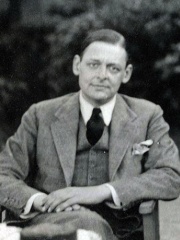
T. S. Eliot
1888 - 1965
HPI: 87.25
Posição: 20
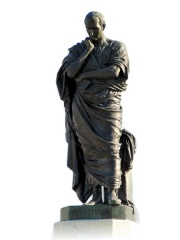
Ovid
43 BC - 17
HPI: 86.87
Posição: 21
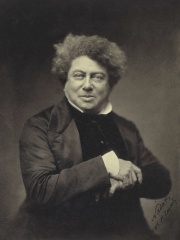
Alexandre Dumas
1802 - 1870
HPI: 86.83
Posição: 22

Albert Camus
1913 - 1960
HPI: 86.77
Posição: 23
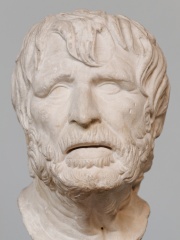
Hesiod
800 BC - 700 BC
HPI: 86.72
Posição: 24
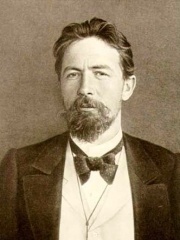
Anton Chekhov
1860 - 1904
HPI: 86.67
Posição: 25
Rumi
1207 - 1273
HPI: 86.64
Posição: 26
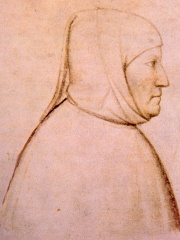
Petrarch
1304 - 1374
HPI: 86.60
Posição: 27
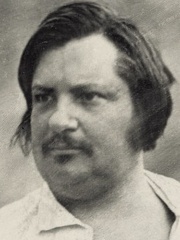
Honoré de Balzac
1799 - 1850
HPI: 86.38
Posição: 28
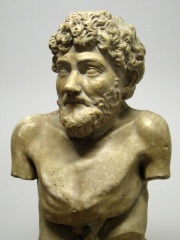
Aesop
620 BC - 564 BC
HPI: 86.32
Posição: 29
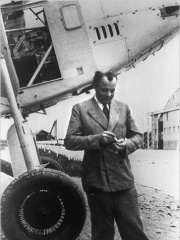
Antoine de Saint-Exupéry
1900 - 1944
HPI: 86.21
Posição: 30
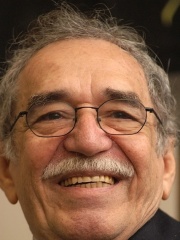
Gabriel García Márquez
1927 - 2014
HPI: 86.19
Posição: 31
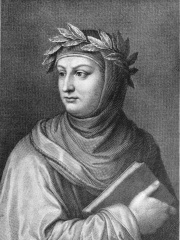
Giovanni Boccaccio
1313 - 1375
HPI: 85.98
Posição: 32

Contemporâneos
Entre as pessoas nascidas em 1207, Jalaladim Maomé Rumi ocupa a posição 1. Depois dele vêm Batu Khan, Elizabeth of Hungary, Henry III of England, Philip I, Count of Savoy, Henry II, Duke of Brabant, Mechthild of Magdeburg, Ottone Visconti, e Abu Yahya ibn Abd al-Haqq. Entre as pessoas falecidas em 1273, Jalaladim Maomé Rumi ocupa a posição 1. Depois dele vêm Baldwin II, Latin Emperor, Muhammad I of Granada, Al-Qurtubi, Elisabeth of Bavaria, Queen of Germany, e Thomas Bérard.
Outras pessoas nascidas em 1207
Ver todas as classificaçõesRumi
WRITER
1207 - 1273
HPI: 86.64
Posição: 1
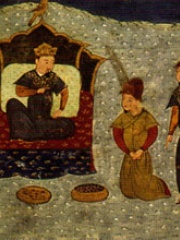
Batu Khan
POLITICIAN
1207 - 1255
HPI: 81.22
Posição: 2
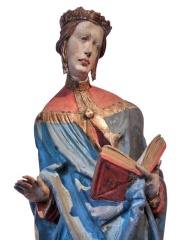
Elizabeth of Hungary
RELIGIOUS FIGURE
1207 - 1231
HPI: 77.89
Posição: 3
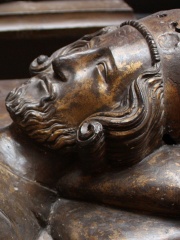
Henry III of England
POLITICIAN
1207 - 1272
HPI: 76.45
Posição: 4

Philip I, Count of Savoy
NOBLEMAN
1207 - 1285
HPI: 64.90
Posição: 5
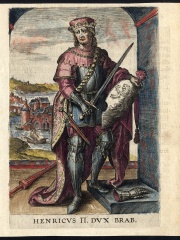
Henry II, Duke of Brabant
POLITICIAN
1207 - 1248
HPI: 64.23
Posição: 6
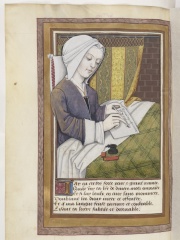
Mechthild of Magdeburg
PHILOSOPHER
1207 - 1282
HPI: 63.30
Posição: 7
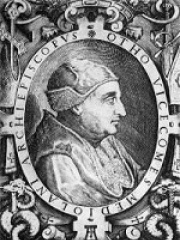
Ottone Visconti
POLITICIAN
1207 - 1295
HPI: 63.25
Posição: 8
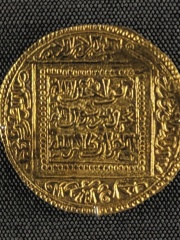
Abu Yahya ibn Abd al-Haqq
POLITICIAN
1207 - 1258
HPI: 59.69
Posição: 9
Outras pessoas falecidas em 1273
Ver todas as classificaçõesRumi
WRITER
1207 - 1273
HPI: 86.64
Posição: 1
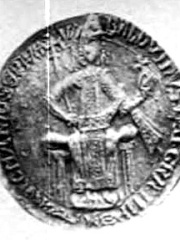
Baldwin II, Latin Emperor
POLITICIAN
1217 - 1273
HPI: 74.80
Posição: 2
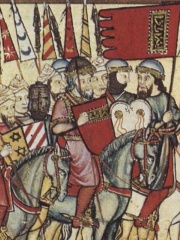
Muhammad I of Granada
POLITICIAN
1194 - 1273
HPI: 69.24
Posição: 3

Al-Qurtubi
RELIGIOUS FIGURE
1214 - 1273
HPI: 67.54
Posição: 4
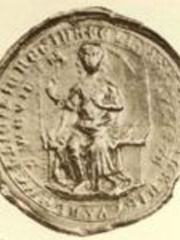
Elisabeth of Bavaria, Queen of Germany
COMPANION
1227 - 1273
HPI: 67.20
Posição: 5

Thomas Bérard
POLITICIAN
1300 - 1273
HPI: 61.76
Posição: 6
Em Afeganistão
Entre as pessoas nascidas em Afeganistão, Jalaladim Maomé Rumi ocupa a posição 1 de 177. Depois dele vêm Al-Farabi (872), Mahmud of Ghazni (971), Ashraf Ghani (1949), Roxana (-347), Ahmad Shah Durrani (1722), Abbas the Great (1571), Mohammed Zahir Shah (1914), Hamid Karzai (1957), Amanullah Khan (1892), Hasan Akhund (1945), e Burhanuddin Rabbani (1940).
Outras pessoas nascidas em Afeganistão
Ver todas as classificaçõesRumi
WRITER
1207 - 1273
HPI: 86.64
Posição: 1
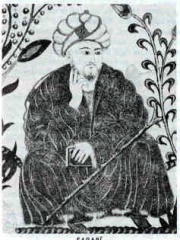
Al-Farabi
PHILOSOPHER
872 - 951
HPI: 84.23
Posição: 2
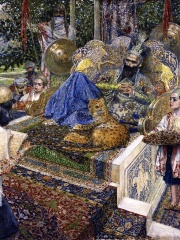
Mahmud of Ghazni
POLITICIAN
971 - 1030
HPI: 80.67
Posição: 3
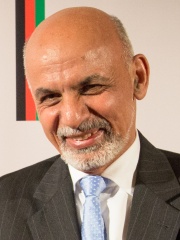
Ashraf Ghani
POLITICIAN
1949 - presente
HPI: 78.69
Posição: 4
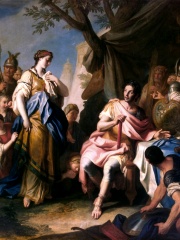
Roxana
COMPANION
347 BC - 310 BC
HPI: 78.55
Posição: 5
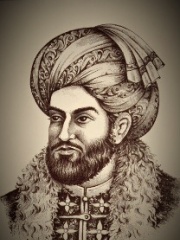
Ahmad Shah Durrani
POLITICIAN
1722 - 1772
HPI: 78.09
Posição: 6
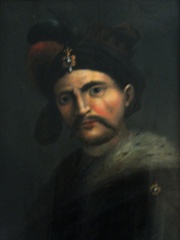
Abbas the Great
POLITICIAN
1571 - 1629
HPI: 77.08
Posição: 7
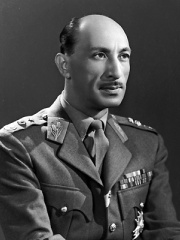
Mohammed Zahir Shah
POLITICIAN
1914 - 2007
HPI: 76.65
Posição: 8
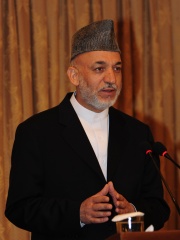
Hamid Karzai
POLITICIAN
1957 - presente
HPI: 76.45
Posição: 9
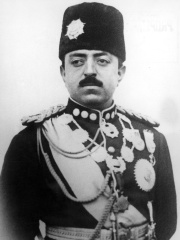
Amanullah Khan
POLITICIAN
1892 - 1960
HPI: 75.51
Posição: 10
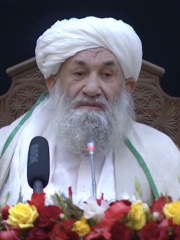
Hasan Akhund
POLITICIAN
1945 - presente
HPI: 75.51
Posição: 11
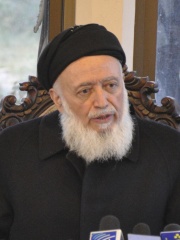
Burhanuddin Rabbani
POLITICIAN
1940 - 2011
HPI: 75.48
Posição: 12
Entre Escritor em Afeganistão
Entre Escritor nascidos em Afeganistão, Jalaladim Maomé Rumi ocupa a posição 1. Depois dele vêm Ali-Shir Nava'i (1441), Khaled Hosseini (1965), Sanai (1080), Gulbadan Begum (1523), Unsuri (980), Rabia Balkhi (1000), Farrukhi Sistani (980), Atiq Rahimi (1962), Abdul Hakim Haqqani (1967), Nadia Anjuman (1981), e Niloofar Rahmani (1992).
Rumi
1207 - 1273
HPI: 86.64
Posição: 1

Ali-Shir Nava'i
1441 - 1501
HPI: 74.31
Posição: 2

Khaled Hosseini
1965 - presente
HPI: 67.06
Posição: 3
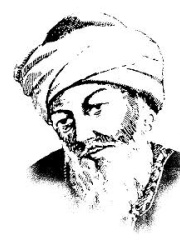
Sanai
1080 - 1131
HPI: 63.41
Posição: 4
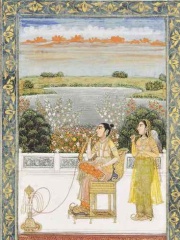
Gulbadan Begum
1523 - 1603
HPI: 62.07
Posição: 5

Unsuri
980 - 1039
HPI: 60.72
Posição: 6

Rabia Balkhi
1000 - presente
HPI: 59.32
Posição: 7
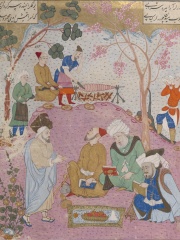
Farrukhi Sistani
980 - 1037
HPI: 58.50
Posição: 8

Atiq Rahimi
1962 - presente
HPI: 55.59
Posição: 9
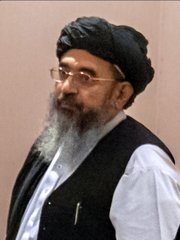
Abdul Hakim Haqqani
1967 - presente
HPI: 48.00
Posição: 10
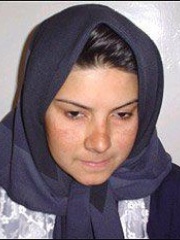
Nadia Anjuman
1981 - 2005
HPI: 47.54
Posição: 11
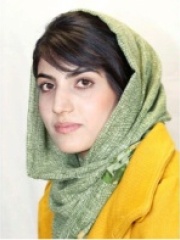
Niloofar Rahmani
1992 - presente
HPI: 42.90
Posição: 12




