Schrijver
Mahmoud Shabestari
1288 - 1340
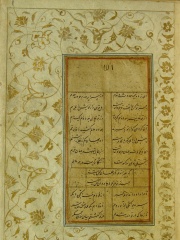
 Mahmoud Shabestari
Zijn biografie is beschikbaar in 20 verschillende talen op Wikipedia. Mahmoud Shabestari staat op plaats 3.528 onder de meest populaire schrijver (gedaald van plaats 3.278 in 2024), plaats 316 onder de meest populaire biografieën uit Iran (gedaald van plaats 306 in 2019) en op plaats 40 onder de populairste schrijver uit Iran.
Bekendheidsstatistieken
29k
Paginaweergaven
Afgelopen 12 maanden
59.11
HPI
Historische populariteitsindex
Data-inzichten
20
De biografie van Mahmoud Shabestari beslaat 20 taalversies van Wikipedia en behaalt een Historische Populariteitsindex van 59.11.
Paginaweergaven van Mahmoud Shabestari per taal
Onder Schrijver
Onder Schrijver staat Mahmoud Shabestari op plaats 3,528 van 7,707. Vóór hem staan Marcelino Menéndez y Pelayo, Shudraka, Max Gallo, Roger Vailland, John Flanagan, en Fanny Crosby. Na hem komen Évariste de Parny, Claudius Salmasius, Krišjānis Barons, Anna Langfus, Abu Ali Bal'ami, en Richard Yates.
Populairste Schrijver op Wikipedia
Naar alle ranglijsten
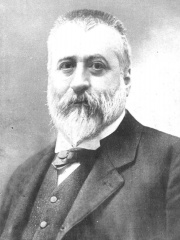
Marcelino Menéndez y Pelayo
1856 - 1912
HPI: 59.13
Plaats: 3,522

Shudraka
500 - 500
HPI: 59.12
Plaats: 3,523
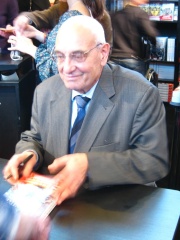
Max Gallo
1932 - 2017
HPI: 59.12
Plaats: 3,524
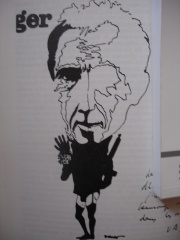
Roger Vailland
1907 - 1965
HPI: 59.12
Plaats: 3,525
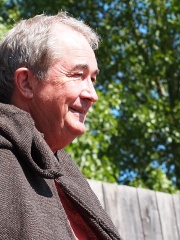
John Flanagan
1944 - 2026
HPI: 59.11
Plaats: 3,526
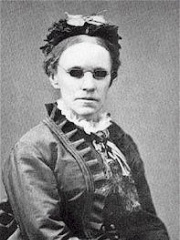
Fanny Crosby
1820 - 1915
HPI: 59.11
Plaats: 3,527
Mahmoud Shabestari
1288 - 1340
HPI: 59.11
Plaats: 3,528
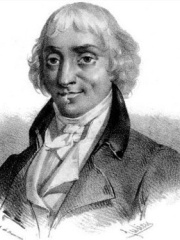
Évariste de Parny
1753 - 1814
HPI: 59.11
Plaats: 3,529

Claudius Salmasius
1588 - 1653
HPI: 59.11
Plaats: 3,530
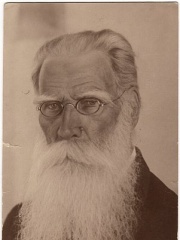
Krišjānis Barons
1835 - 1923
HPI: 59.11
Plaats: 3,531
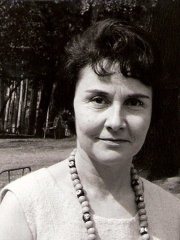
Anna Langfus
1920 - 1966
HPI: 59.09
Plaats: 3,532

Abu Ali Bal'ami
1000 - 974
HPI: 59.08
Plaats: 3,533
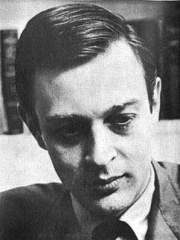
Richard Yates
1926 - 1992
HPI: 59.08
Plaats: 3,534

Tijdgenoten
Onder de mensen geboren in 1288 staat Mahmoud Shabestari op plaats 7. Vóór hem staan Orhan, Charles I of Hungary, Ivan I of Moscow, Emperor Go-Daigo, Emperor Go-Fushimi, en Gersonides. Onder de mensen overleden in 1340 staat Mahmoud Shabestari op plaats 7. Vóór hem staan Ivan I of Moscow, Basil of Trebizond, Gerhard III, Count of Holstein-Rendsburg, Simonida, John I, Duke of Bavaria, en Al-Mustakfi I.
Anderen geboren in 1288
Naar alle ranglijsten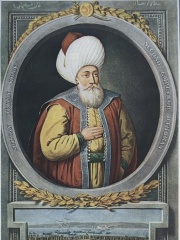
Orhan
POLITICIAN
1288 - 1362
HPI: 83.26
Plaats: 1
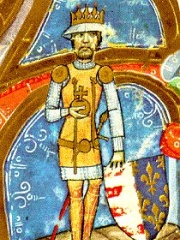
Charles I of Hungary
POLITICIAN
1288 - 1342
HPI: 75.08
Plaats: 2
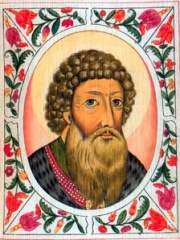
Ivan I of Moscow
POLITICIAN
1288 - 1340
HPI: 71.46
Plaats: 3
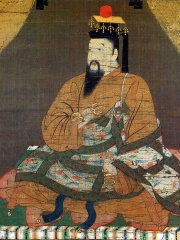
Emperor Go-Daigo
POLITICIAN
1288 - 1339
HPI: 70.04
Plaats: 4

Emperor Go-Fushimi
POLITICIAN
1288 - 1336
HPI: 67.39
Plaats: 5

Gersonides
PHILOSOPHER
1288 - 1344
HPI: 65.44
Plaats: 6
Mahmoud Shabestari
WRITER
1288 - 1340
HPI: 59.11
Plaats: 7
Anderen overleden in 1340
Naar alle ranglijstenIvan I of Moscow
POLITICIAN
1288 - 1340
HPI: 71.46
Plaats: 1
Basil of Trebizond
POLITICIAN
1315 - 1340
HPI: 63.83
Plaats: 2
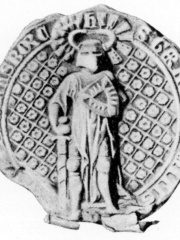
Gerhard III, Count of Holstein-Rendsburg
POLITICIAN
1293 - 1340
HPI: 62.73
Plaats: 3
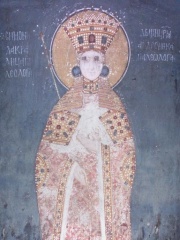
Simonida
NOBLEMAN
1294 - 1340
HPI: 62.01
Plaats: 4

John I, Duke of Bavaria
POLITICIAN
1329 - 1340
HPI: 61.54
Plaats: 5

Al-Mustakfi I
POLITICIAN
1285 - 1340
HPI: 61.07
Plaats: 6
Mahmoud Shabestari
WRITER
1288 - 1340
HPI: 59.11
Plaats: 7
In Iran
Onder de mensen geboren in Iran staat Mahmoud Shabestari op plaats 316 van 800. Vóór hem staan Sadegh Khalkhali (1926), Samad Behrangi (1939), Nima Yooshij (1897), Gholam Ali Rashid (null), Ahmad Shamlou (1925), en Subh-i-Azal (1831). Na hem komen Sami Yusuf (1980), Mojtaba Khamenei (1969), Fereydoun Farrokhzad (1938), Jamshid Amouzegar (1923), Mohammad Pakpour (1961), en Saib Tabrizi (1592).
Anderen geboren in Iran
Naar alle ranglijsten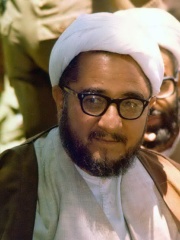
Sadegh Khalkhali
RELIGIOUS FIGURE
1926 - 2003
HPI: 59.25
Plaats: 310
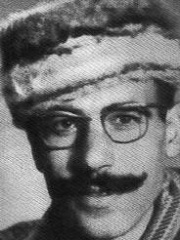
Samad Behrangi
WRITER
1939 - 1967
HPI: 59.23
Plaats: 311
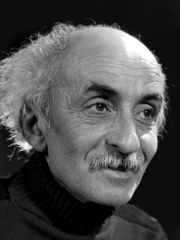
Nima Yooshij
WRITER
1897 - 1960
HPI: 59.22
Plaats: 312
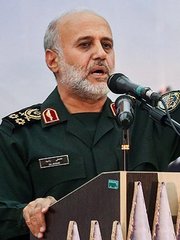
Gholam Ali Rashid
MILITARY PERSONNEL
HPI: 59.19
Plaats: 313
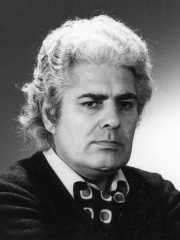
Ahmad Shamlou
WRITER
1925 - 2000
HPI: 59.18
Plaats: 314
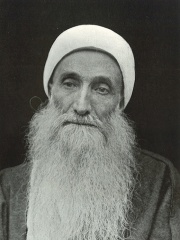
Subh-i-Azal
WRITER
1831 - 1912
HPI: 59.15
Plaats: 315
Mahmoud Shabestari
WRITER
1288 - 1340
HPI: 59.11
Plaats: 316

Sami Yusuf
SINGER
1980 - heden
HPI: 59.11
Plaats: 317
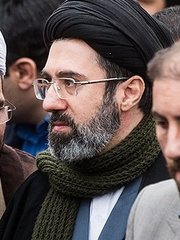
Mojtaba Khamenei
POLITICIAN
1969 - 2026
HPI: 59.07
Plaats: 318
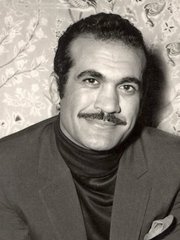
Fereydoun Farrokhzad
PRESENTER
1938 - 1992
HPI: 59.05
Plaats: 319
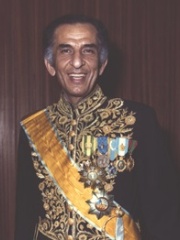
Jamshid Amouzegar
POLITICIAN
1923 - 2016
HPI: 59.01
Plaats: 320

Mohammad Pakpour
MILITARY PERSONNEL
1961 - 2026
HPI: 58.94
Plaats: 321
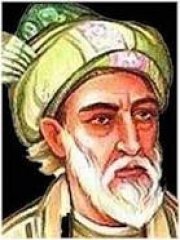
Saib Tabrizi
WRITER
1592 - 1676
HPI: 58.77
Plaats: 322
Onder Schrijver in Iran
Onder Schrijver geboren in Iran staat Mahmoud Shabestari op plaats 40. Vóór hem staan Abolqasem Lahouti (1887), Sohrab Sepehri (1928), Samad Behrangi (1939), Nima Yooshij (1897), Ahmad Shamlou (1925), en Subh-i-Azal (1831). Na hem komen Saib Tabrizi (1592), Simin Daneshvar (1921), Jalal Al-e-Ahmad (1923), Simin Behbahani (1927), Ibn Bibi (1250), en Abu'l-Fadl Bayhaqi (995).
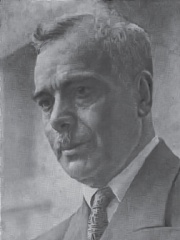
Abolqasem Lahouti
1887 - 1957
HPI: 59.77
Plaats: 34
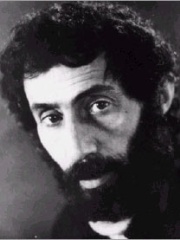
Sohrab Sepehri
1928 - 1980
HPI: 59.58
Plaats: 35
Samad Behrangi
1939 - 1967
HPI: 59.23
Plaats: 36
Nima Yooshij
1897 - 1960
HPI: 59.22
Plaats: 37
Ahmad Shamlou
1925 - 2000
HPI: 59.18
Plaats: 38
Subh-i-Azal
1831 - 1912
HPI: 59.15
Plaats: 39
Mahmoud Shabestari
1288 - 1340
HPI: 59.11
Plaats: 40
Saib Tabrizi
1592 - 1676
HPI: 58.77
Plaats: 41
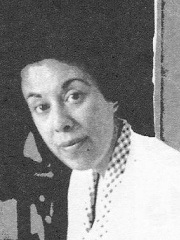
Simin Daneshvar
1921 - 2012
HPI: 58.68
Plaats: 42
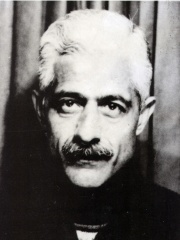
Jalal Al-e-Ahmad
1923 - 1969
HPI: 58.05
Plaats: 43
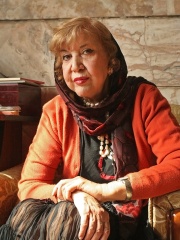
Simin Behbahani
1927 - 2014
HPI: 57.99
Plaats: 44

Ibn Bibi
1250 - 1285
HPI: 57.97
Plaats: 45

Abu'l-Fadl Bayhaqi
995 - 1077
HPI: 57.96
Plaats: 46




