Író
Dzsalál ad-Dín Rúmí
1207 - 1273
HU.WIKIPEDIA OLDALMEGTEKINTÉSEK (PV)
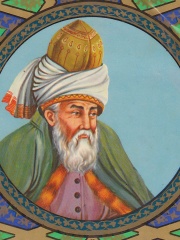
 Dzsalál ad-Dín Rúmí
Életrajza 109 különböző nyelven érhető el a Wikipédián (növekedés 103-ről 2024-ben). Dzsalál ad-Dín Rúmí a 26th legnépszerűbb író, a legnépszerűbb életrajz Afganisztán országából és a legnépszerűbb Afganisztánból író.
Ismertségi mutatók
1.8M
Oldalmegtekintések
Elmúlt 12 hónap
86.64
HPI
Történelmi népszerűségi index
Dzsalál ad-Dín Rúmí oldalmegtekintései nyelvenként
A(z) Író között
A(z) Író között Dzsalál ad-Dín Rúmí a(z) 26. helyen áll 7,302 közül. Előtte állnak: T. S. Eliot, Ovid, Alexandre Dumas, Albert Camus, Hesiod, és Anton Chekhov. Utána következnek: Petrarch, Honoré de Balzac, Aesop, Antoine de Saint-Exupéry, Gabriel García Márquez, és Giovanni Boccaccio.
A legnépszerűbb Író a Wikipédián
Összes rangsor megtekintése
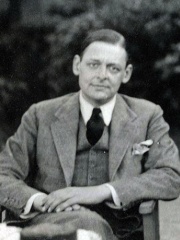
T. S. Eliot
1888 - 1965
HPI: 87.25
Helyezés: 20
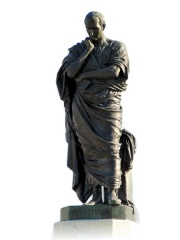
Ovid
43 BC - 17
HPI: 86.87
Helyezés: 21
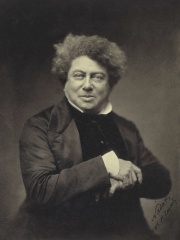
Alexandre Dumas
1802 - 1870
HPI: 86.83
Helyezés: 22

Albert Camus
1913 - 1960
HPI: 86.77
Helyezés: 23
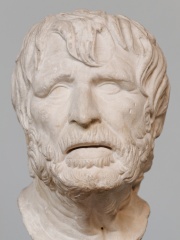
Hesiod
800 BC - 700 BC
HPI: 86.72
Helyezés: 24
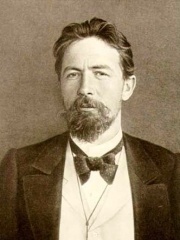
Anton Chekhov
1860 - 1904
HPI: 86.67
Helyezés: 25
Rumi
1207 - 1273
HPI: 86.64
Helyezés: 26
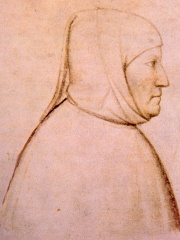
Petrarch
1304 - 1374
HPI: 86.60
Helyezés: 27
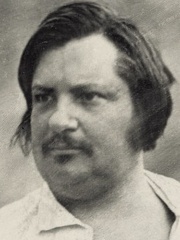
Honoré de Balzac
1799 - 1850
HPI: 86.38
Helyezés: 28
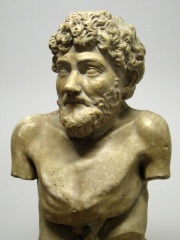
Aesop
620 BC - 564 BC
HPI: 86.32
Helyezés: 29
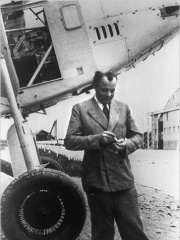
Antoine de Saint-Exupéry
1900 - 1944
HPI: 86.21
Helyezés: 30
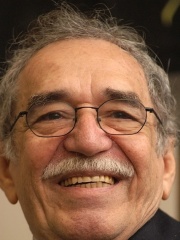
Gabriel García Márquez
1927 - 2014
HPI: 86.19
Helyezés: 31
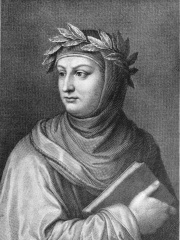
Giovanni Boccaccio
1313 - 1375
HPI: 85.98
Helyezés: 32

Kortársak
A(z) 1207. évben születettek között Dzsalál ad-Dín Rúmí a(z) 1. helyen áll. Utána következnek: Batu Khan, Elizabeth of Hungary, Henry III of England, Philip I, Count of Savoy, Henry II, Duke of Brabant, Mechthild of Magdeburg, Ottone Visconti, és Abu Yahya ibn Abd al-Haqq. A(z) 1273. évben elhunytak között Dzsalál ad-Dín Rúmí a(z) 1. helyen áll. Utána következnek: Baldwin II, Latin Emperor, Muhammad I of Granada, Al-Qurtubi, Elisabeth of Bavaria, Queen of Germany, és Thomas Bérard.
További személyek, akik a(z) 1207. évben születtek
Összes rangsor megtekintéseRumi
WRITER
1207 - 1273
HPI: 86.64
Helyezés: 1
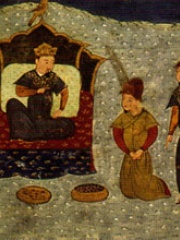
Batu Khan
POLITICIAN
1207 - 1255
HPI: 81.22
Helyezés: 2
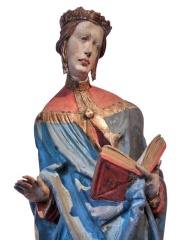
Elizabeth of Hungary
RELIGIOUS FIGURE
1207 - 1231
HPI: 77.89
Helyezés: 3
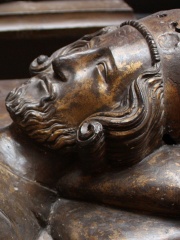
Henry III of England
POLITICIAN
1207 - 1272
HPI: 76.45
Helyezés: 4

Philip I, Count of Savoy
NOBLEMAN
1207 - 1285
HPI: 64.90
Helyezés: 5
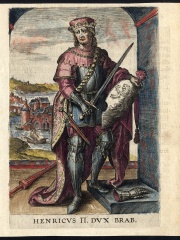
Henry II, Duke of Brabant
POLITICIAN
1207 - 1248
HPI: 64.23
Helyezés: 6
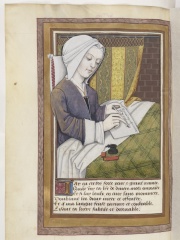
Mechthild of Magdeburg
PHILOSOPHER
1207 - 1282
HPI: 63.30
Helyezés: 7
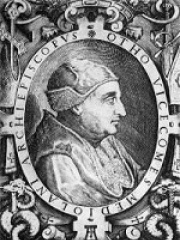
Ottone Visconti
POLITICIAN
1207 - 1295
HPI: 63.25
Helyezés: 8
Abu Yahya ibn Abd al-Haqq
POLITICIAN
1207 - 1258
HPI: 59.69
Helyezés: 9
További személyek, akik a(z) 1273. évben hunytak el
Összes rangsor megtekintéseRumi
WRITER
1207 - 1273
HPI: 86.64
Helyezés: 1
Baldwin II, Latin Emperor
POLITICIAN
1217 - 1273
HPI: 74.80
Helyezés: 2
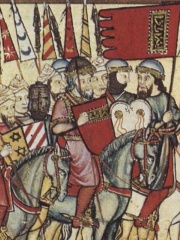
Muhammad I of Granada
POLITICIAN
1194 - 1273
HPI: 69.24
Helyezés: 3

Al-Qurtubi
RELIGIOUS FIGURE
1214 - 1273
HPI: 67.54
Helyezés: 4
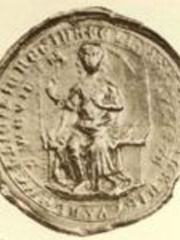
Elisabeth of Bavaria, Queen of Germany
COMPANION
1227 - 1273
HPI: 67.20
Helyezés: 5

Thomas Bérard
POLITICIAN
1300 - 1273
HPI: 61.76
Helyezés: 6
A(z) Afganisztán rangsorában
A(z) Afganisztán területén születettek között Dzsalál ad-Dín Rúmí a(z) 1. helyen áll NaN közül. Utána következnek: Al-Farabi (872), Mahmud of Ghazni (971), Ashraf Ghani (1949), Roxana (-347), Ahmad Shah Durrani (1722), Abbas the Great (1571), Mohammed Zahir Shah (1914), Hamid Karzai (1957), Amanullah Khan (1892), Hasan Akhund (1945), és Burhanuddin Rabbani (1940).
További személyek, akik Afganisztán területén születtek
Összes rangsor megtekintéseRumi
WRITER
1207 - 1273
HPI: 86.64
Helyezés: 1
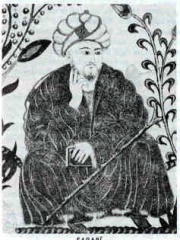
Al-Farabi
PHILOSOPHER
872 - 951
HPI: 84.23
Helyezés: 2
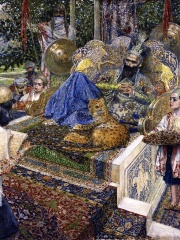
Mahmud of Ghazni
POLITICIAN
971 - 1030
HPI: 80.67
Helyezés: 3
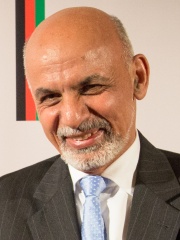
Ashraf Ghani
POLITICIAN
1949 - napjainkig
HPI: 78.69
Helyezés: 4
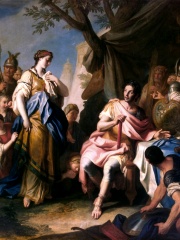
Roxana
COMPANION
347 BC - 310 BC
HPI: 78.55
Helyezés: 5
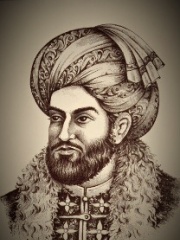
Ahmad Shah Durrani
POLITICIAN
1722 - 1772
HPI: 78.09
Helyezés: 6
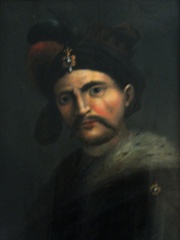
Abbas the Great
POLITICIAN
1571 - 1629
HPI: 77.08
Helyezés: 7
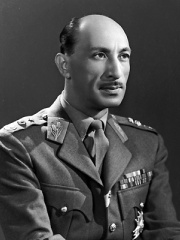
Mohammed Zahir Shah
POLITICIAN
1914 - 2007
HPI: 76.65
Helyezés: 8
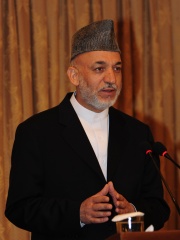
Hamid Karzai
POLITICIAN
1957 - napjainkig
HPI: 76.45
Helyezés: 9
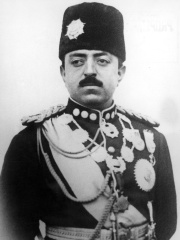
Amanullah Khan
POLITICIAN
1892 - 1960
HPI: 75.51
Helyezés: 10
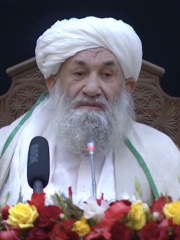
Hasan Akhund
POLITICIAN
1945 - napjainkig
HPI: 75.51
Helyezés: 11
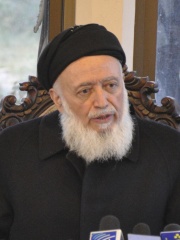
Burhanuddin Rabbani
POLITICIAN
1940 - 2011
HPI: 75.48
Helyezés: 12
A(z) Író között – Afganisztán
A(z) Afganisztán területén született Író között Dzsalál ad-Dín Rúmí a(z) 1. helyen áll. Utána következnek: Ali-Shir Nava'i (1441), Khaled Hosseini (1965), Sanai (1080), Gulbadan Begum (1523), Unsuri (980), Rabia Balkhi (1000), Farrukhi Sistani (980), Atiq Rahimi (1962), Abdul Hakim Haqqani (1967), Nadia Anjuman (1981), és Niloofar Rahmani (1992).
Rumi
1207 - 1273
HPI: 86.64
Helyezés: 1

Ali-Shir Nava'i
1441 - 1501
HPI: 74.31
Helyezés: 2

Khaled Hosseini
1965 - napjainkig
HPI: 67.06
Helyezés: 3
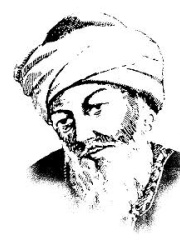
Sanai
1080 - 1131
HPI: 63.41
Helyezés: 4
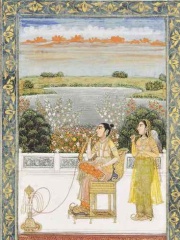
Gulbadan Begum
1523 - 1603
HPI: 62.07
Helyezés: 5

Unsuri
980 - 1039
HPI: 60.72
Helyezés: 6

Rabia Balkhi
1000 - napjainkig
HPI: 59.32
Helyezés: 7
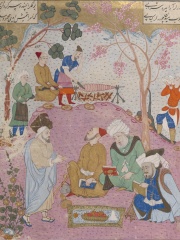
Farrukhi Sistani
980 - 1037
HPI: 58.50
Helyezés: 8
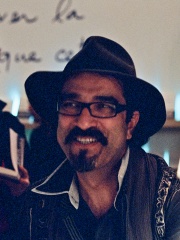
Atiq Rahimi
1962 - napjainkig
HPI: 55.59
Helyezés: 9
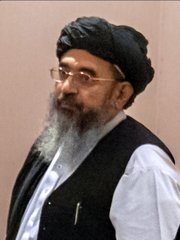
Abdul Hakim Haqqani
1967 - napjainkig
HPI: 48.00
Helyezés: 10
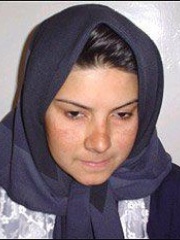
Nadia Anjuman
1981 - 2005
HPI: 47.54
Helyezés: 11
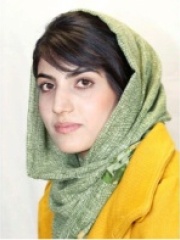
Niloofar Rahmani
1992 - napjainkig
HPI: 42.90
Helyezés: 12




