Figura religiosa
Pope Caius
250 - 296
PT.WIKIPEDIA PAGE VIEWS (PV)
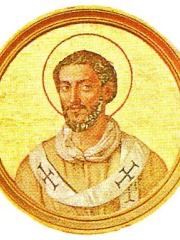
 Pope Caius
Sua biografia está disponível em 74 idiomas na Wikipédia (aumento em relação a 73 em 2024). Pope Caius é o 537º figura religiosa mais popular (caiu do 485º em 2024), a 12ª biografia mais popular da Croácia e o 2º figura religiosa mais popular da Croácia.
Memorability Metrics
59k
Page Views
Past 12 months
73.34
HPI
Historical Popularity Index
Page views of Pope Caius by language
Among Figura religiosas
Among figura religiosas, Pope Caius ranks 537 out of 3,187. Before him are Suger, Anastasia of Sirmium, Desmond Tutu, Jean-Louis Tauran, Athenagoras I of Constantinople, and Dorothea of Caesarea. After him are Dominic Savio, Saint Titus, Aloysius Gonzaga, William Laud, Saint Marinus, and John Vianney.
Most Popular Figura Religiosas in Wikipedia
Go to all Rankings
Suger
1080 - 1151
HPI: 73.46
Rank: 531
Anastasia of Sirmium
281 - 304
HPI: 73.46
Rank: 532
Desmond Tutu
1931 - 2021
HPI: 73.44
Rank: 533
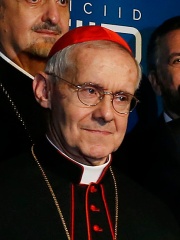
Jean-Louis Tauran
1943 - 2018
HPI: 73.42
Rank: 534
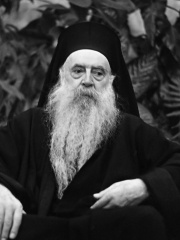
Athenagoras I of Constantinople
1886 - 1972
HPI: 73.41
Rank: 535
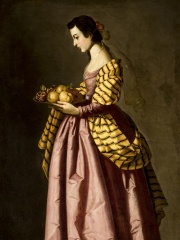
Dorothea of Caesarea
279 - 311
HPI: 73.36
Rank: 536
Pope Caius
250 - 296
HPI: 73.34
Rank: 537
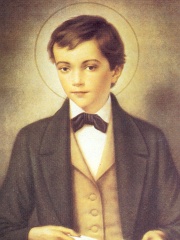
Dominic Savio
1842 - 1857
HPI: 73.33
Rank: 538
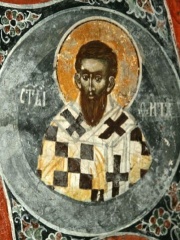
Saint Titus
13 - 107
HPI: 73.32
Rank: 539
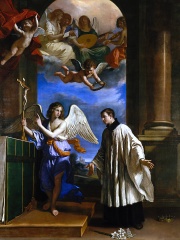
Aloysius Gonzaga
1568 - 1591
HPI: 73.32
Rank: 540
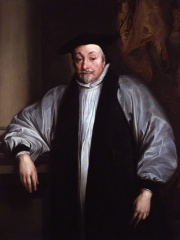
William Laud
1573 - 1645
HPI: 73.32
Rank: 541
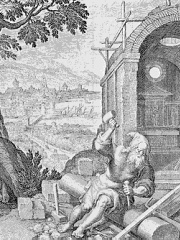
Saint Marinus
275 - 366
HPI: 73.29
Rank: 542
John Vianney
1786 - 1859
HPI: 73.28
Rank: 543

Contemporaries
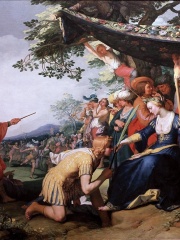
Among people born in 250, Pope Caius ranks 9. Before him are Constantius Chlorus, Pope Alexander I of Alexandria, Chandragupta I, Pope Miltiades, Saint Florian, and Pope Marcellinus. After him are Pope Eusebius, Lactantius, Martinian, Carinus, Saint Maurice, and Heliodorus of Emesa. Among people deceased in 296, Pope Caius ranks 1. After him is Allectus.
Others Born in 250
Go to all Rankings
Constantius Chlorus
POLITICIAN
250 - 306
HPI: 77.79
Rank: 3
Pope Alexander I of Alexandria
RELIGIOUS FIGURE
250 - 326
HPI: 76.40
Rank: 4
Chandragupta I
POLITICIAN
250 - 335
HPI: 75.07
Rank: 5
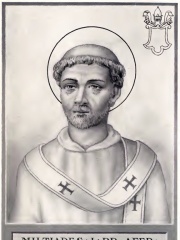
Pope Miltiades
RELIGIOUS FIGURE
250 - 314
HPI: 74.70
Rank: 6
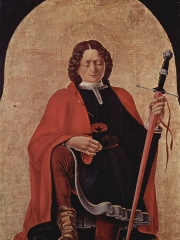
Saint Florian
RELIGIOUS FIGURE
250 - 304
HPI: 74.28
Rank: 7
Pope Marcellinus
RELIGIOUS FIGURE
250 - 304
HPI: 73.77
Rank: 8
Pope Caius
RELIGIOUS FIGURE
250 - 296
HPI: 73.34
Rank: 9
Pope Eusebius
RELIGIOUS FIGURE
250 - 310
HPI: 73.27
Rank: 10
Lactantius
WRITER
250 - 325
HPI: 73.15
Rank: 11
Martinian
POLITICIAN
250 - 324
HPI: 73.09
Rank: 12
Carinus
POLITICIAN
250 - 285
HPI: 72.69
Rank: 13
Saint Maurice
RELIGIOUS FIGURE
250 - 287
HPI: 72.41
Rank: 14
Heliodorus of Emesa
WRITER
250 - 400
HPI: 69.89
Rank: 15
Others Deceased in 296
Go to all Rankings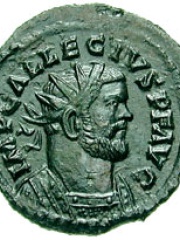
In Croácia
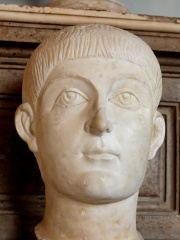
Among people born in Croácia, Pope Caius ranks 12 out of NaN. Before him are Franjo Tuđman (1922), Valens (328), Leopold Ružička (1887), János Kádár (1912), Roger Joseph Boscovich (1711), and Pope John IV (600). After him are Saint Marinus (275), Laura Antonelli (1941), Franz von Suppé (1819), Joanna II of Naples (1373), Frano Selak (1929), and Andrija Mohorovičić (1857).
Others born in Croácia
Go to all Rankings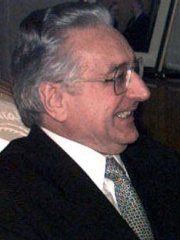
Franjo Tuđman
POLITICIAN
1922 - 1999
HPI: 77.61
Rank: 6
Valens
POLITICIAN
328 - 378
HPI: 76.61
Rank: 7
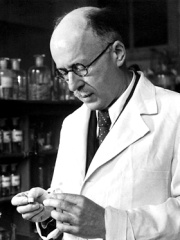
Leopold Ružička
CHEMIST
1887 - 1976
HPI: 75.35
Rank: 8
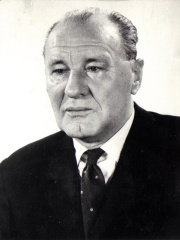
János Kádár
POLITICIAN
1912 - 1989
HPI: 75.08
Rank: 9
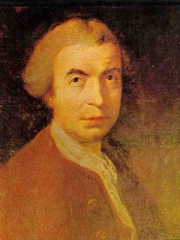
Roger Joseph Boscovich
ASTRONOMER
1711 - 1787
HPI: 74.76
Rank: 10
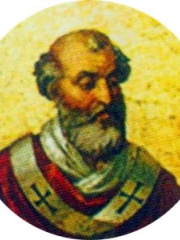
Pope John IV
RELIGIOUS FIGURE
600 - 642
HPI: 74.28
Rank: 11
Pope Caius
RELIGIOUS FIGURE
250 - 296
HPI: 73.34
Rank: 12
Saint Marinus
RELIGIOUS FIGURE
275 - 366
HPI: 73.29
Rank: 13

Laura Antonelli
ACTOR
1941 - 2015
HPI: 73.26
Rank: 14
Franz von Suppé
COMPOSER
1819 - 1895
HPI: 72.63
Rank: 15
Joanna II of Naples
POLITICIAN
1373 - 1435
HPI: 70.94
Rank: 16

Frano Selak
CELEBRITY
1929 - 2016
HPI: 70.77
Rank: 17

Andrija Mohorovičić
GEOLOGIST
1857 - 1936
HPI: 70.67
Rank: 18
Among Figura religiosas In Croácia
Among figura religiosas born in Croácia, Pope Caius ranks 2. Before him are Pope John IV (600). After him are Saint Marinus (275), Aloysius Stepinac (1898), Margaret of Hungary (1242), Josip Bozanić (1949), Pavle, Serbian Patriarch (1914), Franjo Šeper (1905), George Martinuzzi (1482), Julian of Antioch (231), Quirinus of Sescia (300), and Marko Krizin (1589).
Pope John IV
600 - 642
HPI: 74.28
Rank: 1
Pope Caius
250 - 296
HPI: 73.34
Rank: 2
Saint Marinus
275 - 366
HPI: 73.29
Rank: 3
Aloysius Stepinac
1898 - 1960
HPI: 70.51
Rank: 4
Margaret of Hungary
1242 - 1270
HPI: 68.48
Rank: 5
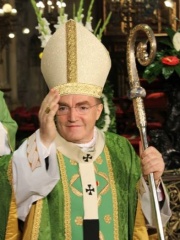
Josip Bozanić
1949 - Present
HPI: 66.04
Rank: 6
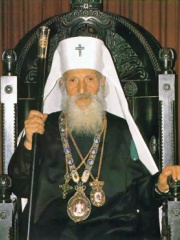
Pavle, Serbian Patriarch
1914 - 2009
HPI: 63.59
Rank: 7
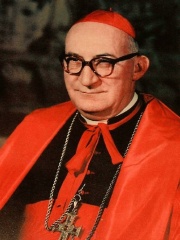
Franjo Šeper
1905 - 1981
HPI: 63.59
Rank: 8
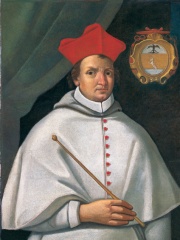
George Martinuzzi
1482 - 1551
HPI: 62.96
Rank: 9
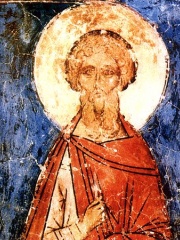
Julian of Antioch
231 - 305
HPI: 62.94
Rank: 10
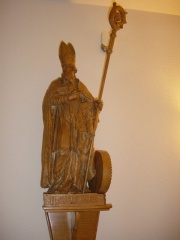
Quirinus of Sescia
300 - 309
HPI: 62.03
Rank: 11
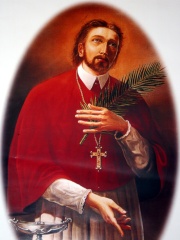
Marko Krizin
1589 - 1619
HPI: 61.84
Rank: 12




